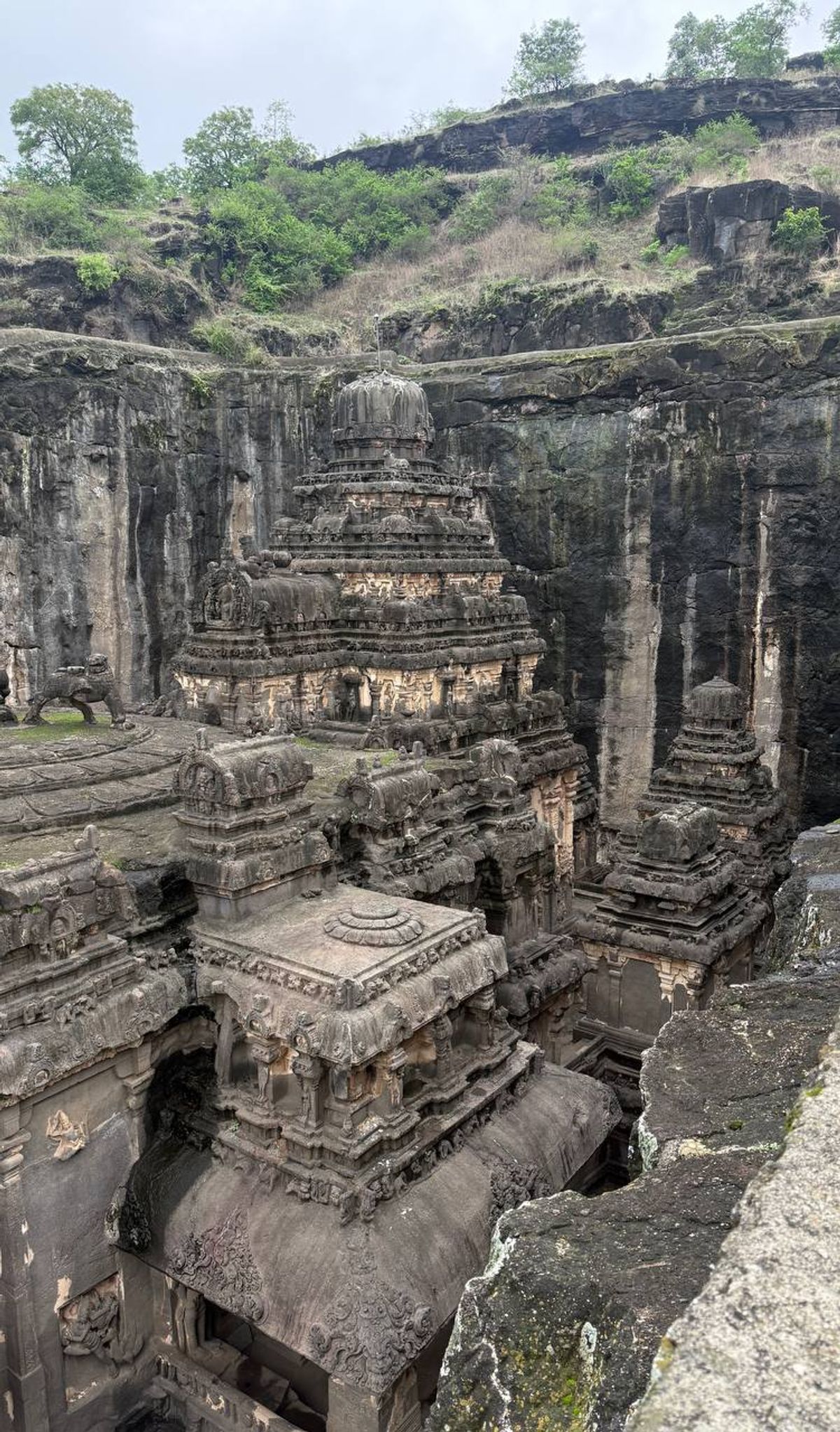
Imagine a night when darkness is suddenly lit by a divine glow, the guards fall into a magical sleep, and the river parts before a newborn. This is how, according to legend, Krishna’s earthly journey began — a divine child, an incarnation of Vishnu, who came to save the world from tyranny. In 2026, Krishna Janmashtami falls on September 4, and it’s a perfect opportunity to explore how India turns a single night into a grand celebration of devotion and joy.
The Legend That Became a Festival
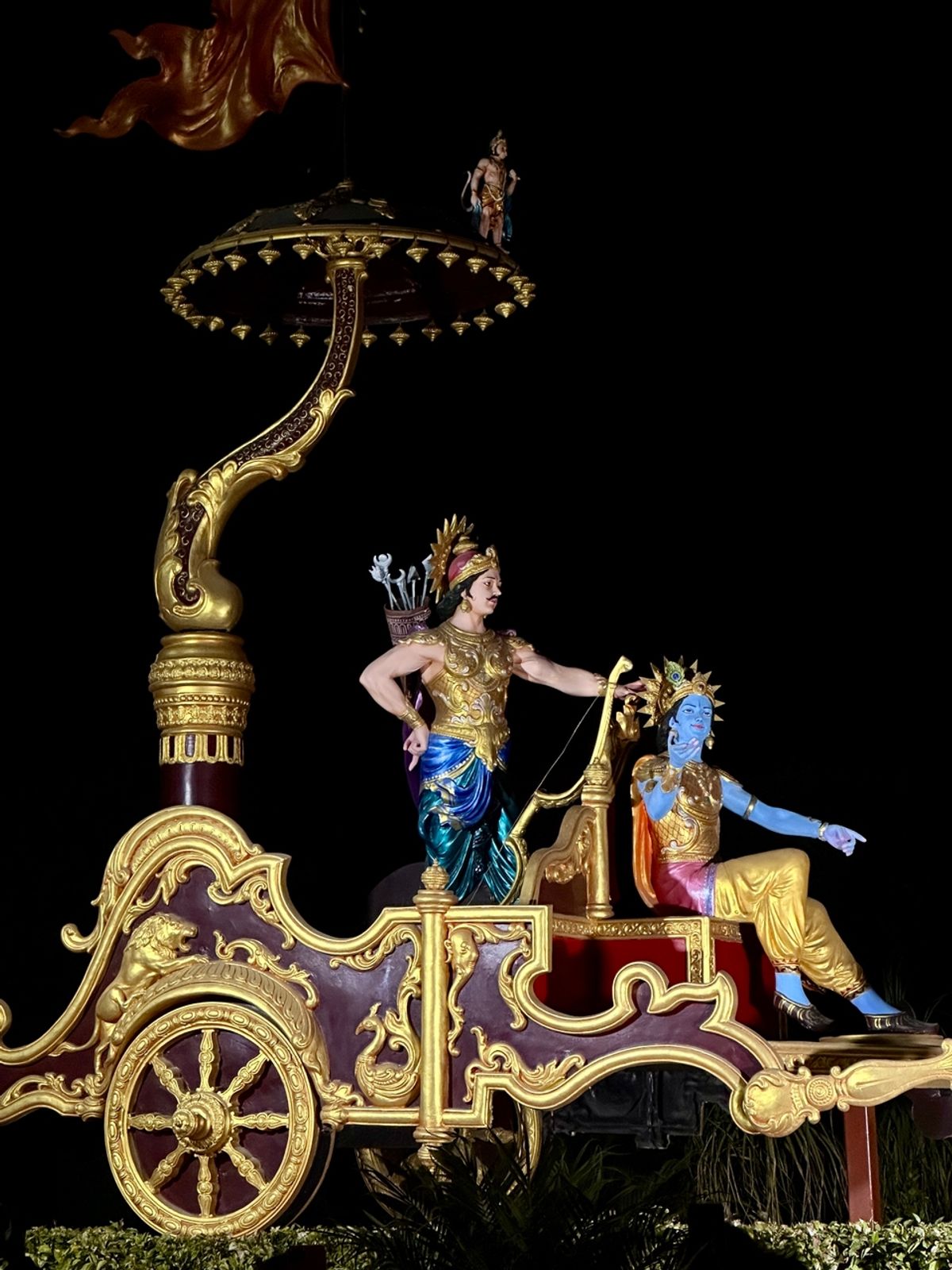
Krishna was born in a prison in Mathura, bound by chains, defying the will of the cruel King Kamsa, his uncle. Yet nature itself seemed to stand on the side of good: when his father Vasudeva carried the infant through the raging Yamuna River, the waters parted, and the thousand‑headed serpent Shesha shielded the child with his hoods from the rain. This story isn’t just a myth — it sets the tone for the festival, where even the simplest actions are filled with deep meaning.
A Night When No One Sleeps
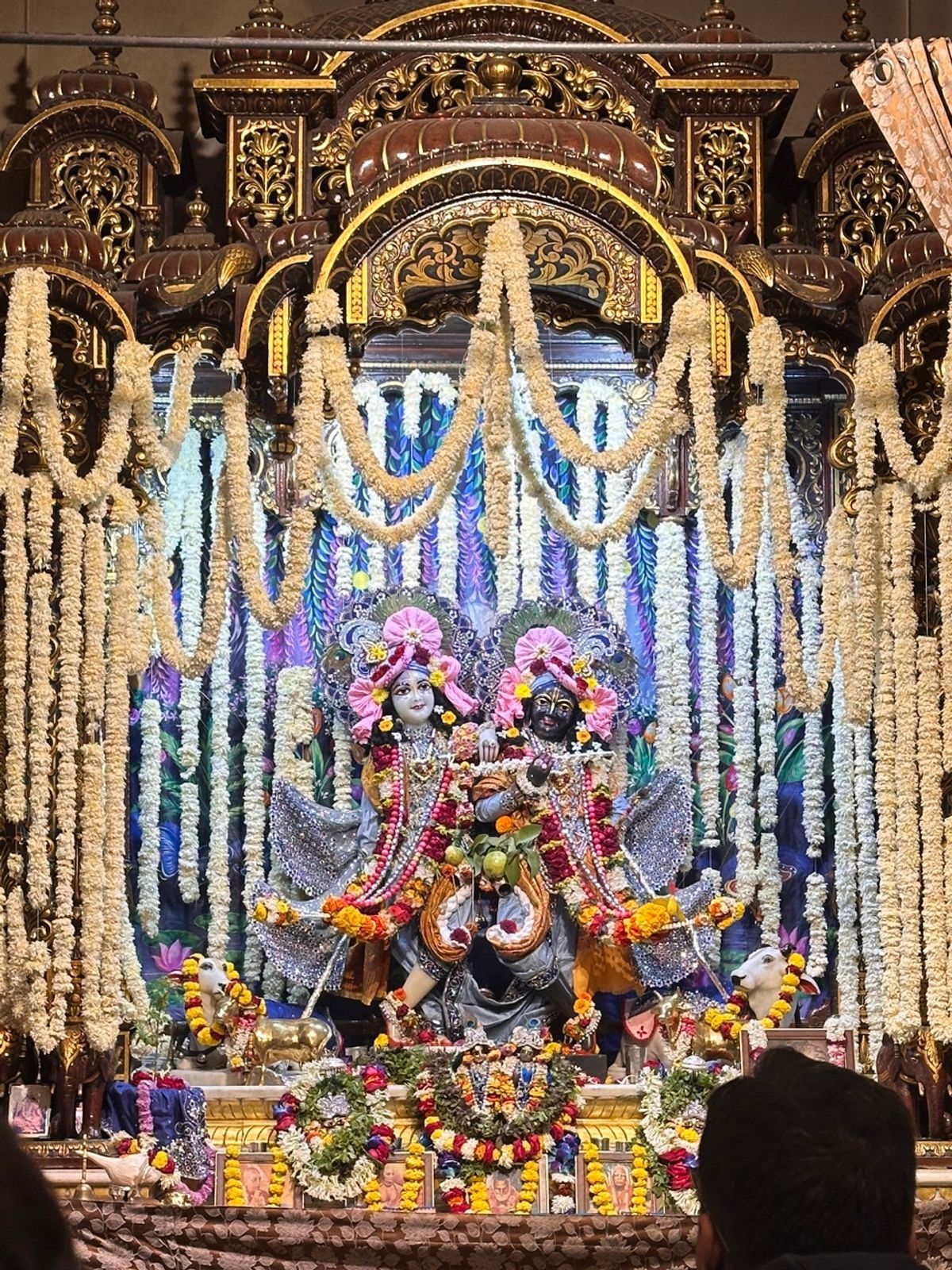
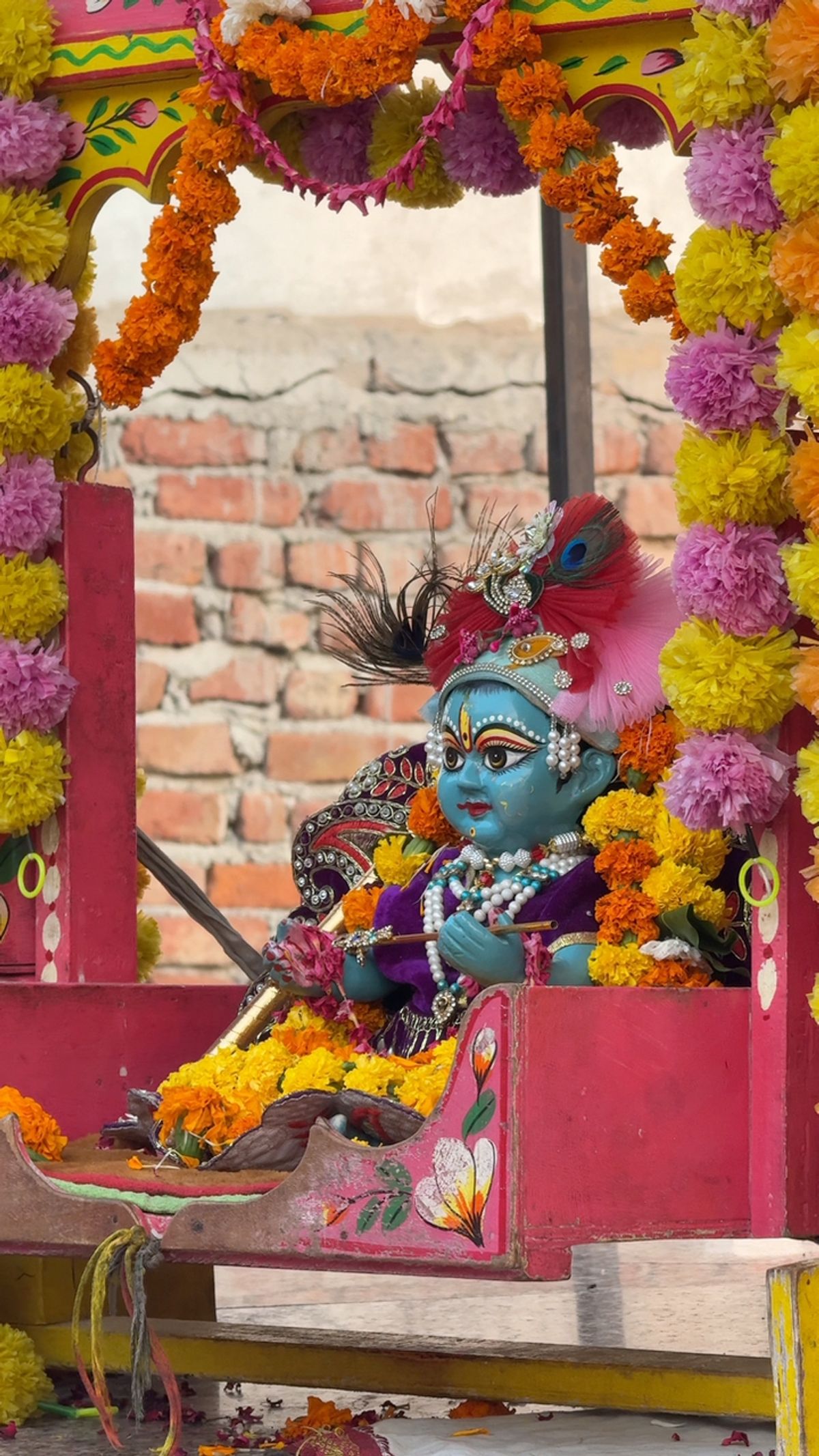
Janmashtami is, first and foremost, a night of devotion. Throughout the day, devotees observe a fast — some abstain even from water. Temples are transformed: they’re decorated with garlands, and a cradle with a figurine of baby Krishna is placed at the centre.
The climax comes exactly at midnight. Crowds gather near the temples, and the air fills with the sounds of conch shells, drums, and bells. Priests perform abhisheka — a ritual bathing of the statue with panchamrita, a mixture of milk, yoghurt, honey, sugar, and ghee (clarified butter). Panchamrita isn’t just an ingredient; it symbolises the five elements and the five senses.
At the stroke of midnight, sacred chants ring out: “Jai Shree Krishna” and the bhajan “Nand ke anand bhayo, Jai Kanhaiya Lal ki!”. The fast ends, and everyone shares prasad — consecrated food that becomes not just a treat, but a sign of blessing.
Dahi Handi: a Festival of Excitement and Team Spirit
If the legend of Krishna’s birth is about miracles and devotion, Dahi Handi is about playfulness and fun. This custom refers to Krishna’s childhood pranks — he loved stealing butter and yoghurt.
Today, in Mumbai, Maharashtra, and Gujarat, real competitions take place. Clay pots filled with yoghurt are hung at a height of 6–12 metres, and teams of young men (“govindas”, Krishna’s devotees) build human pyramids of 8–9 tiers. When the pot is broken, yoghurt spills over the crowd, and the streets erupt in applause. In Mumbai, winning teams can receive prizes worth millions of rupees, but the real reward is the thrill, strength, and sense of unity.
Where to Experience the Festival
If you want to do more than just read about Janmashtami and actually live it, here are the places with the strongest atmosphere:
- Mathura (Krishna Janmabhoomi Temple). This is the heart of the celebration: the temple stands right on the site of the prison where Krishna was born. By midnight, kilometre‑long queues form, and the very act of waiting becomes part of the ritual.
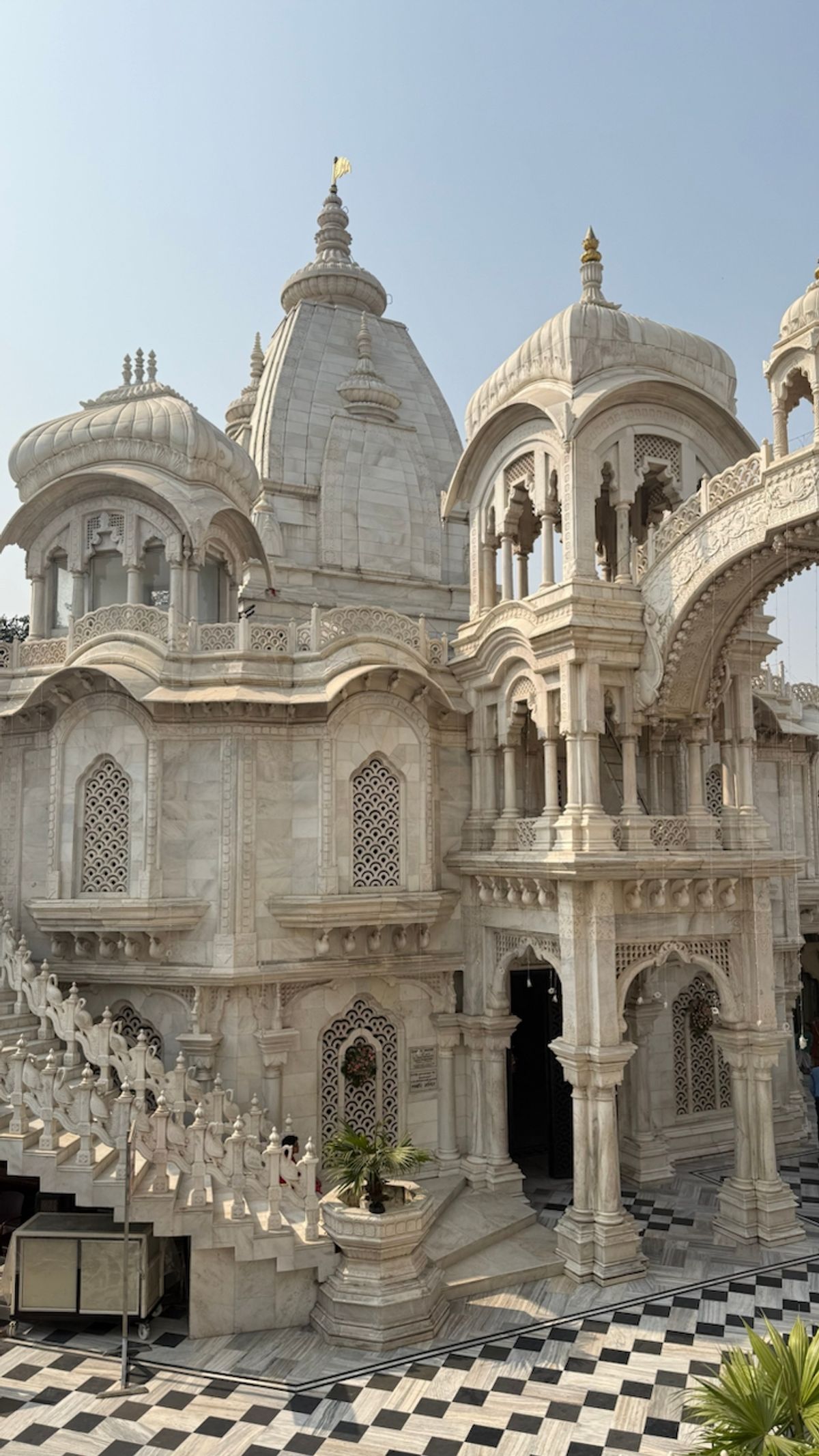
- Vrindavan. Just 10 km from Mathura lies the city where, according to legends, Krishna spent his childhood. The Banke Bihari, Prem Mandir, and ISKCON temples are open around the clock, and the atmosphere is filled with a special kind of ecstasy. The rare Mangala Aarti ceremony at Banke Bihari Temple is held only once a year, drawing thousands of pilgrims.
- Mumbai. If you prefer the energy of a big city, head to Thane, Dadar, or Ghatkopar — these areas host the most spectacular Dahi Handi events. Just remember: pyramids can collapse, so it’s best to watch from a safe distance.
- Mayapur. In West Bengal, you’ll find the global centre of ISKCON. Here, the festival turns into hours‑long kirtans — communal chants accompanied by music — drawing thousands of devotees from all over the world.
- Udupi. In the south of India, in Karnataka, you’ll experience a different aesthetic: refined southern traditions, classical music, and ancient rituals at the Sri Krishna Temple.
Practical Tips for Travellers
If you’re planning a trip, these tips will make your experience smoother:
- Arrive in Mathura or Vrindavan a day before the festival: accommodation fills up quickly, and streets become nearly impassable.
- Observe the fast until midnight — it’s part of the ritual and helps you feel the atmosphere. Afterwards, try panchamrita: it’s not just a sweet treat, but a symbolic end to the fast.
- Wear yellow: it’s Krishna’s colour, and in it you’ll blend naturally into the festive crowd.
- Don’t miss the local sweets: in Mathura, peda and barfi — delicacies made from milk and dried fruits — are especially delicious and have become the city’s hallmark.
How Not to Miss the Next Celebration
Many Indian festivals, including Janmashtami, are calculated according to the lunar calendar, so their dates change every year. To keep track of important events, it’s handy to use special apps that collect all the information about India’s festivals and holidays. For example, the India GO app offers up‑to‑date dates, traditions, and travel tips — so every festival becomes not just a date on the calendar, but a real adventure.
💛 Happy Krishna Janmashtami! May the love for Krishna awaken in our hearts and guide us towards a life of devotion, compassion, and trust in Him. 🦚 Jai Shri Krishna!