In Bangalore, among the Dravidian and Nagara-style temples familiar to the eye, stands a structure that makes you doubt at first glance: is this really a Hindu temple? It looks like a futuristic building, yet it is thoroughly permeated with traditional symbolism. This is the Shanmukha Temple, one of the most unusual modern temples in India, where architecture becomes a language of sacred meanings.
The Number Six as the Foundation of Everything
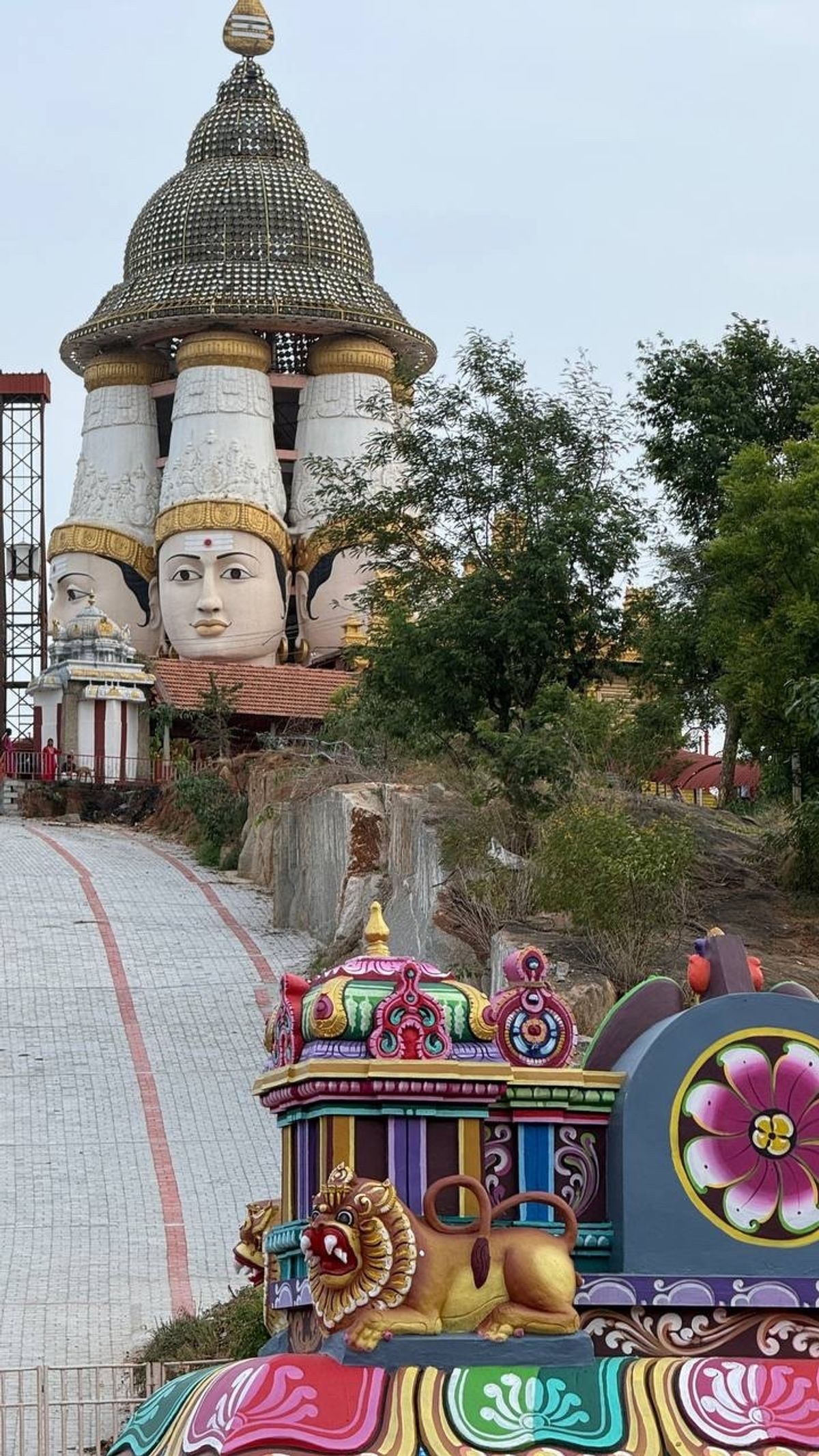
The temple's central idea is its dedication to the number six. The very name of the main deity, Shanmukha, reveals this concept: "shan" means six, and "mukha" means face. Thus, Shanmukha is "the one with six faces," referring to Murugan (Kartikeya), one of the most important gods of South India. Nearly every detail of the temple is built around this number: from its layout to its sculptural solutions.
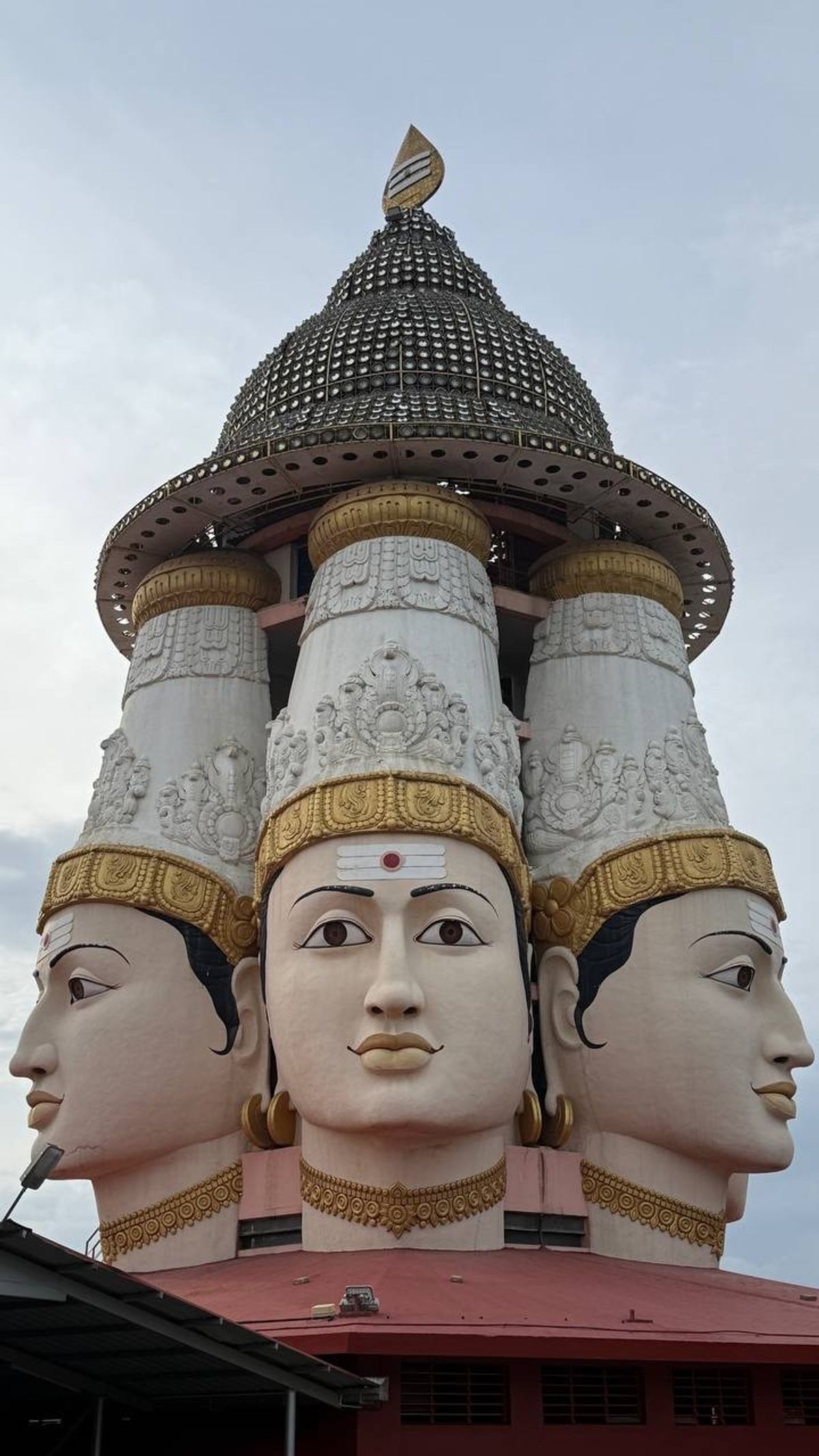
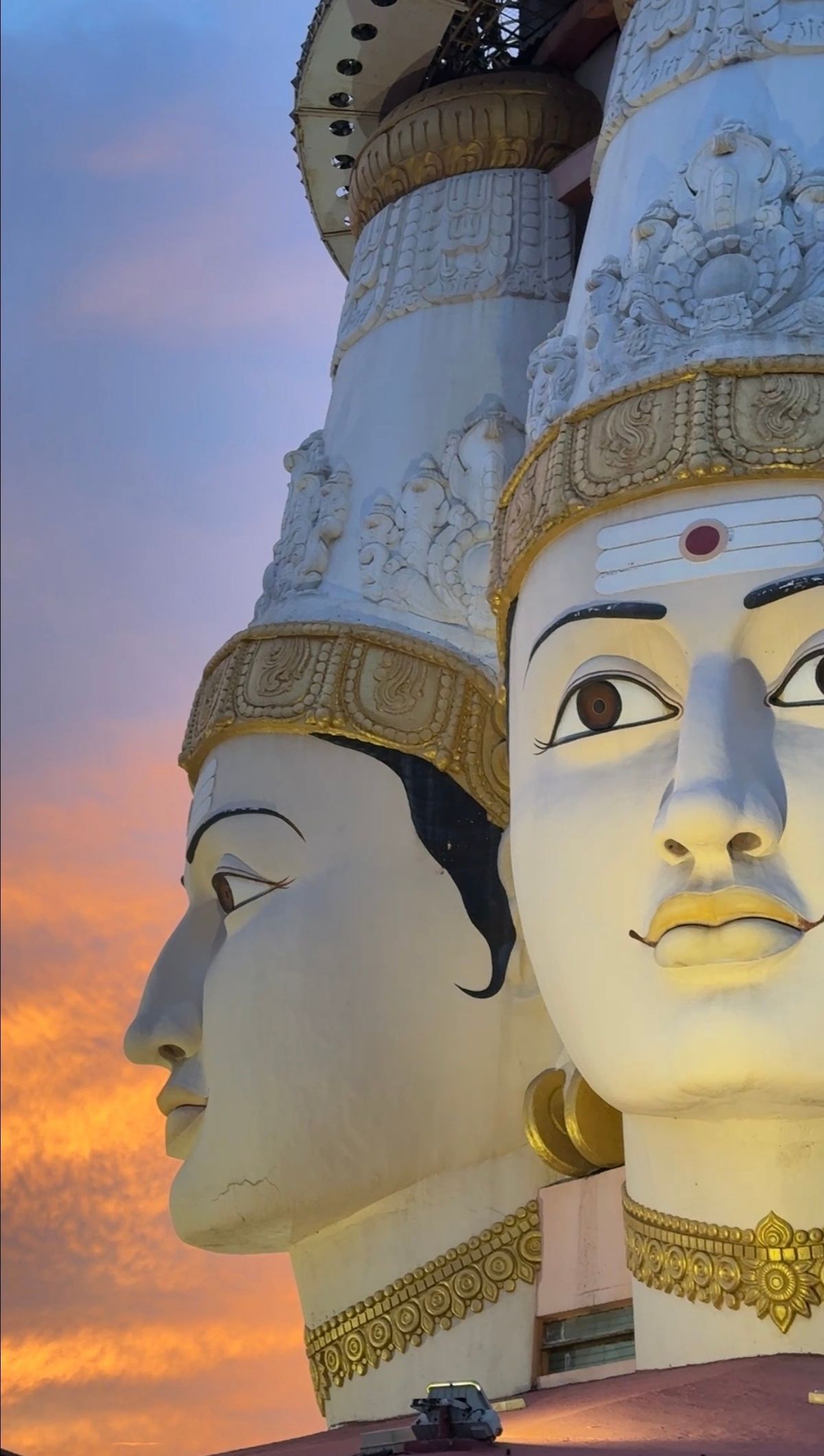
On the facade you can see six giant faces, and these are not separate statues but the architecture of the building itself. Such a solution is extremely rare in Indian temple architecture: here form and symbolism merge into one. The star-shaped layout also references the number six, emphasizing the unity of the design.
Light as Part of the Ritual
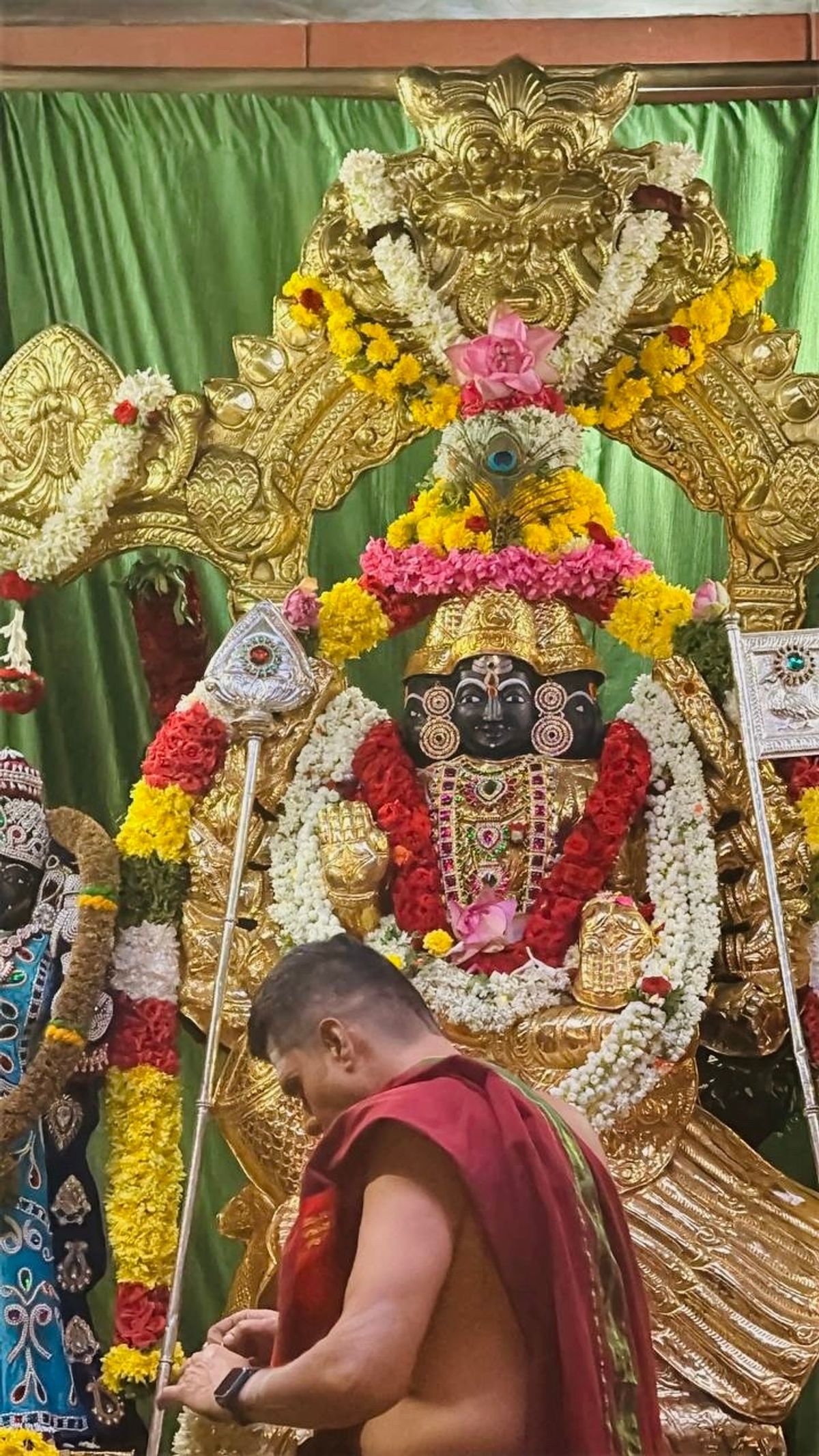
One of the most remarkable engineering features of the temple is a system that directs a ray of sunlight directly onto the murti (statue) of Shanmukha. The result is an effect of "solar abhisheka," an ablution with light, performed without human intervention. This is not merely a technical solution but a deeply considered ritual element: the temple is designed so that the sun itself becomes a participant in worship.
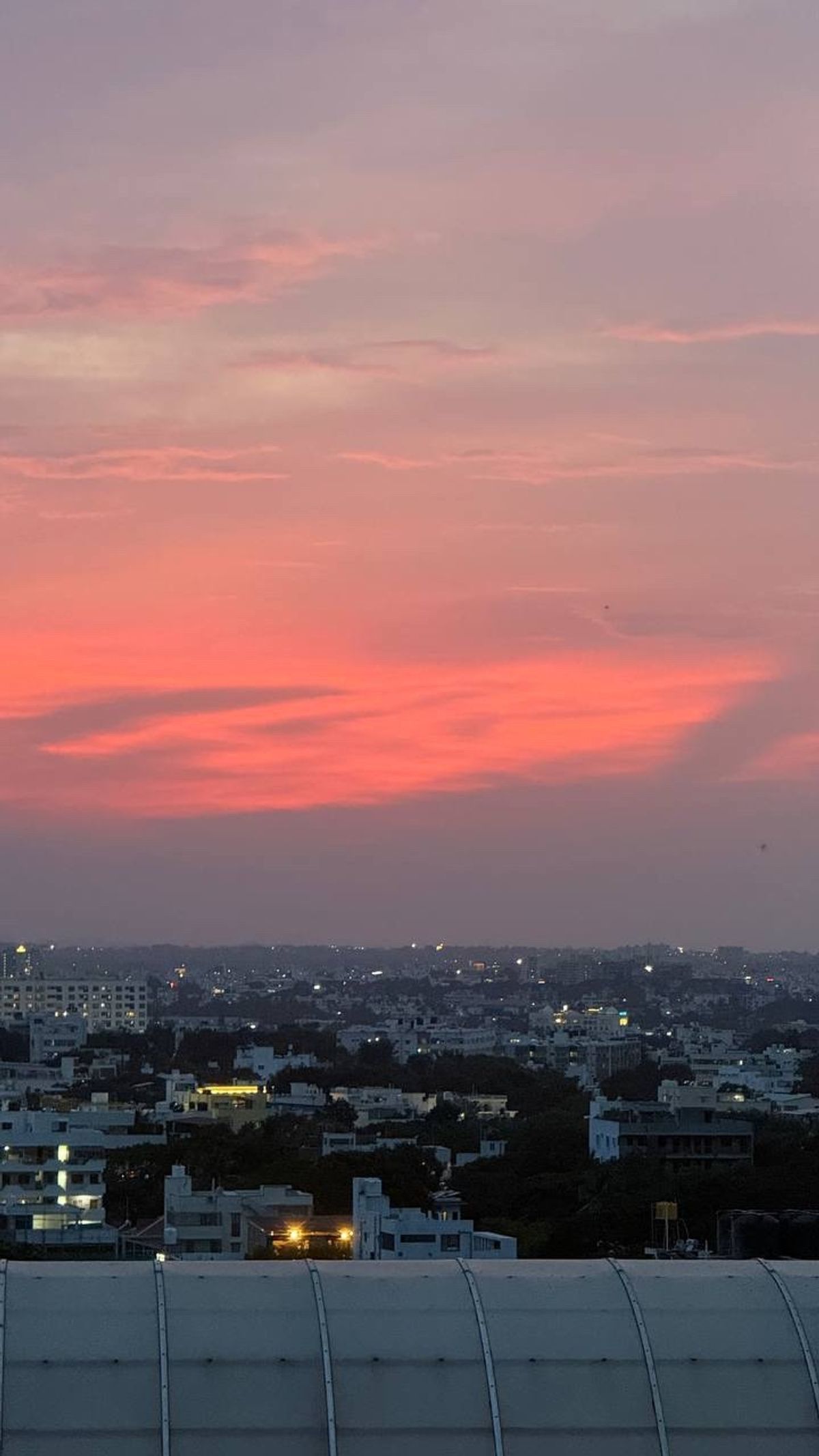
The image is completed by a huge crystal dome at the top. During the day it reflects sunlight, filling the space with radiance, and at night illumination switches on, making the temple visible from afar. For photographers and travelers, the best time to shoot is half an hour before sunset: at that moment the sun pours golden light across the enormous faces. After sunset, the temple transforms under artificial lighting, revealing a completely different facet of its aesthetic.
The Path to the Temple as Pilgrimage
The temple sits atop a hill, and the ascent itself carries spiritual meaning: it symbolizes the climb toward the higher. Along the way there are small shrines to Ganesha, Shiva, and other deities, so the path to the main sanctuary is already considered part of the pilgrimage. This emphasizes that visiting the temple is not only a visual experience but a deeply personal, inner one.
Connection to a Great Tradition
Despite its modern appearance, the Shanmukha Temple is connected to an ancient Hindu tradition. It has received the blessing of Sringeri Sharada Peetham, one of the four main monasteries whose foundation tradition attributes to Adi Shankaracharya. He was a great Indian philosopher and teacher of Advaita Vedanta who, according to legend, left home as a child, walked across India on foot, and died at just 32. Yet in that time he managed to leave behind numerous philosophical works and create a spiritual tradition that has endured for more than a thousand years.
Why Murugan Specifically?
Murugan (also known as Kartikeya or Skanda) is one of the most revered gods in South India, especially in Karnataka, Tamil Nadu, and Kerala. In North India he is less known, but for millions of devotees in the south he is a symbol of knowledge, strength, and victory over inner fears. The image of the six-faced Shanmukha emphasizes the multifaceted nature of divine wisdom: the six faces are interpreted as different aspects of perceiving truth.
Symbolism in Every Detail
The temple's architecture does not aim at decoration for its own sake: nearly every element is filled with meaning. The six faces, the star-shaped form, the crystal dome, the location on a hill, the play of sunlight, all of these are parts of a single symbolic language. The Shanmukha Temple is a rare example of how modern forms can serve ancient meanings, and engineering thinking can serve religious practice.
This temple in Bangalore is more than a landmark: it is a space where tradition and modernity hold a dialogue, and architecture becomes a conduit for spiritual experience.