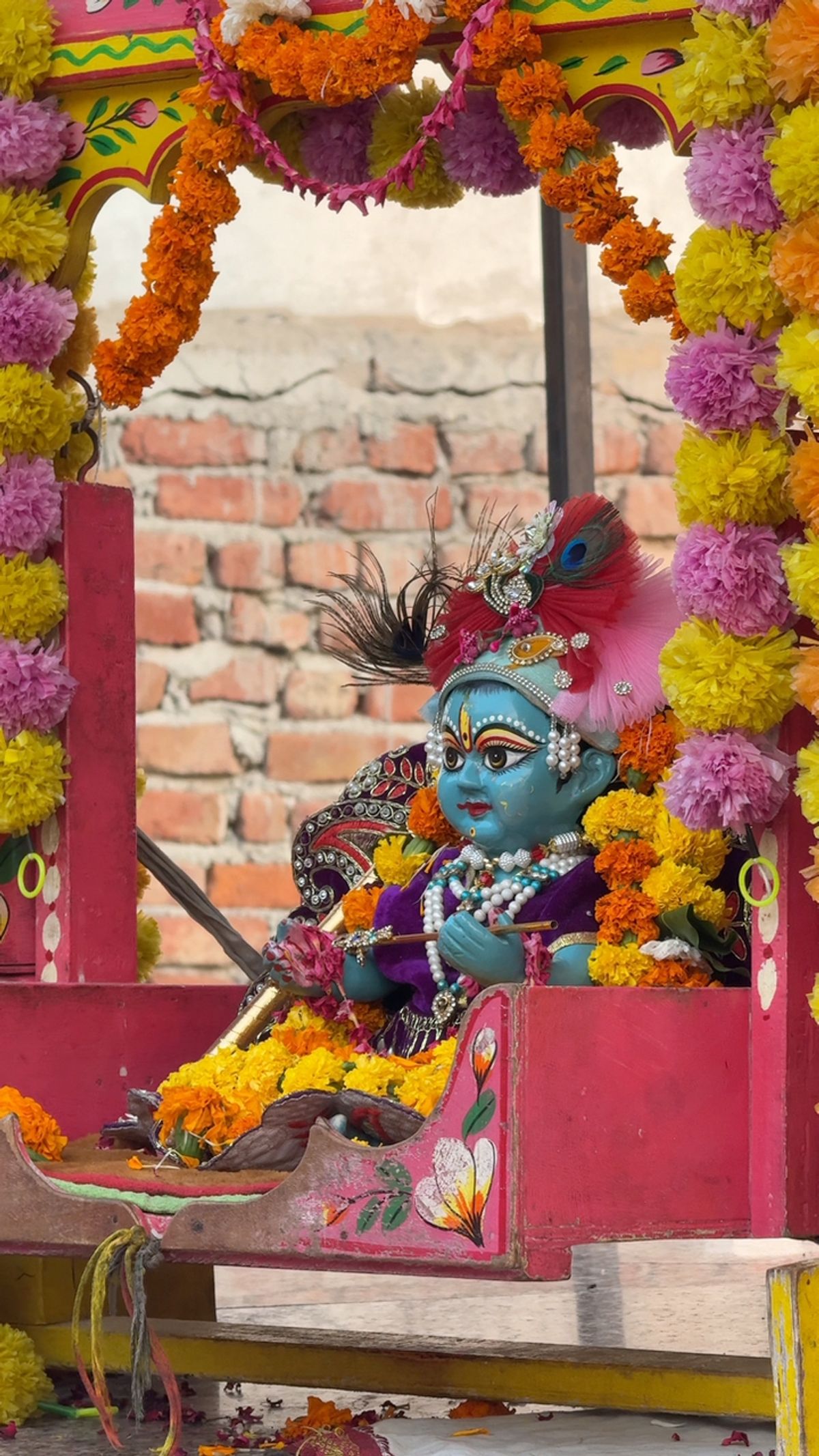
Today, India welcomes Ganesh Chaturthi. The city comes alive with music, light, and joy: for 11 days, people honour Ganesh, the patron of new beginnings. They turn to him before any important endeavour, believing he will clear the path and help things go well.
The Legend of Ganesh
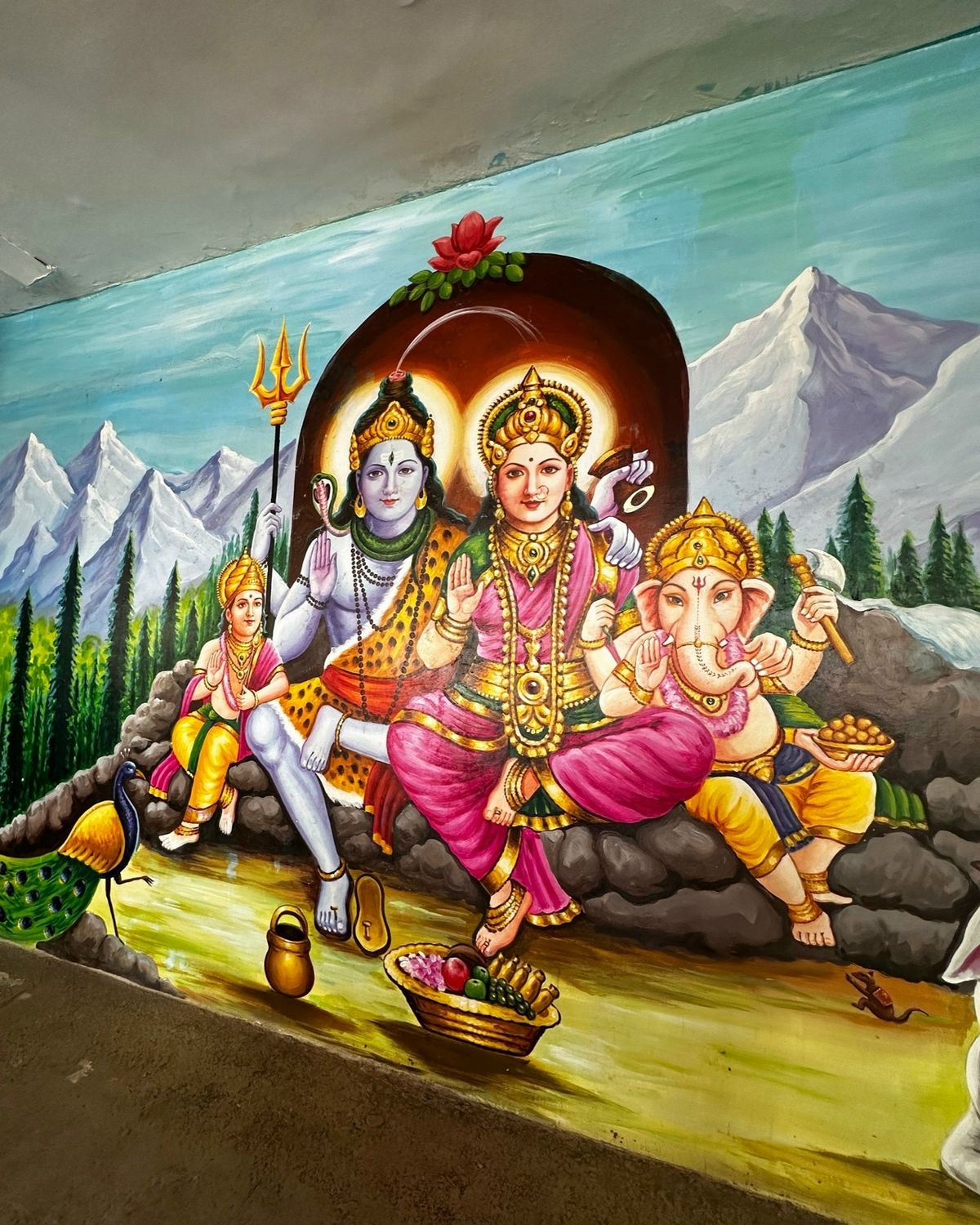
Goddess Parvati shaped a boy from paste and breathed life into him to guard her privacy. When her husband, Lord Shiva, came home, the boy wouldn’t let him in. In anger, Shiva cut off the boy’s head. Parvati demanded her son be restored. Shiva ordered them to bring the head of the first creature they met — it was an elephant. He placed the elephant’s head on the boy’s body and brought him back to life. So Ganesh appeared — the protector of everyone who dares to start something new.
What Ganesh’s Image Reveals
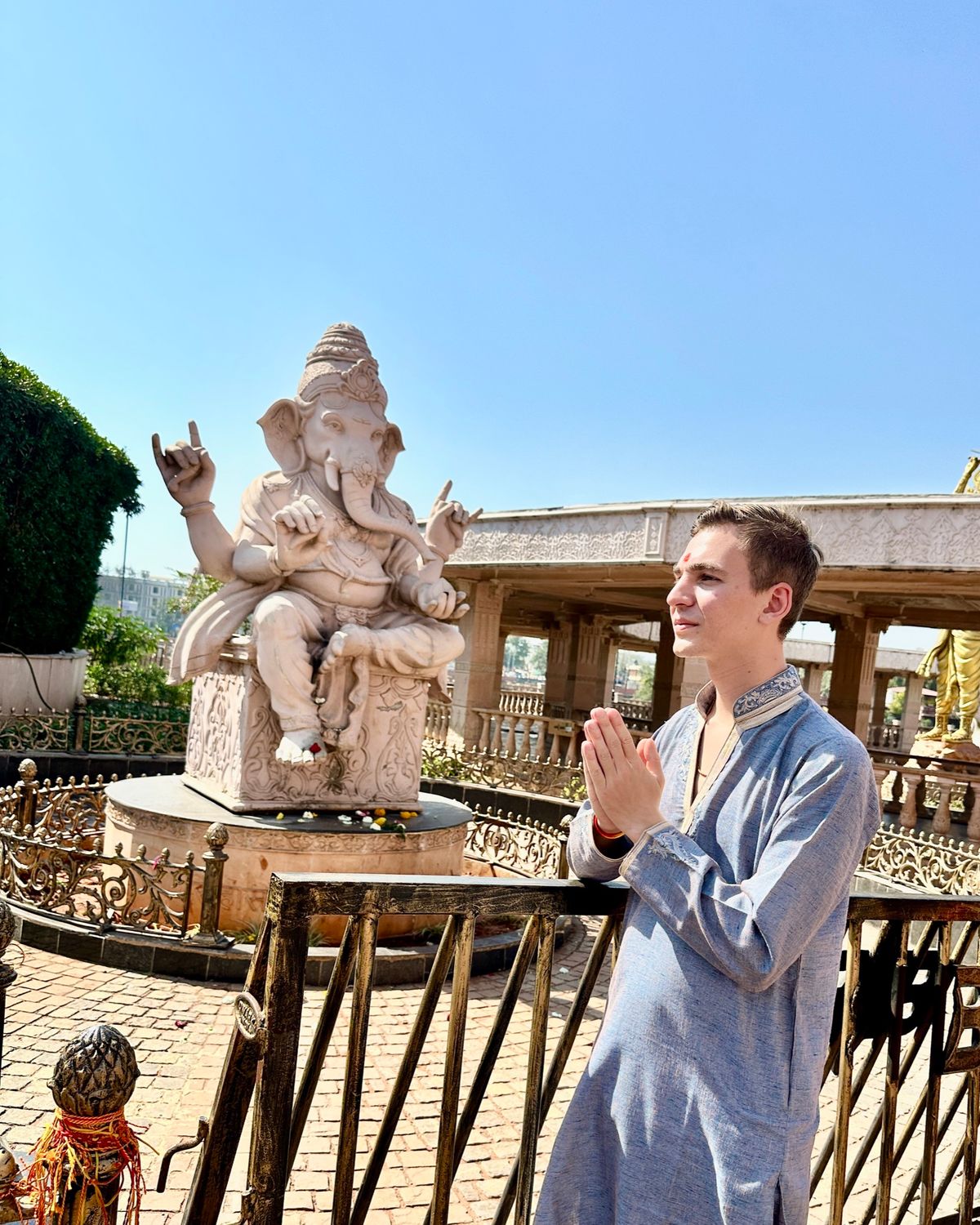
The familiar image of Ganesh — the elephant head, the rounded belly, the multiple arms — is more than iconography. Each detail speaks a symbolic language, telling a story about overcoming obstacles and moving forward.
The elephant head holds wisdom, memory, and the ability to see the essence of things. Large ears listen and separate truth from falsehood; small eyes stay focused and don’t get distracted. To walk your path, you need to hear what matters and keep your concentration.
The trunk blends strength and precision: it can uproot a tree or lift a single grain of sand. Ganesh approaches problems with flexibility, finding unconventional solutions — firm when needed, gentle when required. A trunk turned to the left stands for peace and domestic harmony; to the right — for activity and spiritual achievements.
The broken tusk is one of the most well‑known features. Legend says the sage Vyasa dictated the great epic Mahabharata to Ganesh. When his pen broke, Ganesh broke off the tip of his own tusk and kept writing. He sacrificed a part of himself to finish what he started. The broken tusk reminds us that the world isn’t perfect, and sometimes you must give something of yourself for a greater cause.
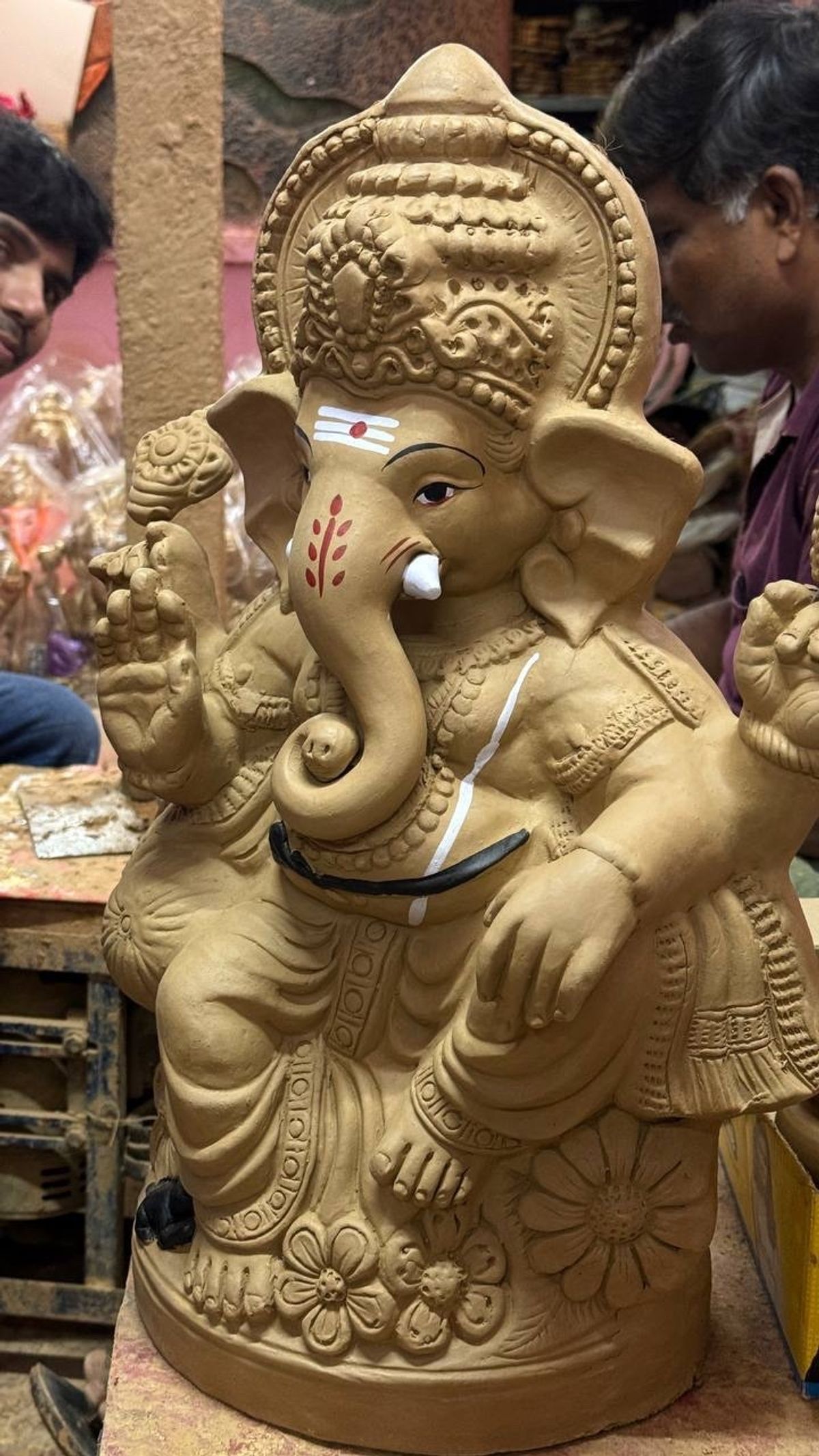
In Ganesh’s hands are tools to overcome obstacles. The modak, a sweet treat, is the reward for spiritual effort and the fruit of wisdom. An axe cuts through illusions and false attachments. A goad pierces delusions; a noose reins in passions. The lotus signifies spiritual purity; the prayer beads stand for knowledge and practice. Each object addresses something that hinders a person’s journey.
The rounded belly represents the ability to “digest” everything life brings — both joys and hardships, all the lessons. It’s about absorbing experience and staying calm, without letting it break you
The mouse under his foot is Ganesh’s vahana (vehicle). It symbolises small desires, ego, and wandering thoughts. Ganesh has mastered these forces: they no longer control him, but serve him. Even a conquered ego deserves a reward — that’s why the mouse is often shown holding a tiny modak.
Ganesh is known as Vighnaharta, “the remover of obstacles.” He clears external barriers — material, physical, human. He also clears internal ones: doubts, fear, distraction, anger. And he helps address karmic patterns tied to past actions. That’s why people call on him not when a problem has already appeared, but at the very beginning — to ensure the path stays clear from the start.
How the Festival Is Celebrated
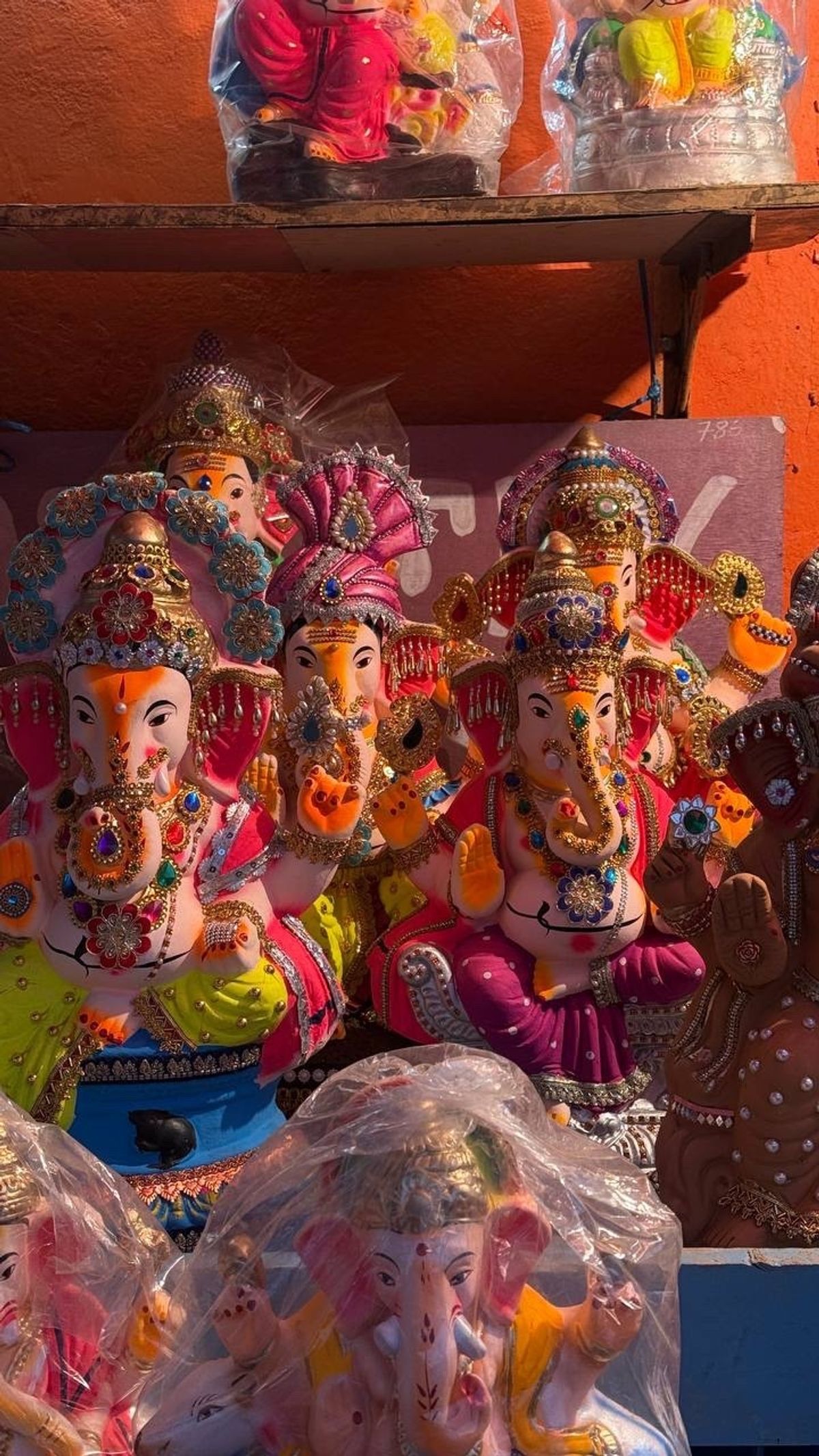
During the festival, people make wishes, plan their future, and believe their dreams will come true. Some mould figurines, others cook sweets, others decorate pandals — temporary pavilions with statues of Ganesh ranging from tiny to colossal, taller than buildings.
The prana‑pratishtha ritual seems to bring the statue to life. Now it’s a dear guest, honoured for 11 days with flowers, lights, and modaks — sweet “dumplings” with coconut filling. It’s believed Ganesh especially loves them, so many households prepare dozens.
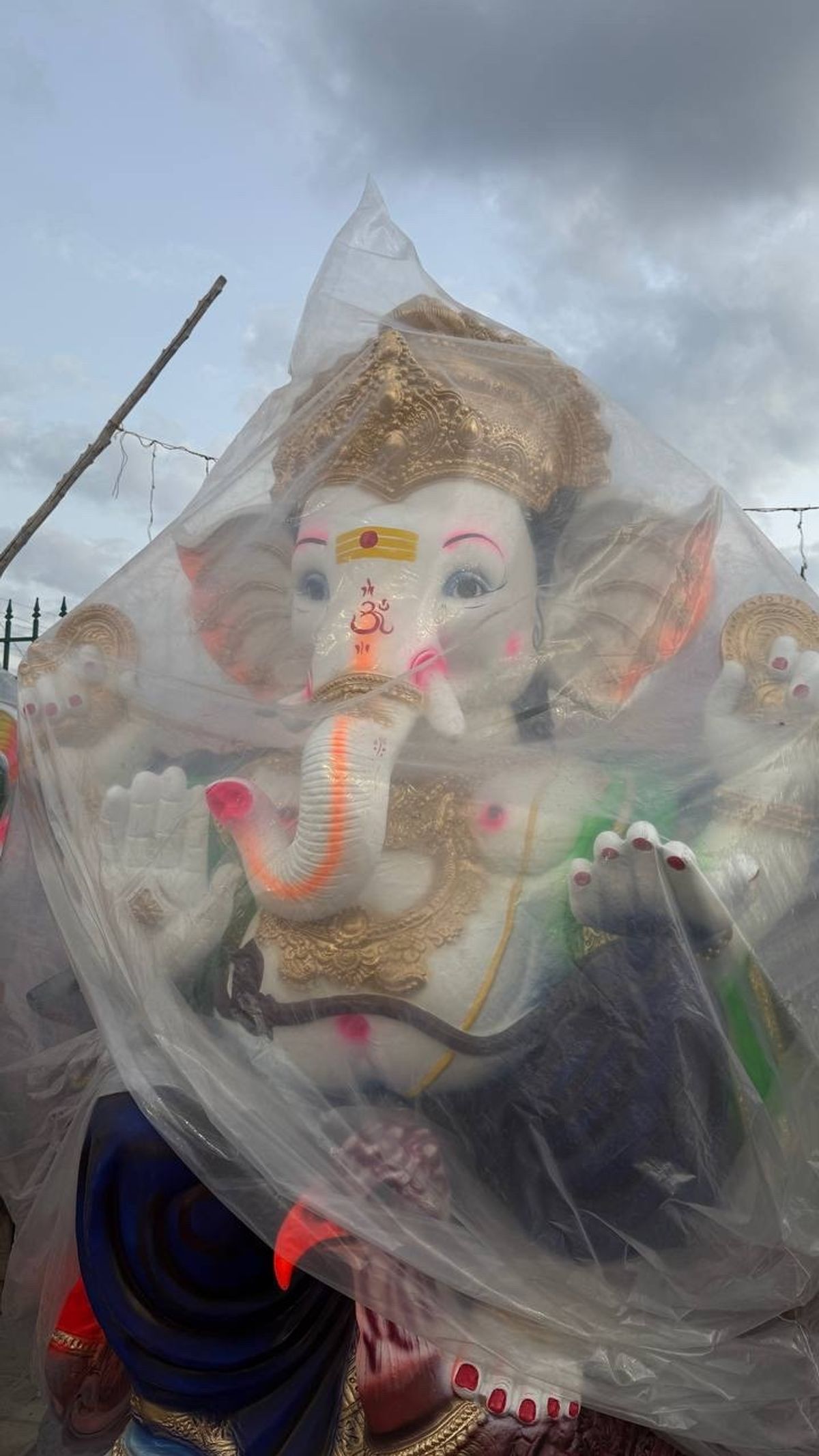
The climax of the festival is the visarjan ritual. Statues are carried in procession to the shore and immersed in water. This farewell to the deity symbolises the cycle of birth and death: Ganesh returns to his abode to come again next year.
In Mumbai, on Chowpatty Beach, more than 150,000 statues are submerged. At that moment, everyone usually shouts: “Ganpati Bappa Morya! Pudhchya varshi lavkar ya!” — “Glory to Ganesh! Come again next year!”
Where to Go During the Festival
Mumbai. Chowpatty Beach is the heart of the immersion celebrations, and nearby is the famous Lalbaugcha Raja pandal. Arrive a couple of days before the final day: at the climax, crowds become enormous, transport grinds to a halt, and queues to see famous statues stretch for kilometres. Two days before the finale, you can still walk around calmly, take photos without the crush, and feel the festival’s atmosphere, not just its peak.
Pune. Here, the atmosphere is lively and historical, with the Dagdusheth Halwai and Kasba Ganpati temples. Bring a bicycle, as streets are closed to cars. In Pune, the festival feels more traditional and family‑oriented than in Mumbai — less spectacle, more prayer and family gatherings.
Hyderabad. During the visarjan ritual, a giant Ganesh statue, 18–20 metres tall, is lowered into Hussain Sagar Lake with a crane. It’s a sight you won’t forget: the huge Ganesh slowly disappears into the water as thousands of people cheer along the embankment.
Goa. The local form of celebrating Ganesh’s birthday is called Chavoth. Unlike Mumbai, here the festival lives not in the streets, but in homes: families gather in their native coastal villages and decorate the statues with matoli — canopies made of forest herbs, seasonal fruits, and flowers. These are authentic traditions, away from tourist routes.
Recommendations
- Arrive in Mumbai at least 2 days before the final immersion day. On the last day, the city comes to a standstill because of processions and road closures, and queues at popular pandals can last several hours. Book accommodation early: prices rise sharply in the final days.
- Be sure to try steamed and fried modaks. They’re not just a sweet treat — they’re part of the festival itself. Made from rice flour with coconut and palm sugar filling, each region has its own recipe.
- Feel free to visit the pandals — they’re open to everyone. But take off your shoes and be respectful: this isn’t a tourist attraction, but a living religious celebration.
For more useful tips, check the India GO app!
In India, they say: before you begin, call on Ganesh, and he will remove the obstacles and open the way. May this festival be a good sign for you that the time for something new has come — whether it’s a big journey or a small step towards a dream.
Happy Ganesh Chaturthi! May all your plans find their path, and may every new venture bring joy.