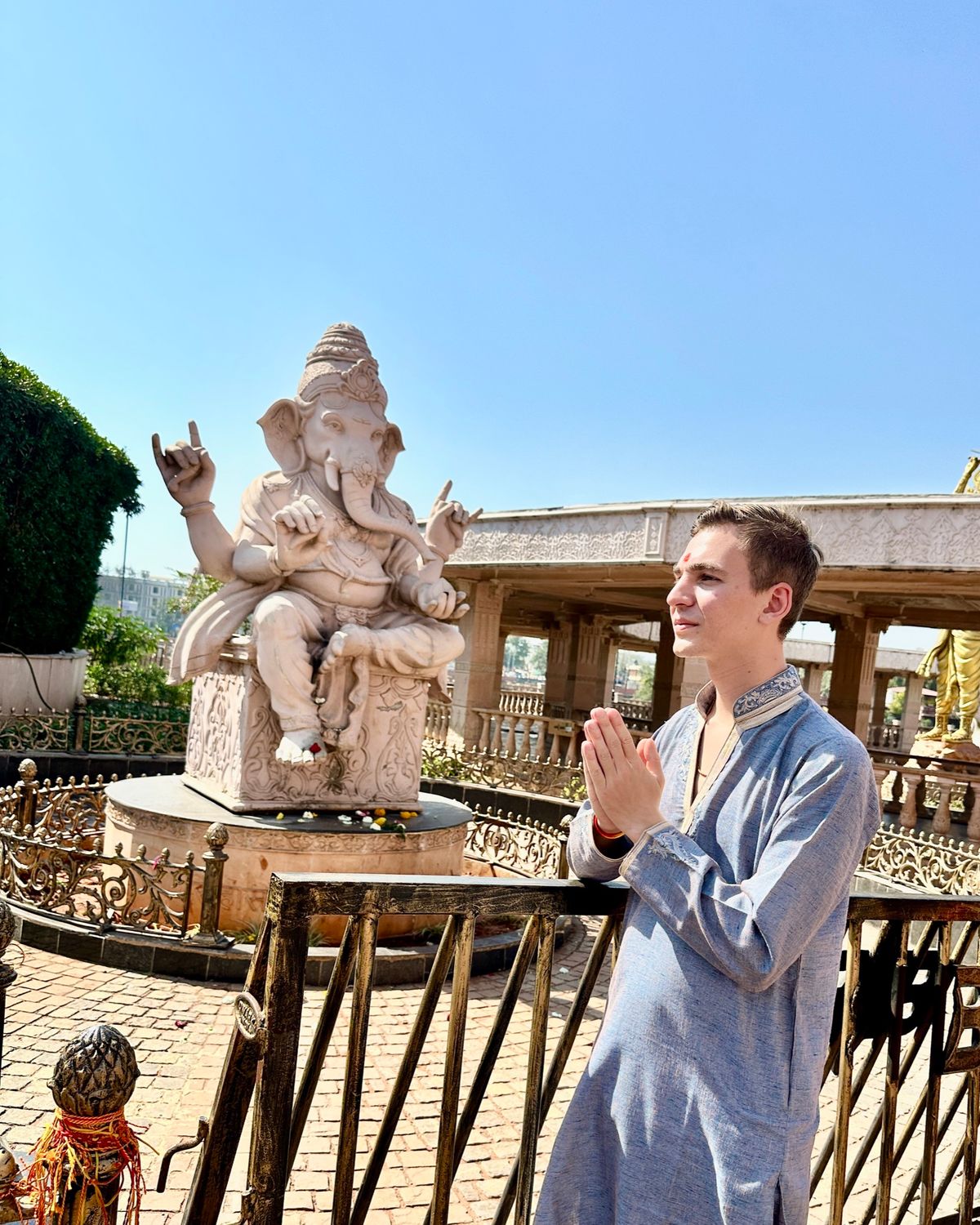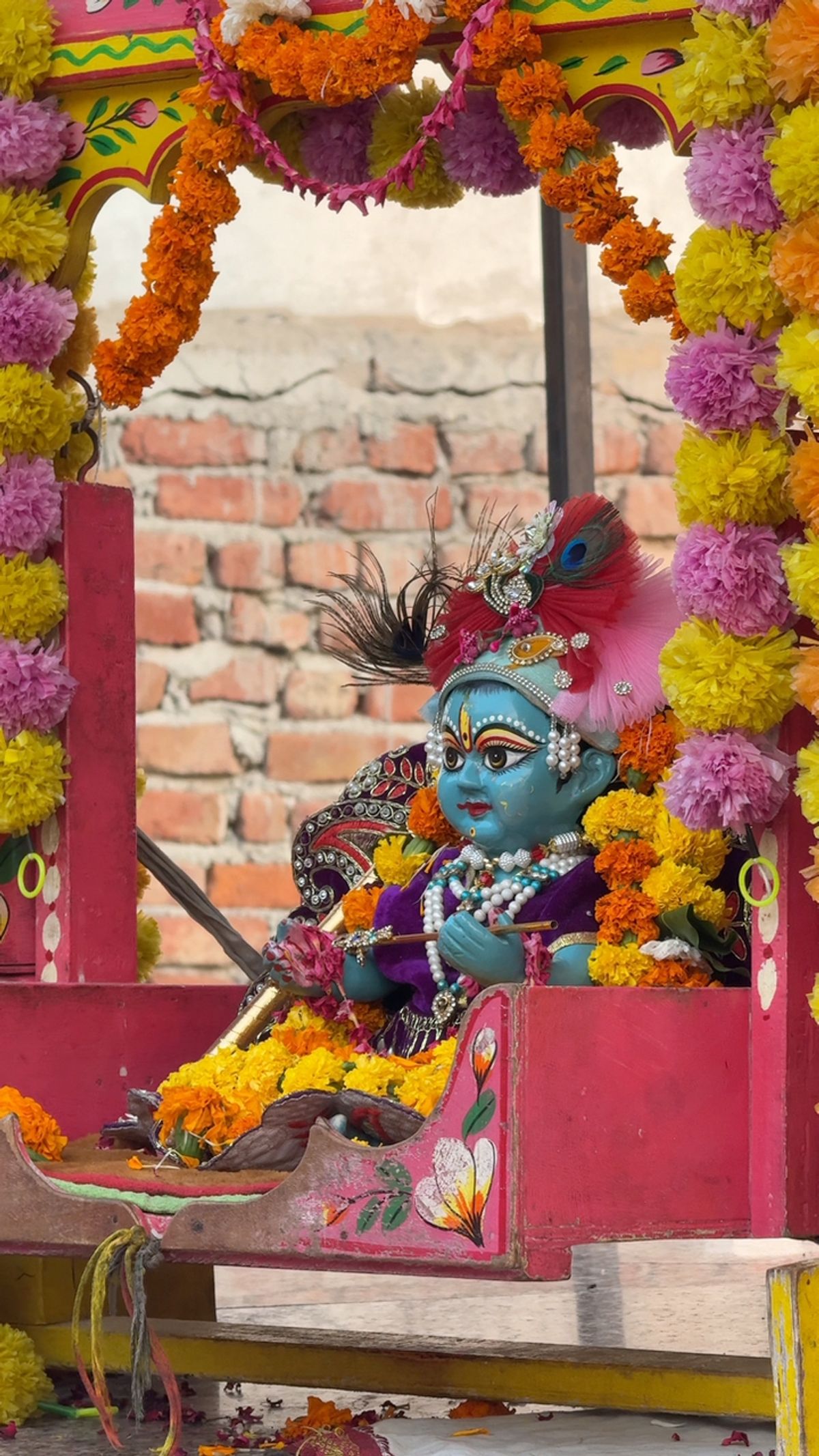
In India, hospitality is not just politeness; it is part of the worldview. Its essence is captured by the ancient Sanskrit phrase Atithi Devo Bhava, which means “The guest is a god.”
What the Phrase Means
The words reveal the very idea of how to treat a guest:
- Atithi means a guest, especially an unexpected one.
- Devo means a god or deity.
- Bhava means to be, to become, to relate.
So, the meaning is: treat a guest as a god. This maxim comes from the Taittiriya Upanishad, one of the ancient texts of the Vedic tradition. In India, people believe that every guest is a messenger of the higher power, so they welcome them with an open heart and deep respect.
How a Guest Is Welcomed
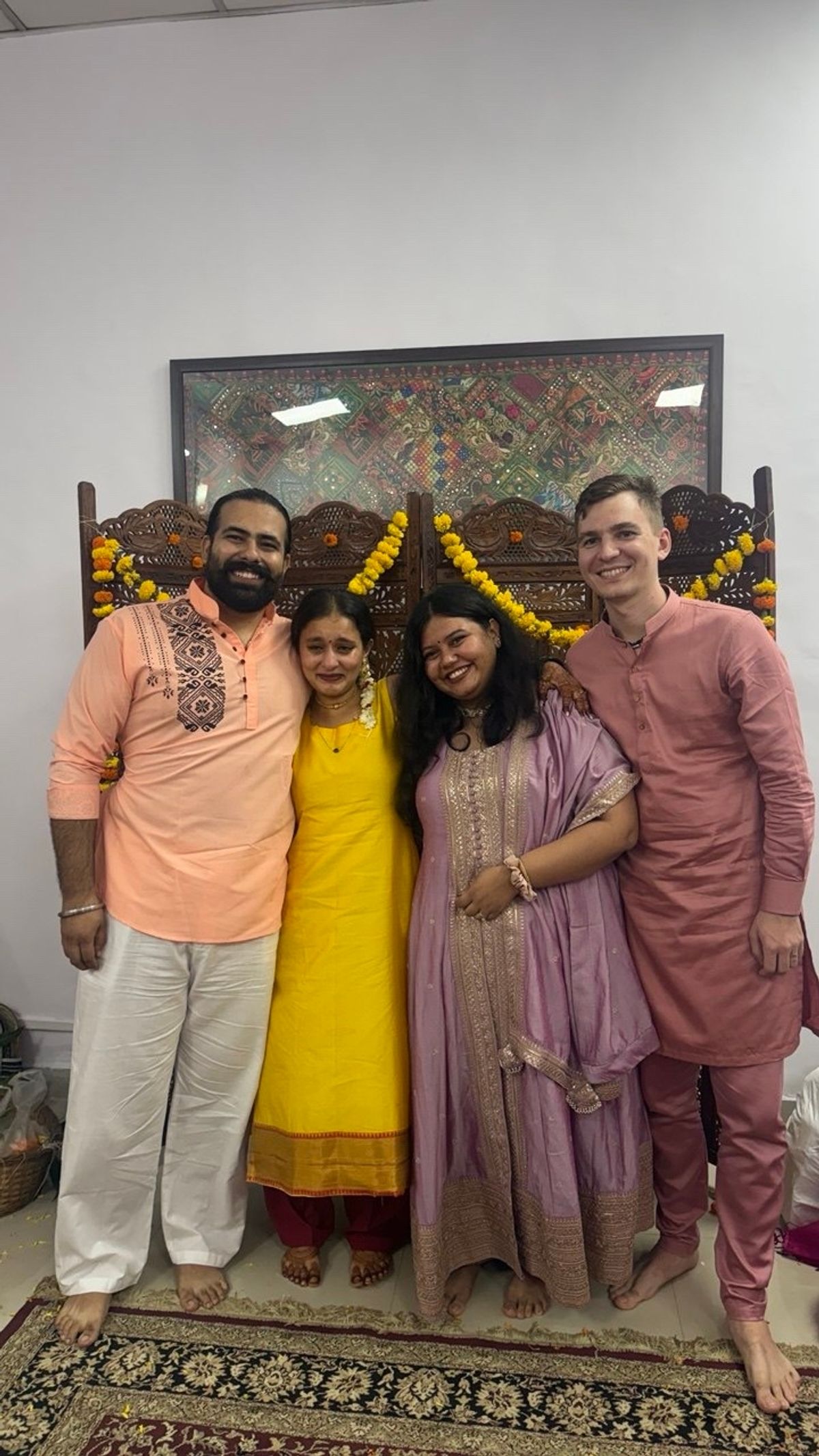
A meeting in an Indian home starts with a warm and sincere gesture. The guest is greeted with a smile and the hands are folded in the namaskar gesture. Often, they give the guest a garland of flowers and put a tilak mark on the forehead as a sign of blessing and honor.
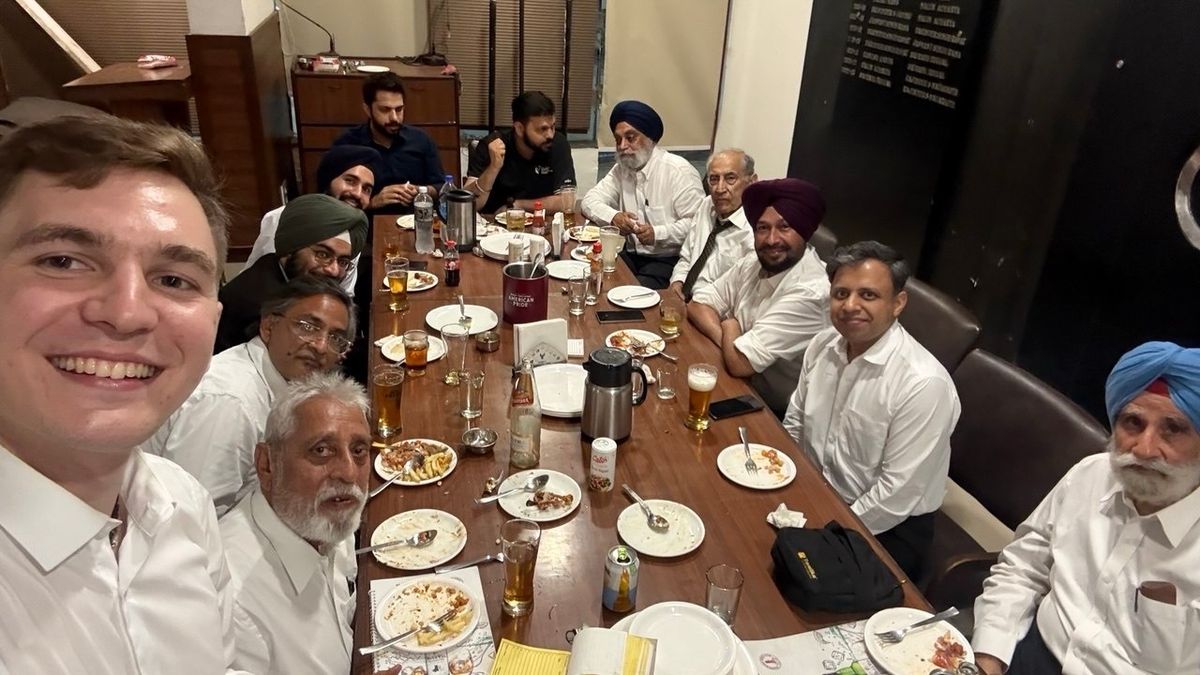
For Indians, feeding a guest is a sacred duty. Even in the most modest family, they will try to set the table as if they were expecting the most important person. They offer the guest the best seat, tea, various dishes, rest, and genuine attention. Food here is the language of care and love. That is why people in India say “Sharing is caring”: sharing food means sharing your heart. Even if there is a language barrier, a shared meal helps people find common ground.
A Legend That Shows the Meaning of Hospitality
One of the most vivid examples of this attitude is the legend of Anasuya. This wise woman lived in a forest hut and was famous for her virtue. One day, three travelers came to her; they were the gods Brahma, Vishnu, and Shiva, who wanted to test her.
Anasuya welcomed them with joy, washed their feet, and offered them water and food. Her hospitality was so pure and sincere that the gods revealed their true forms and gave her a blessing. This story became a symbol of how ordinary hospitality can turn into a sacred act.
Rules for a Guest: How to Behave in an Indian Home
If you are visiting someone in India, it is good to remember a few traditions:
- Bring a small gift. A box of sweets, some fruit, or a souvenir from your country will be a nice sign of attention and gratitude.
- Take off your shoes at the doorstep. In Indian culture, the home is a clean and sacred space.
- Do not refuse food. In India, offering food is a way to show care. Even if you are not very hungry, try at least a little and be sure to compliment the dish; this is the best way to thank the hosts.
- Eat with your right hand. By tradition, the left hand is considered impure, so people use the right hand for eating.
- Show respect to elders. In India, it is common to express respect by touching the feet of older family members. Foreign guests are not expected to do this, but it can be a special sign of respect if you sincerely want to.
- Be ready for persistent hospitality. The hosts will offer you more food, make tea, and try to persuade you to stay overnight. All of this is not just a formality; it is a sincere wish to make you feel like the most valued guest.
Why This Philosophy Matters Today
In a world where everything is measured by speed and efficiency, Atithi Devo Bhava reminds us of simple yet profound things: humanity, the ability to accept without conditions, and to care without calculation. This tradition teaches us to see the divine in the ordinary in a welcoming smile, in a cup of tea, in a plate of food served from the heart.