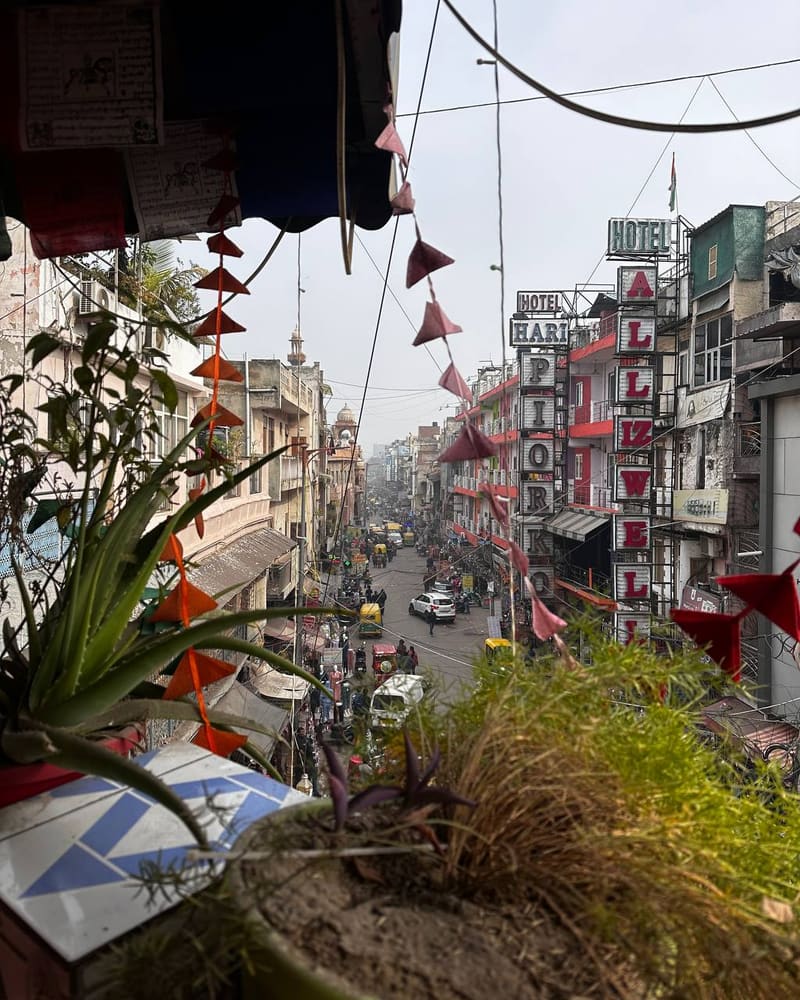
When India gained independence, its financial system developed around cities that already existed: Mumbai became the business hub, Bangalore the tech center, and Delhi the capital. That seemed like enough.
But by the early 2000s, it became clear that a large share of Indian companies’ international financial operations weren’t happening in India at all. They were happening in Singapore, Dubai, or London. The reason was simple: those places had special legal regimes, business‑friendly regulation, and infrastructure built for the global market.
India decided to change that, and instead of retrofitting its megacities, it built a new hub almost from scratch. That’s how GIFT City (Gujarat International Finance Tec‑City) came to be. The project was announced in 2007, with construction starting on a plot of land between Ahmedabad and Gandhinagar in the state of Gujarat.
Gujarat’s role and political backing
Gujarat is one of India’s most industrially developed states, strong in manufacturing, petrochemicals, pharmaceuticals, and international trade. At the time, the state’s chief minister was Narendra Modi, who actively pushed infrastructure projects. He saw large‑scale construction as a tool for economic growth and consistently invested in the region’s transport and business infrastructure.
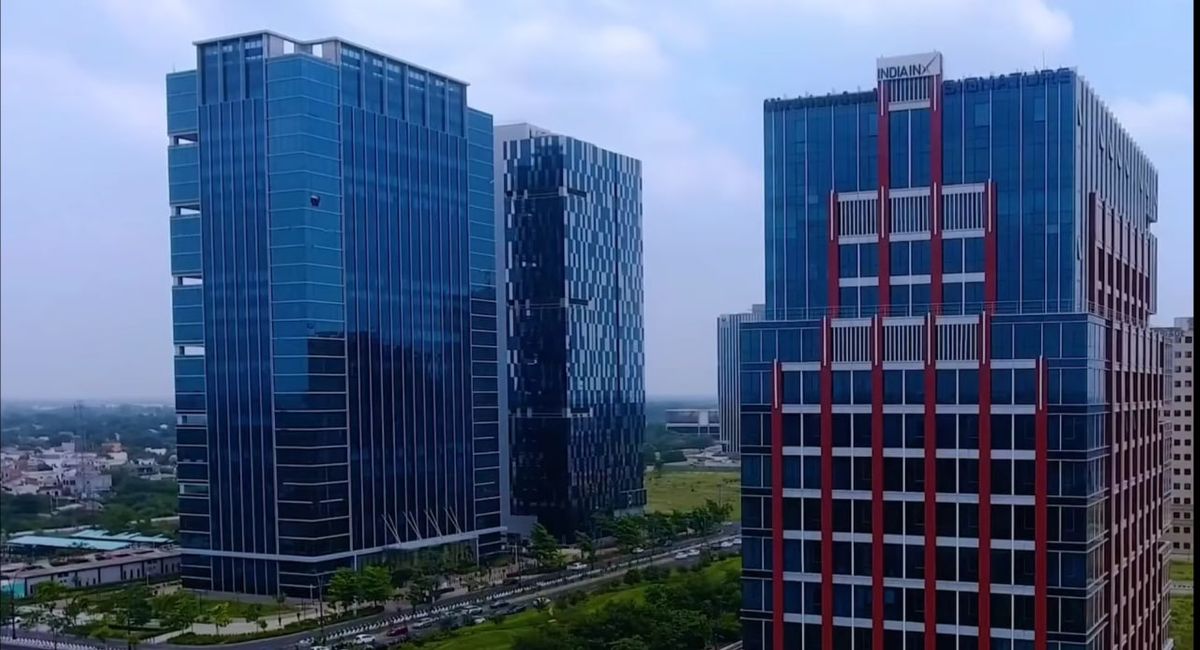
Later, as Prime Minister, Narendra Modi kept backing GIFT City as a project of national importance. That helped cement its status as a strategic priority and secured steady political support at the highest level — support that proved essential for attracting international investors.
What GIFT City actually is: concept and focus
GIFT City isn’t a new city in the usual sense. It’s a purpose‑built international financial district on open land, designed for one specific goal: letting global banks, funds, insurers, and fintech companies operate by international standards without moving their operations outside India.
GIFT City is home to India’s first International Financial Services Centre (IFSC). It runs under a special regulatory regime that allows international financial transactions to take place within the country.
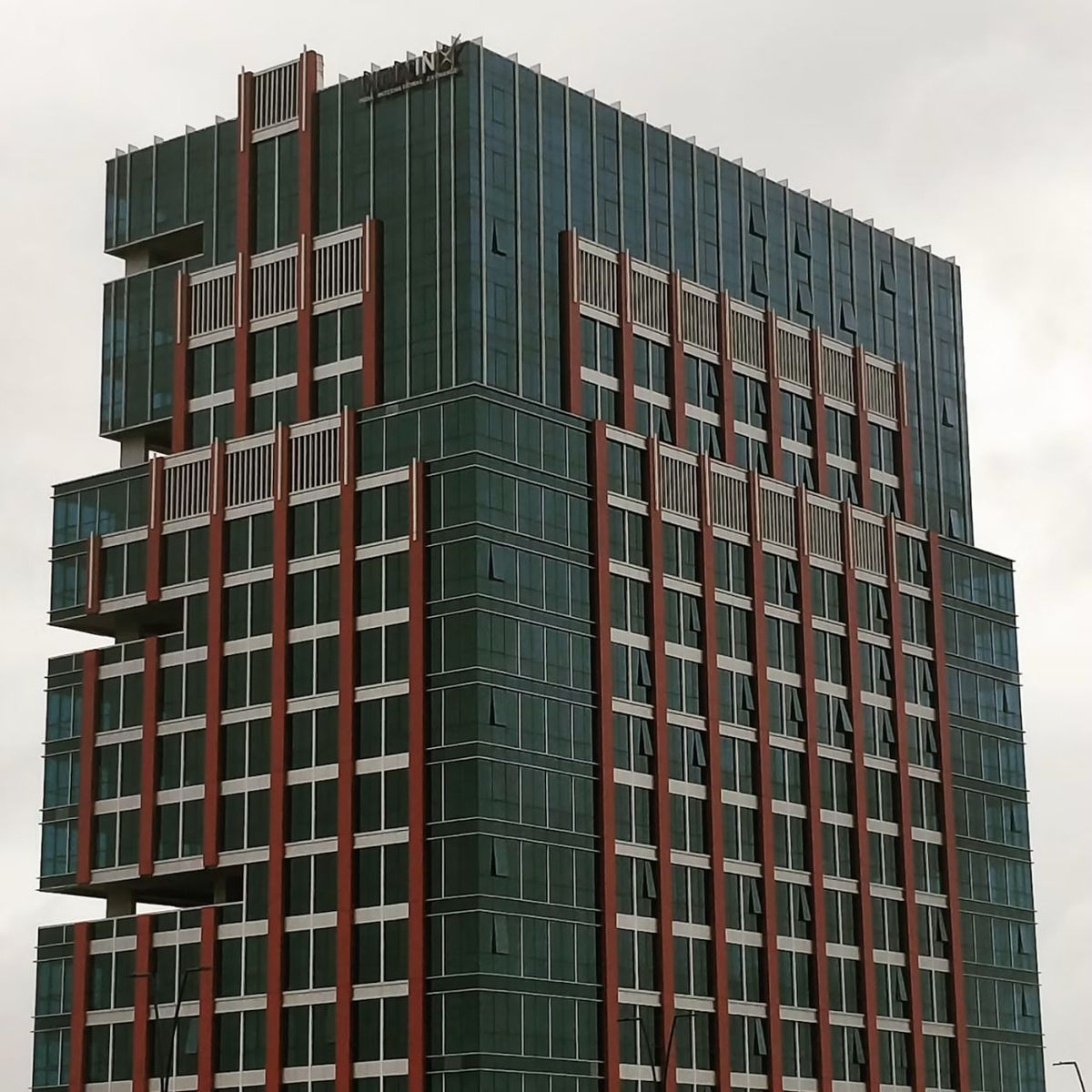
Unlike most special economic zones, which are built around manufacturing, GIFT City specializes in exporting financial services. It hosts
- banks and investment funds;
- insurance companies and exchanges;
- fintech businesses;
- asset management firms;
- international ship leasing companies.
Infrastructure got special attention too: underground utility networks, centralized cooling, smart service management, digital networks, and a “walk‑to‑work” principle, meaning housing, offices, and public spaces all sit within walking distance of each other. That approach cuts commuting costs and boosts efficiency, making the district livable for employees, not just workable for companies.
Current scale and key numbers
The numbers show the project is gaining real momentum:
- banking assets in GIFT City have topped $110 billion (a 7× increase in 5 years);
- assets under management by funds exceed $32 billion;
- more than 1,150 companies are registered under the IFSC;
- monthly trading volume on GIFT City’s exchanges has surpassed $100 billion.
These figures point to more than just growth in size. They show the hub solidifying its position as a genuine international financial center.
Tax terms: incentives for business
GIFT City offers some of the most attractive tax terms in the world:
- 0 % corporate tax for up to 10 years out of the first 15 years of operation (for new companies meeting certain conditions). Starting in 2026, this benefit can be spread over a period of up to 20 years, giving companies more flexibility in planning cash flow and making long‑term projects more profitable.
- 0 % GST (Goods and Services Tax, India’s equivalent of VAT) on services within the IFSC: certain services exchanged between companies registered in the international financial center aren’t subject to GST. That lowers the cost of B2B services and strengthens residents’ competitiveness on the global market.
These incentives create a unique ecosystem where businesses can scale with minimal fiscal friction.
Strategic goal: bringing finance back to India
India wants to reclaim the finance and big business that used to flow through Singapore, Dubai, and London — everything from aircraft leasing and fund management to metals trading and derivatives. That’s exactly why GIFT City exists.
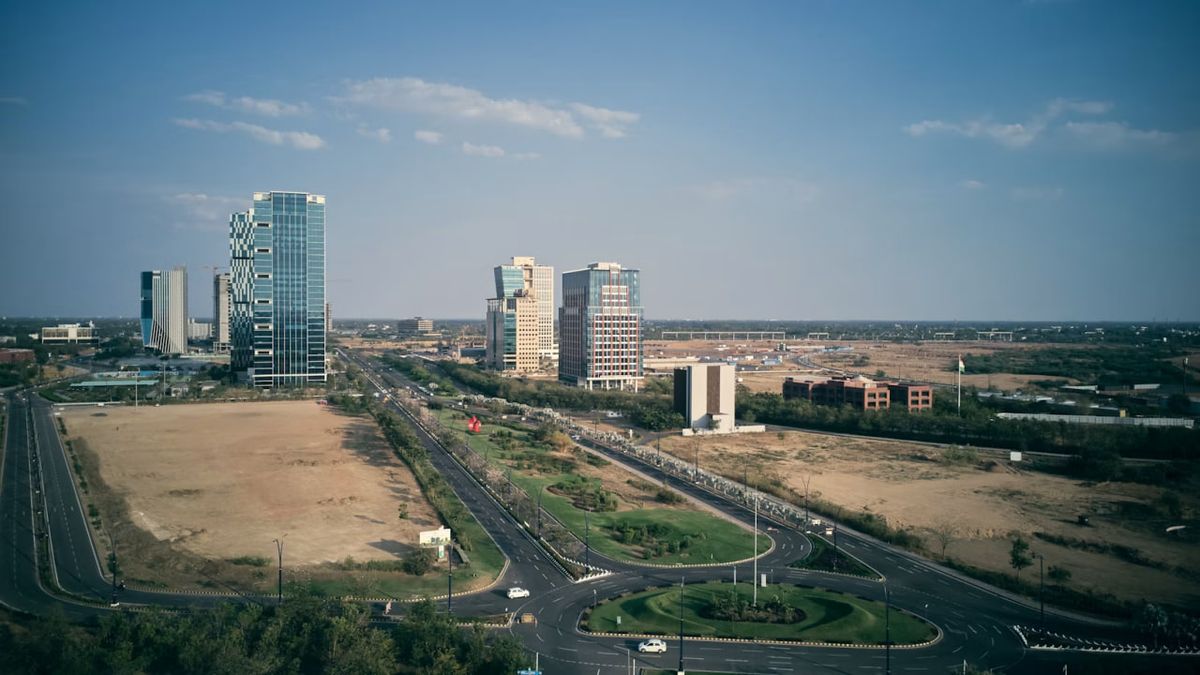
Right now, the project sits at roughly the same stage Dubai’s financial center (DIFC) once did: the capital and the laws are already in place, while the city itself is still growing. If you visit today, you won’t find an “Indian Manhattan.” What you’ll find is a handful of striking skyscrapers surrounded by construction sites and empty lots. But this is exactly the stage where the foundation for future financial power gets laid: rules take shape, processes get built, and the first major players start moving in.
GIFT City’s future: expansion plans and urban development
The biggest changes are still ahead:
- the area will triple in size, expanding from roughly 1,000 to over 3,300 acres;
- the district will shift from an office park into a full‑fledged city: until now, only business centers and roads were built here, leaving the streets short on everyday life;
- a new phase begins: residential housing, schools, hospitals, restaurants, shopping centers, and hotels are all coming.
This marks a shift from a “city to work in” to a “city to live in.” Building out social infrastructure will make GIFT City appealing not just to companies, but to professionals who want to live comfortably close to where they work.
Down the line, GIFT City is meant to become a living, comfortable supercity of global scale. It’s not just a financial hub; it’s a complete ecosystem that brings together cutting‑edge regulatory practices, favorable tax policy, and thoughtful urban design. The project reflects India’s ambition to claim its rightful place in the global financial system, becoming a genuine center of capital in its own right rather than a waypoint on the way to money leaving the country.