On August 15, India celebrates Independence Day, the day in 1947 when the country finally broke free from colonial rule. This date is more than a mark on the calendar. It's a chance to look back at a long, complex, and at times tragic journey, to remember what India was before colonialism, and to understand the price freedom came at.
A Great Legacy: India Before the Colonial Era
Before the colonizers arrived, India was one of the most powerful and prosperous economies in the world. In 1700, its share of the global economy stood at a staggering 27%, more than all of Europe combined. The country wasn't just wealthy: it was a manufacturing powerhouse, exporting goods of the highest quality across the world.
Indian textiles were especially renowned: by the mid-18th century, India accounted for 25% of global textile trade. Production centers were spread across the subcontinent: coastal Andhra specialized in block printing, while Gujarat and Bengal produced exquisite premium fabrics. Demand for these goods was global, and the textile industry pulled other sectors along with it, forming stable international trade networks.
Indian shipbuilding was equally impressive. In the early 17th century, the Bengal merchant fleet numbered nearly 5,000 vessels, each capable of carrying up to 500 tons of cargo. Indian ships were remarkably durable too, with an average service life of over 20 years, far longer than English ships of the time.
India was also a pioneer in metallurgy: as early as the 6th century CE, it produced the famous wootz steel (Damascus steel), highly prized across Asia and Europe. Works by Indian craftsmen, from jewelry to weapons, were not just functional but true works of art, serving as marks of high status.
In other words, pre-colonial India was no passive "oriental land." It was an active center of global economy, culture, and technology.
The Price of Colonialism: Dismantling Greatness
The shift from this power to poverty wasn't a natural decline. It was the result of deliberate policy. Once the British secured their grip on the subcontinent, their main goal wasn't developing India, it was exploiting it.
The first step was destroying local industries. The British established a monopoly on the textile trade, cut off export markets, and imposed high tariffs that made Indian exports economically unviable. To crush competition once and for all, colonial authorities didn't stop at direct destruction: soldiers smashed weaving looms, and in some cases even maimed weavers so they could never practice their craft again.
As a result, India went from being a producer of finished goods to a supplier of raw materials, cotton, ore, and the like, only to buy back the same products from Britain at inflated prices. By 1947, the share of the population employed in manufacturing had fallen to a mere 0.7%.
Tax policy was just as devastating. Peasants were burdened with crushing taxes, from 50 to 80% of their income, calculated even before the harvest was in. If a peasant couldn't pay, his land was seized. This led to mass landlessness, poverty, and ultimately catastrophic famines. Historians estimate that around 35 million people died of starvation during British rule.
Even projects like railway construction served not India's development but profit extraction: railways were built expensively and inefficiently, with all losses covered by Indian taxpayers. Their main purpose was to make it easier to export resources and grain, which only deepened the famines.
Modern economists estimate that the British drained wealth from India equivalent to roughly $43 trillion. These aren't just numbers, they represent lost opportunities, destroyed crafts, and generations forced to abandon their skills.
Heroes Who Fought for Freedom
Against this heavy backdrop, the figures of freedom fighters shine especially bright, reminding the people of their dignity and their right to be free.
Mahatma Gandhi became the central inspiration of India's independence movement: he made nonviolence (satyagraha) the foundation of resistance, launched mass actions like the Salt March, united diverse groups across society, and drew global attention to the cause of freedom. All of this played a major role in India achieving independence in 1947.
Rani Lakshmibai of Jhansi is one of the great heroines of the 1857 uprising. After her husband's death, the British attempted to annex the princely state of Jhansi, refusing to recognize her adopted son's right to the throne. Rani refused to submit: she organized the city's defense and personally led the army. The image of the queen riding into battle on horseback became a symbol of resistance and female courage. Lakshmibai died in combat, but her name remains forever etched in Indian history as an example of unbreakable will.
Subhas Chandra Bose, known as Netaji, "the respected leader," chose the path of armed struggle. He believed that decisive action was needed to free India and became one of the leaders of the Indian National Army. In 1943, Bose proclaimed the Provisional Government of Free India and called on his countrymen to continue the fight for independence. His strategy differed from Gandhi's path of nonviolence, but the goal remained the same: a free India.
Bhagat Singh became a symbol of the young generation of freedom fighters. He was a revolutionary, a writer, and a committed advocate for social justice. Singh opposed colonial oppression and believed that independence should bring not just political freedom but equality for ordinary people. Even facing a death sentence, he never renounced his beliefs. Bhagat Singh was executed in 1931 at just 23 years old, and after his death became a national hero.
Their methods and views differed, but all of them shared the belief that India had the right to determine its own future. Their courage inspired millions and helped keep the idea of freedom alive even in the darkest times.
Symbols of Sovereignty: The Flag as the Language of Freedom
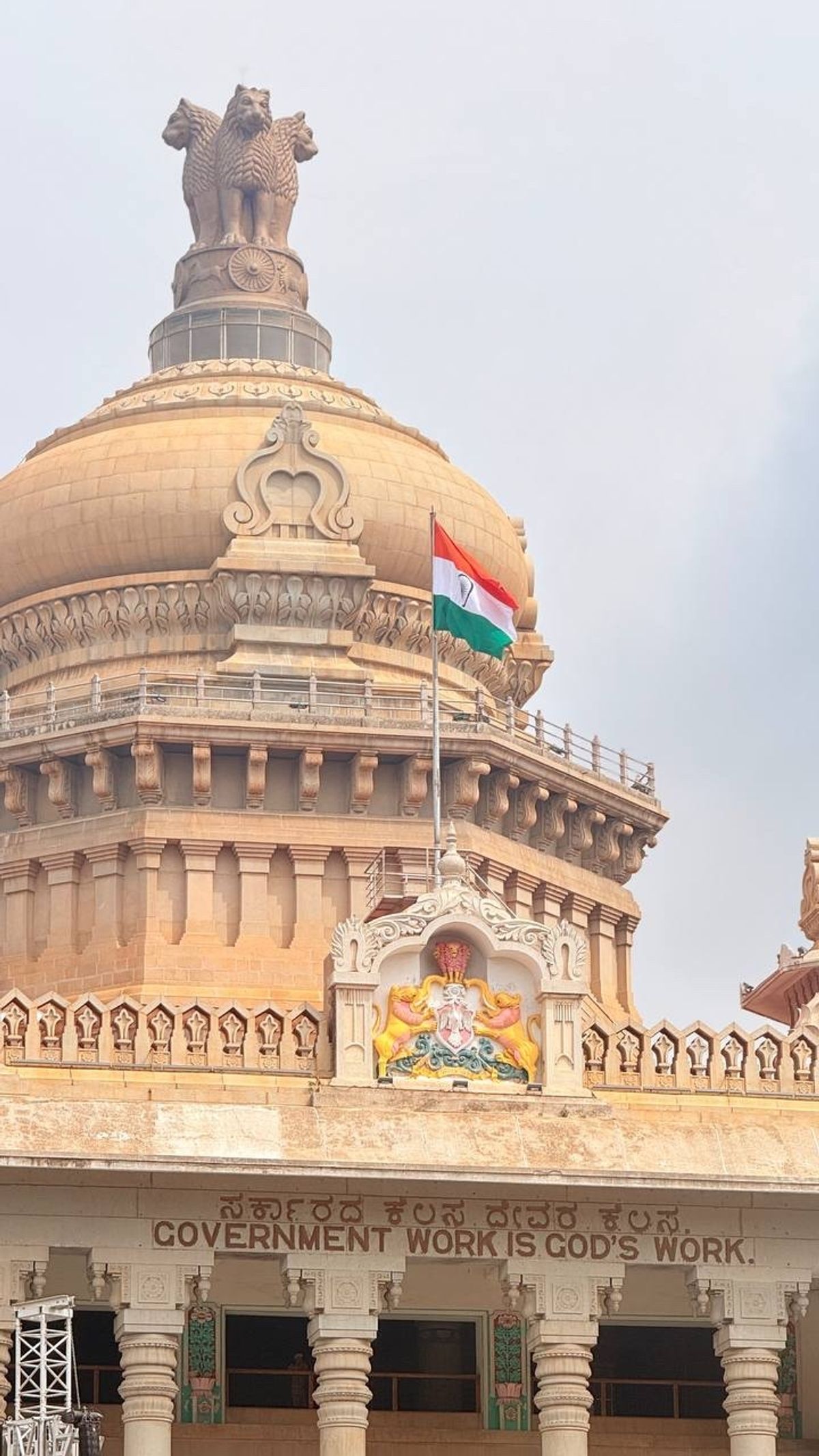
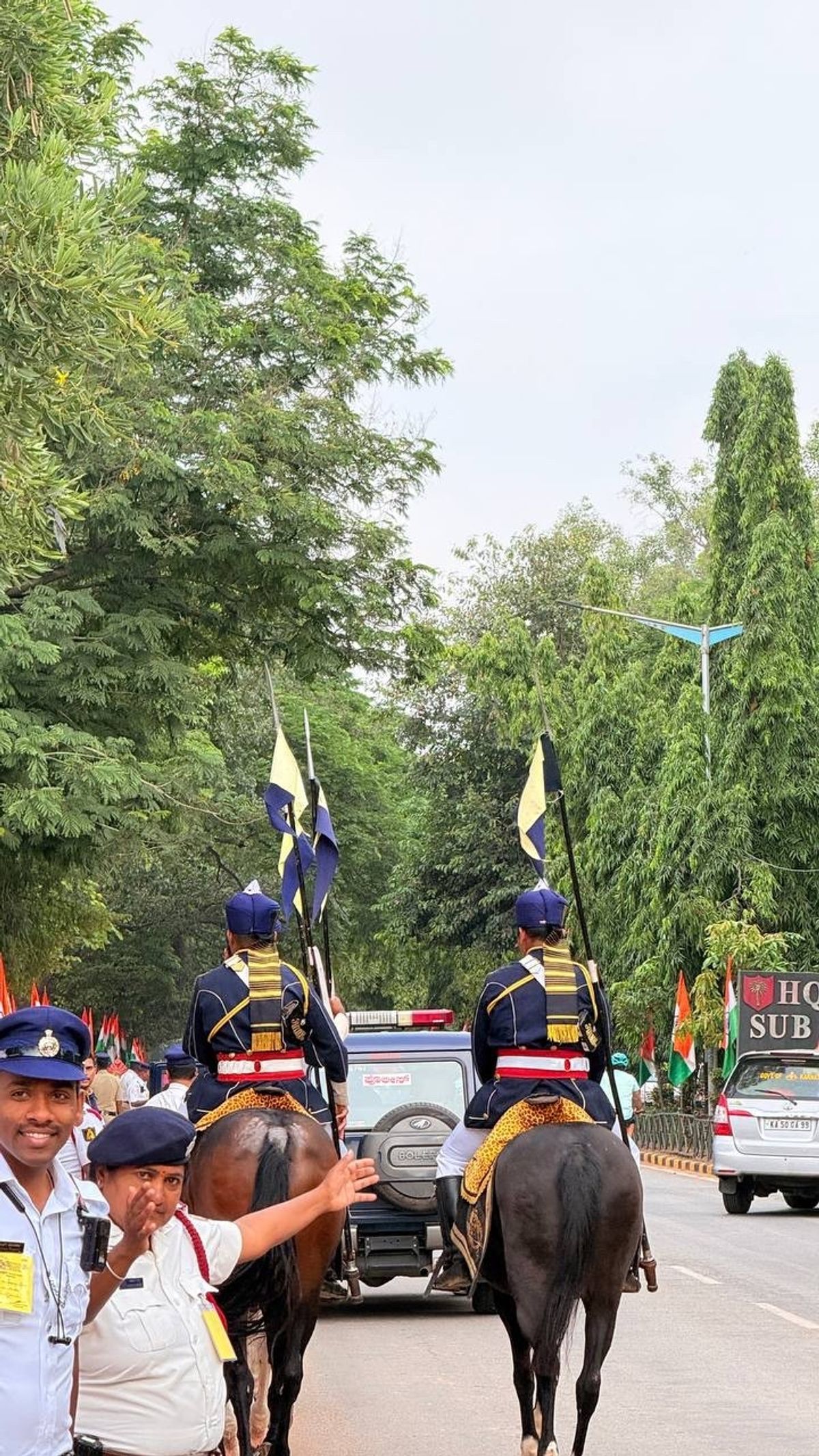
Today, one of the main symbols of independence is India's national flag, the tricolor, which encodes the very philosophy of the new nation. Its colors are deeply symbolic:
Saffron (top band) represents courage and sacrifice. It's the color of fire and austerity, the color of those unafraid to give everything for freedom. It directly echoes the memory of fighters like Bhagat Singh and Rani Lakshmibai: their courage became the foundation of independence.
White (middle band) represents peace and truth. It reflects the aspiration for justice, for a society free of oppression. Against the backdrop of colonial history, white carries the sound of a promise: no more violence built on the profit of some at the expense of others.
Green (bottom band) represents faith, fertility, and prosperity. It's the hope that land, plundered so many times, will once again feed its own people.
At the center of the flag sits a dark blue wheel with 24 spokes, the Ashoka Chakra. Taken from the Lion Capital at Sarnath, it refers to Emperor Ashoka's teaching on dharma, righteous rule. For modern India, it's more than an ancient symbol: it's a promise that power should serve the people, not drain them of their resources.
How Independence Day Is Celebrated Today
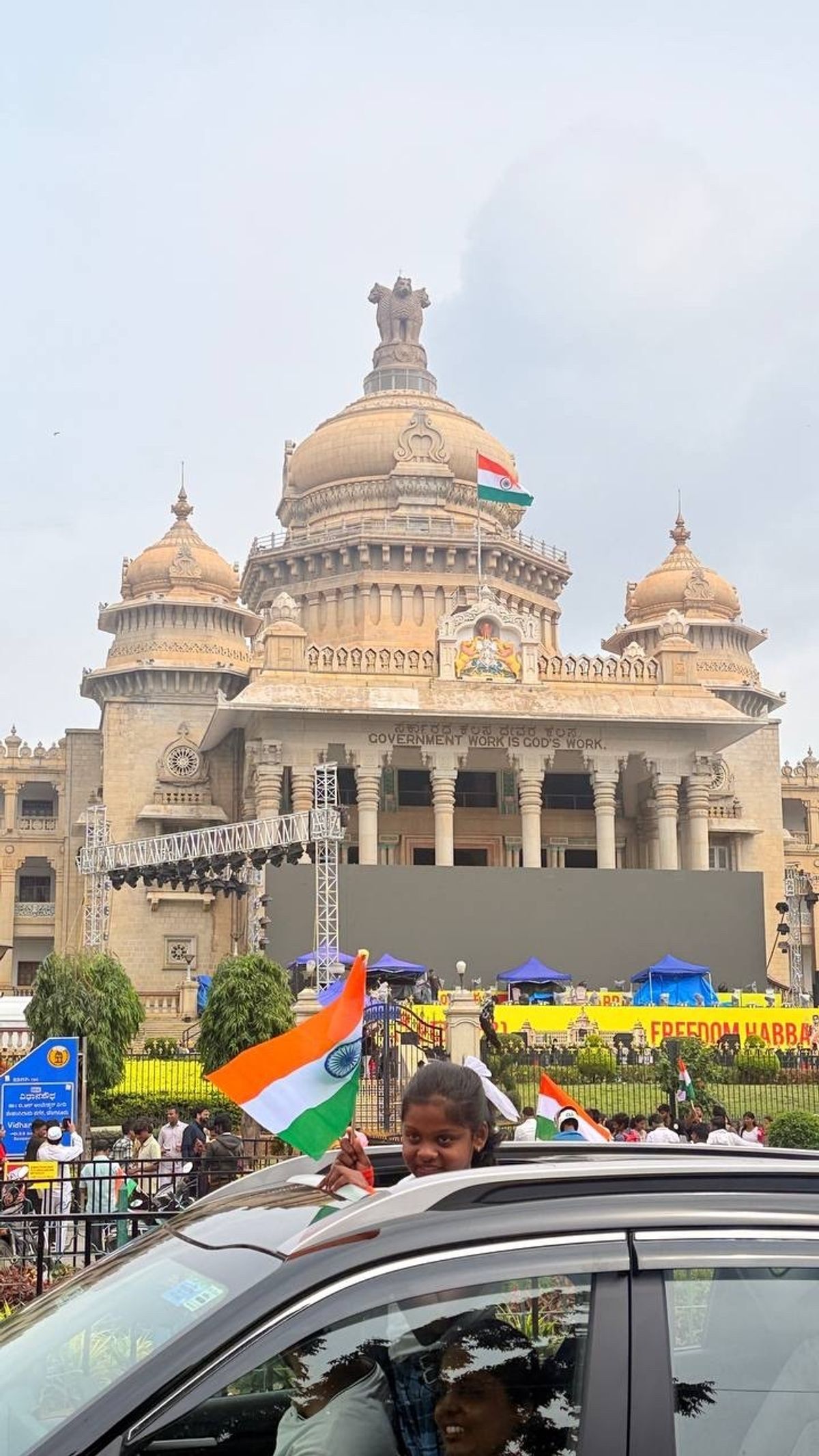
The celebration on August 15 is more than official ceremony, it's a living connection between generations. The main ritual takes place in Delhi: the Prime Minister raises the flag over the Red Fort, the very site that was once a symbol of Mughal power and is now a symbol of sovereign India. From the fort's ramparts comes an address to the nation, always recalling the heroes of the past, reflecting on the year gone by, and speaking of the future. The ceremony is broadcast across the country, watched by millions at home, in schools, in public squares.
Across India, flag-hoisting ceremonies take place that day in schools, colleges, and institutions. For children, it's not a mere formality: they prepare plays about the freedom struggle, sing patriotic songs, recite poems about the heroes. This is how memory becomes personal, and history becomes understood.
Another vivid tradition is kite flying. The sky above cities fills with colorful kites, many painted in the colors of the national flag. It's an image of freedom itself: lightness, flight, the sense that borders no longer hold you back. In some regions, this is accompanied by street performances, processions, and exhibitions showcasing the daily life and crafts of pre-colonial India, as if reclaiming what was lost.
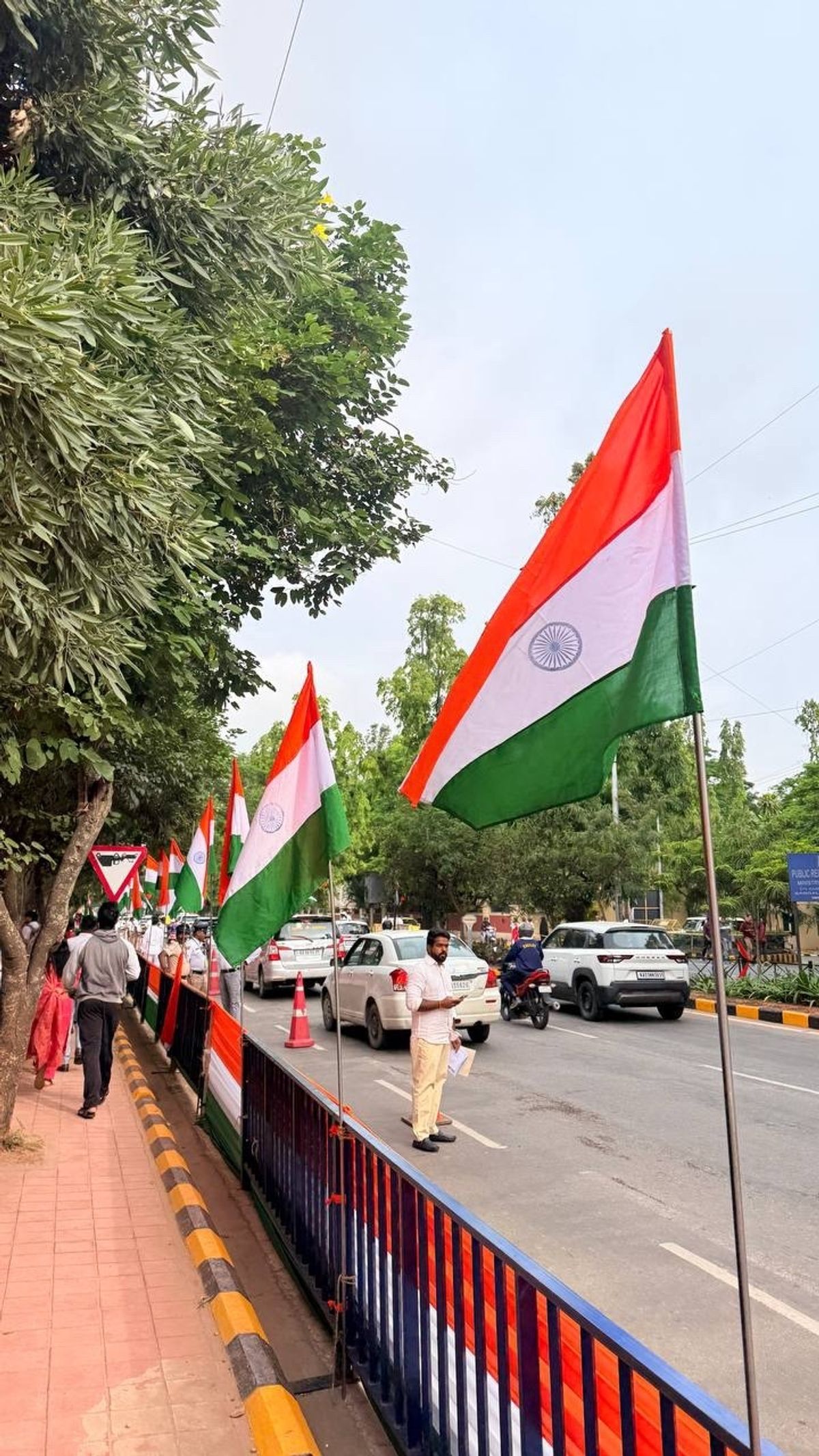
Decorations in tricolor hues, garlands, illuminations, and even dishes styled in the national colors all create a sense of unity. On this day, it's especially palpable that India is a mosaic of cultures, languages, and traditions, bound together by a shared destiny.
Independence as the Restoration of Dignity
Independence Day is a day to remember a great legacy, the sacrifices made, and the heroes who made them. It's a day to recall what India once was, what it was made into, and what it became through the courage and perseverance of its sons and daughters.
It's worth remembering: the absence of major famines after 1947, the growth of India's own industry, science, and technology, all of this is a direct consequence of resources and revenue finally staying in the country and working for its people.
The flag raised over the Red Fort, and the kites soaring in the sky, carry a promise: India will never again be a "goldmine" for foreign interests. It will build its future by standing on its past. May this memory inspire new achievements and serve as a reminder that a nation's true strength lies in its ability to preserve its identity, cultivate its talents, and build the future on the solid foundation of the past.