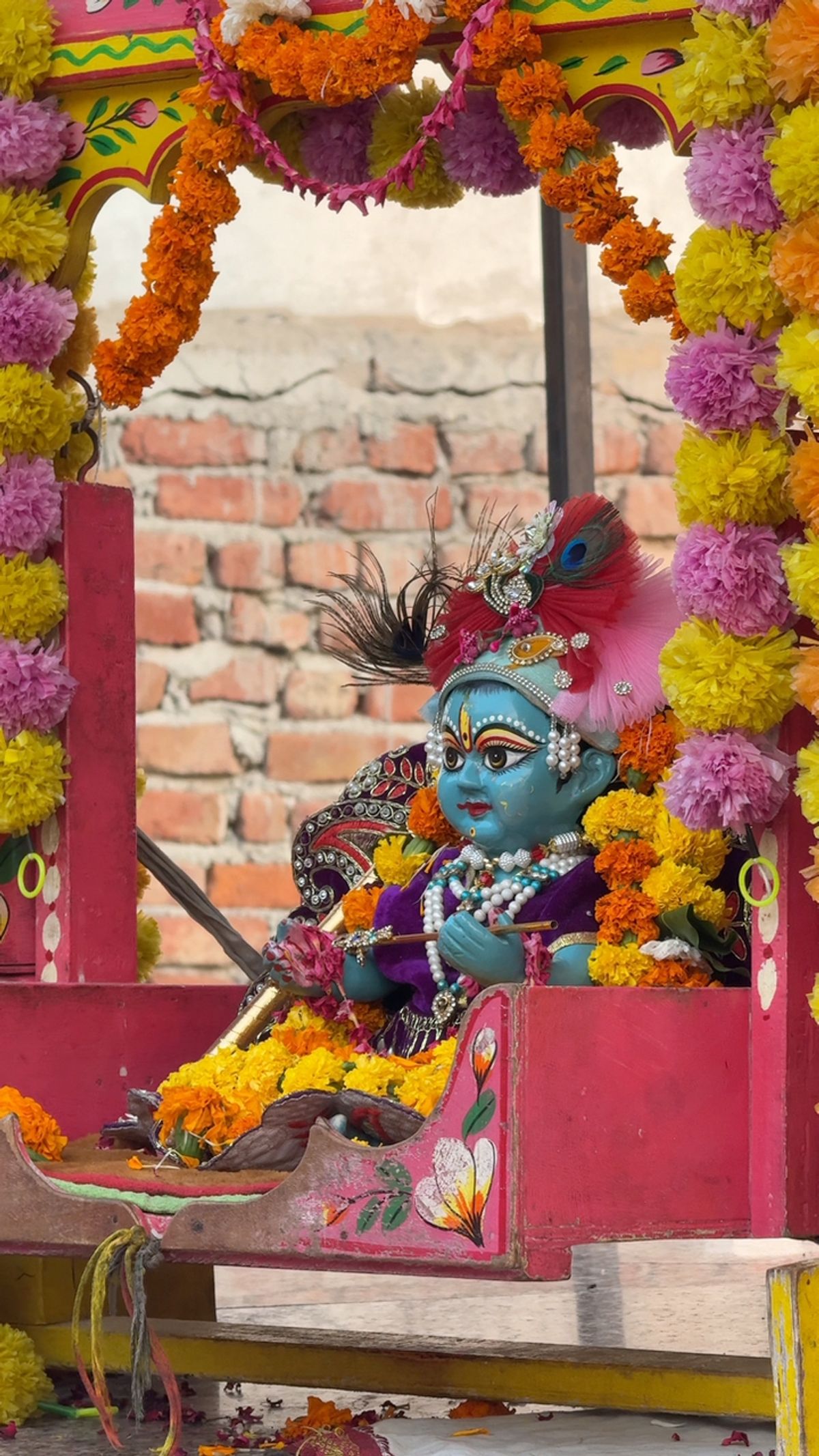
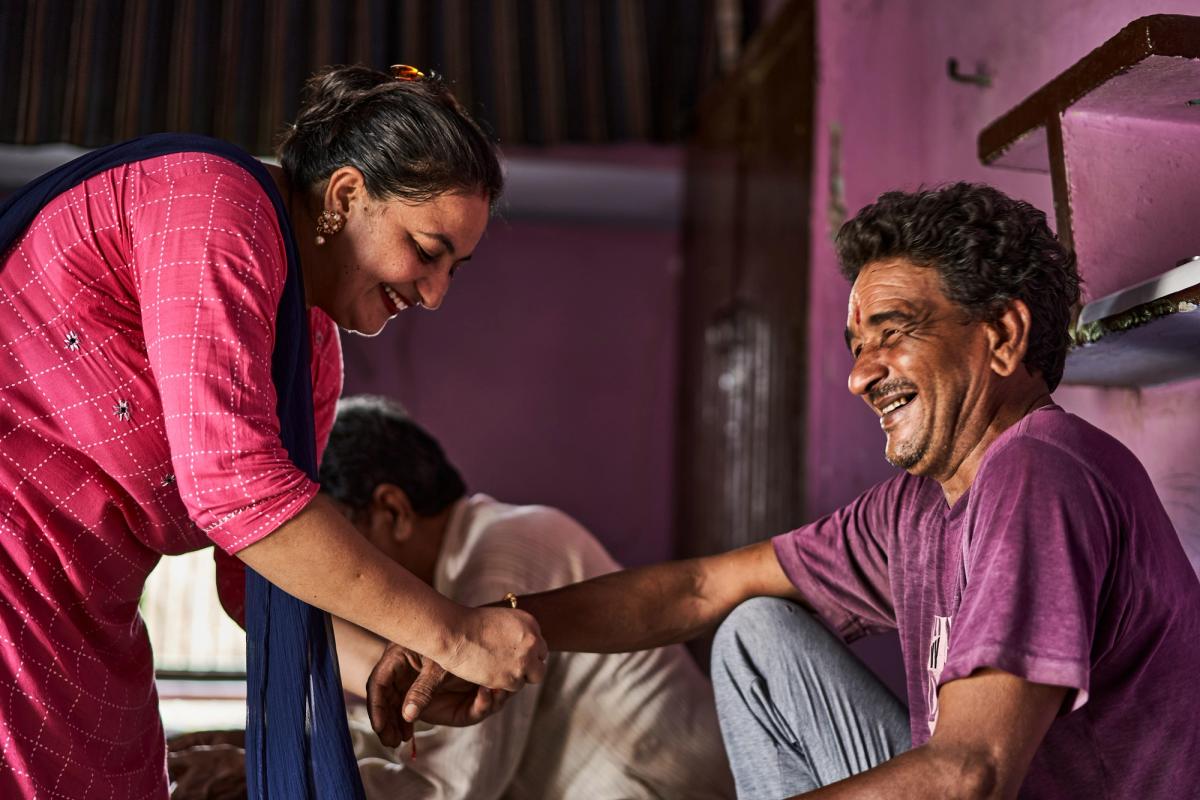
Most Indians wouldn’t be able to explain the origins of all their rituals, but what matters more is how these traditions are woven into the fabric of daily life — turning existence from a mere succession of days into a continuous stream of small sacred moments.
That’s why life in India feels so dense and rich with meaning: countless little ceremonies accompany the most ordinary event
In India, everyday rituals are a language of gestures that help build relationships and preserve the connection to tradition. For example, if someone accidentally touches another person with their foot, they touch the spot with their hand, then bring that hand to their forehead or heart — this is how they express an apology and acknowledge the other person’s value. It’s not just a formality; it’s a way to restore balance in the relationship.
A special place is held by the gesture of touching the feet of elders — charan sparsh. This is how people show reverence to parents, teachers, and respected individuals and seek their blessing. This gesture is especially important before major milestones: exams, weddings, or long journeys. It acts as an emotional anchor: the person feels the support of the community and the reassurance that they are not alone.
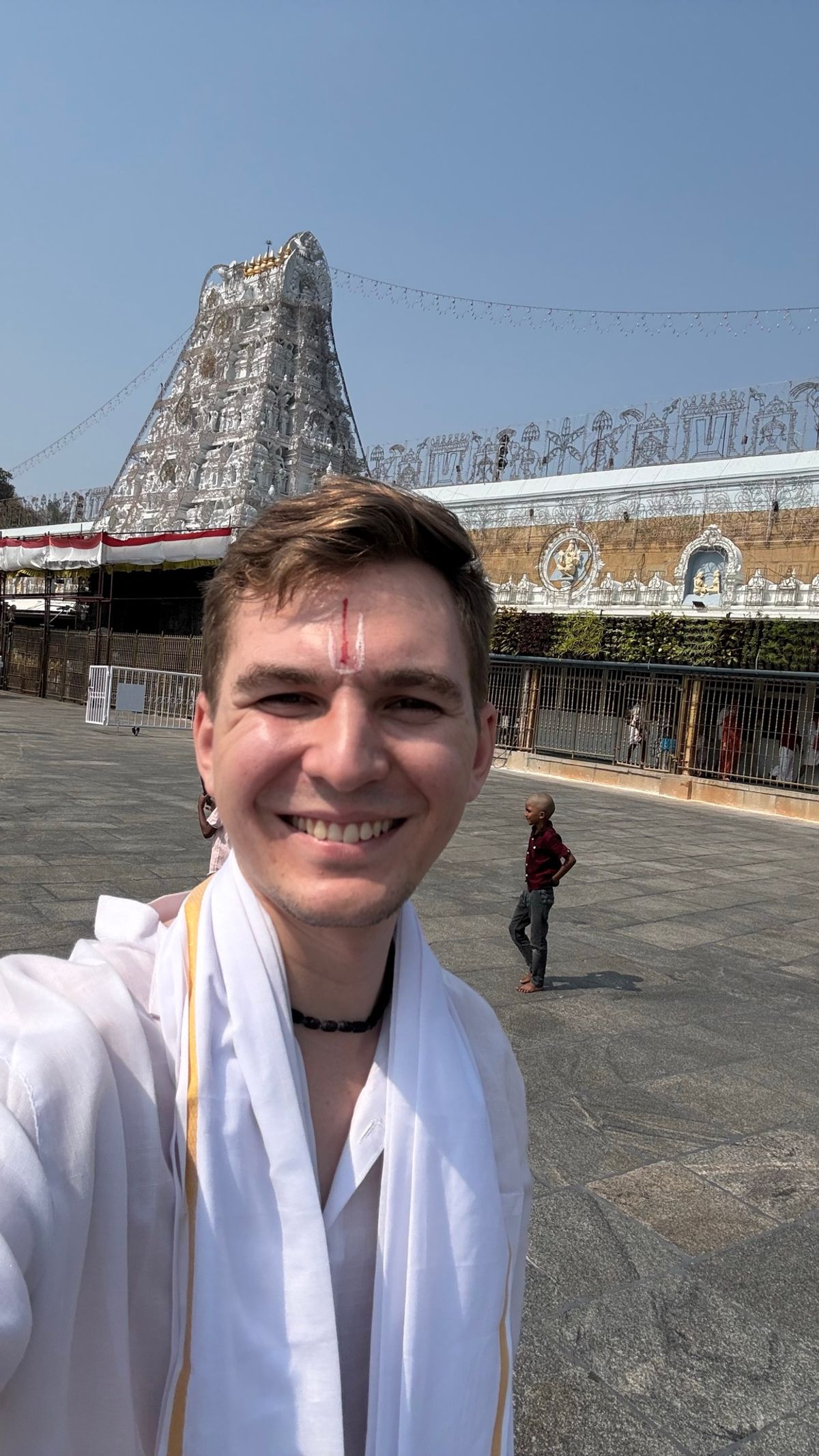
After visiting a temple, many people receive a tilak — a mark on the forehead that symbolises divine blessing and an inner readiness to do good deeds. Even this small detail becomes a marker of transition: a person leaves the temple different from how they entered, with the sense that the day has received a “blessed” start.
An Indian home is not just a place to rest; it’s a space where every day begins and ends with mindfulness. Right at the threshold, there’s a simple yet profound custom: taking off one’s shoes. This separates the “street” energy from the coziness and purity of the home.
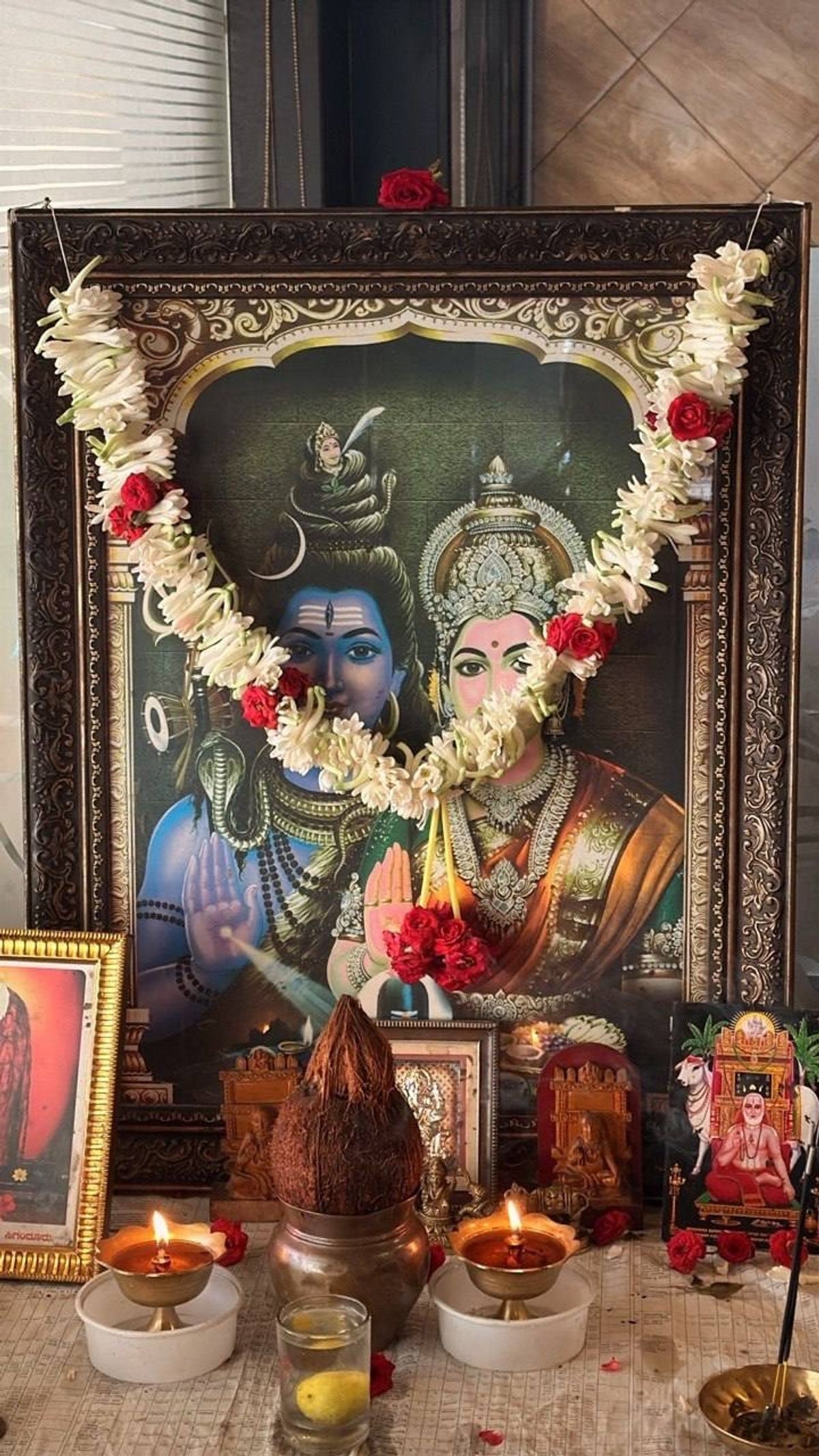
Almost every household has a small altar — a place where the family turns to their deities. The morning prayer and lighting of the lamp (diya) set the rhythm of the day: the light becomes a symbol of knowledge that dispels the darkness of ignorance. Often, incense is lit along with the lamp; its fragrance helps one focus and get ready for the day ahead.
Before entering the house, people draw kolam or rangoli — patterns made from rice flour, coloured powders, or flower petals. These serve as both decoration and an invitation for good fortune into the home, as well as a way to express creativity on a daily basis. Doors are decorated with garlands of mango leaves — they are considered a symbol of prosperity and protection.
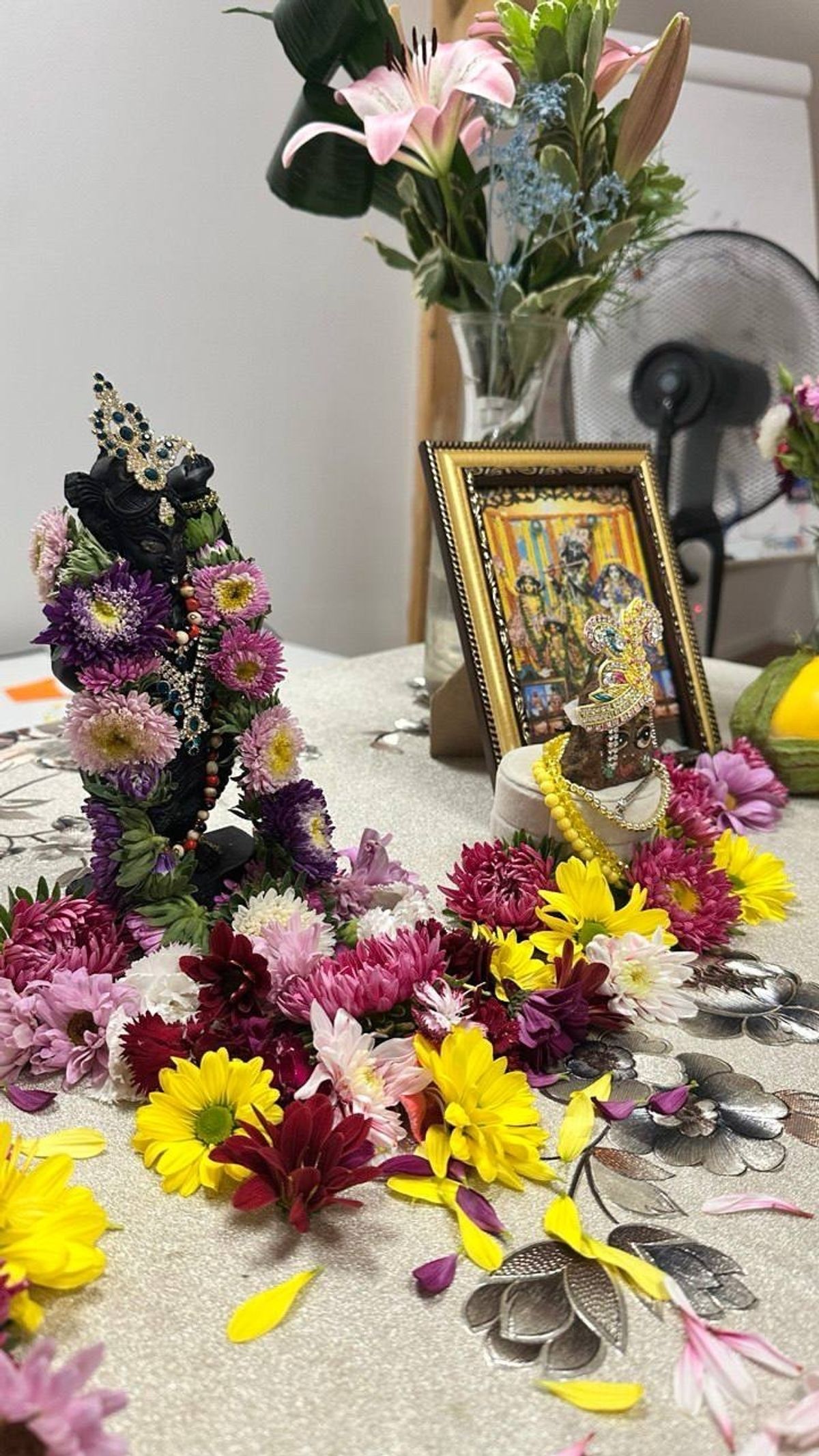
The evening aarti at home is another important ritual. To the sound of a bell and the glow of a lamp, family members express gratitude for the day they’ve lived. This is not only a religious act but also a family tradition that brings everyone together and helps them reflect on the day’s events.

These small ceremonies are not rushed; they carry depth. They don’t require much time, yet they create a sense of meaning. A ritual becomes a way to mark that this day and this moment are important — or even sacred. In India, even the simplest action can become a small way to celebrate life.