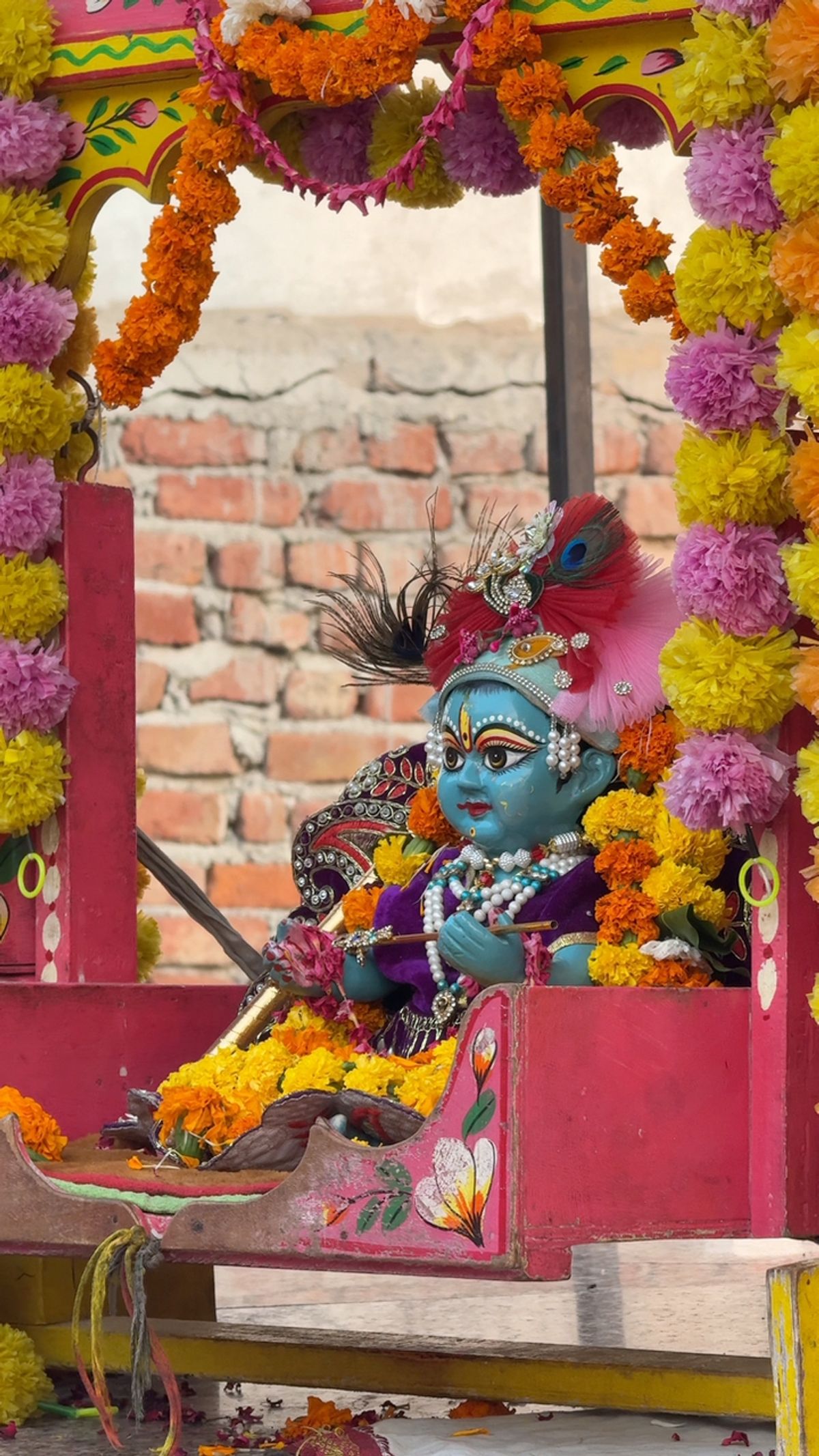
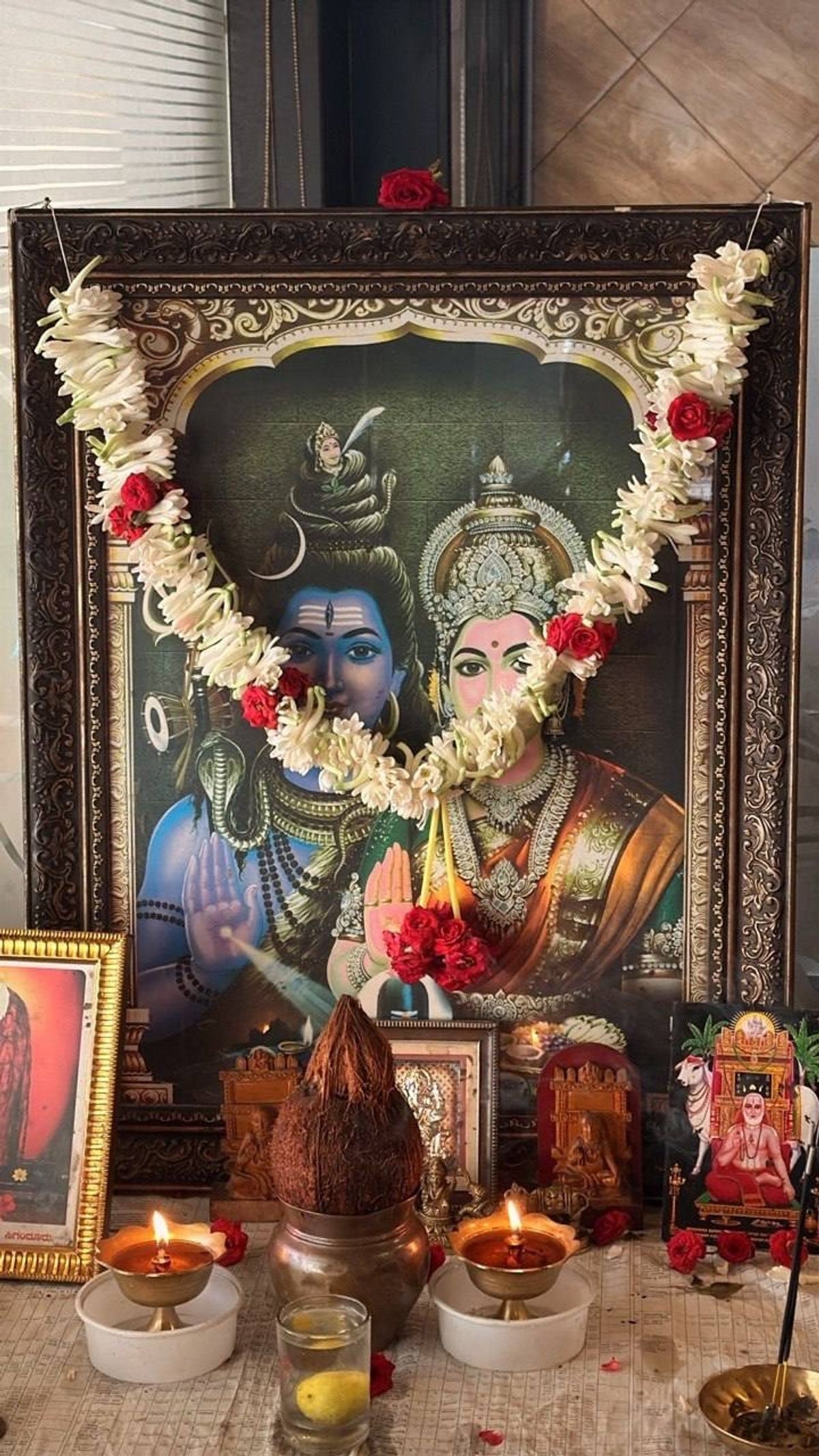
On August 28, India celebrates Raksha Bandhan — a festival without grand parades or loud festivities. Its strength lies in the quiet intimacy of family and a single, deeply meaningful ritual.
What the festival is all about
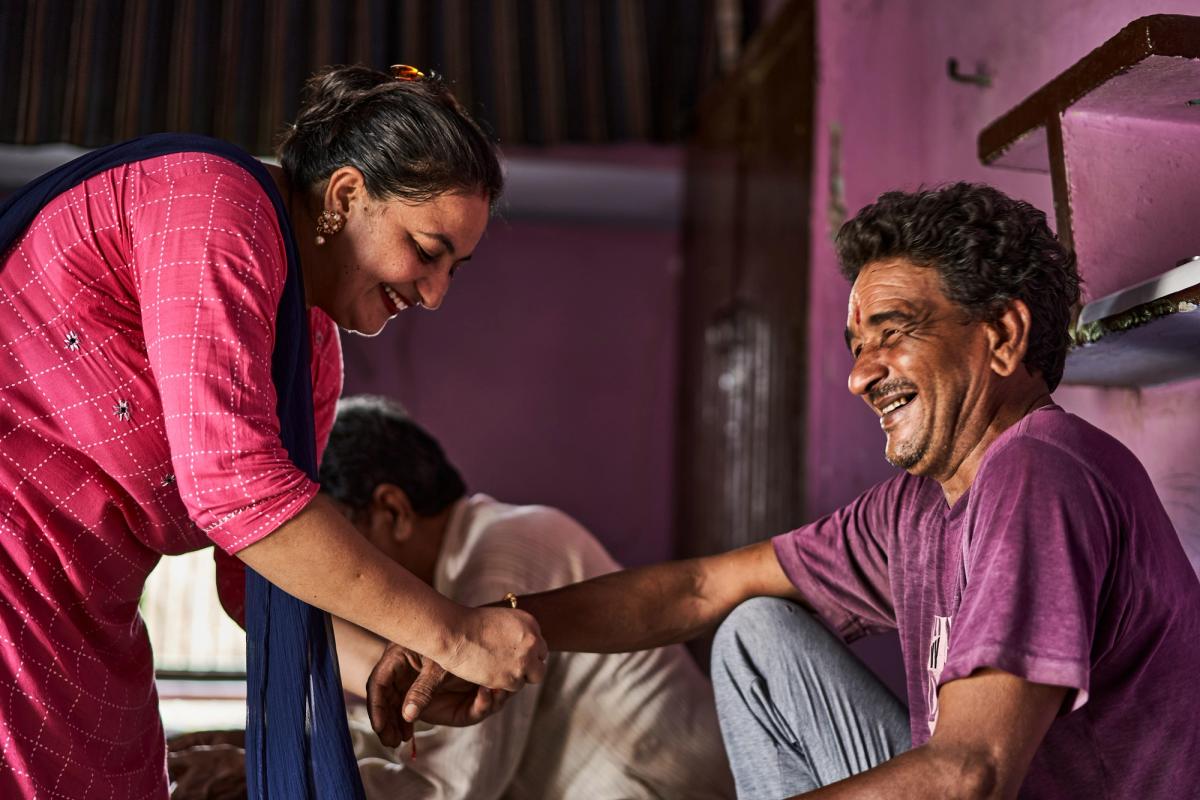
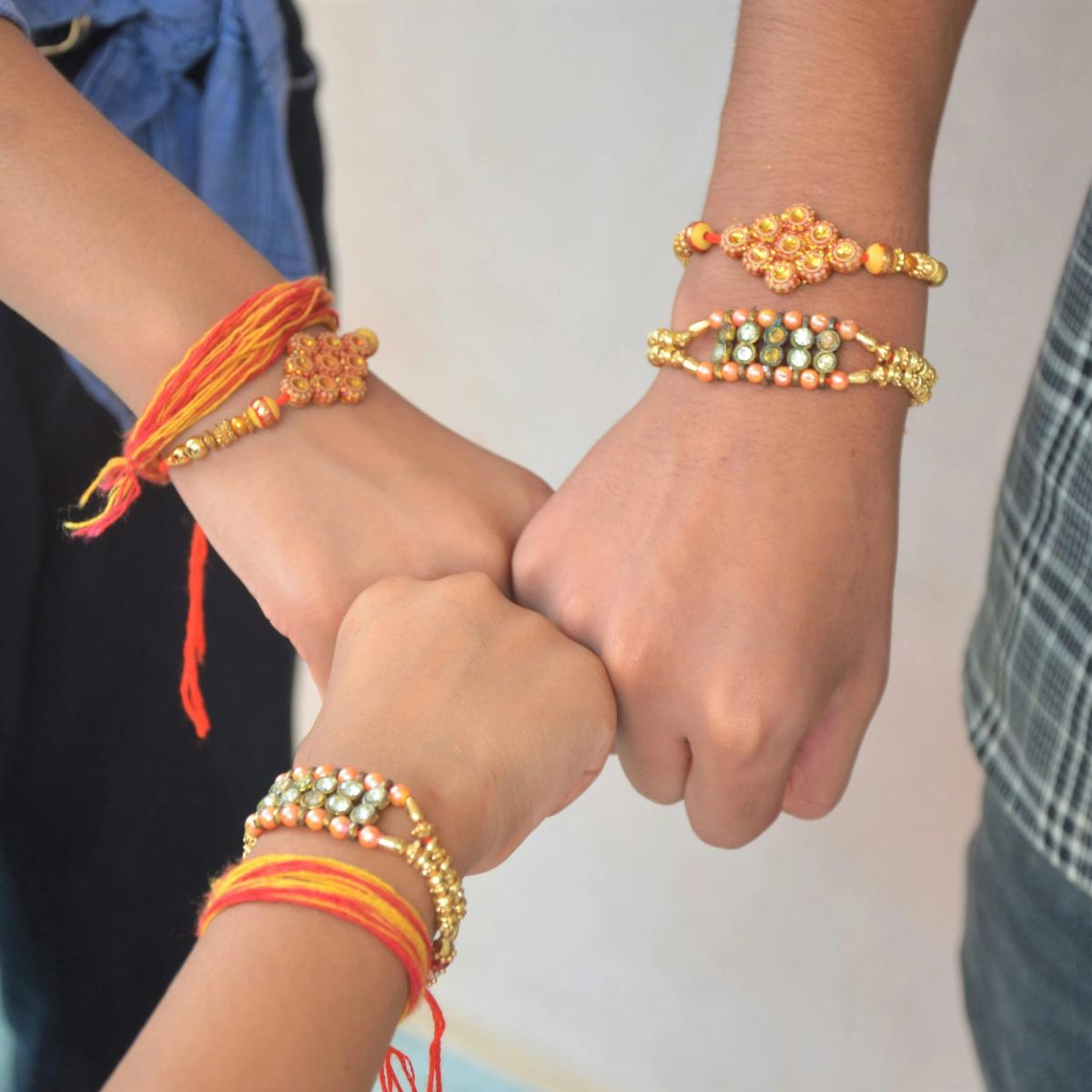
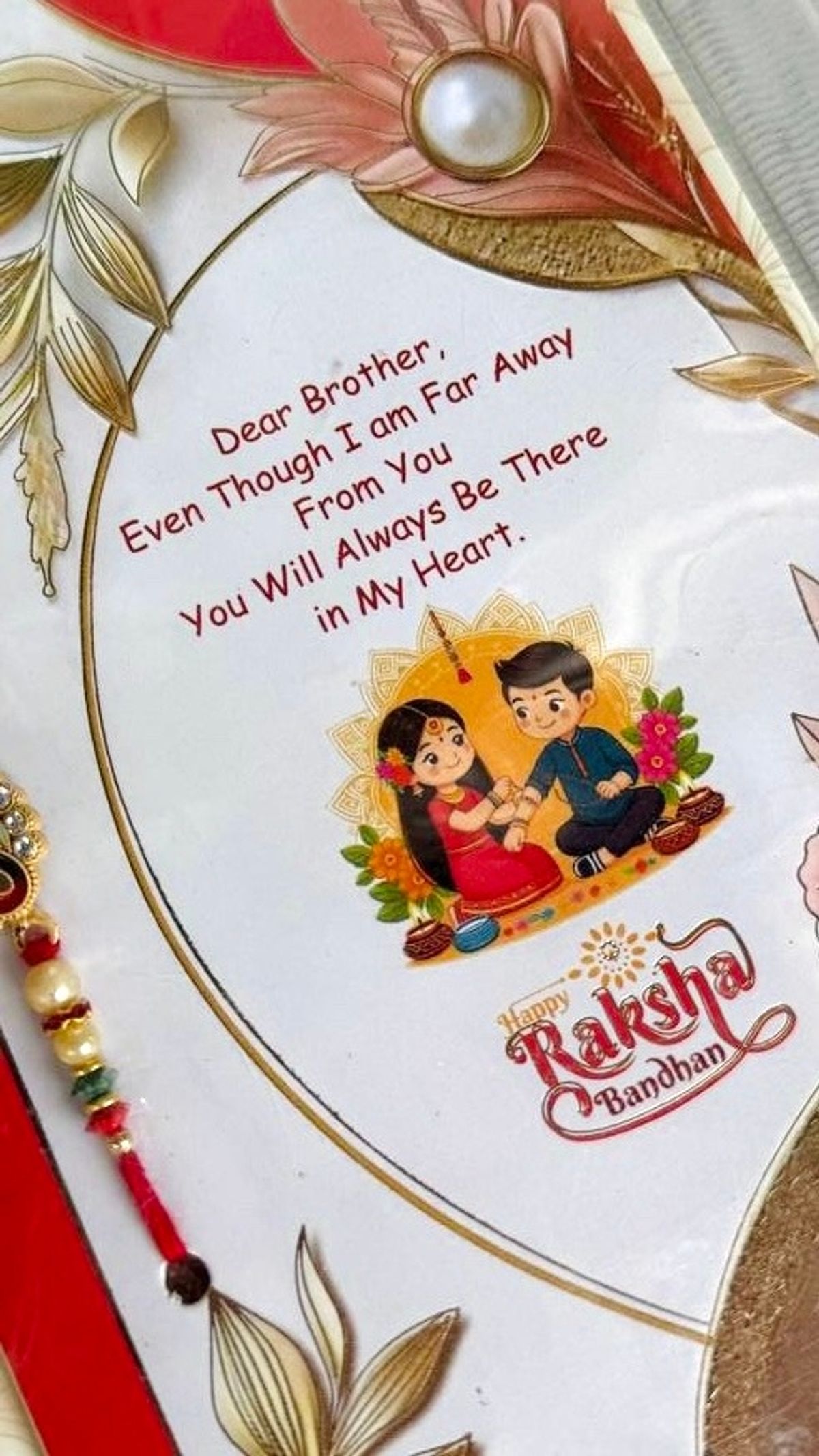
On this day, a sister ties a sacred thread called a rakhi around her brother’s wrist. The name itself means “bonds of protection”: in Sanskrit, raksha is “protection” and bandhan is “bond”.
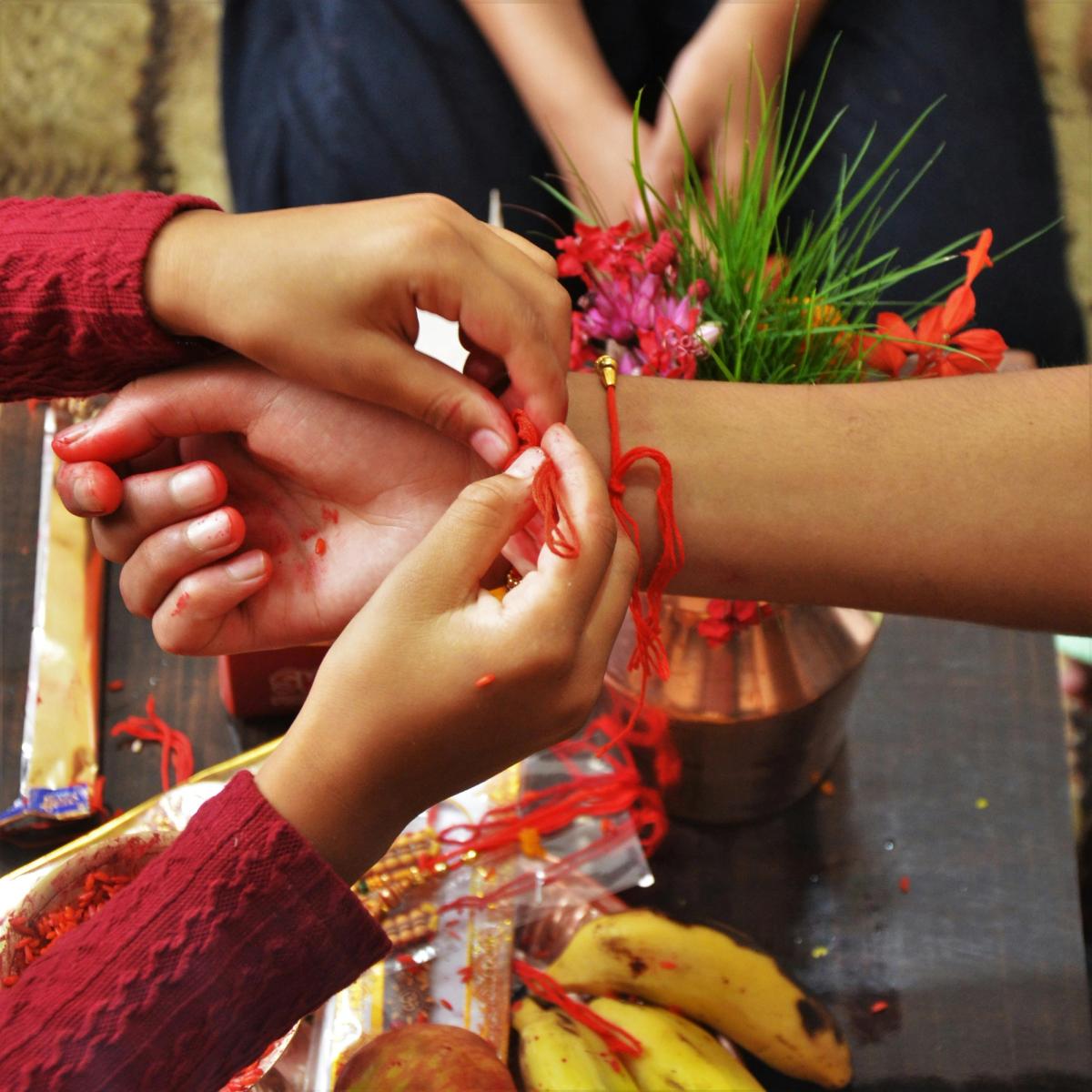
A rakhi isn’t just an ornament. It’s a symbol of love and care, a silent prayer for the well‑being of a loved one. In return, the brother promises to always protect his sister and often gives her a gift. This exchange of gestures holds the festival’s core idea: mutual support and a bond that stands the test of time.
How the tradition lives on today
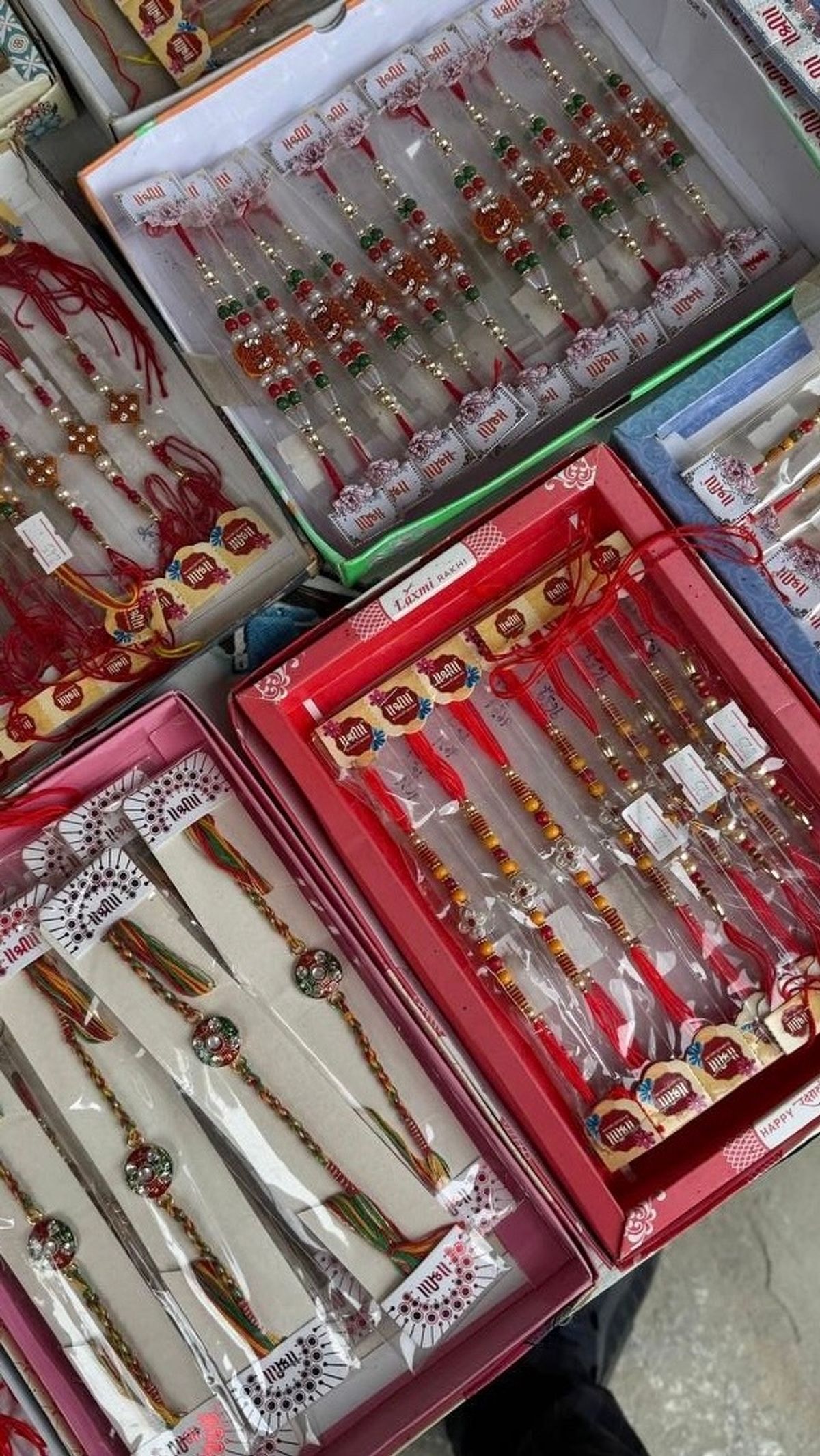
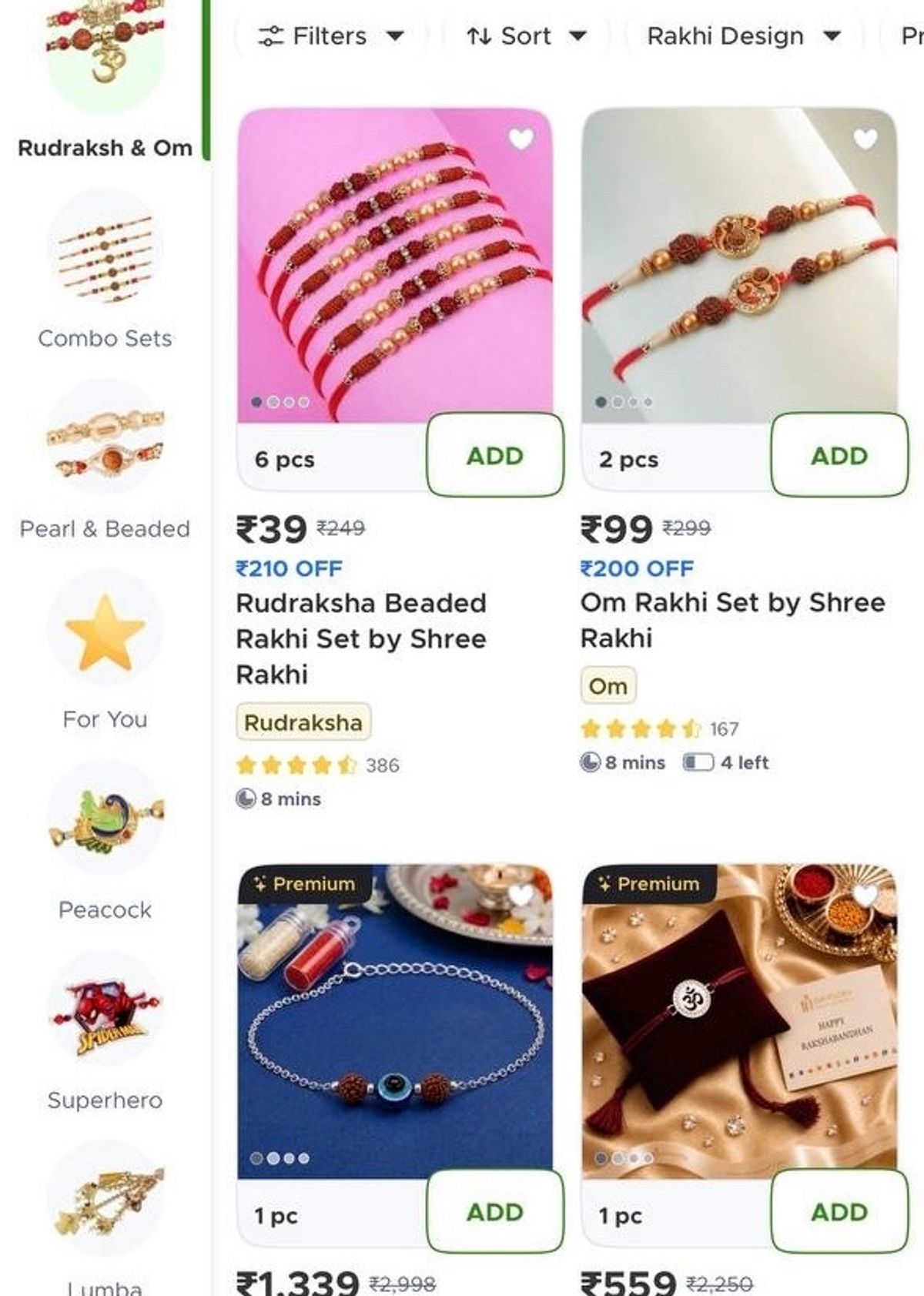
In the days before Raksha Bandhan, shops and delivery services offer a huge selection of rakhis. You can find classic designs with the Om symbol, images of deities, and traditional patterns, as well as modern ones featuring comic‑book heroes like Spider‑Man.
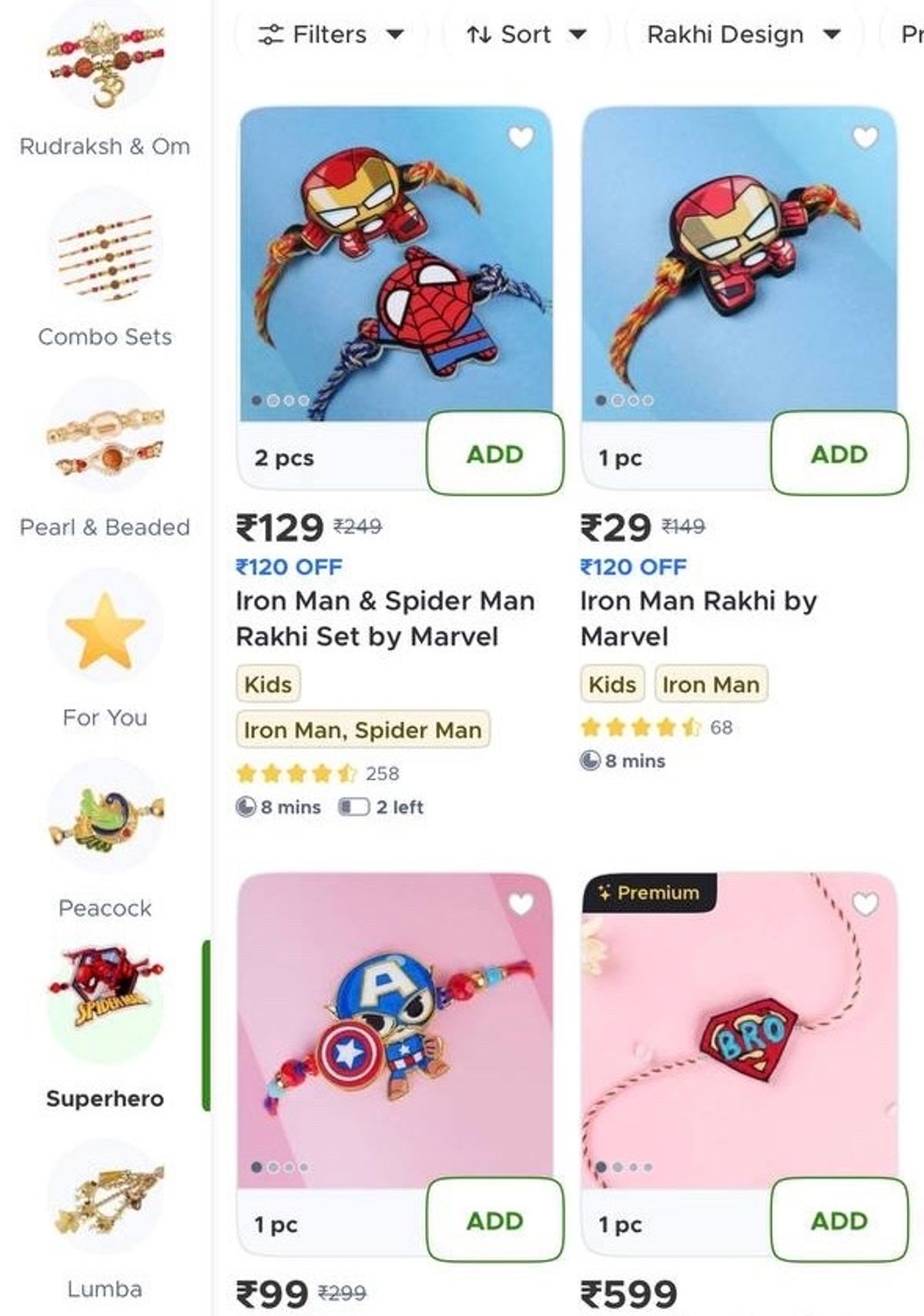
Such vibrant rakhis are especially popular with younger brothers. For a child, this ancient symbol of protection becomes a cheerful and easy‑to‑understand gesture — and so the tradition stays alive, remaining close and relevant to new generations.
Why the date changes every year
Indian festivals don’t have fixed dates: they follow the lunar calendar. Raksha Bandhan is celebrated on the full moon of the month of Shravana, so the date shifts each year — it can fall in either July or August. This detail shows how deeply Indian traditions are tied to natural cycles.
Never miss an important festival
Keeping track of dates, understanding the symbolism, and finding the best places to celebrate can be challenging, especially when planning a trip. The India GO app will help you stay informed: it includes exact festival dates, their meanings, and recommendations on where and how to experience them best.