India is the world's second-largest tea producer, just behind China — and remarkably, 80% of that fragrant drink stays inside the country, a sign of how deeply tea is woven into Indian life. From busy streets to quiet hill stations, tea here is far more than a beverage; it's a tradition, a source of comfort, and a way of living. Every cup — whether poured at a roadside stall or enjoyed in an elegant tea shop — tells a story of India's love affair with tea. 🍵
Exploring Tea Heaven in Nilgiri
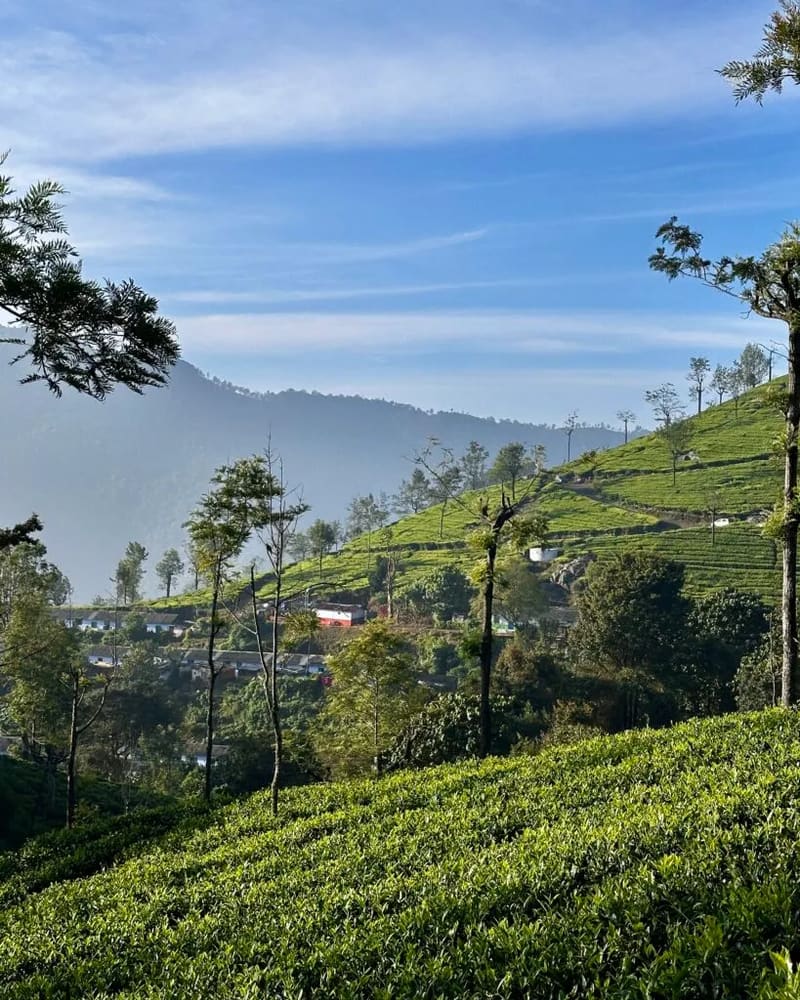
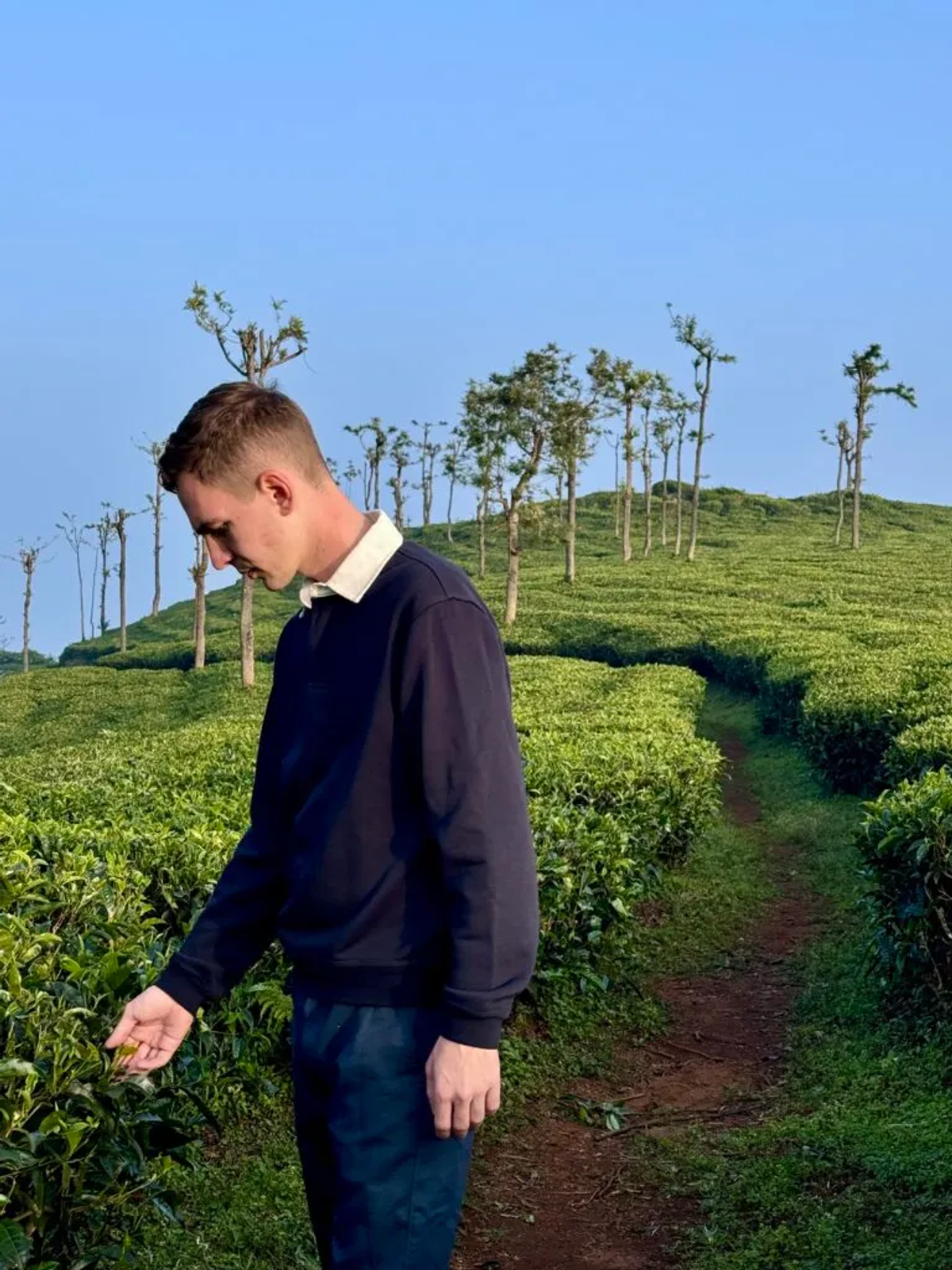
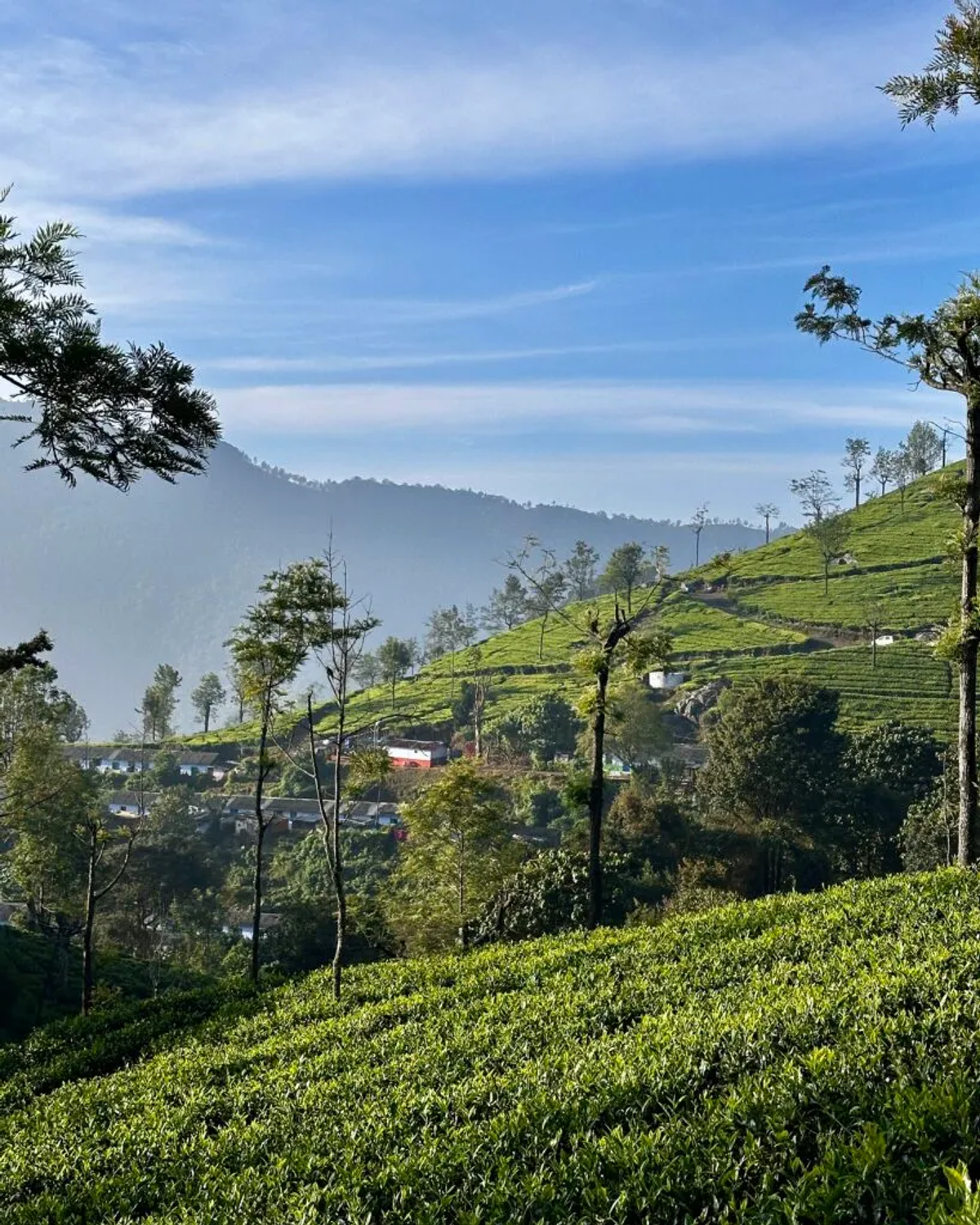
Right now, I'm visiting Nilgiri — one of India's three most famous tea-growing regions. Together with Assam and Darjeeling, Nilgiri is known for lush plantations that produce teas with unique flavors and aromas. Picture endless green hills carpeted with neatly trimmed tea bushes, fresh mountain air, and a quiet so captivating that you simply want to stop and take in every second. The scenery looks like it came straight off a postcard. 🌿
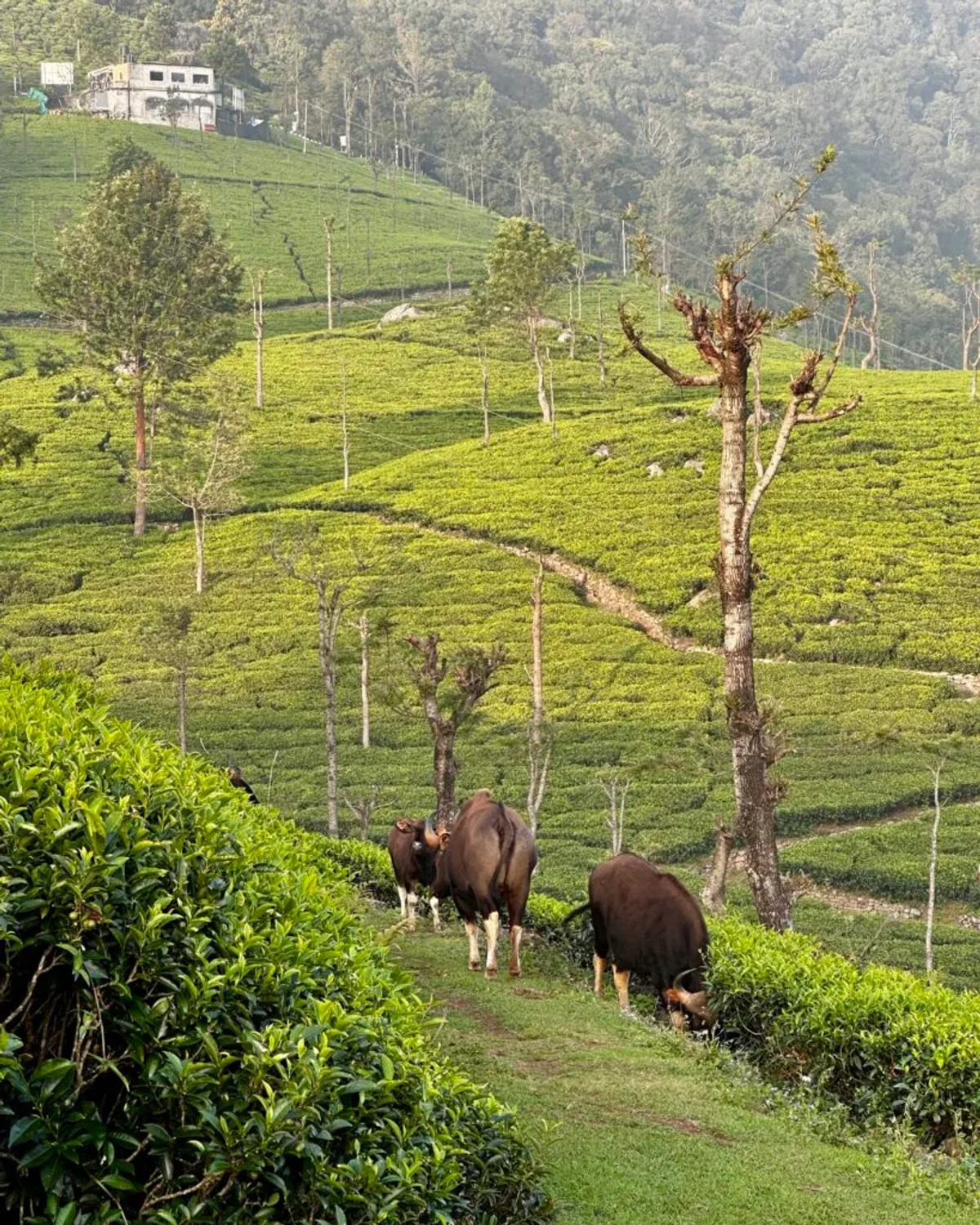
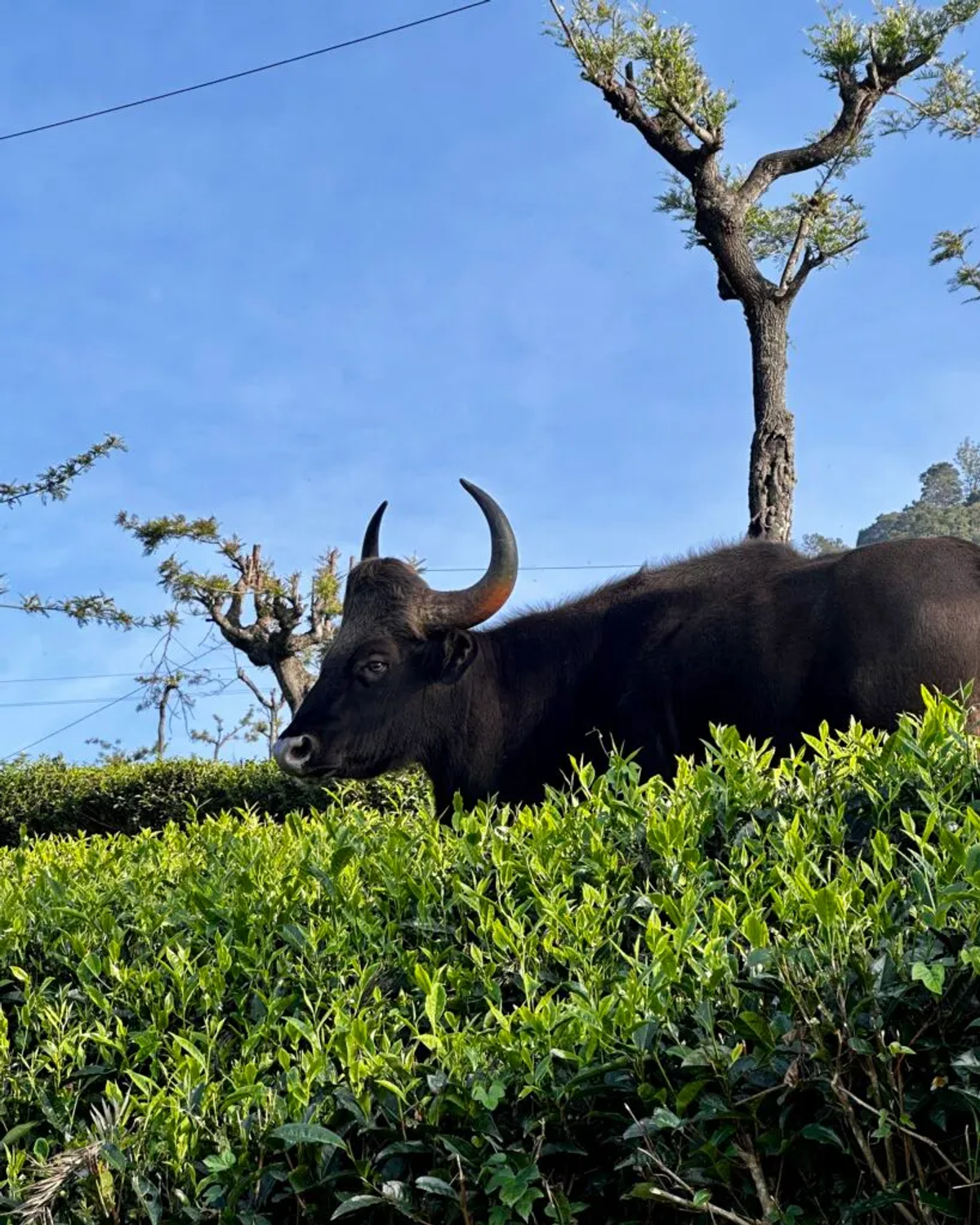
What makes Nilgiri truly special is its wildlife. As I walked through the plantations, I came across wild Indian bison (gaur) wandering freely between the bushes — a striking reminder of how closely nature lives alongside the tea estates. The sight of these massive animals among all that green is unforgettable. And it isn't just bison: Nilgiri is home to many species of plants and animals, making it a paradise for anyone who loves both nature and tea. 🐮
A Tale of Three Regions
Each tea region in India has its own story, adding to the country's rich tea culture.
Assam shapes the tea world with its strong, malty black teas, often enjoyed with milk and sugar. It is India's largest tea-growing region, home to some of the country's most famous plantations. With the mighty Brahmaputra River in the background, Assam's tea gardens have a pure, down-to-earth appeal.
Darjeeling, often called the "Champagne of Teas," produces light, floral teas prized by connoisseurs around the world. Darjeeling's hilly landscape and misty scenes add an air of magic to its tea culture. Visiting a Darjeeling plantation, you'll hear stories from the British era and learn about the craftsmanship behind every cup.
Nilgiri, where I am right now, is known for its fragrant, velvety teas. They are often used in blends, but they shine just as brightly on their own. The region has a distinctive climate — cool and rainy — which gives the teas their unique character, turning every sip into a treat for the senses.
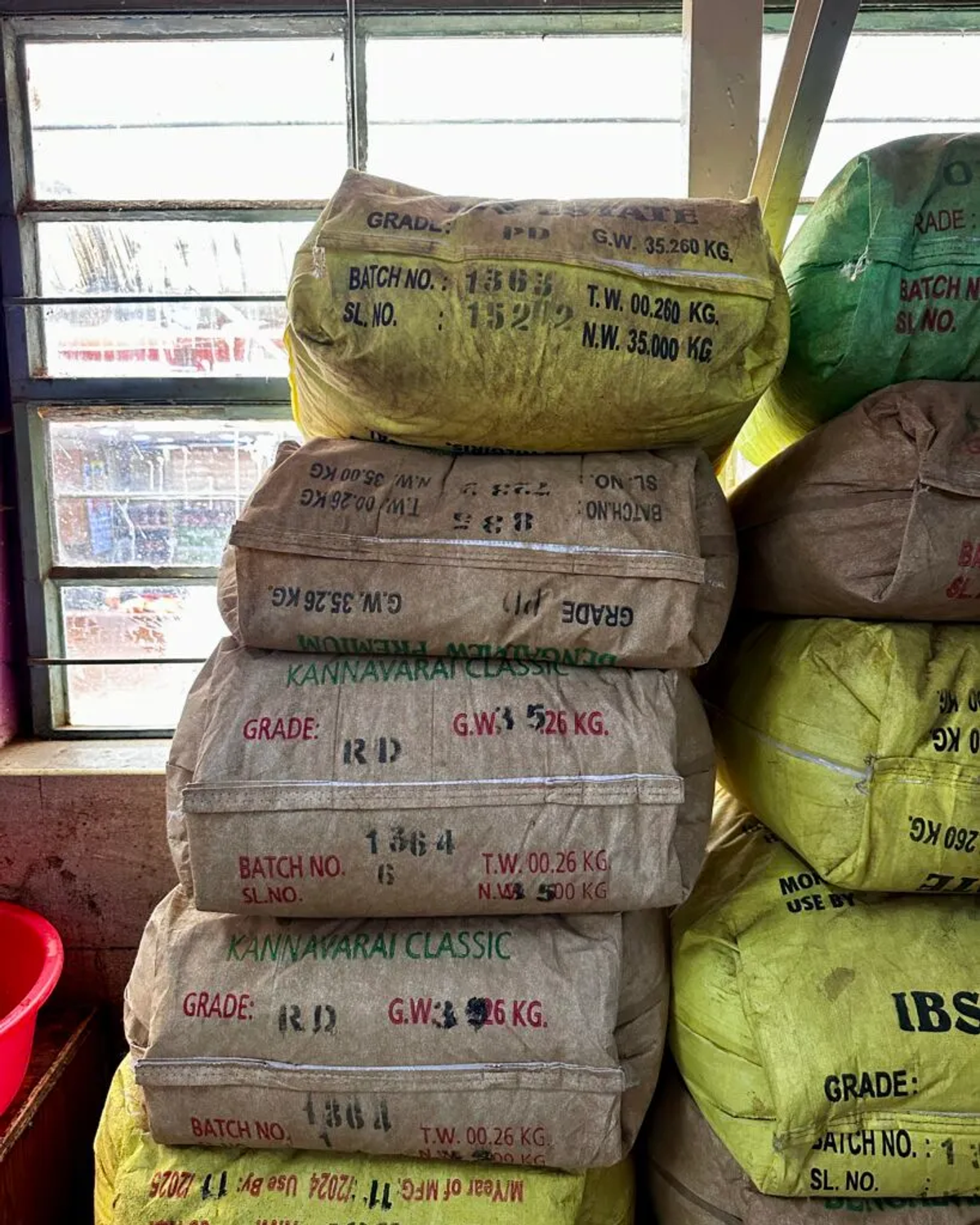
The Magic of Masala Chai
You can't talk about Indian tea without mentioning masala chai — India's most beloved drink. This isn't an ordinary cup of tea; it's a feast for the senses. Black tea is boiled with milk and a heady mix of spices — cardamom, cinnamon, cloves, and ginger — usually with a generous amount of sugar. The result? A hot, spicy-sweet drink that gives you energy and warms you from the inside out.
Masala chai is more than a beverage — it's a symbol of hospitality. Whether you're visiting someone's home or waiting for a train, a hot cup of this fragrant blend is almost certainly headed your way. Recipes vary slightly across India, with every region adding its own twist. From bustling railway stations to quiet Himalayan villages, masala chai brings people together.
The Chaiwalla Phenomenon
Meet the chaiwalla — the street tea master and an essential part of Indian street life. For just $0.10, you can watch them brew a cup of masala chai right in front of you with a skill that looks like performance art. Chaiwallas do far more than sell tea: they tell stories, watch the world go by, and often dream big themselves. India's Prime Minister Narendra Modi began his journey as a chaiwalla at a railway station — a powerful reminder that anyone can aim for the stars. 🇮🇳
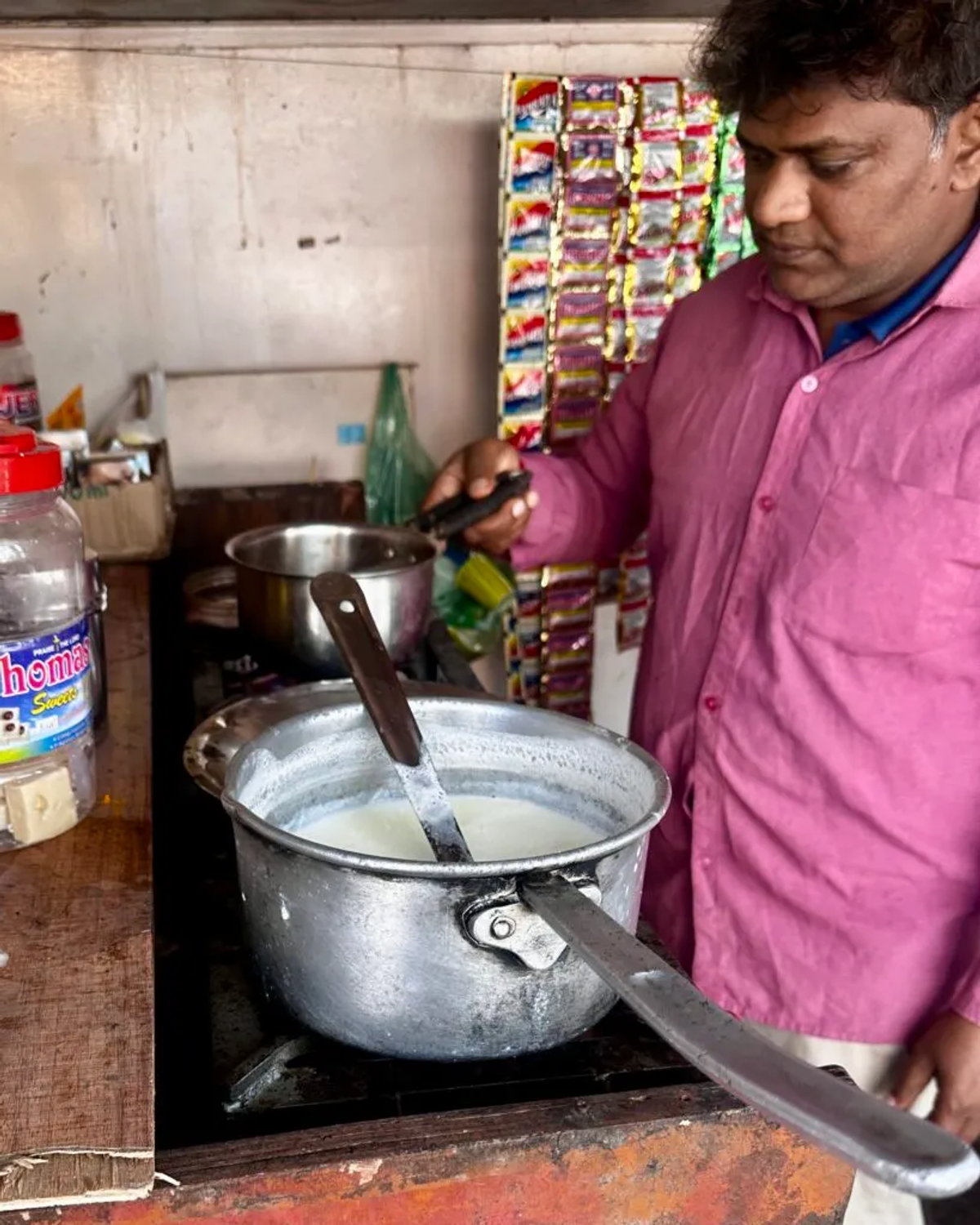
Chaiwallas are deeply connected to their neighborhoods. They recognize their regulars and serve as informal hubs for chats, news, and social meetups. Watching a chaiwalla at work is like watching a well-rehearsed dance — they mix, pour, and serve with effortless skill and attention.
Tea Beyond the Streets
While chaiwallas have unbeatable charm, more and more stylish tea cafés are springing up across Indian cities. These new spots blend India's tea heritage with global trends, serving a wide range of teas alongside sweets, coffee, and snacks. Some cafés even host tea tastings and brewing workshops — must-visits for any tea lover. ☕
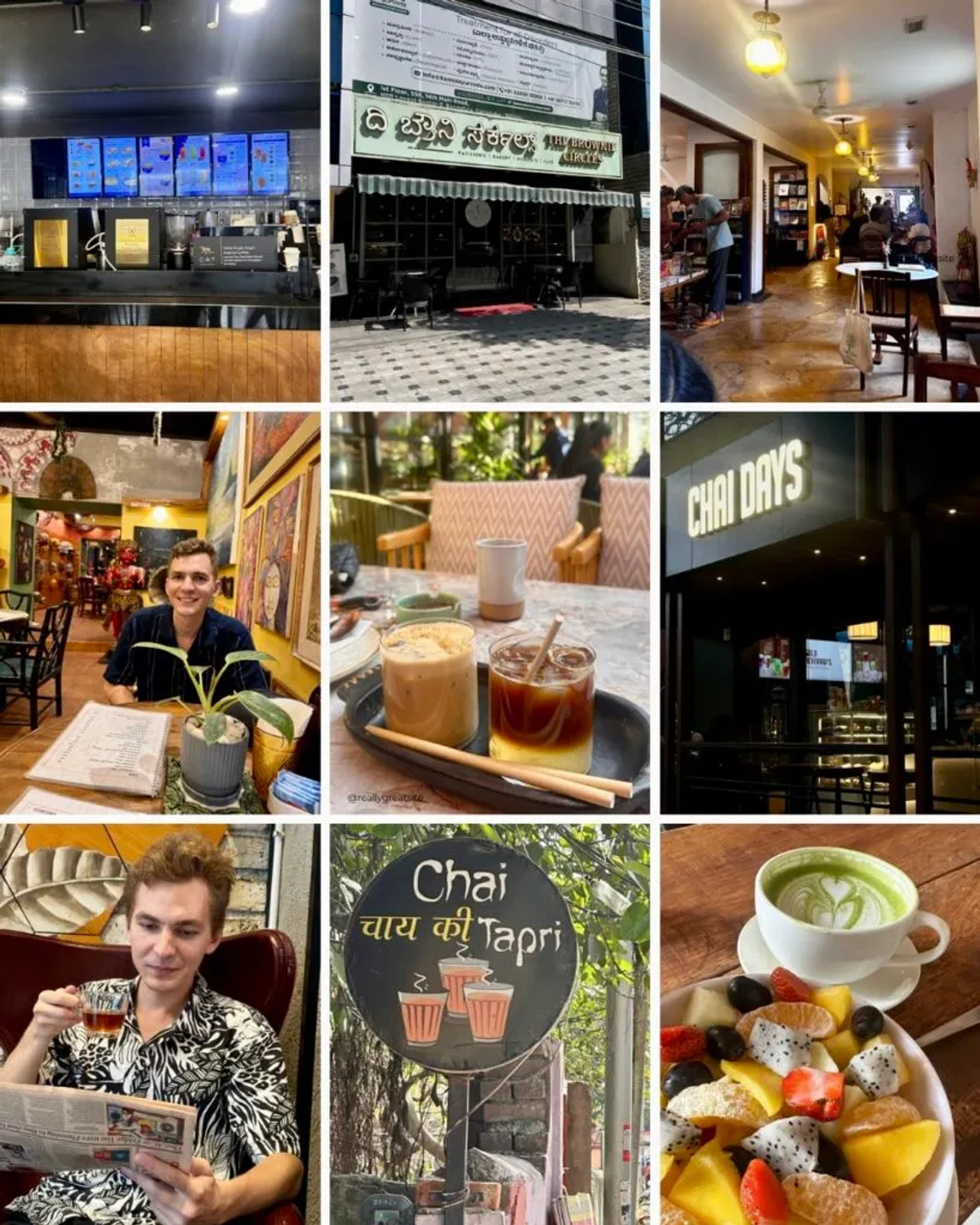
These cafés offer specialty drinks like saffron chai, herbal blends, and non-alcoholic tea cocktails. They make for great places to relax, get some work done, or enjoy a cup in a more refined setting. Many showcase tea culture with curated menus or events that explore the long history and craft behind Indian tea.
The Spiritual Side of Tea
In India, tea is more than a drink — it's a doorway to focus and connection. Many spiritual practices here use tea to help people center themselves or bond with others. Drinking tea, savoring its taste, and sharing it with friends captures the very essence of being present and in tune with others.
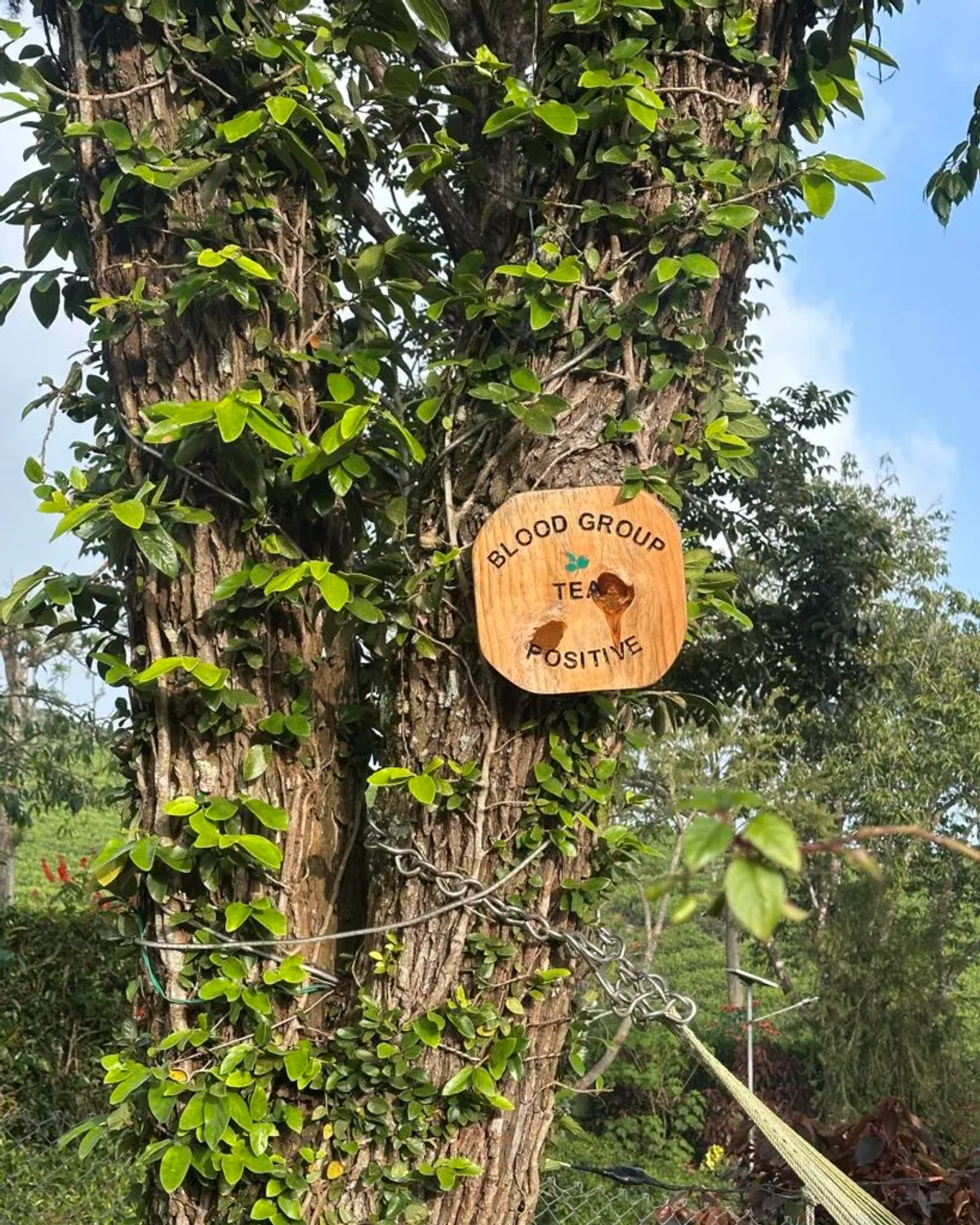
In places like Ladakh and Sikkim, tea plays a major role in local spiritual customs. Butter tea, for instance, is a key part of Tibetan Buddhist rituals. Offering tea is a sign of respect and helps bring inner calm. Even when informal, tea ceremonies create meaningful moments for reflection and togetherness.
Caring for Nature and Finding Balance
India's tea culture is also closely tied to caring for the planet. More and more tea estates now use eco-friendly methods, ensuring that growing tea doesn't damage the environment. This care for nature fits naturally with Indian spiritual beliefs, which teach us to value the earth and its gifts.
Organic tea estates are growing in popularity. They produce top-quality teas while protecting biodiversity, and they often provide a livelihood for local communities — making sustainability good for both people and the planet. Visitors can often join in: pick tea leaves, learn about ecological farming, and sample freshly brewed tea right where it's made.
Discover India Through Tea
From the bright green fields of Nilgiri to the busy city streets where chaiwallas work their magic, India's tea culture is a unique window onto the country's many sides and warm spirit. It's a journey that blends ancient traditions, new ideas, and a deep sense of connection — just like the perfect cup of tea.

So the next time you drink a hot cup of masala chai, pause to think about the stories, the people, and the deep-rooted history behind it. Through its tea, India greets you with open arms and a warm heart. 🌏✨