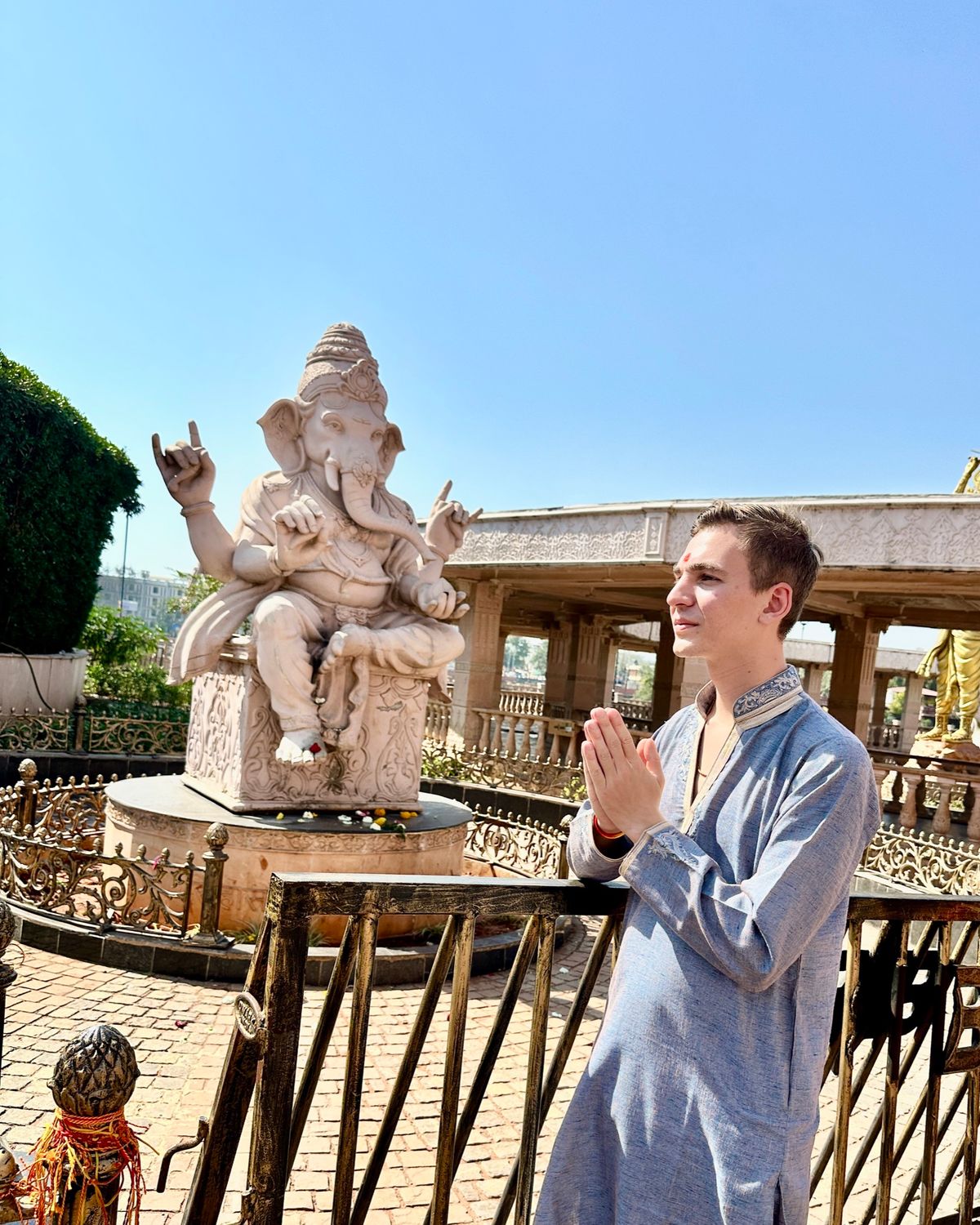
Today, Sadhu boards with neat rows of steel, copper, or galvanized nails can be found in many yoga studios around the world. What seemed like an exotic trick or extreme self-torture just 15 years ago is now marketed as a tool for meditation, stress relief, and working with the subconscious. But how did an ancient Eastern ascetic practice transform into a trendy attribute of modern biohacking and mental health?
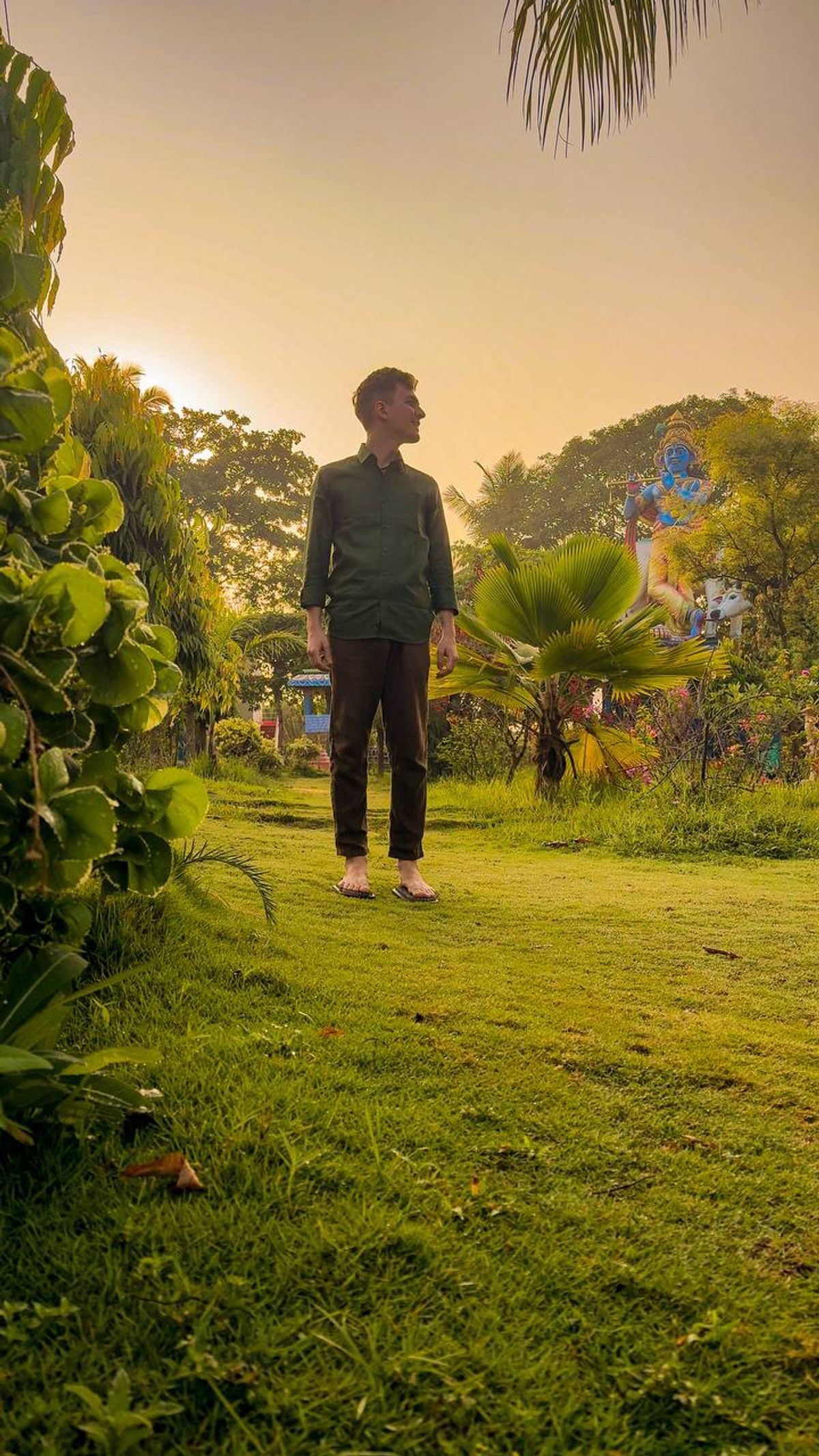
Roots in India: The Philosophy of Sadhu
The roots of nail standing go deep into Indian spiritual tradition. In India, people who have renounced worldly life in search of truth and spiritual liberation (moksha) are called sadhus.
For a sadhu, the body was never the ultimate goal—it was viewed merely as a temporary vessel and a tool for training the spirit. To tame the mind, transcend physical pain, and prove the illusory nature of the material world (maya), ascetics resorted to various forms of tapas—practices of conscious self-restraint and enduring severe trials.
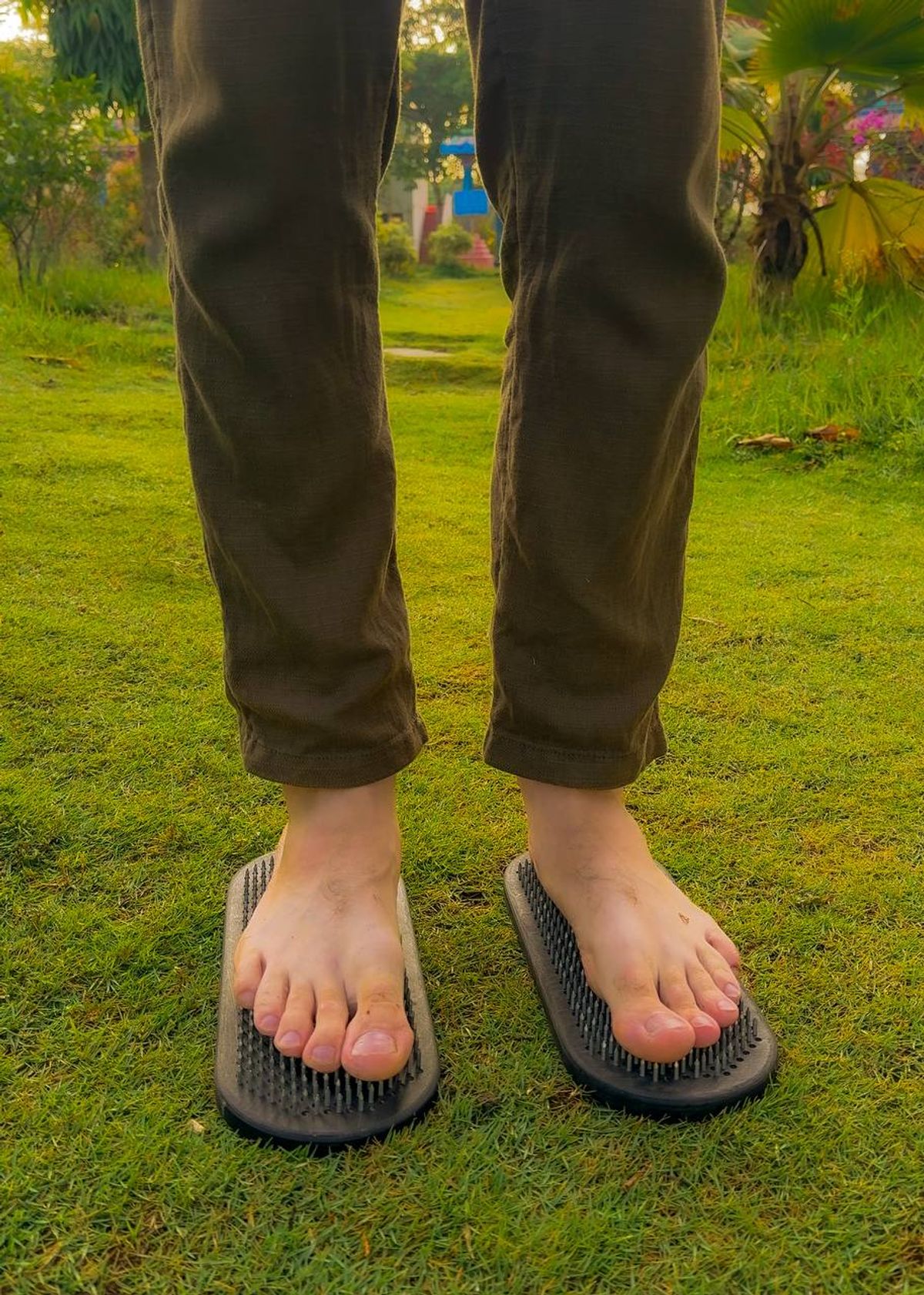
Standing or sleeping on nails (as well as standing on one leg for long periods or holding an arm raised) was one of the most visually striking forms of tapas.
The logic of the ancient masters was simple:
- Energy Management: According to Ayurveda and Tantric teachings, human feet contain a vast number of energy points and channels (nadis). Intense physical stimulation triggers the flow of vital life energy (prana).
- Mind Control: Pain is the strongest stimulus for the nervous system. If a person can remain calm and maintain steady breathing while standing on nails, they gain control over their reactions in everyday life as well.
For centuries, nail standing remained a sacred (and fairly rare) ritual accessible only to the most radical seekers of truth along the banks of the Ganges.
A Forgotten Artifact and 20th-Century Show Business
Outside of India, people learned about nail standing in the late 19th and early 20th centuries, though not in the context of self-discovery. The Western world perceived Indian fakirs as eccentric performers. The bed of nails became a staple prop in circus shows, illusionist acts, and street performances. The practice lost its sacred meaning and turned into a sideshow attraction: "Look, he doesn't feel pain!"
In India itself, with the onset of urbanization, the tradition of nail standing also began to fade, surviving only in deeply traditional ashrams and among wandering ascetics.
Rebirth: Becoming a Wellness Trend
A real breakthrough occurred in the 21st century. Having visited India and learned about Eastern practices, enthusiasts (especially from the CIS and Western countries) began rethinking this ancient tool through the lens of modern psychology, somatic therapy, and neurophysiology.
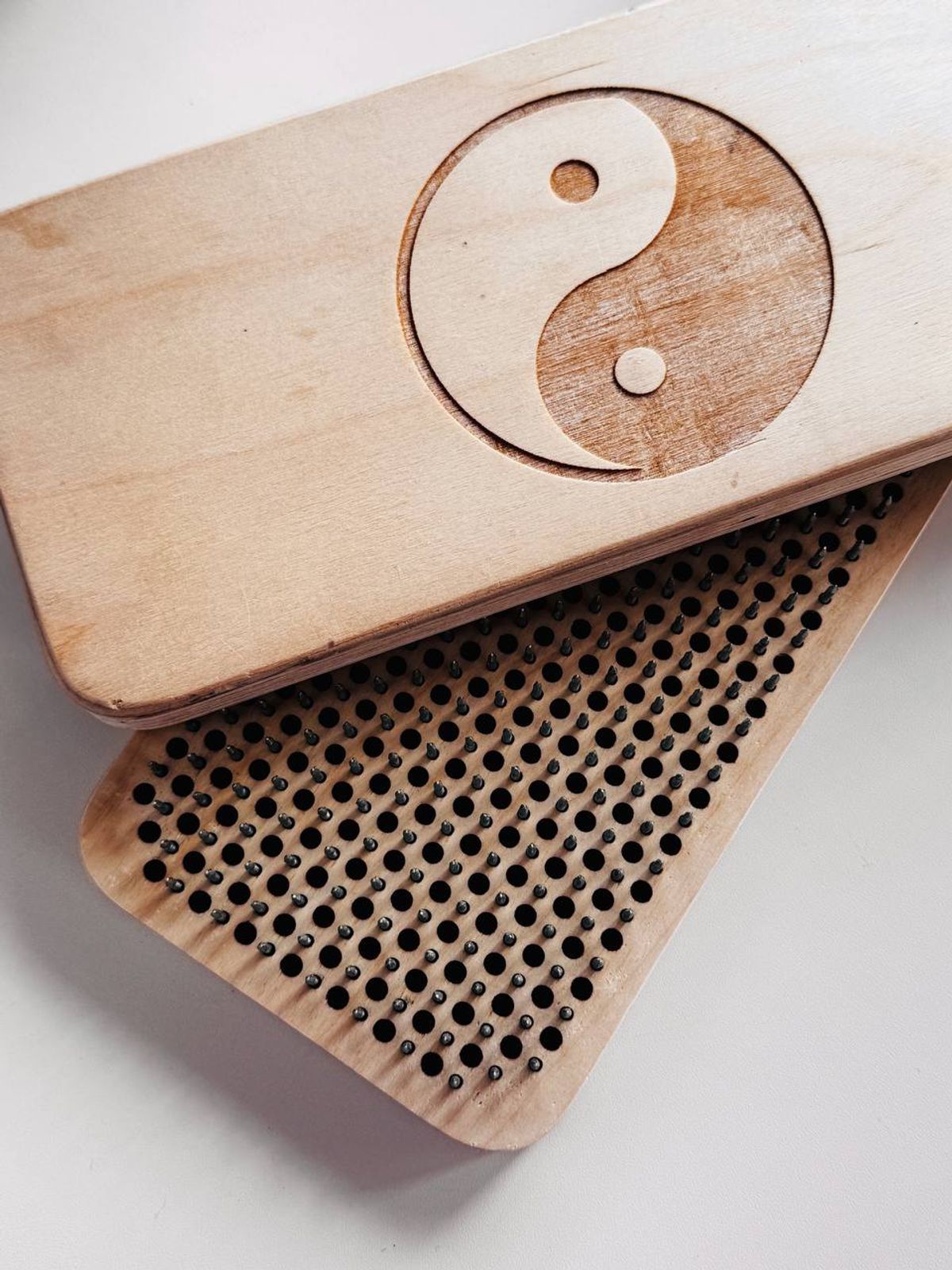
This gave birth to the Sadhu board as we know it today—compact, aesthetic, magnetically folding, and featuring precisely calculated nail spacing (from 8 to 15 mm).
Why has this practice become so immensely popular right now?
- A demand for a quick nervous system "reset": Modern individuals live in a state of chronic background stress. Standing on nails triggers a powerful surge of endorphins, dopamine, and adrenaline. After pushing through the pain for the first two minutes, a state of deep relaxation and mental silence sets in—an effect that beginners in traditional meditation often spend years trying to achieve.
- Working with emotions and somatic blockages: Somatic psychotherapy suggests that suppressed emotions reside in the body as tension blocks. The Sadhu board acts as a catalyst: while on the nails, people often cry, shout, or laugh, processing and releasing old emotional traumas.
- Aestheticization and marketing: From an intimidating Indian artifact, the board transformed into a stylish gadget crafted from precious woods, featuring custom engravings and anatomical nail spacing. In the social media age, the visually dramatic process of stepping onto nails fits seamlessly into content focused on self-improvement and "overcoming oneself."
My Experience
I started practicing nail standing and drew several conclusions for myself.
In the first second, your mind and body scream: get off! But you keep standing, no matter what. Destructive feelings swell inside: irritation, resistance. Then you begin to notice that the suffering stems not from the physical discomfort itself, but from fighting it. The nails remain the same, but your attitude toward what is happening changes.
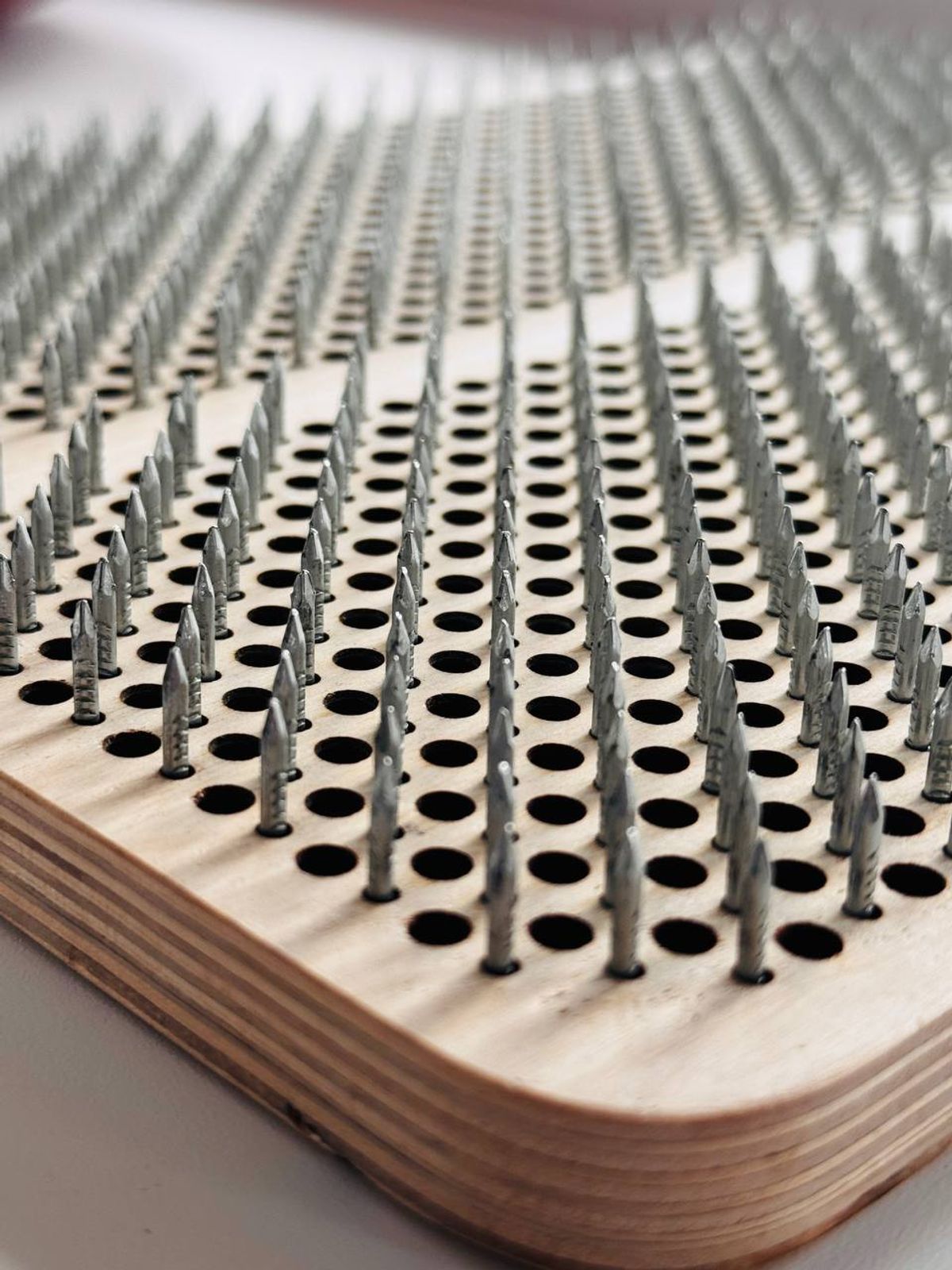
The true purpose of the practice is not to endure pain, but to learn not to run away from discomfort, fear, and complex emotions. It seems to me that life works the exact same way: when you stop constantly resisting what is happening, many things lose their power over you.
A Bridge Between Antiquity and Modernity
Today's nail standing is a vivid example of how ancient Indian philosophy adapts to the needs of the modern individual. A century ago, sadhus stood on nails to detach from the material world and dissolve their ego. Today, residents of bustling metropolises step onto Sadhu boards to cope with burnout, reconnect with their bodies, and find inner balance in a wildly fast-paced world.
The form has changed, and the context has become gentler and more mindful, but the essence remains the same: the nails are merely a mirror. They do no harm, but they vividly reveal what happens in your mind when you face discomfort.