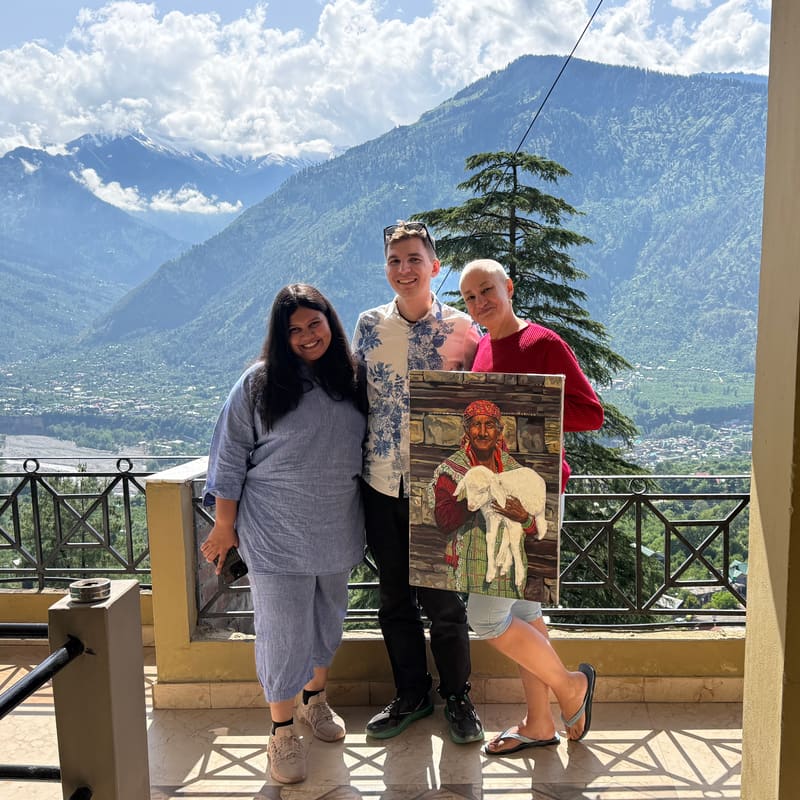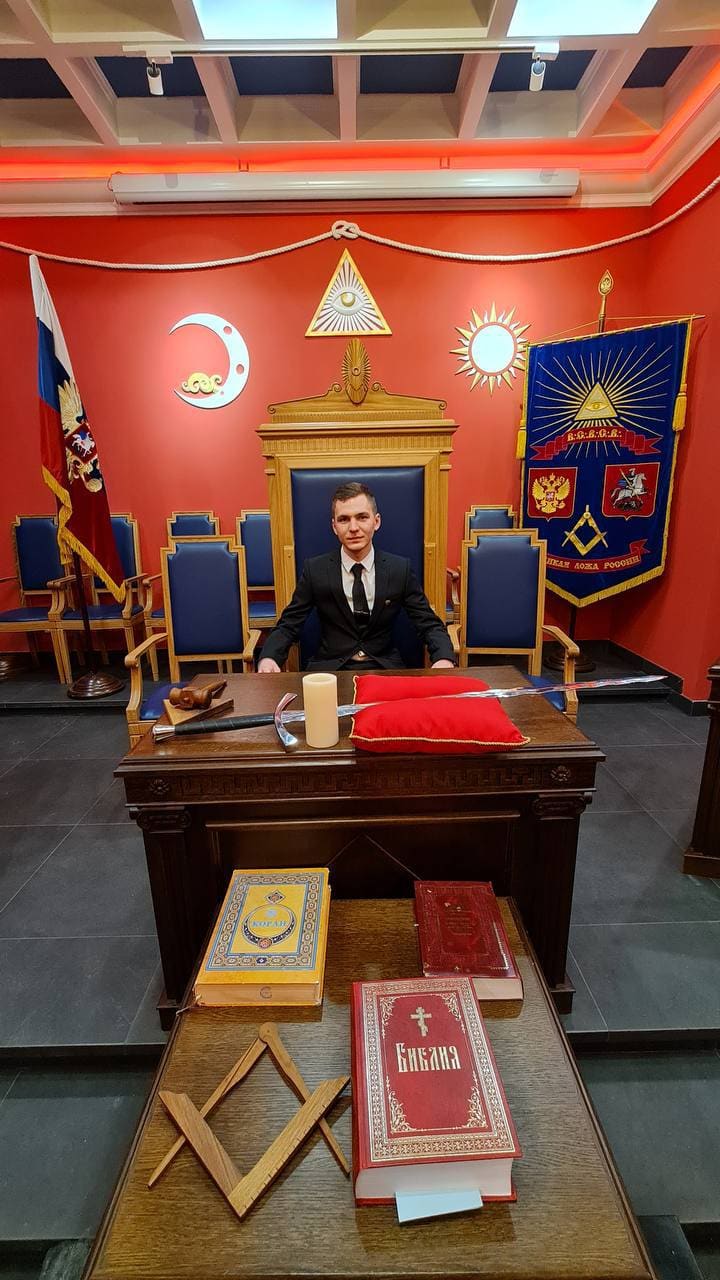
Hello, dear readers! I promised to share a story about Freemasonry — and to show you the historic Masonic Hall in Delhi. This isn't just theoretical knowledge for me: I'm a member of the Grand Lodge of Russia. During my recent visit to Delhi, I had the opportunity to visit one of Asia's most remarkable Masonic buildings — and compare the Indian experience with what I know from Russia. What I discovered was a brotherhood shaped by local culture yet united by timeless principles.
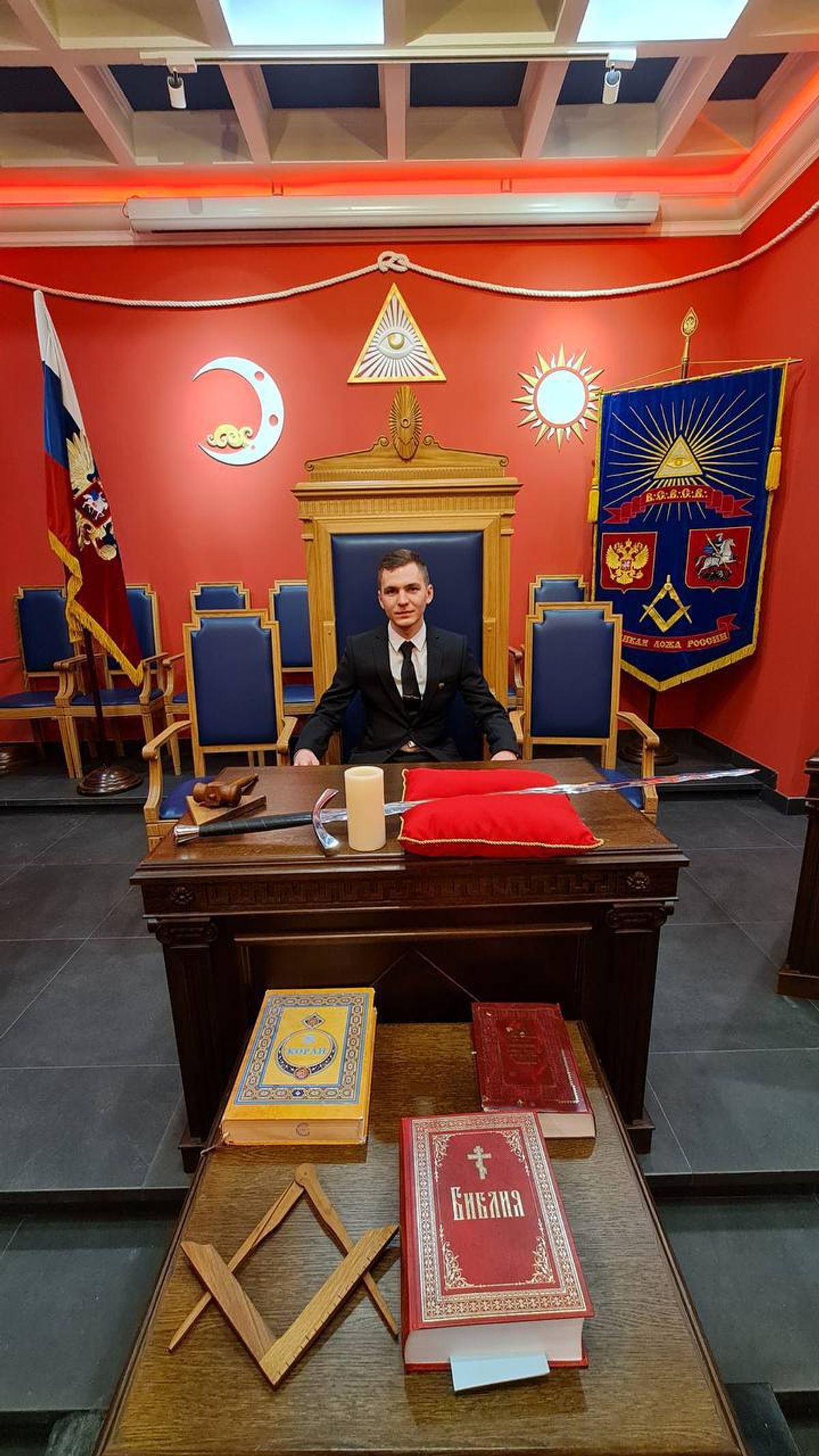
What Is Freemasonry? A Simple Explanation
Freemasonry emerged in Europe several centuries ago among stonemasons and cathedral builders. Hence the symbols — the compass, the square, the rough and perfect ashlars (stones). Gradually, this craftsmen's guild evolved into a brotherhood that welcomed people from all professions.
Today, it's essentially a gentlemen's club centered on shared interests: personal development, ethics, charity, philosophy and spiritual practices. Anyone who believes in one God and the immortality of the soul can join, regardless of their specific religion. However, discussing religion and politics within the lodge is strictly forbidden.
The core principles are captured in the Masonic motto: Brotherly Love, Relief and Truth. The fraternity aims to "take good men and make them better" — building not temples of stone, but temples within oneself.
Famous Freemasons: A Global Brotherhood
The list of "brother stonemasons" throughout history reads like a who's who of world-changers:
- Political Leaders: George Washington, Benjamin Franklin, Winston Churchill and at least 14 U.S. Presidents
- Artists and Thinkers: Voltaire, Mozart, Mark Twain, Goethe, Oscar Wilde
- In Russia: Alexander Pushkin, Emperor Paul I, the publisher Nikolai Novikov
- In India: Motilal Nehru (father of India's first Prime Minister), Swami Vivekananda, Dr. Rajendra Prasad (India's first President), C. Rajagopalachari (last Governor-General of India), President Fakhruddin Ali Ahmed, industrialist J.R.D. Tata and even cricket legend Mansoor Ali Khan Pataudi
The Surprising History of Freemasonry in India
Since Freemasonry originated in Britain, it naturally arrived in India along with the British. The first Provincial Grand Lodge was established at Fort William in Calcutta in 1729 — remarkably, just 12 years after the Premier Grand Lodge of England was founded in 1717. This makes Indian Freemasonry nearly as old as the organized Brotherhood itself.
The East India Company officers held their first meetings in Fort William, and Lodge No. 72 became the cradle of Indian Masonry. Soon, lodges appeared in Madras, Bombay, Lahore and eventually Delhi. By the late 18th century, over 100 lodges were operating across the subcontinent.
The Colonial Era: Initially, membership was limited to British officers, civil servants and businessmen. The fraternity functioned almost like an exclusive expatriate club, with membership restricted to British residents until 1775.
Opening to Indians: The inclusion of Indians began gradually. Hindus were initially excluded on grounds of polytheism until an 1830 ruling by the Duke of Sussex permitted their initiation. The first Hindu admitted in Bengal was Brother P.C. Dutt in 1872 at Lodge Anchor and Hope — and even that came after nine years of persistent appeals and multiple rejections.
Over time, Indian lawyers, professors, judges and entrepreneurs joined the Brotherhood. Freemasonry became something of an "elite club" where people of different cultures could meet on equal ground — a remarkable achievement in colonial India's divided society.
Swami Vivekananda: The Spiritual Giant Who Was Also a Mason
Perhaps the most surprising name on the list of Indian Freemasons is Swami Vivekananda — the Hindu monk who introduced Vedanta and Yoga to the Western world at the 1893 Parliament of Religions in Chicago.
On February 19, 1884, a young Narendranath Datta (his birth name) was initiated into the Anchor and Hope Lodge No. 234 in Calcutta. He passed his test on April 5 and was raised to the degree of Master Mason on May 20 of the same year — just 21 years old.
This Masonic connection proved significant during a difficult period in his life. When Vivekananda was struggling financially in Chicago in 1894, a fellow Mason named G.C. Connor provided letters of introduction to Freemasons in the city, who then offered him support and hospitality. The Brotherhood's global network helped sustain the man who would become one of India's greatest spiritual teachers.
Today, Lodge Anchor and Hope (now No. 1 on the rolls of the Grand Lodge of India) proudly displays this history.
The Grand Lodge of India: Independence for the Brotherhood
After India gained independence in 1947, the number of lodges declined as British personnel left the country. But rather than fade away, Indian Freemasonry reorganized itself.
On November 24, 1961, the Grand Lodge of India was officially constituted at the Ashoka Hotel in New Delhi. Delegations from the Grand Lodges of Scotland, Ireland and England attended, along with representatives from Israel and Canada. About 1,500 brethren from across India and abroad witnessed the historic ceremony.
Major General Dr. Sir Syed Raza Ali Khan, the Nawab of Rampur, was installed as the first Grand Master — a fitting choice that symbolized both India's royal heritage and its new sovereign identity.
Of the 277 lodges existing at the time, 145 chose to join the new Grand Lodge of India, becoming "Foundation Lodges." Others remained affiliated with their original English, Scottish or Irish constitutions — and all four systems still operate in India today in harmony.
Today's Numbers: The Grand Lodge of India now oversees approximately 470 lodges and over 23,000 members across 172 cities, organized into four regional grand lodges based in New Delhi, Kolkata, Mumbai and Chennai.
The Masonic Hall in Delhi: A Heritage Treasure
I visited the Freemasons' Hall on Janpath in Delhi — a striking white building in colonial style, located in the heart of Lutyens' Delhi, right next to Connaught Place and the Imperial Hotel.
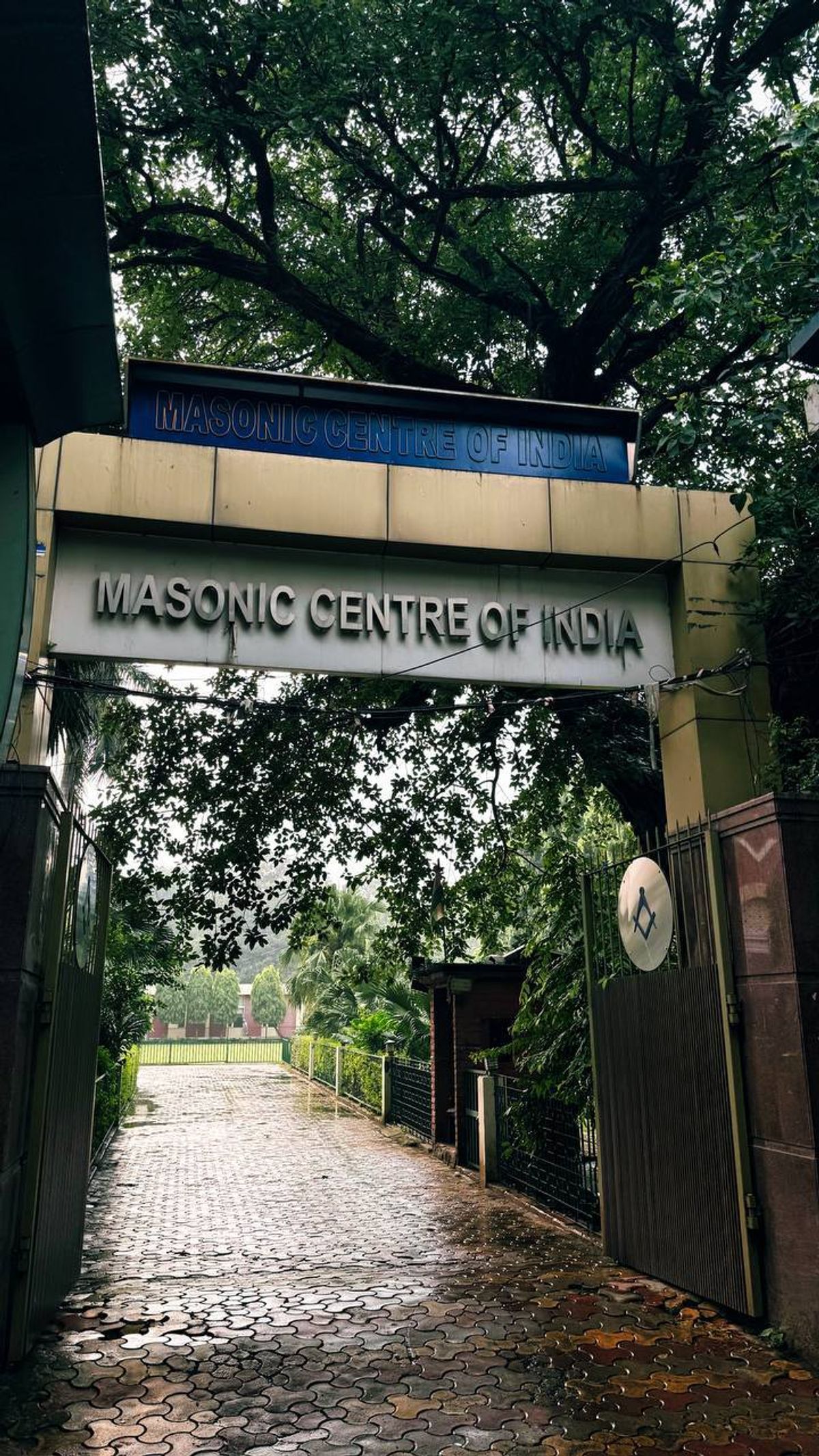
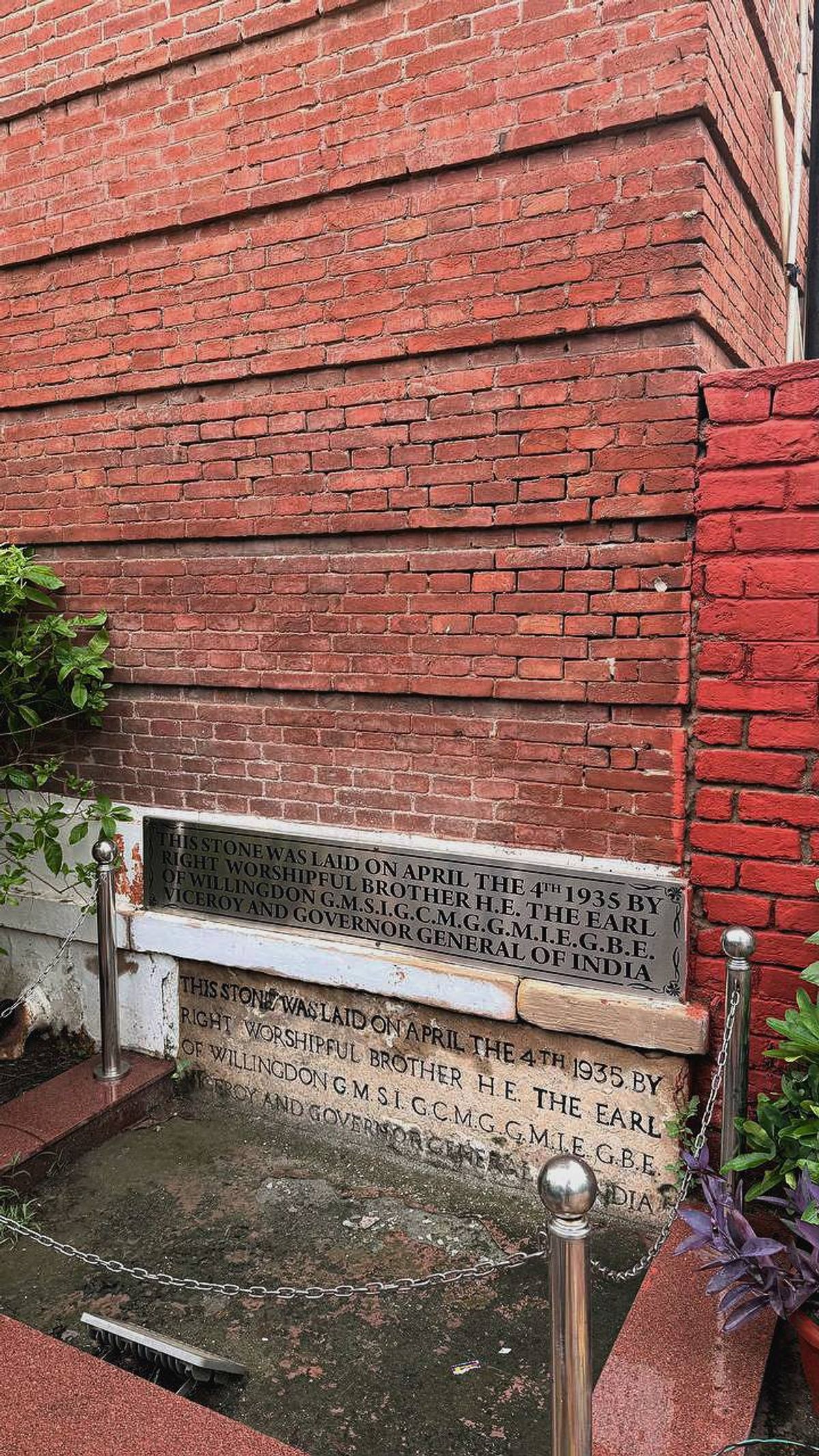
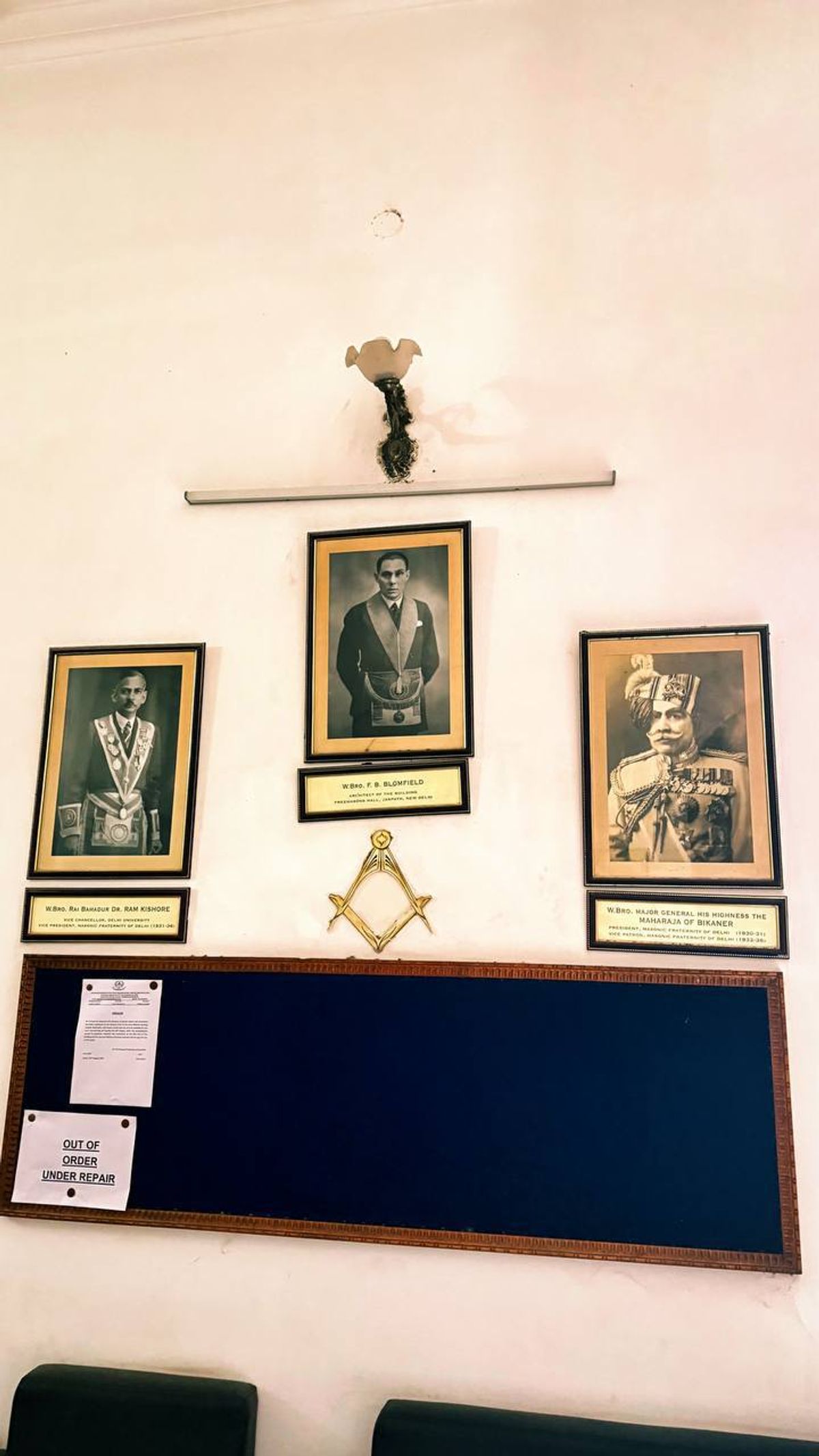
The land was acquired in the 1920s, and the foundation stone was laid on April 4, 1935, by Lord Willingdon, the Viceroy of India. The building was completed in 1936, designed by F.B. Blomfield — an associate of Edwin Lutyens and the architect of the adjacent Imperial Hotel. Blomfield was himself a Freemason and donated half his fees toward the project. His portrait in Masonic regalia still hangs in the entrance lobby.
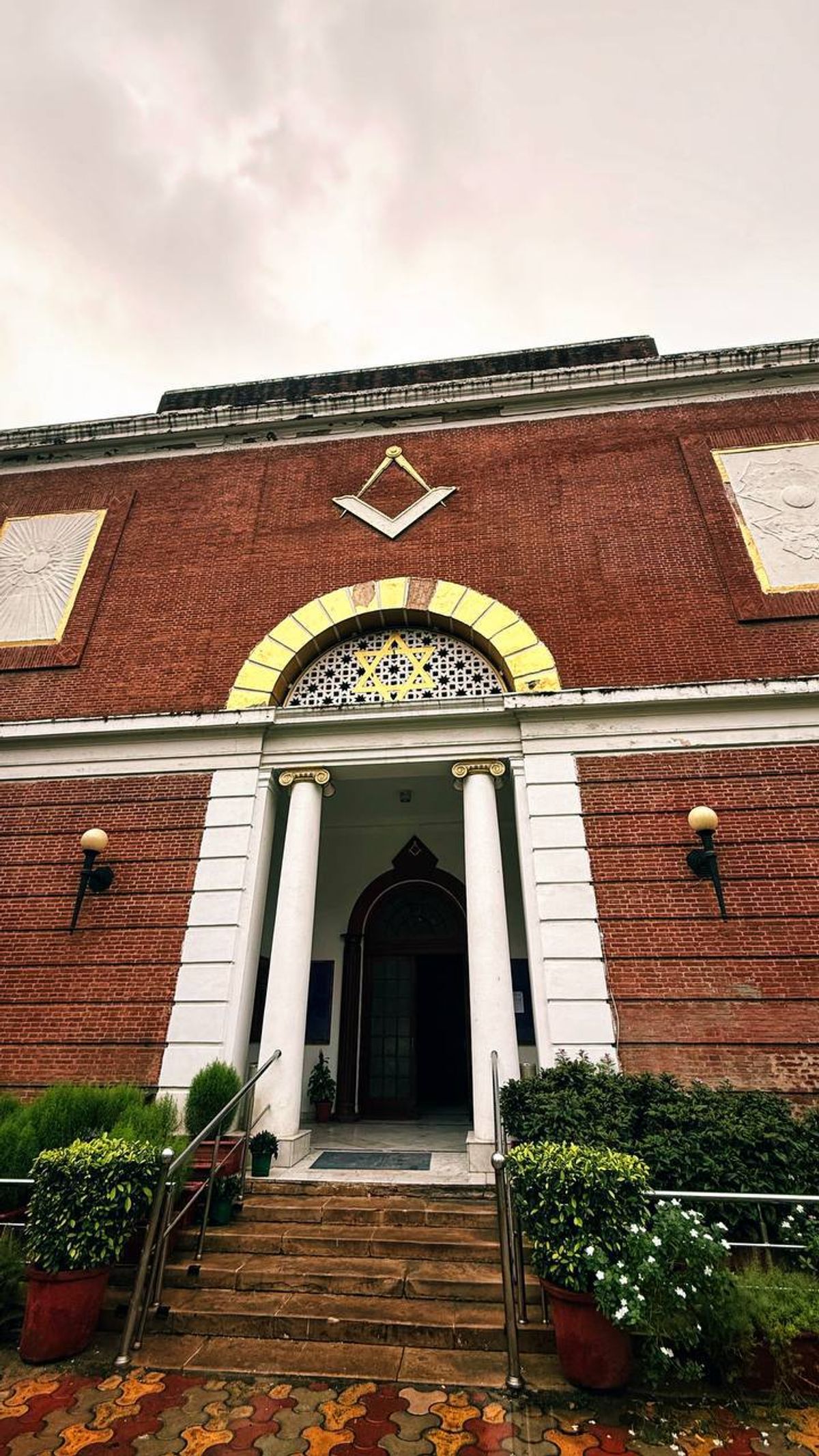
The sprawling 2.5-acre campus is now a declared Heritage Building. It houses four Masonic temples, two banquet halls, meeting rooms and lounges. On average, three to four lodge meetings are held here every day (except Sundays). The complex also includes the headquarters of both the Grand Lodge of India and the Regional Grand Lodge of Northern India.
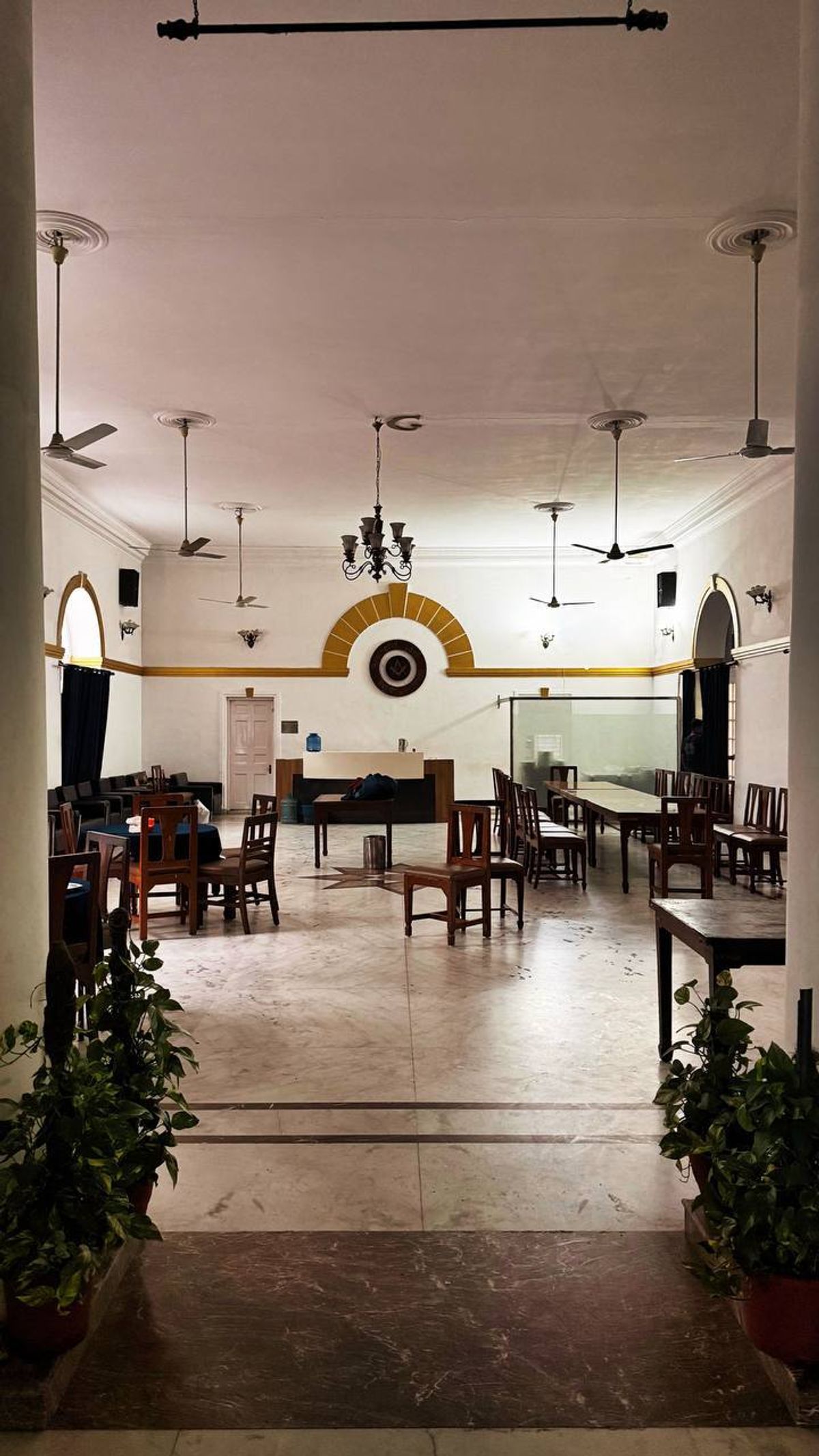
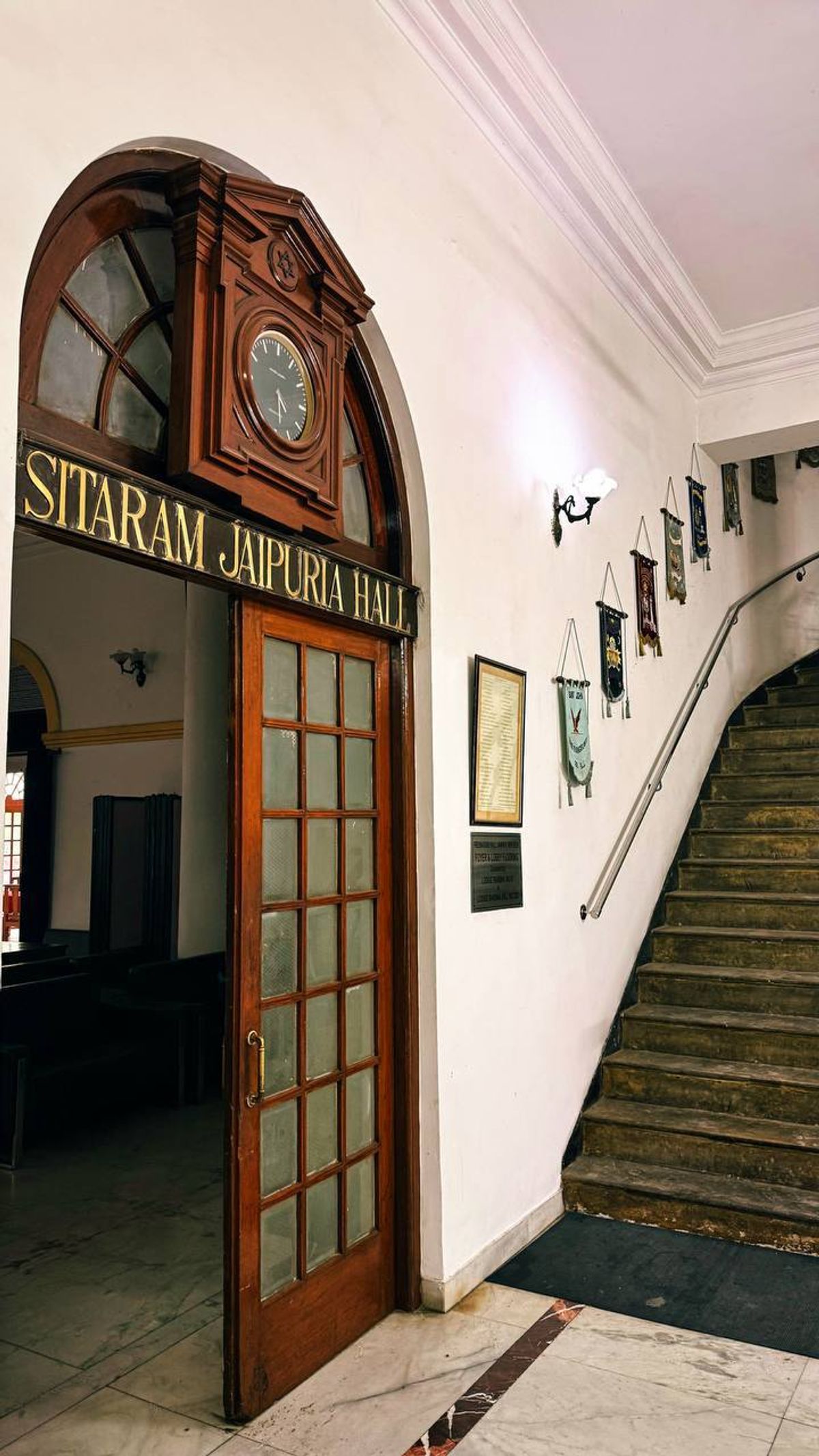
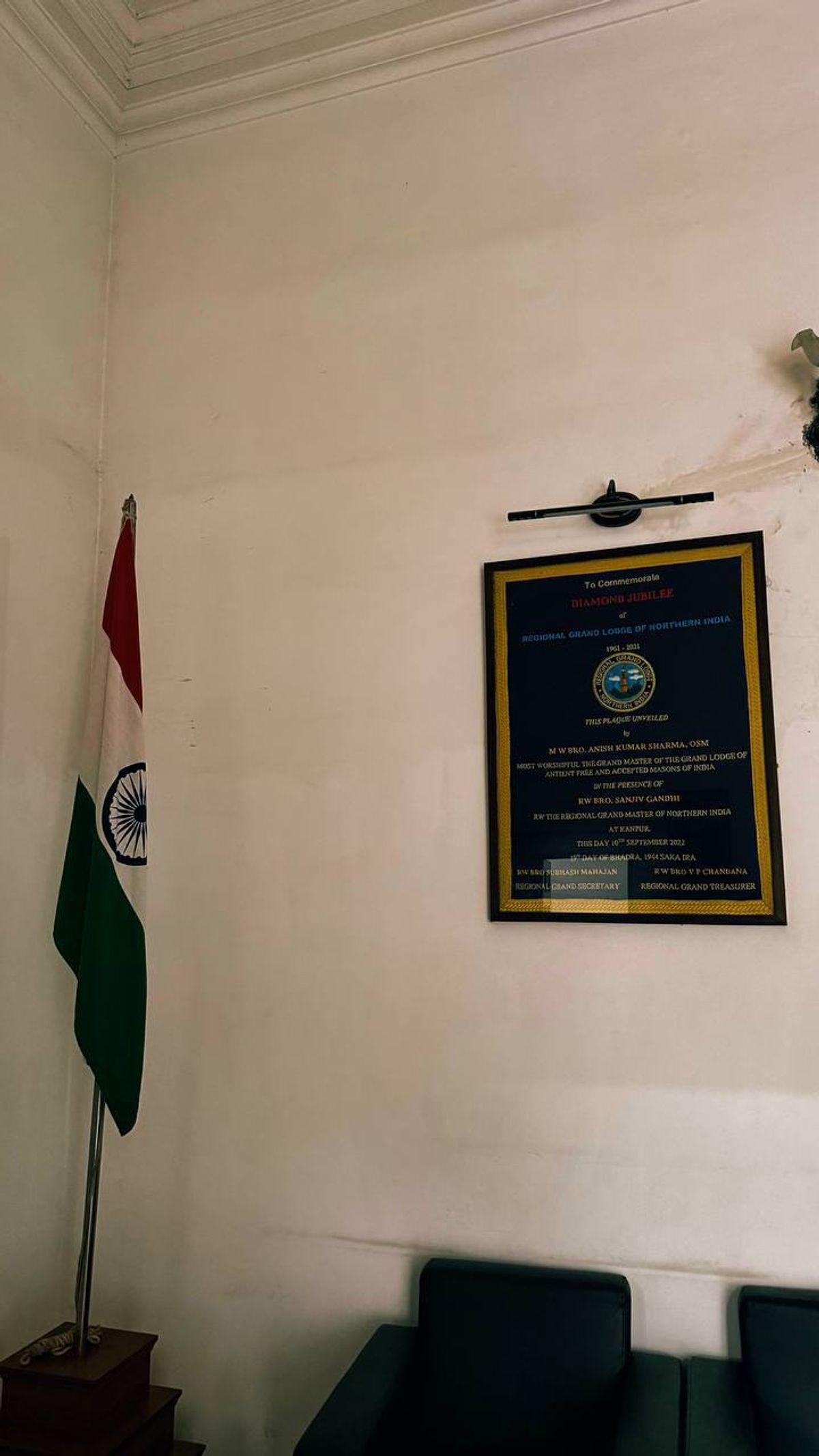
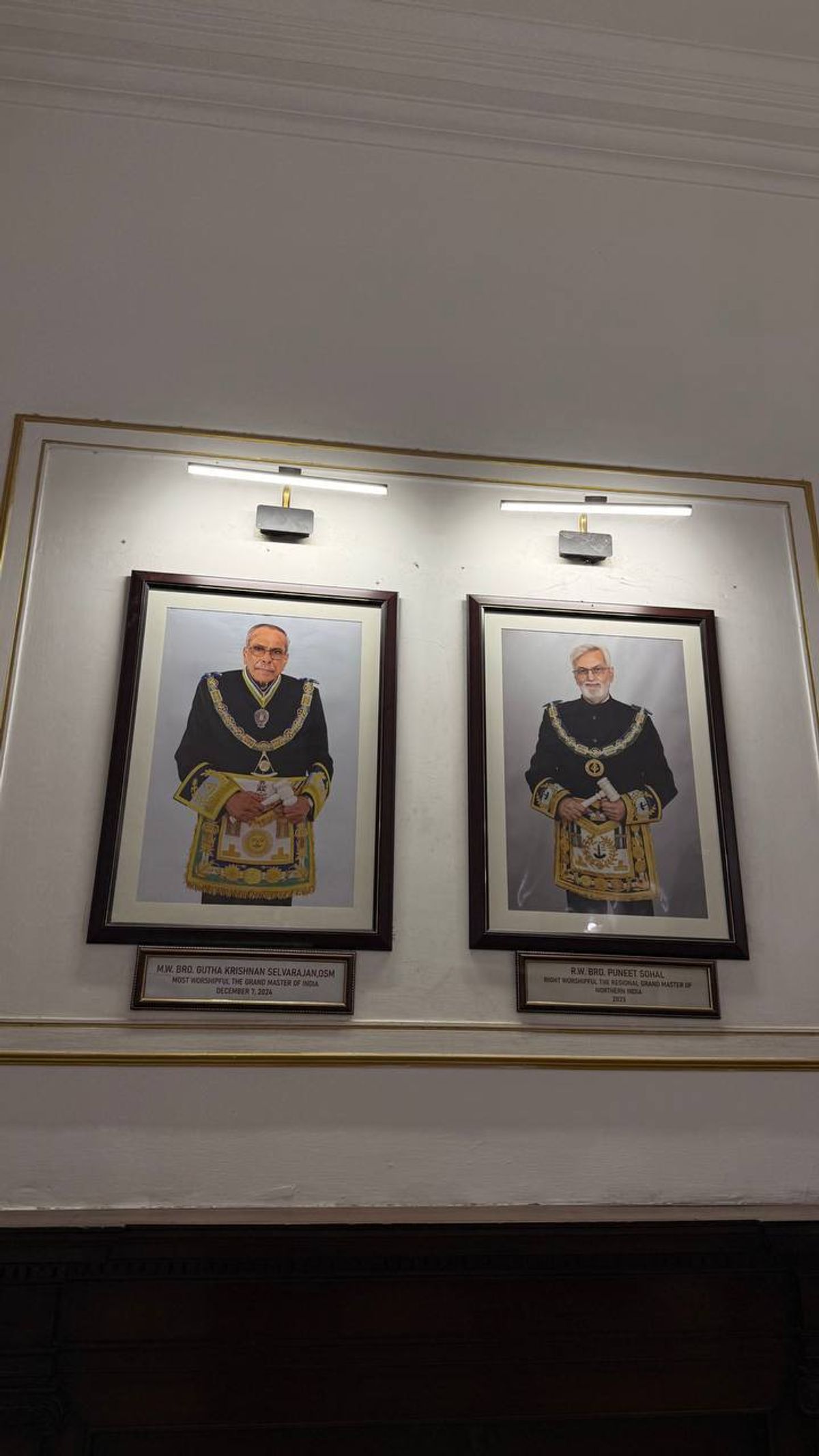
Walking through those halls, you feel like you've stepped back in time — into the colonial era — yet the centuries-old traditions continue unbroken into our present day. The atmosphere is unlike anything else in modern Delhi.
Charitable Works: True to Masonic principles, the Delhi center runs the General Williams Masonic Polyclinic, established in 1972, offering affordable healthcare to the public. There's also a Masonic Eye Centre with state-of-the-art equipment for cataract surgeries, and elsewhere in India, Masonic charities include schools for disabled children, tsunami relief housing and village development projects.
A Personal Reflection: Building Temples Within
For me personally, it was fascinating to compare the experience of Freemasonry in Russia and India. Everywhere, the Brotherhood is colored by local culture — the rituals have their own flavor, the conversations reflect different concerns, the architecture tells different stories.
But at its core, the same idea remains: to build a temple not of stone, but within oneself.
In a country as spiritually rich as India, where self-development and inner transformation are already woven into the cultural fabric through yoga, meditation and countless philosophical traditions, Freemasonry finds perhaps its most natural home. The values of moral improvement, charitable service and universal brotherhood resonate deeply with India's own ancient wisdom.
And that, I think, is why Swami Vivekananda himself — a man who would become one of the world's great spiritual teachers — saw fit to join this Brotherhood of builders.
Practical Information
Freemasons' Hall, Delhi
Address: Janpath, Connaught Place, New Delhi – 110001
Location: Next to Imperial Hotel, near Jantar Mantar
Grand Lodge of India
Website: grandlodgeofindia.in
Regional Headquarters: New Delhi, Kolkata, Mumbai and Chennai
Can You Visit? Masonic lodges are not open to the general public for regular meetings, but the grounds and some facilities (like the Polyclinic) are accessible. The building's exterior and gardens are visible from Janpath.
How to Join: Freemasonry does not recruit members — candidates must approach of their own free will. Requirements include belief in a Supreme Being, good moral character and typically a recommendation from an existing member. Applications are reviewed and voted upon by lodge members.
Have you encountered Freemasonry in your travels? Are you curious about secret societies and fraternal organizations? Share your thoughts in the comments below.