Every time you see a queue outside an Indian temple, you're looking at an economy.
Not a metaphor. An actual, functioning economy — with supply chains, employment hierarchies, seasonal demand cycles and revenue streams that would make some publicly listed companies blush.
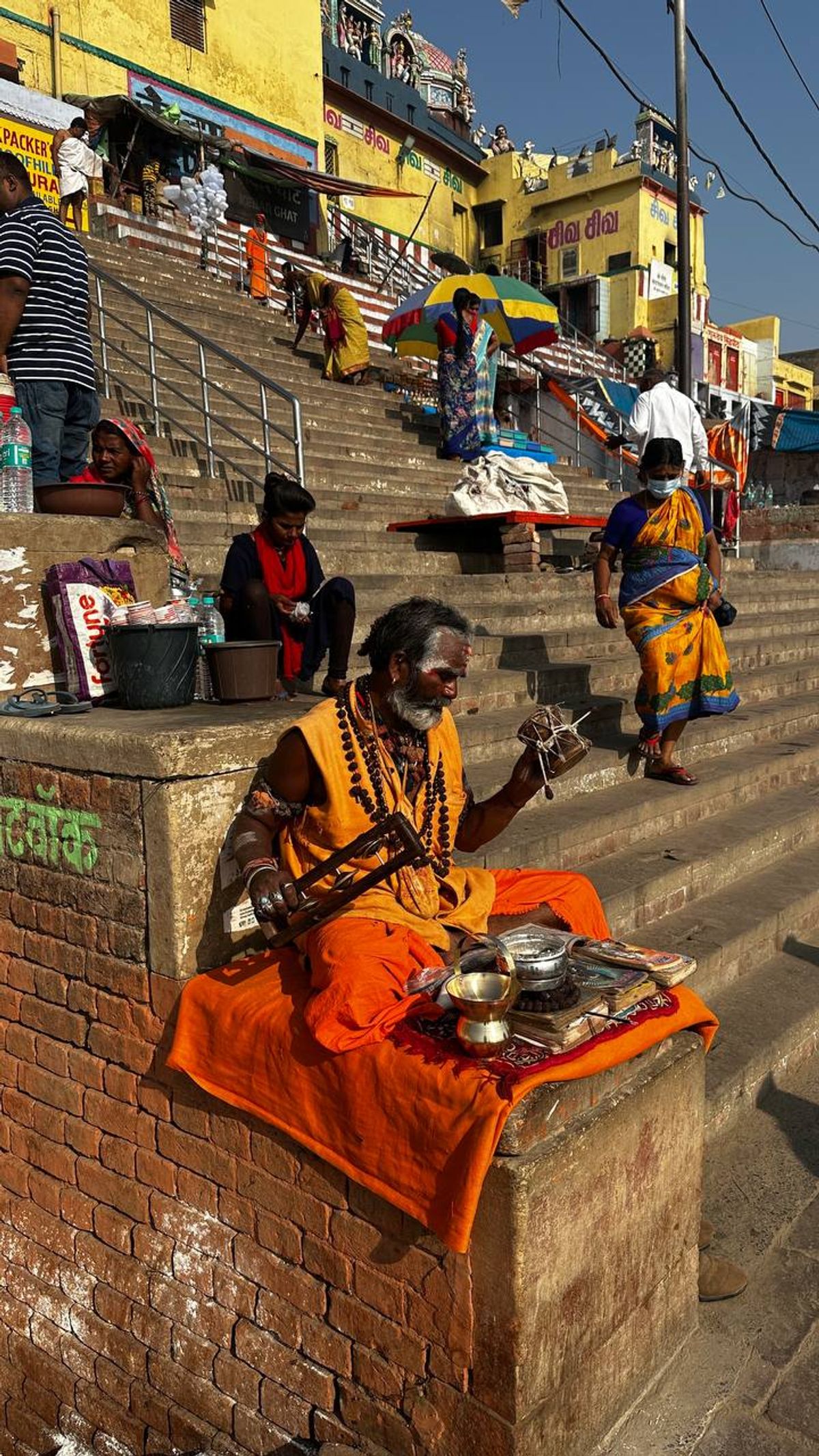
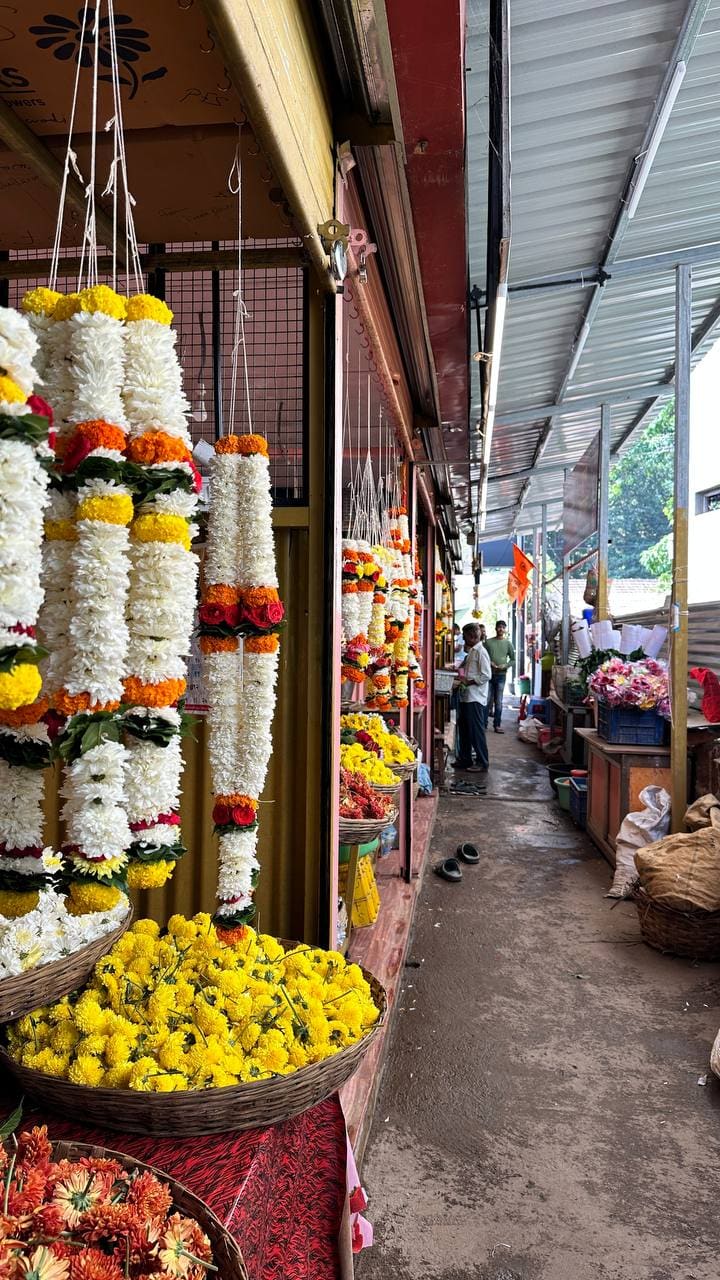
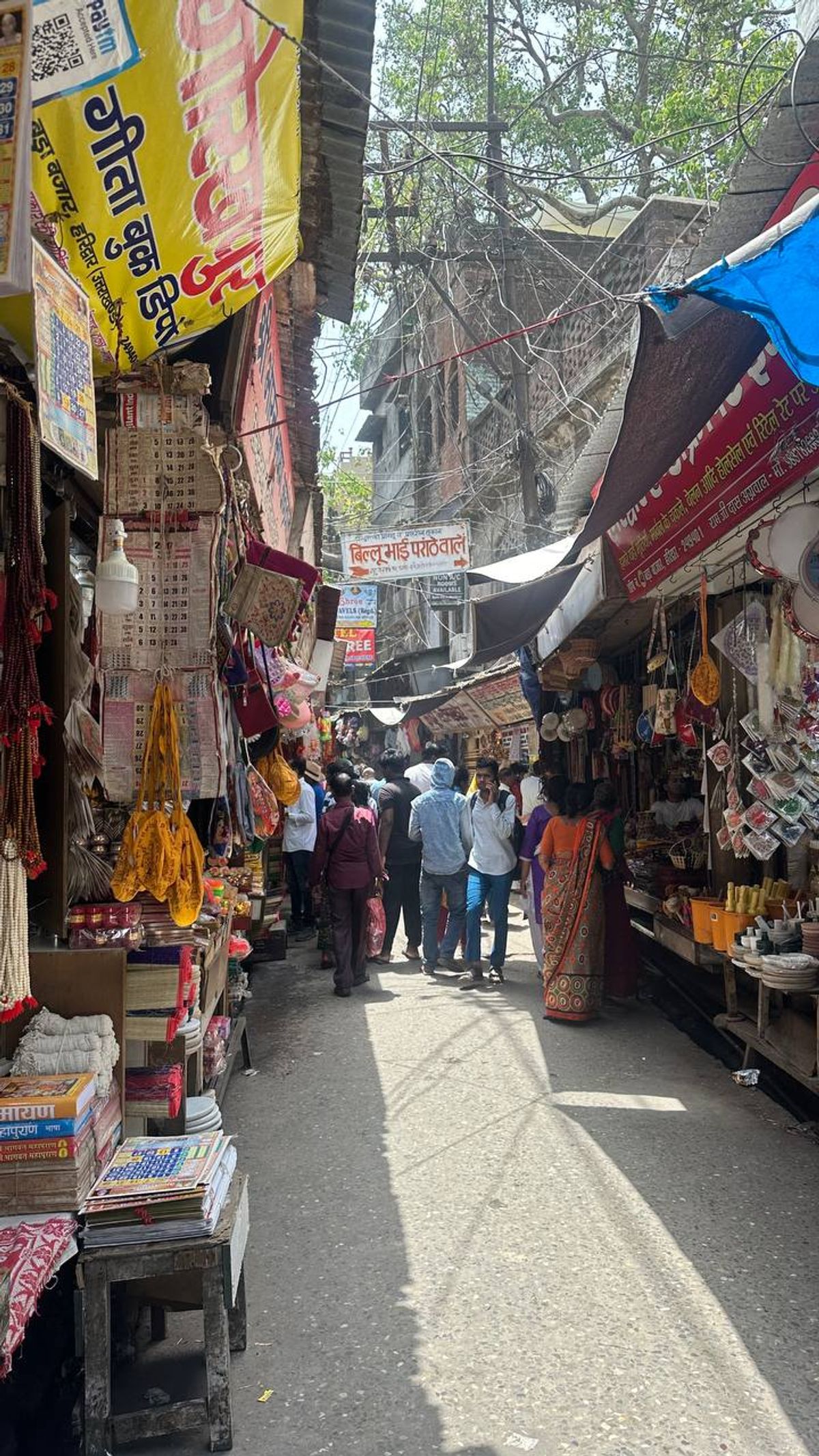
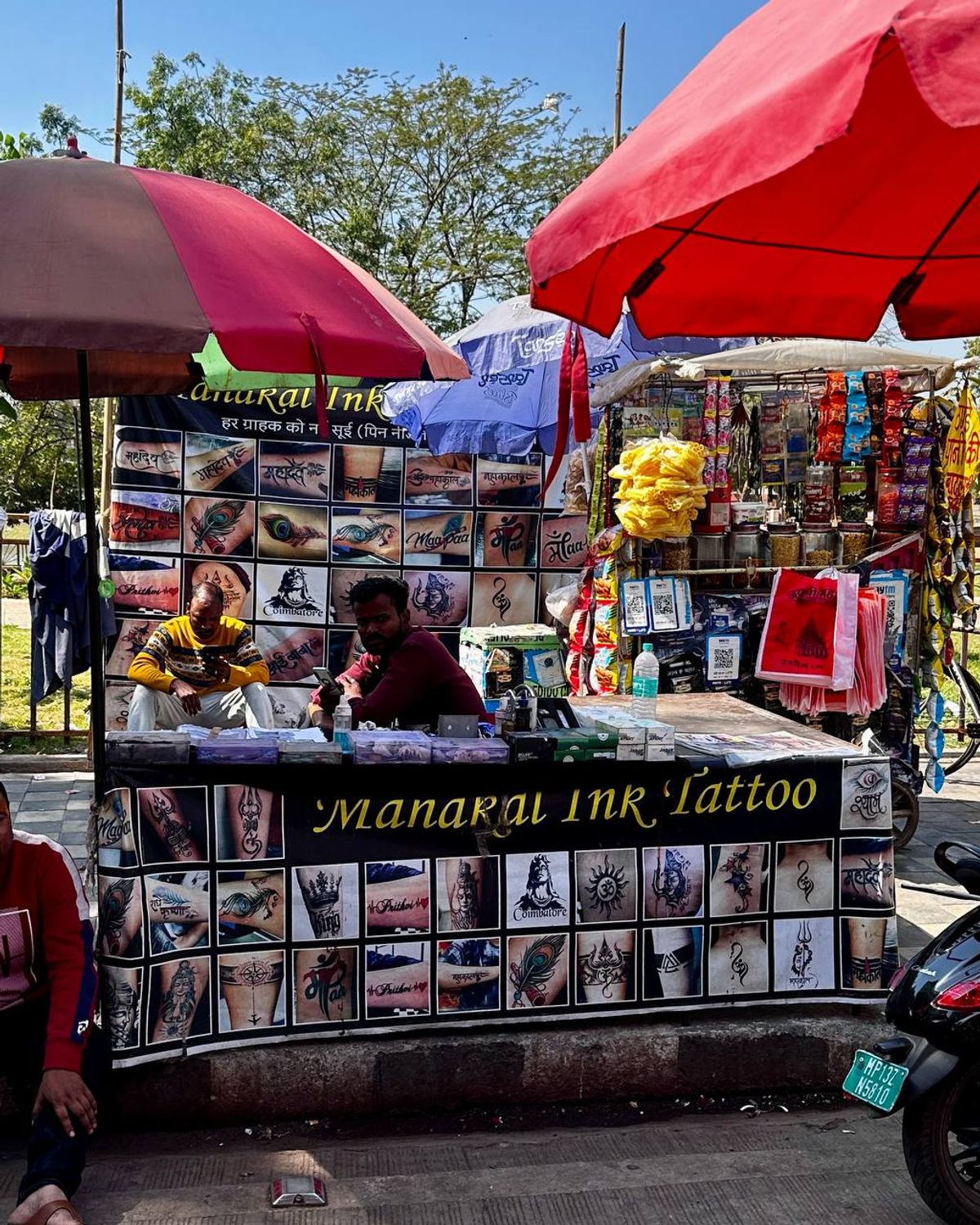
I've spent years living in India, visiting temples in over 40 cities, and the pattern became impossible to ignore. Around every shrine — from a giant hilltop complex to a tiny neighborhood mandir — an entire universe springs to life: guesthouses, flower stalls, workshops producing garlands and incense, street food vendors, barber shops for pilgrim tonsures, photo booths, astrologers of every school and persuasion, fortune tellers and even tattoo parlors specializing in religious designs. Everyone is offering something. Everyone is part of the same living ecosystem, powered by faith.
And the numbers behind this ecosystem are staggering.
The Scale No One Talks About
According to India's National Sample Survey Office (NSSO), the temple economy is valued at approximately ₹3.02 lakh crore — roughly $40 billion — representing about 2.32% of India's entire GDP. To put that in perspective, that's larger than the GDP of most countries in Africa and comparable to the entire economic output of nations like Jordan or Bahrain.
But the NSSO figure captures only the formal temple economy. The broader religious and spiritual market — encompassing temples, pilgrimage tourism, astrology services, online puja platforms, spiritual goods and clothing — was estimated at nearly $59 billion in 2024, with projections suggesting it could nearly triple to over $150 billion by 2034, growing at 7.6% annually. That growth rate outpaces India's overall GDP growth.
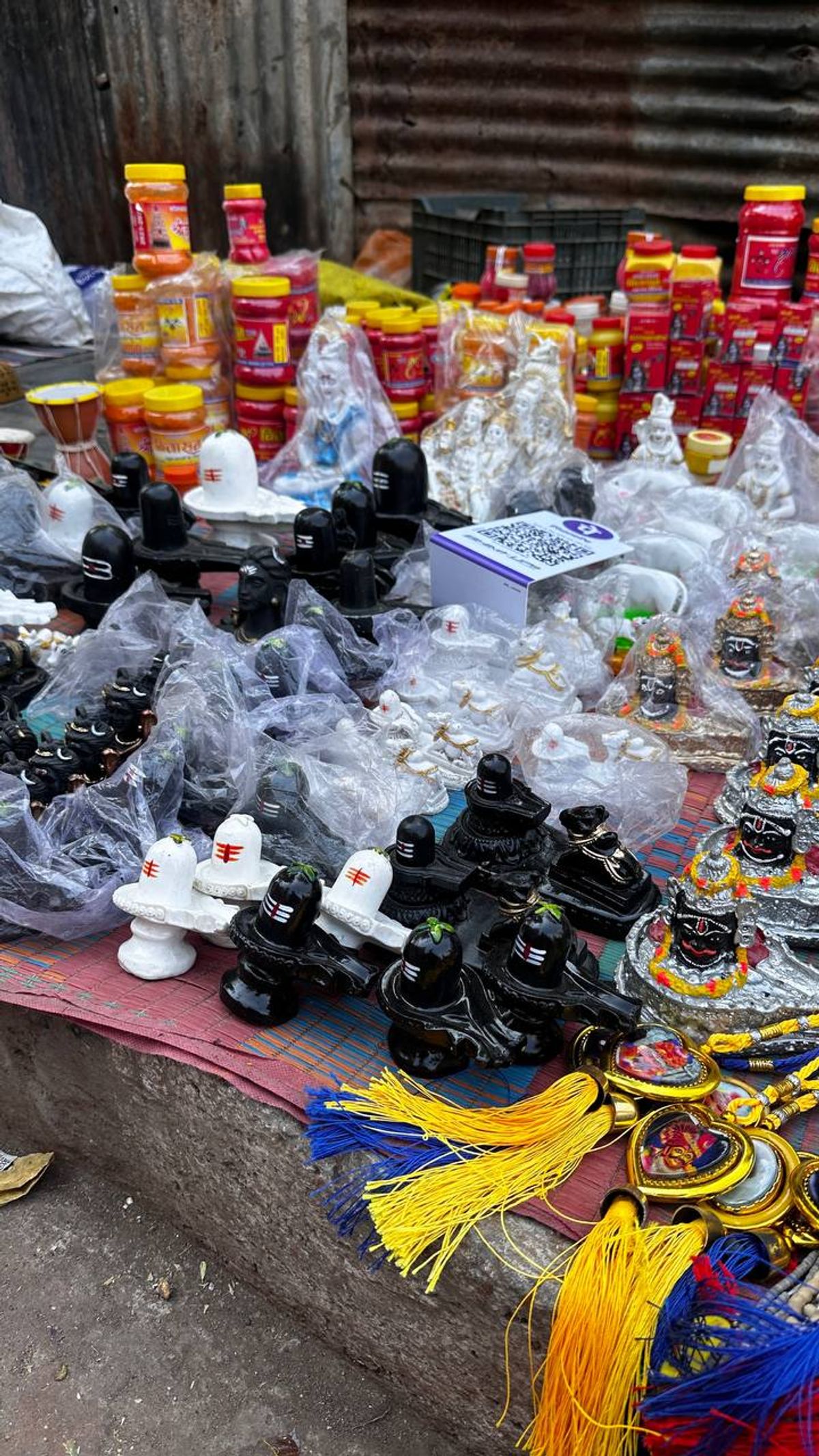
India is home to approximately 1.8 million temples. Not thousands — millions. Tamil Nadu alone has over 79,000. Maharashtra follows with more than 77,000. Each one, regardless of size, functions as a nucleus of economic activity: from the priest performing the morning aarti to the woman weaving jasmine garlands at the gate, from the bus driver bringing families from three states away to the chai wallah who's been serving tea at the same corner for forty years.
Pilgrimage Is Tourism. Tourism Is Pilgrimage.
Here's something that reshapes how you understand India once you grasp it: for the majority of Indian domestic travelers, pilgrimage is tourism. According to government estimates, roughly 55% of all domestic tourism in India is religious tourism. For millions of families, a trip to Tirupati or Varanasi or Vaishno Devi is their annual holiday — often the first real journey they've ever taken.
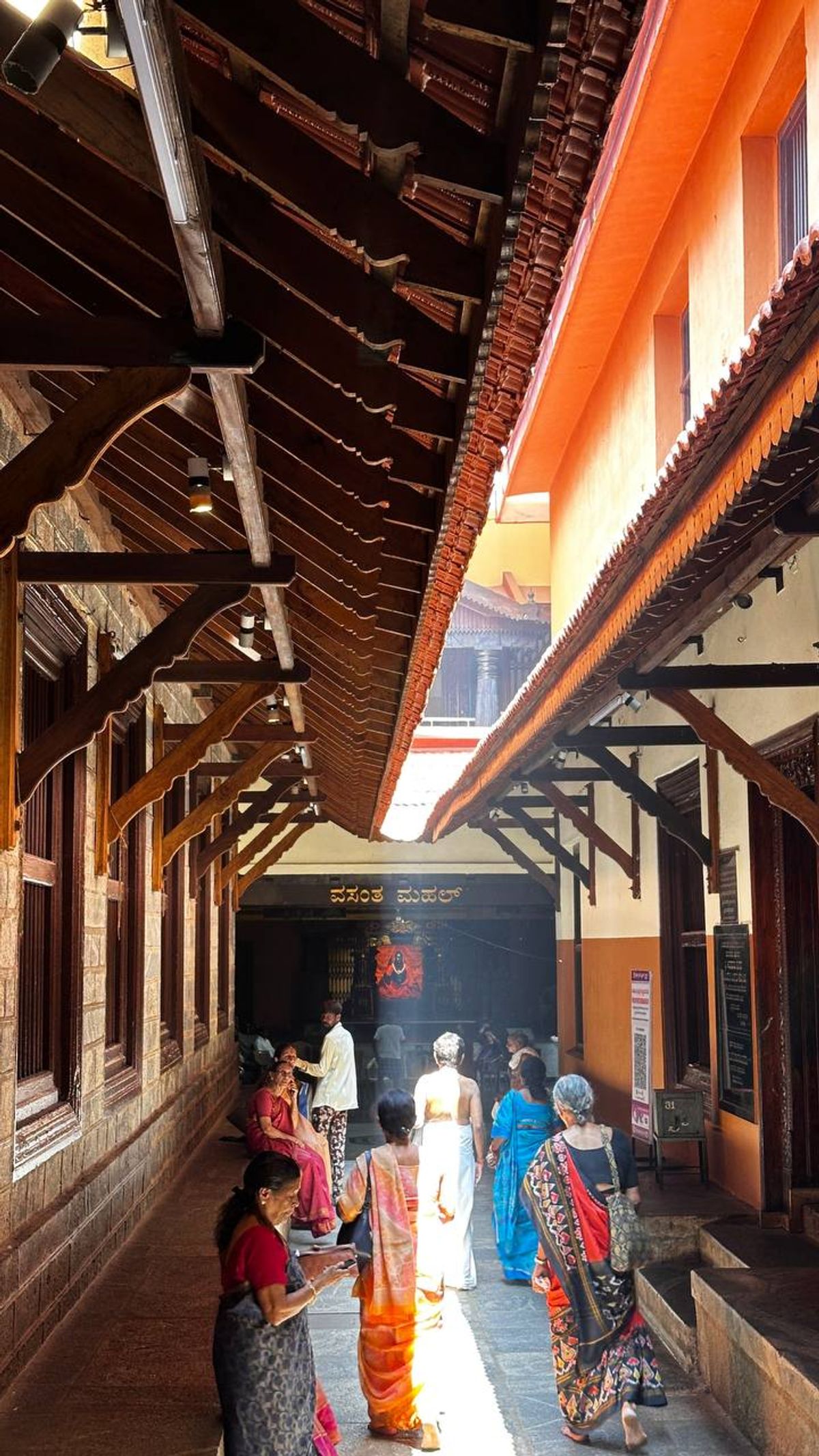
The NSSO data shows that Hindus alone spend approximately ₹4.74 lakh crore (around $57 billion) annually on religious travel. The average daily expenditure per pilgrim is ₹2,717 — higher than the average spending on educational travel and more than double that of social travel. That translates to roughly ₹1,316 crore flowing through India's pilgrimage economy every single day.
And it's not a niche market. The travel and tourism industry in India employs over 80 million people, with religious tourism forming its backbone. After the renovation of the Kashi Vishwanath corridor in Varanasi, annual visitors surged from about 8 million to over 70 million. The Kedarnath reconstruction saw pilgrimage numbers jump from around 4–5 lakh to multiple times that figure. Build the infrastructure, and the pilgrims will come — because they've always been coming. The question was never demand. It was access.
The Temples That Run Like Corporations
Some Indian temples are not just places of worship — they are, in operational terms, large institutions with the complexity and revenue of multinational organizations.
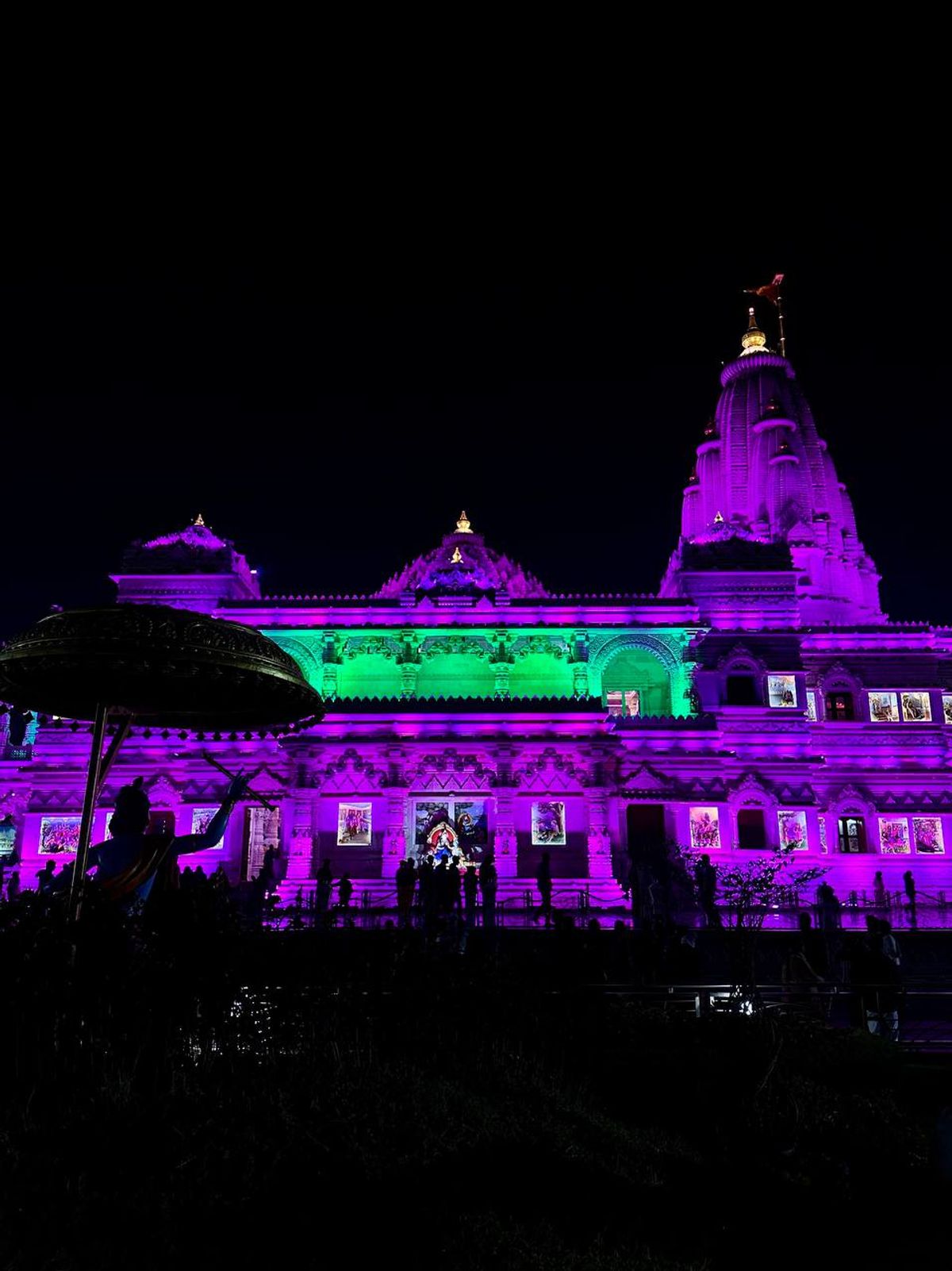
Tirumala Tirupati Devasthanams (TTD) manages the Tirupati Venkateswara Temple in Andhra Pradesh, the most visited religious site in the world. In 2024, the temple received approximately 25.5 million pilgrims — roughly 70,000 per day. Its annual hundi (donation box) collection alone exceeds ₹1,500–1,650 crore (approximately $180–200 million). Devotees also deposit hundreds of kilograms of gold annually. The temple employs thousands directly and tens of thousands indirectly through the hospitality, transport, food and retail networks that surround it. TTD runs its own hospitals, educational institutions and social welfare programs — a self-contained ecosystem funded almost entirely by faith.
One detail captures the scale perfectly: the temple's famous Tirupati Laddu — the sweet given as prasadam — carries a Geographical Indication (GI) tag, making it a legally protected product. Only the temple trust can produce or sell it. It's the spiritual equivalent of champagne having to come from Champagne.
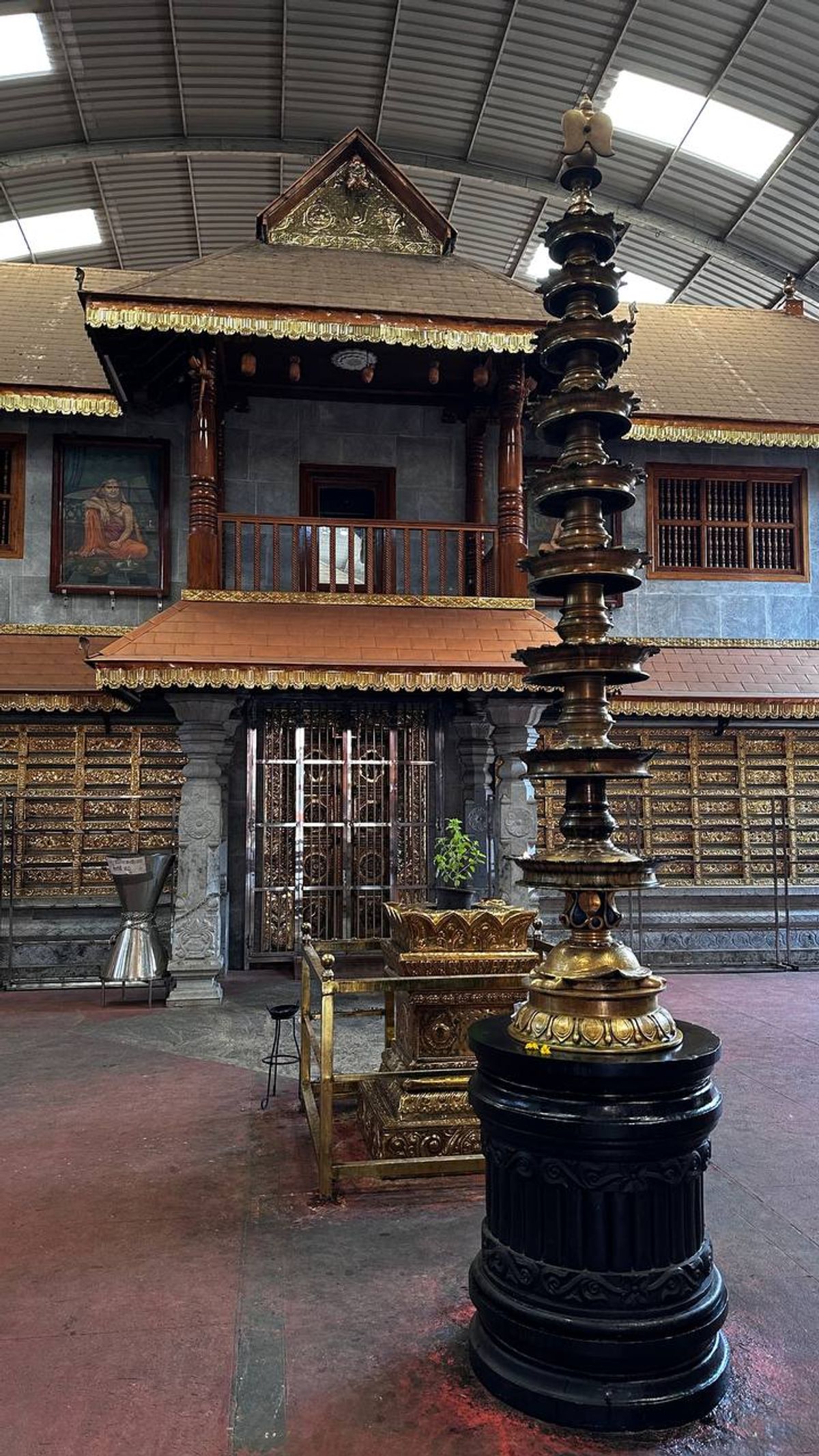
Padmanabhaswamy Temple in Thiruvananthapuram, Kerala, is the richest temple in the world by stored wealth. When the Indian Supreme Court ordered its underground vaults opened in 2011, investigators found 800 kilograms of gold coins, an 18-foot pure gold chain, a gold sheaf weighing 500 kilograms, over 2,000 gold ornaments, a pure golden throne studded with diamonds and sacks of rubies, sapphires, emeralds and other precious stones. The estimated value of what was found exceeds $22 billion — and one of the six vaults remains unopened. The treasure had been accumulating for centuries, donated by the Chera, Pandya and Chola dynasties, the Travancore royal family and countless devotees.
The Invisible Workforce
The most remarkable thing about the temple economy isn't the headline numbers — it's who benefits.
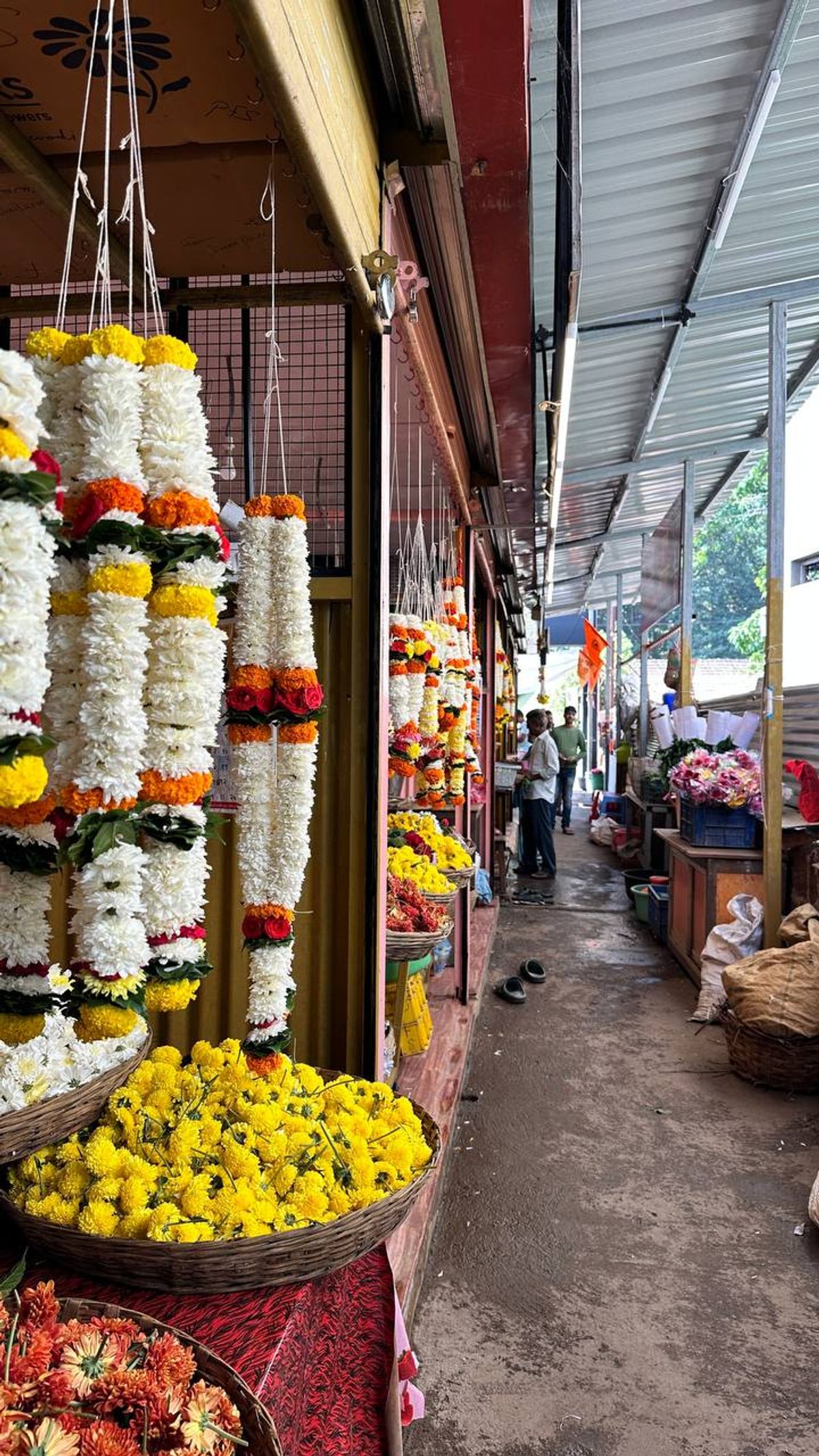
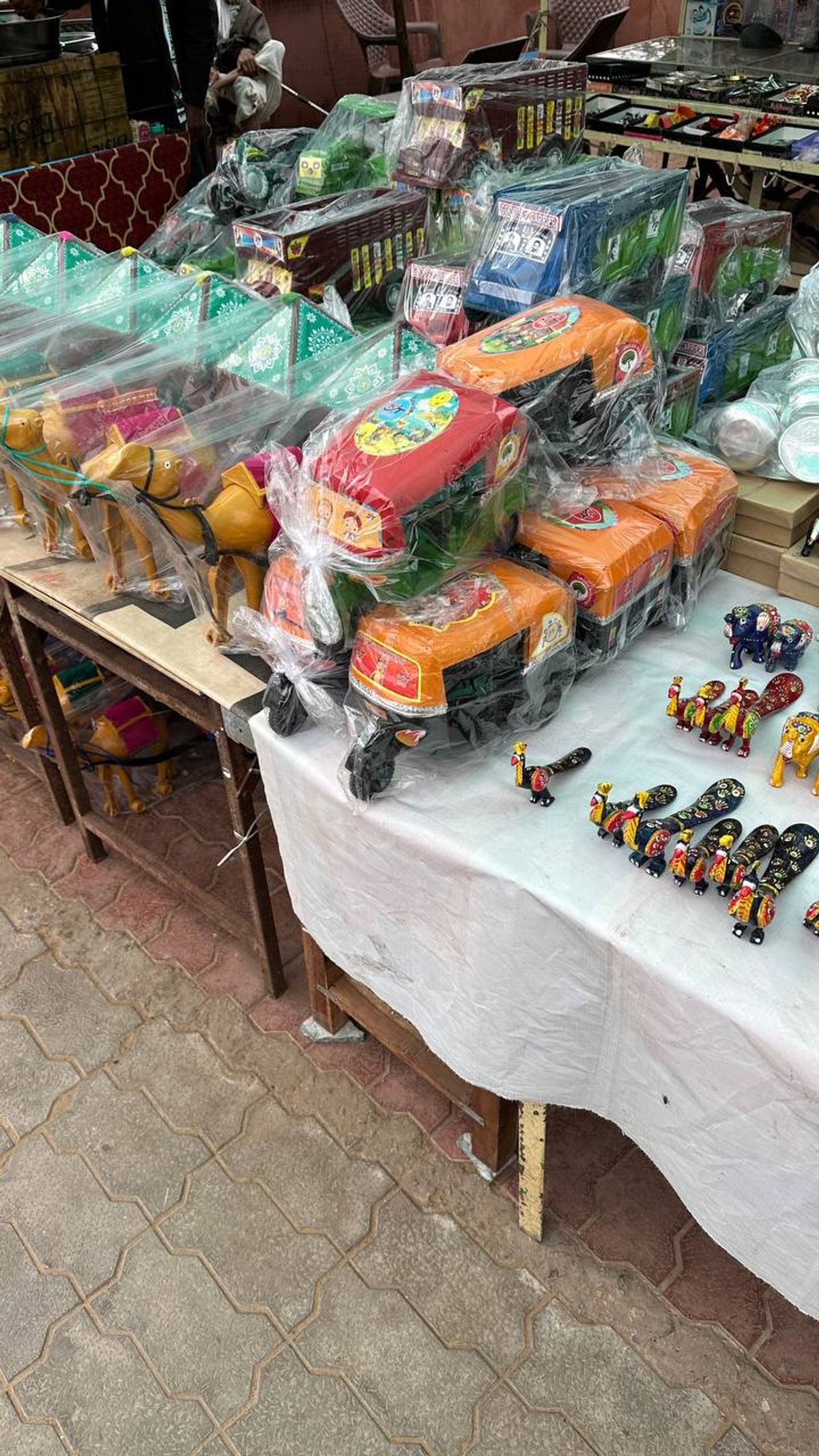
The ecosystem sustains a vast informal workforce that rarely appears in any economic statistics: garland makers, coconut sellers, incense producers, idol sculptors, musicians, cooks preparing prasadam, rickshaw drivers, dharmashala operators, photographers, sandal paste vendors and the countless women sitting on temple steps selling flowers for ₹10 a bundle. These are not corporate employees. They are families who have been doing this for generations, and their livelihoods are directly, inextricably tied to the temple a hundred meters away.
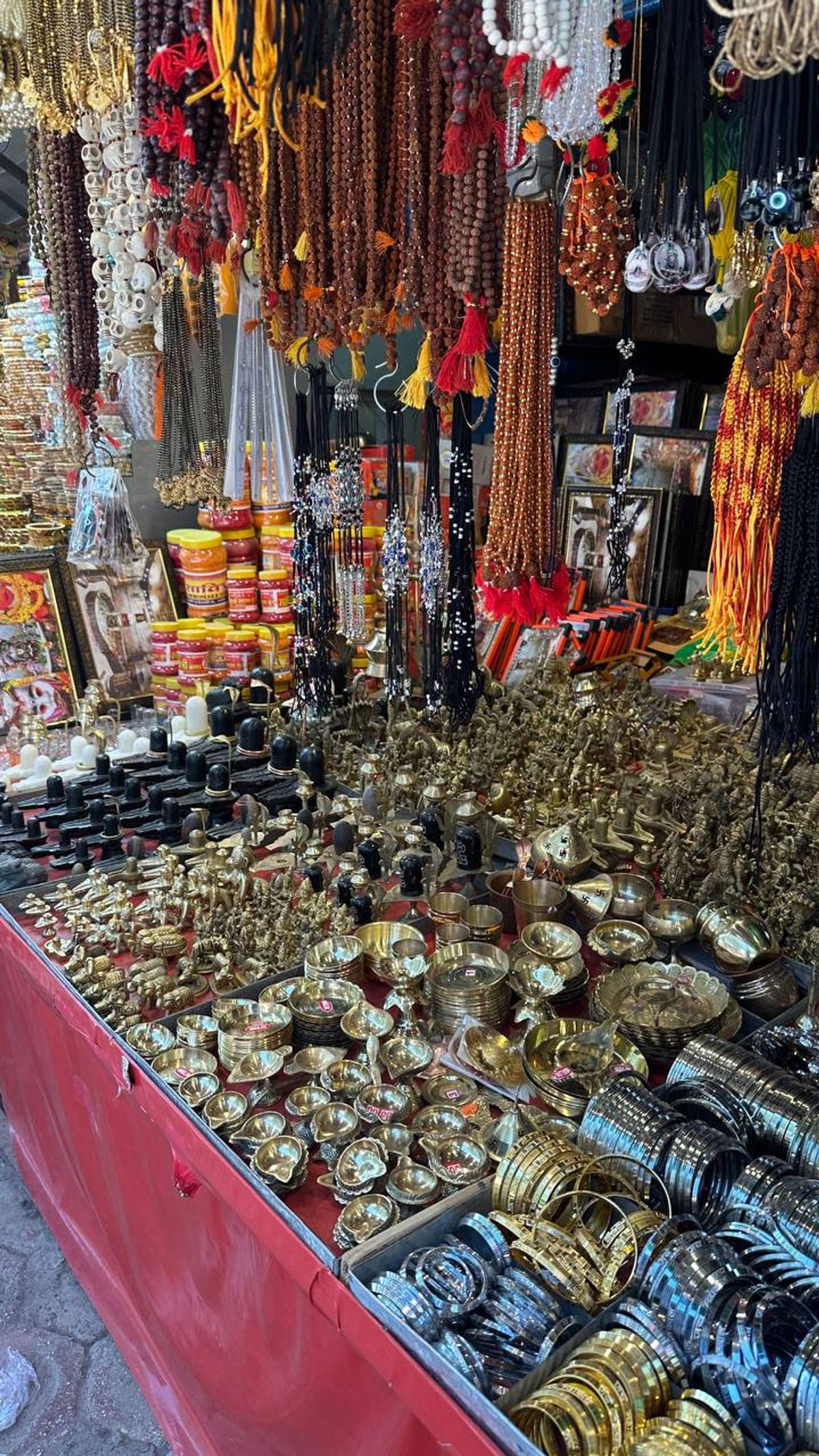
What's even more striking: the temple economy is secular in its impact. According to studies, nearly 90% of those earning a living from the Amarnath and Vaishno Devi pilgrimages are non-Hindu — primarily Muslim traders, porters and hotel operators. Around 60% of those associated with Somnath Temple's economy are from non-Hindu communities. The temple draws devotees of one faith but feeds families of all faiths. It's one of the most quietly inclusive economic engines in India.
Why This Matters Beyond Economics
India's Prime Minister has spoken about religious circuits — the Ramayana circuit, the Buddha circuit, the Krishna circuit — as strategic tourism corridors. There's a recognition at the policy level that temples are not just cultural heritage but economic infrastructure. The Mahakal Corridor in Ujjain, the Kashi Vishwanath Corridor in Varanasi, the Kedarnath reconstruction and the Somnath project are not purely religious projects. They are economic development strategies dressed in temple architecture.
The government's ambition is to attract over $100 billion in foreign direct investment in the tourism sector and create 100 million jobs. And the foundation of that ambition is pilgrimage — the oldest and most persistent form of travel in Indian civilization.
What This Means for a Traveler
For a traveler visiting India, understanding the temple economy transforms how you see the country. That line of shops leading to a shrine isn't clutter — it's a living business district that predates modern retail by centuries. That man selling coconuts at the temple gate isn't a random vendor — he might be the third generation of his family doing exactly this, at exactly this spot. The woman threading marigolds at 4 AM isn't just making garlands — she's supplying a daily demand that hasn't stopped in a thousand years.
Every Indian temple is a gravitational center — of spiritual energy, of human flow and of business in every format imaginable, from priests to coconut sellers, from gold donations to ₹10 flower bundles. A living organism around which an enormous layer of India's economy continues to revolve.
And maybe that's the most Indian thing about it: the sacred and the commercial have never been separate here. They never were. The temple is the marketplace. The marketplace is the temple. And between them, they move more people, more money and more meaning than most modern institutions ever will.