Pick up any Indian banknote. Turn it over. There, in a neat panel on the left side, you'll find the denomination written not once or twice, but in fifteen different languages. Add Hindi and English from the front, and you have seventeen ways to say "one hundred rupees" on a single piece of paper.
This isn't a decorative gesture. It's necessity. According to the 2011 census, India has 122 major languages and roughly 1,600 additional dialects. The People's Linguistic Survey of India puts the total even higher — at 780 distinct languages, second only to Papua New Guinea. Some linguists claim the true count exceeds 19,500 if you include every dialect and regional variant.
How does a democracy function with this kind of linguistic diversity? The short answer: messily, inventively, and with a lot of code-switching.
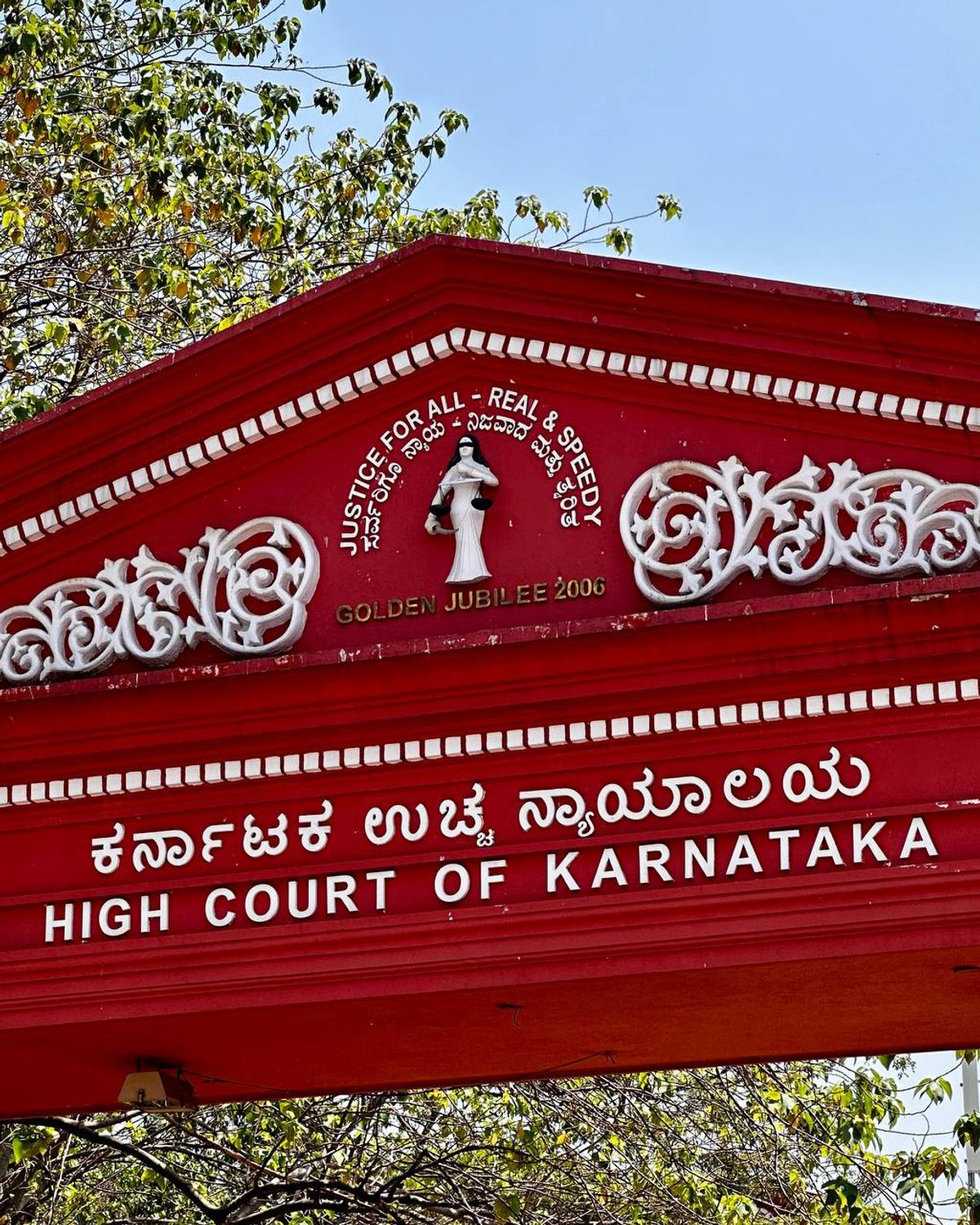
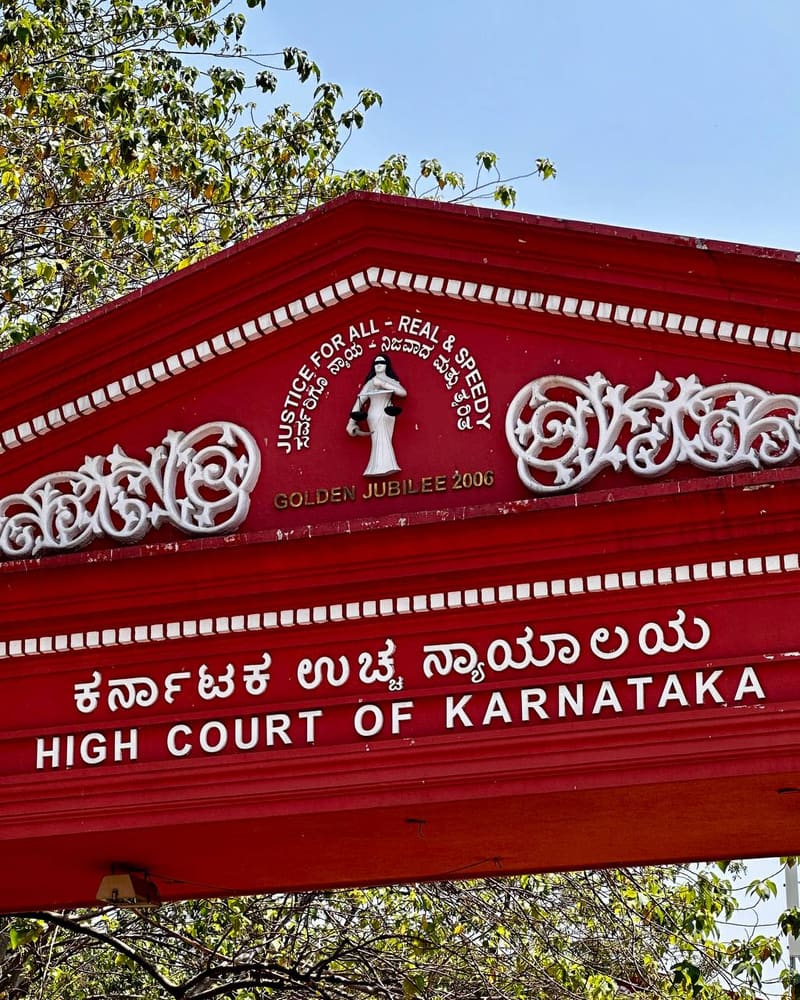
Those fifteen languages in the currency panel — Assamese, Bengali, Gujarati, Kannada, Kashmiri, Konkani, Malayalam, Marathi, Nepali, Odia, Punjabi, Sanskrit, Tamil, Telugu, and Urdu — represent a cross-section of India's official linguistic diversity. Combined with Hindi and English on the obverse, they cover the 22 "scheduled languages" recognized in the Indian Constitution's Eighth Schedule.
Even this impressive list leaves out millions of speakers. Bhili, with close to 10 million speakers, isn't on the panel. Neither is Gondi, spoken by over 2 million. The scheduled languages reflect political recognition as much as linguistic reality.
The diversity isn't just dialectal variation within a single family. India's languages span several entirely distinct families: Indo-Aryan (Hindi, Bengali, Marathi, Gujarati, Punjabi), Dravidian (Tamil, Telugu, Kannada, Malayalam), Sino-Tibetan (the languages of the Northeast), and Austroasiatic (tribal languages such as Santali).
Sanskrit: The Language That Shaped Everything
Among those seventeen languages sits one that almost nobody speaks as a mother tongue anymore: Sanskrit. The 2011 census recorded fewer than 25,000 people who claimed Sanskrit as their first language. Yet its presence on the currency isn't nostalgia — it's acknowledgment of a language that fundamentally shaped Indian civilization.
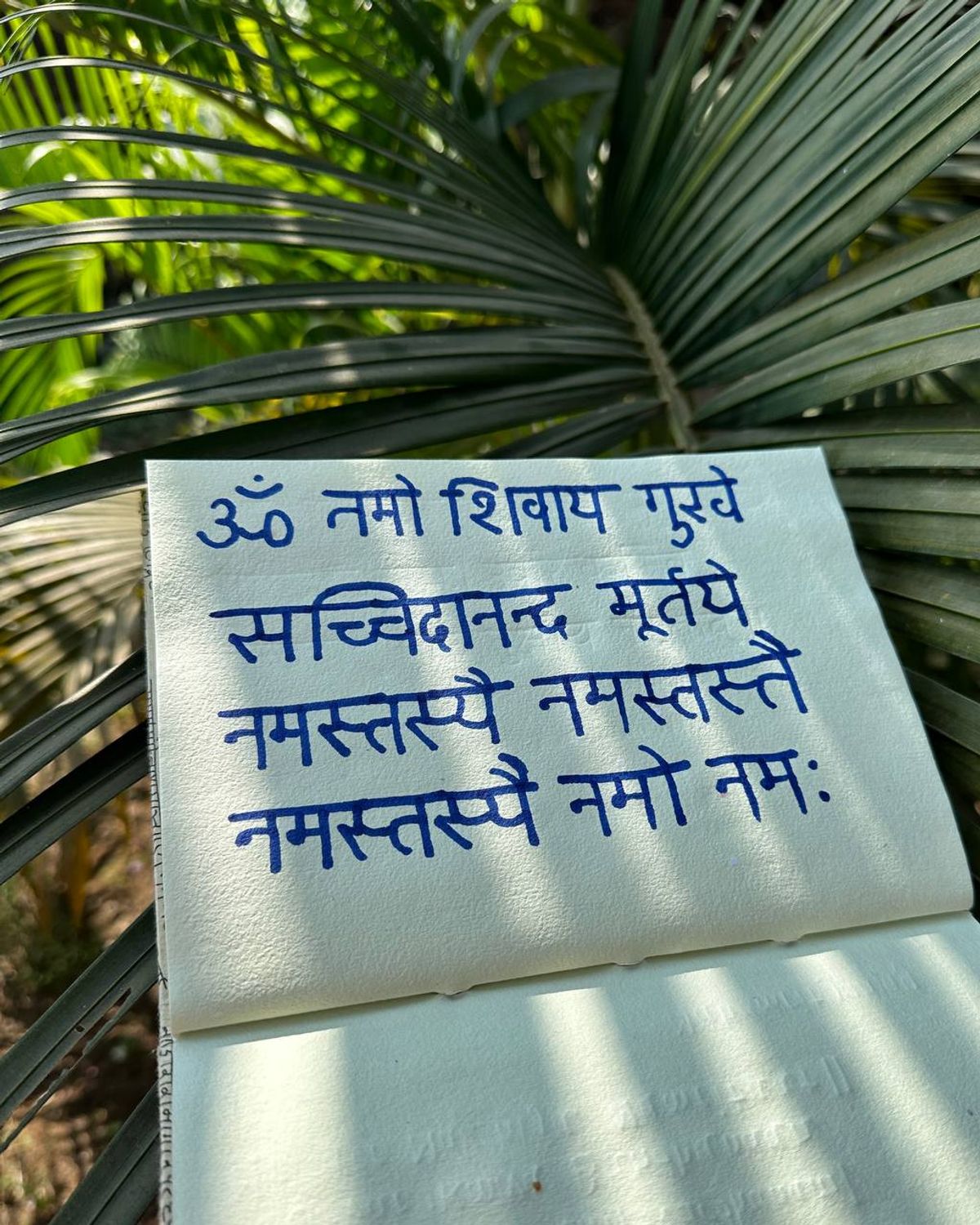
Sanskrit is one of the oldest documented languages in the world, with texts dating back over 3,500 years. The Vedas, Upanishads, Mahabharata, Ramayana — the foundational texts of Hindu philosophy, mythology, and law — were composed in Sanskrit. For over two millennia, it served as the language of scholarship, religion, and high culture across the subcontinent, much as Latin did in medieval Europe.
What makes Sanskrit remarkable, beyond its age, is its grammatical precision. In the 5th century BCE, the grammarian Panini composed the Ashtadhyayi, a text of roughly 4,000 rules that describes Sanskrit's structure with mathematical exactness. Linguists consider it one of the greatest intellectual achievements of the ancient world.
This precision attracted unexpected attention in 1985, when NASA researcher Rick Briggs published an article arguing that Sanskrit's unambiguous grammatical structure made it potentially suitable for knowledge representation in artificial intelligence systems. The paper sparked persistent claims that NASA declared Sanskrit the "best language for computers" — an exaggeration, but one highlighting something genuine about the language's logical structure.
Today, Sanskrit survives primarily in religious ritual, academic study, and as a source of vocabulary for modern Indian languages.
Hindi: The Contested Lingua Franca
Hindi is India's most widely spoken language, with approximately 528 million speakers claiming it as a first or second language — roughly 44% of the population. The central government promotes Hindi as the nation's primary official language, with English as an "associate" language.
But call Hindi India's "national language" in certain parts of the country, and you'll get an earful. The Indian Constitution deliberately avoids the term "national language." Hindi is an official language of the central government — a distinction with significant political weight.
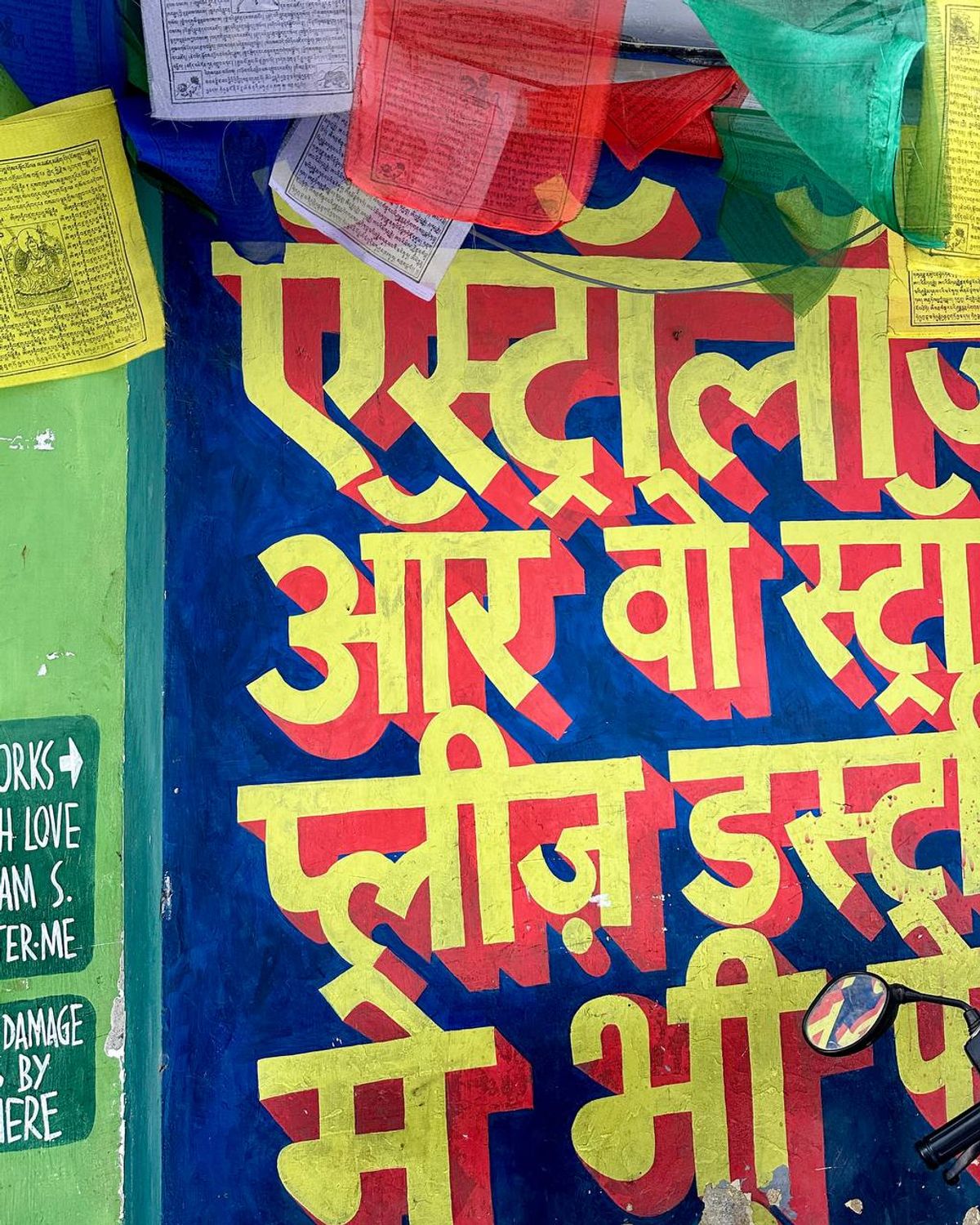
The resistance comes primarily from the south. Tamil Nadu, Kerala, Karnataka, and Andhra Pradesh speak Dravidian languages that belong to an entirely different linguistic family than Hindi. Tamil, in particular, has a literary tradition spanning over two thousand years, with classical texts rivaling Sanskrit in antiquity.
The conflict has deep roots. In 1937, when the Congress government of Madras Presidency tried to make Hindi compulsory in schools, protests erupted across Tamil Nadu. Similar protests broke out in 1965, when the central government prepared to make Hindi the sole official language. Students self-immolated. Riots spread. The government backed down.
The irony is that this conflict elevated English — the colonial language — into a neutral bridge. A Tamil engineer and a Punjabi businessman are more likely to communicate in English than in Hindi.
The Scripts of the South
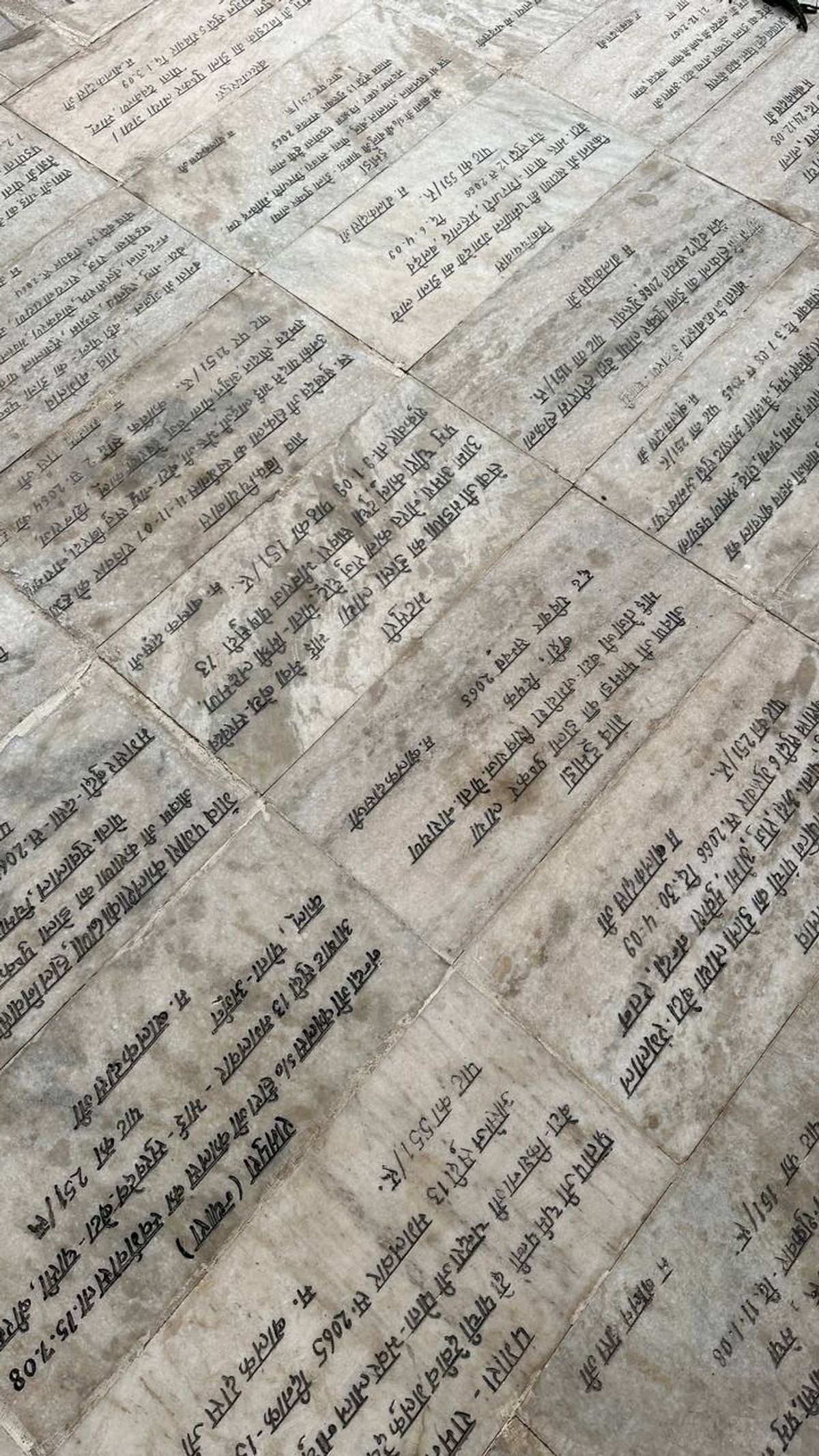
Northerners sometimes joke about southern Indian scripts, calling them "jalebi languages" after the spiral-shaped sweet. Look at Tamil (தமிழ்), Malayalam (മലയാളം), Kannada (ಕನ್ನಡ), or Telugu (తెలుగు), and you'll see why — their characters are full of curves, loops, and circular forms that contrast sharply with the angular letters of Devanagari.
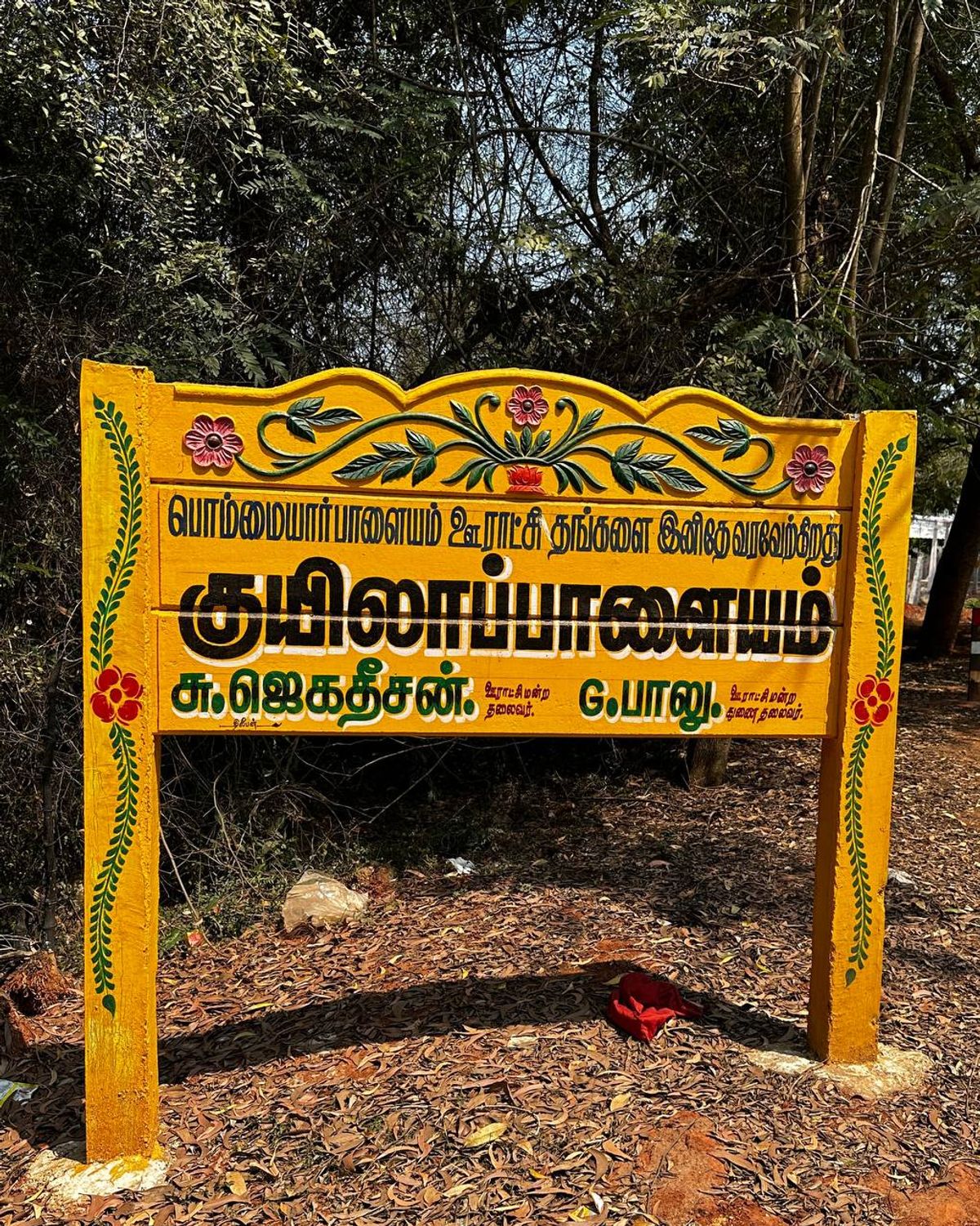
The difference isn't arbitrary. It reflects the writing materials historically used in each region. South India's palm-leaf manuscripts called for rounded strokes — straight lines would tear the delicate leaves along their grain. North India's birch bark handled angular letters without damage. The climate shaped the strokes, and the strokes, in time, became cultural identity.
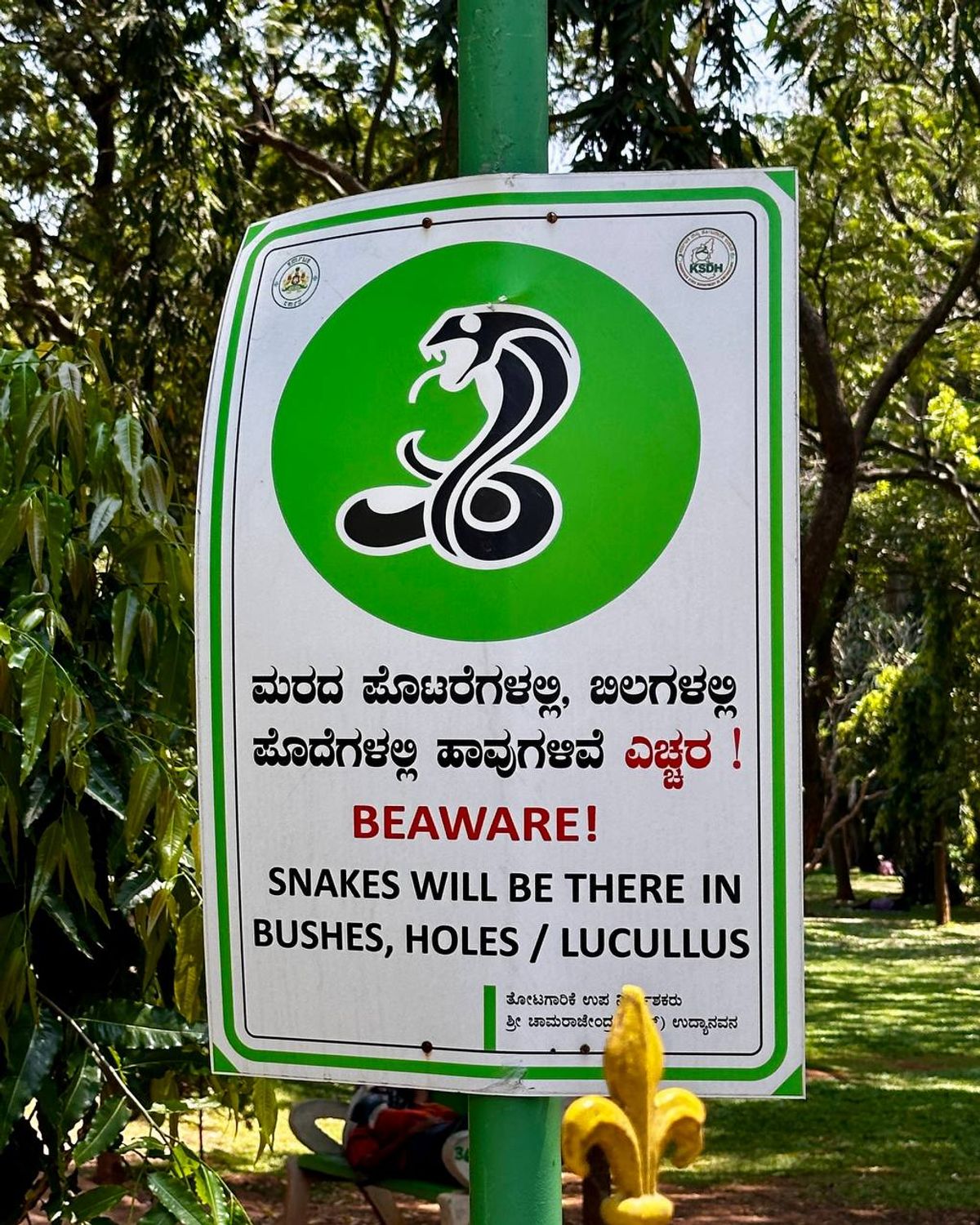
For southerners, their scripts aren't just writing systems — they're visible markers of distinct civilizations with independent literary traditions stretching back millennia.
Hinglish: The Language Nobody Taught
Walk through any Indian city, scroll through Indian social media, or watch contemporary Bollywood films, and you'll encounter something that didn't exist a generation ago: Hinglish.
"Kal morning mein meeting hai." "Yaar, let's order something spicy." "That was so bakwaas, totally not worth it."
Hinglish isn't Hindi with English words sprinkled in. It's a distinct register — a systematic way of blending the two languages that follows implicit grammatical rules. Speakers switch between languages mid-sentence, mid-phrase, sometimes mid-word, in patterns that feel completely natural to bilingual Indians.
The phenomenon took off in the 1990s with the arrival of MTV India, Channel V, and advertising that targeted urban youth. Pepsi's 1998 campaign "Yeh Dil Maange More!" became a cultural touchstone — proof that mixing languages wasn't broken English or corrupted Hindi, but something new and vibrant.
Today, Hinglish dominates Bollywood dialogue, advertising copy, social media, and everyday urban conversation. Linguist David Crystal estimated in 2004 that Hinglish speakers might eventually outnumber native English speakers worldwide. With over 350 million potential Hinglish speakers in India alone, the prediction looks increasingly plausible.
The 36% Problem
Here's a striking statistic: if you randomly pick two Indians, there's only a 36% chance they share a language they both understand. India's linguistic diversity index of 0.914 means that 91.4% of random pairings will involve people with different mother tongues.
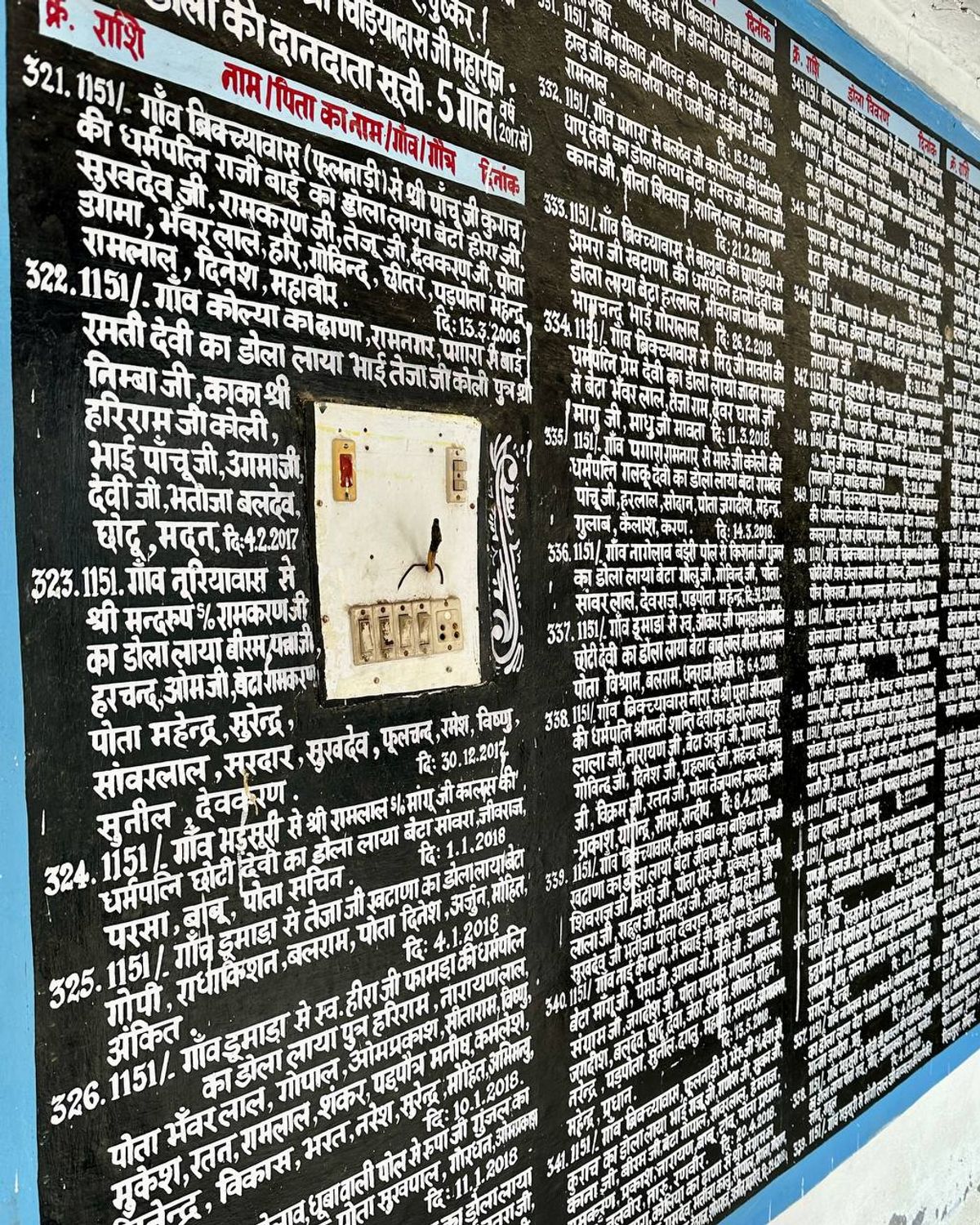
This creates practical challenges that most nations never face. How do you administer a democracy when voters in different states can't read the same ballot? How do you build a national market when advertising must be localized for dozens of languages?
India's solutions are characteristically improvisational. The three-language formula in education — requiring students to learn their regional language, Hindi, and English — aims to create trilingual citizens who can bridge linguistic divides. National media operates in parallel language universes. Bollywood serves as a partial unifier, though regional film industries often outperform Hindi films in their home markets.
Technology increasingly fills the gaps. Google Translate, voice assistants that understand Hinglish, and social media that flows freely between languages all make multilingual communication easier than ever.
The Sound of Unity in Diversity
India's linguistic situation would be a crisis in most countries. Here, it's simply normal — the background condition against which everything else operates.
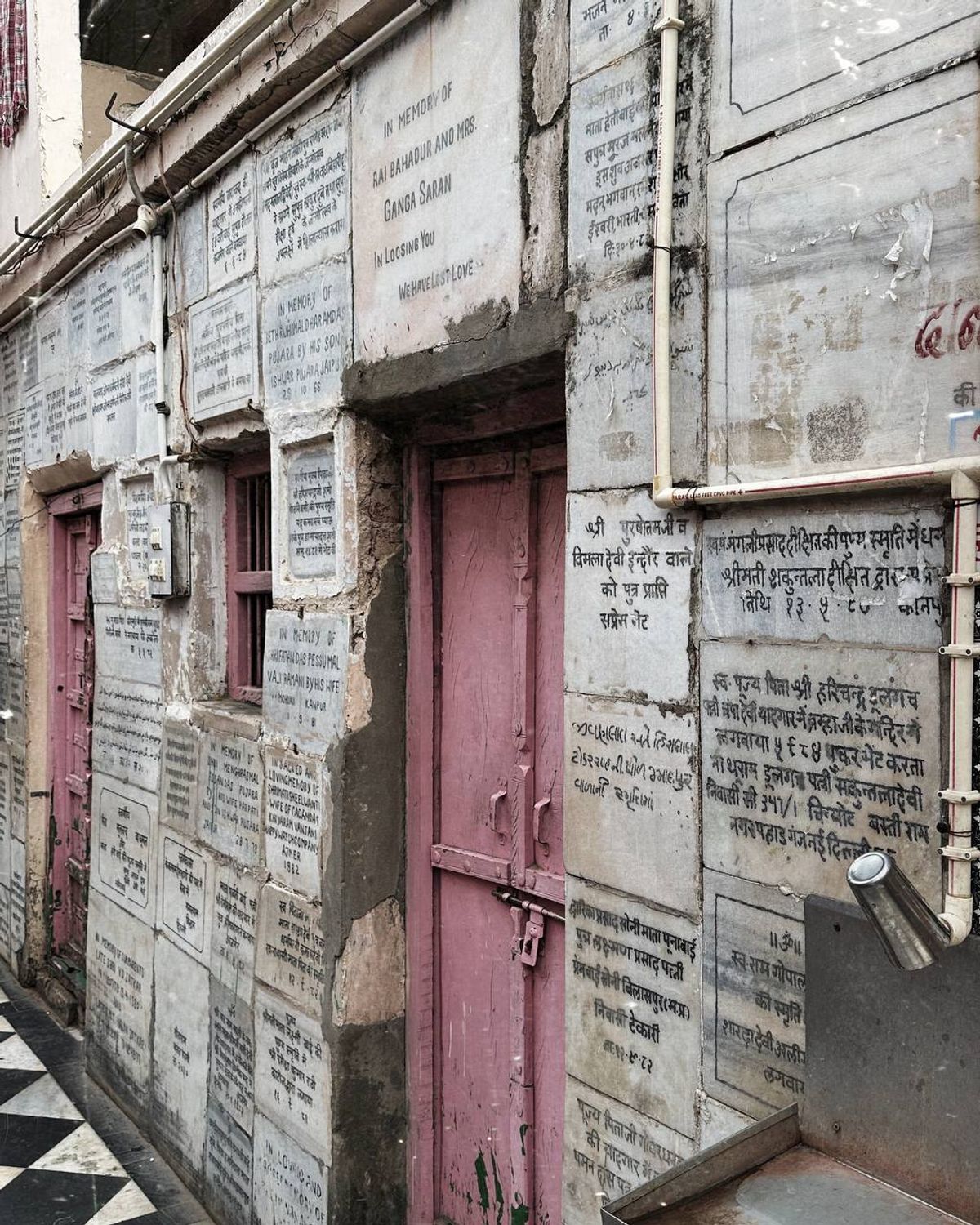
Indians grow up navigating multiple languages as a matter of course. A typical educated urban Indian might speak their mother tongue at home, Hindi or English at work, a different regional language with the household help, and Hinglish with friends.
This constant code-switching builds cognitive flexibility but also reflects something deeper about Indian identity. The nation holds together not despite its linguistic diversity but in some sense because of it. The very impossibility of a single national language forces accommodation, compromise, and the recognition that India is less a unified nation-state than a civilization containing multitudes.
Every rupee note, with its seventeen languages cascading down the left margin, makes the same point. This isn't one country with one voice. It's a babel that somehow works — messily, imperfectly, but enduringly.
"Kya scene hai, bro?"
The answer is complicated. But then again, in India, it usually is.