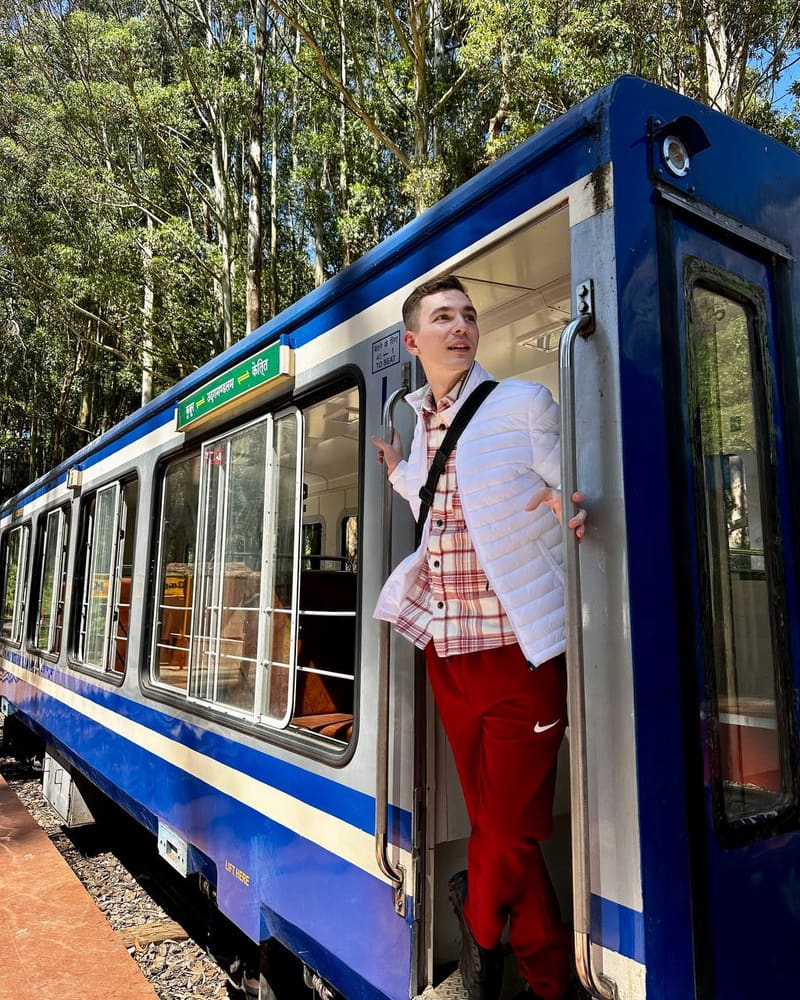
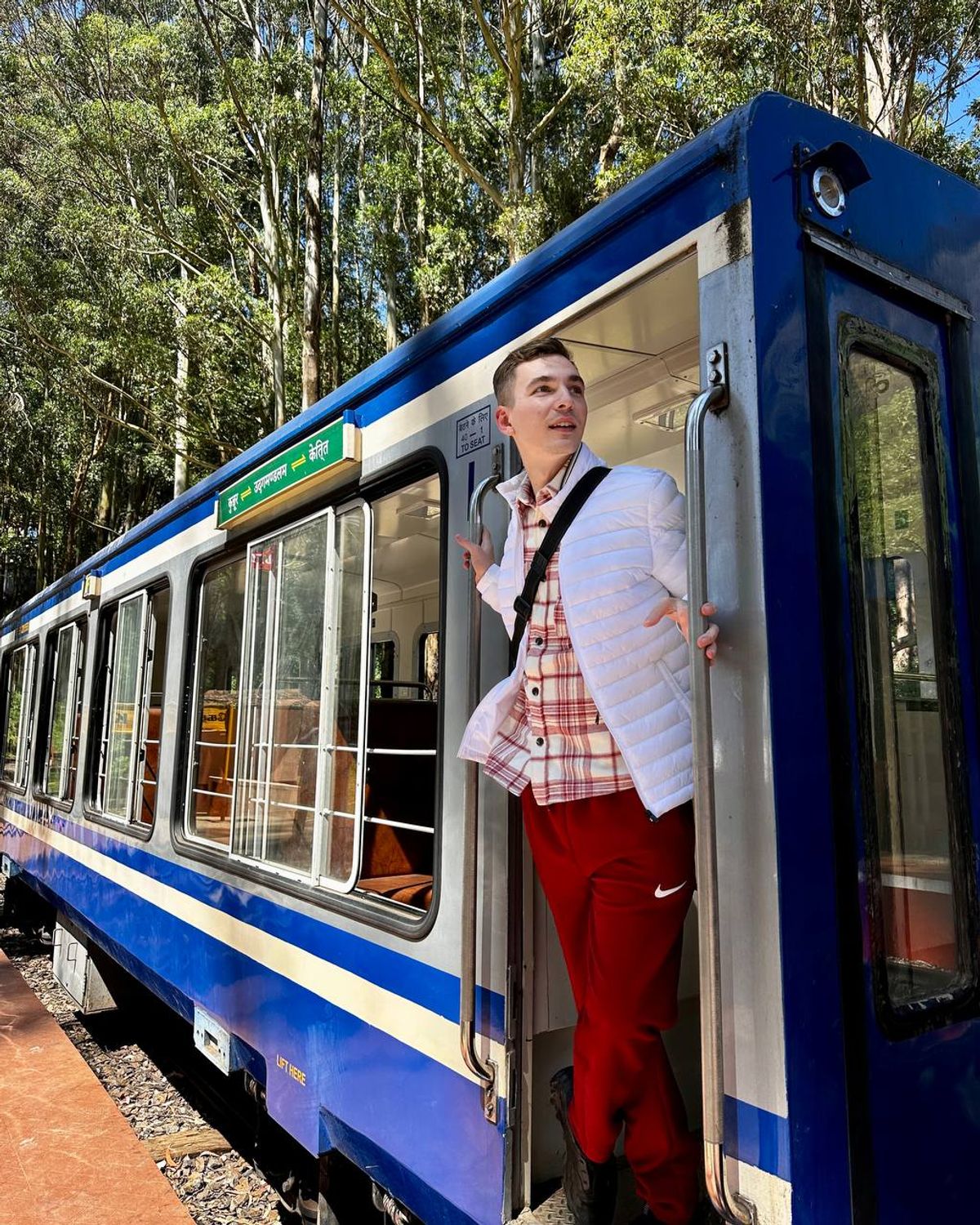
Let's start with a stereotype that needs to die: people don't ride on the roofs of Indian trains.
That image — passengers clinging to the sides of overcrowded carriages — belongs to a different era and to specific emergencies. Modern Indian Railways is something else entirely: the world's fourth-largest railway network, carrying more than 23 million passengers a day across over 8,000 stations.
But I'm not here to talk about scale. I'm here to talk about something that genuinely surprised me: you can order restaurant food delivered directly to your seat while your train is moving.
Not snacks from the platform. Not prepackaged meals from the pantry car. Actual restaurant food — biryani, thali, pizza, sushi — from Zomato or other delivery apps, brought to your coach somewhere between stations.
When I first heard this, I thought someone was pulling my leg. They weren't.
How It Actually Works
The system is elegantly simple.
You open Zomato (India's equivalent of DoorDash or Uber Eats) and enter your PNR — the ten-digit booking reference every Indian train ticket carries. The app automatically identifies your train, your coach number, and your seat.
Then you pick the station along your route where you want the delivery to arrive. The app shows every restaurant that can deliver to that station. You order. You pay.
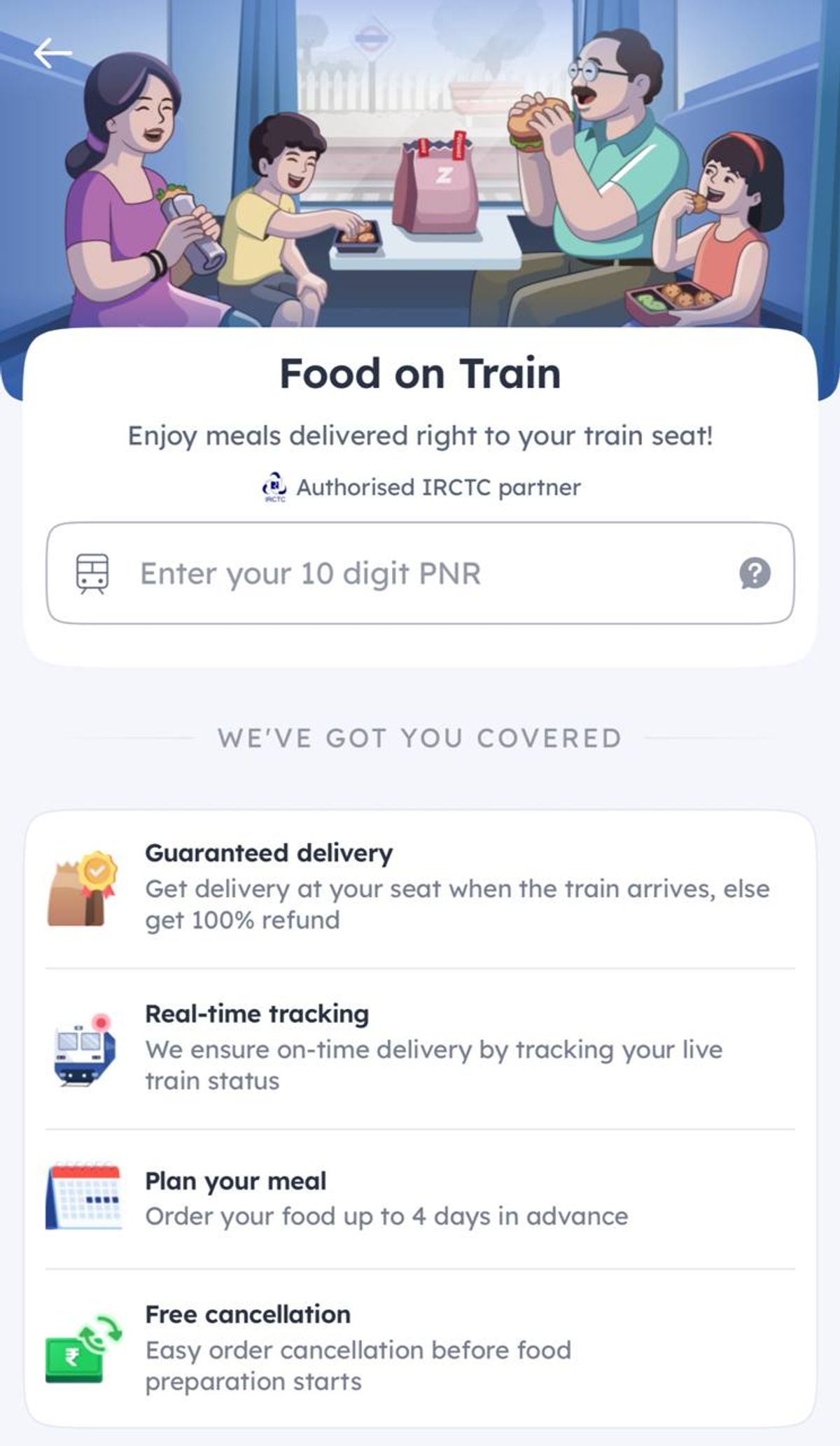
Here's where it gets interesting: the app tracks your train in real time. Indian trains are famously unpredictable — delays of several hours are routine. The system accounts for this. If your train is running two hours late, the delivery window shifts automatically.
When the train pulls into the station, a courier is already waiting on the platform. They know your coach from your PNR, find your seat, and hand you hot food through the window or at the door.
The whole exchange takes maybe ninety seconds. The train moves on. You're eating fresh restaurant food.
The Numbers Behind the Network
Before we go further, some context on what Indian Railways actually is.
The network covers 69,181 kilometers of routes — roughly halfway from the Earth to the Moon. It runs more than 13,000 passenger trains a day. It employs 1.25 million people, making it the ninth-largest employer on the planet and India's second-largest (after the armed forces).
Daily ridership tops 23 million. That's more than the entire population of Australia getting on a train every single day. Annual ridership exceeds 7 billion passengers — roughly the world's entire population taking a train once a year.
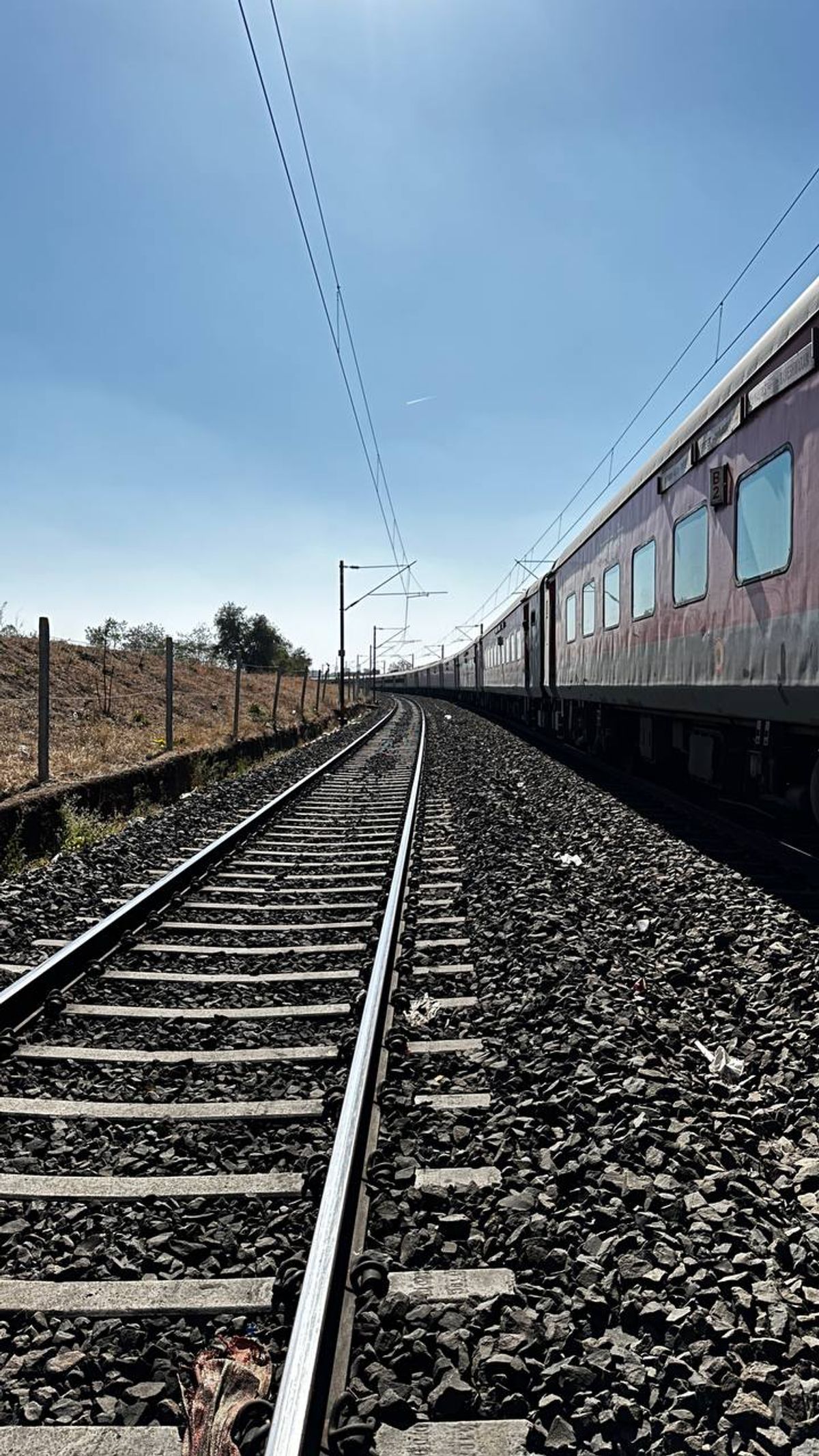
The longest single route is the Vivek Express, running 4,189 kilometers from Dibrugarh in Assam (northeastern India, near the Chinese border) to Kanyakumari in Tamil Nadu (the southernmost tip of the subcontinent). The journey takes approximately 74 hours — over three days — and passes through nine states. Some sources cite slightly different figures (around 4,300 km and 80+ hours) depending on the specific schedule and stops.
This train exists. People take it regularly. It runs daily.
The Classes of Indian Rail Travel
To understand why food delivery matters, you need to understand how people actually travel.
Indian trains offer multiple accommodation classes:
AC First Class (1A): Private cabins with locking doors, bedding, and actual privacy. Expensive and limited.
AC 2-Tier (2A): Open bays with two-level bunks and curtains. Air-conditioned, reasonably comfortable for long journeys.
AC 3-Tier (3A): Three-level bunks, more people per bay, still air-conditioned. The middle-class standard for overnight travel.
Sleeper Class (SL): Three-tier bunks without air-conditioning. Windows open to the elements. Much cheaper, much more social, much louder.
General/Unreserved: Bench seating without reservations. The cheapest option. On popular routes, standing room only — or whatever creative space you can find.
The majority of long-distance travelers ride in Sleeper or AC 3-Tier, spending 20, 30, 40+ hours in these compartments. The bunks fold down into seats during the day. You share tight quarters with strangers. You watch the same landscape scroll past for hours.
In that setting, food isn't just sustenance. It's an event. It breaks the monotony, gives you something to do, and creates social moments.
Why Platform Food Delivery Makes Sense
Indian train travel has always been deeply connected to food culture.
Long-distance trains in India aren't European high-speed rail. The Delhi–Chennai run takes over 28 hours. Mumbai to Kolkata is around 26. You don't just sit in these trains — you live in them for a day or more.
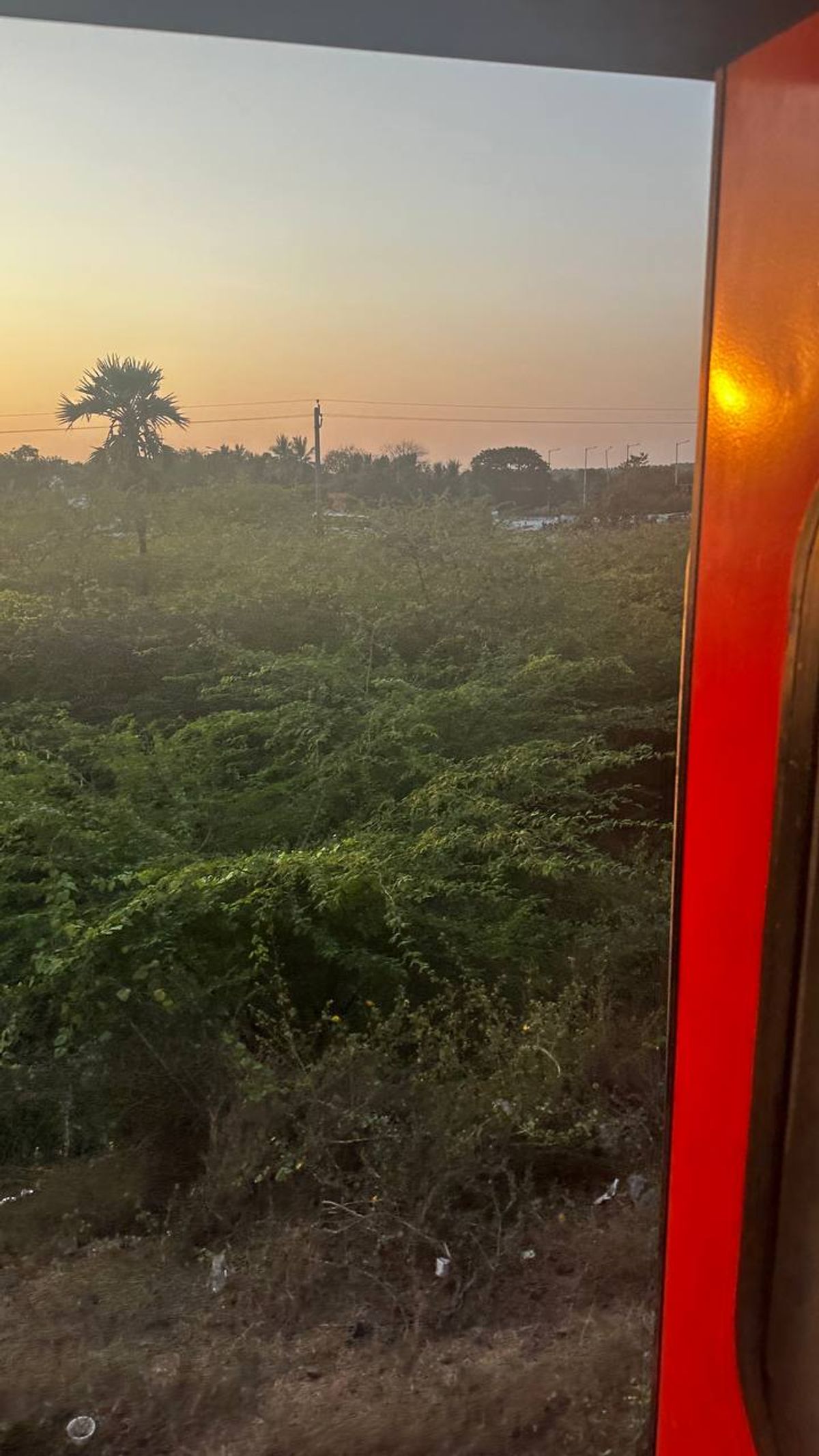
Traditionally, this created a specific food ecosystem. Trains had pantry cars — actual kitchens on wheels preparing meals during the journey. Platform vendors at every station sold regional specialties through train windows: chai in clay cups, samosas, biryani, idli, whatever the local cuisine offered.
There's a genuine romance to this. The calls of "chai, garam chai!" (hot tea!) echoing through train compartments at 5 AM became part of India's collective memory. Chaiwallas — tea vendors — are as iconic as the trains themselves, their distinctive sing-song cries piercing through the clatter of wheels on tracks.
The food-sharing culture was equally significant. Indian train compartments traditionally operated on an unspoken social contract: you shared whatever you brought. A Gujarati family might offer bhel puri to their neighbors; a Punjabi grandmother would insist you try her aloo paratha; a South Indian mother would distribute idlis. These exchanges led to conversations, which led to discovering common acquaintances (India is smaller than it looks socially), which led to games of antakshari (competitive Hindi film song singing) and promises to stay in touch.
The cuisine itself mapped the geography. As your train moved south from Delhi, wheat-based dishes gradually gave way to rice. Approaching the coasts brought seafood. Each major station had specialties: the famous chicken cutlets from the Gitanjali Express's pantry, the biryani at Hyderabad station, the specific taste of tea at certain junctions that travelers swore by.
But there was a problem: quality control was wildly inconsistent. Pantry car food ranged from decent to disappointing. Platform vendors had little oversight, and hygiene standards varied widely. Many travelers simply brought all their food from home, packing elaborate tiffin boxes for multi-day journeys.
The e-catering system changed the equation.
The E-Catering Revolution
Indian Railways launched its official e-catering service (IRCTC eCatering) to address the food quality problem. Rather than trying to fix the existing pantry car system, it essentially outsourced catering to the private sector.
Now, authorized partner restaurants at major stations can take orders from passengers on approaching trains. The food is prepared fresh, restaurant-quality, by FSSAI-certified establishments (FSSAI is India's food safety regulator). Delivery happens on the platform — straight to your seat.
In 2024, Zomato partnered with IRCTC, plugging its vast restaurant network and delivery infrastructure into the system. By late 2024, the partnership had fulfilled more than 4.6 million on-train orders across over 130 stations.
In FY 2024–25, more than 90,000 passengers a day used e-catering services — a 66% year-on-year jump.
The menu options at a typical station might include:
- Regional Indian: Biryani, thali meals, dosa, idli, paratha, paneer dishes, dal combinations
- Street Food: Samosas, chaat, vada pav, kachori
- International: Pizza, Chinese-Indian fusion, pasta, burgers
- Dietary Specific: Jain food (no onion/garlic), pure vegetarian, Satvik meals
- Brands: Domino's, McDonald's, local restaurant chains
You can even pre-order meals up to seven days in advance, timing delivery to specific stations along your multi-day route.
What This Actually Means
I've traveled in countries with excellent train food (Japan, where ekiben station bento boxes are an art form) and countries with terrible train food (most of the Western world, where you're lucky if there's a functioning café car).
India has done something different: they've made the train itself a delivery destination.
Think about the logistics. A moving vehicle carrying 1,500+ passengers, operating on unpredictable schedules, passing through regions with completely different cuisines and infrastructure. And somehow, a guy with a delivery bag finds your exact seat and hands you hot food during a two-minute station stop.
This requires:
- Real-time train tracking integrated with delivery platforms
- Restaurant networks coordinated across hundreds of stations
- Delivery personnel stationed at platforms during specific windows
- Payment systems that work for orders placed hours or days in advance
- Quality assurance for food that will be consumed in a moving vehicle
It's genuinely innovative. And it emerged from a uniquely Indian context — the combination of long-distance rail culture, smartphone penetration, and a food delivery infrastructure that had already solved many logistics problems for urban customers.
The Broader Pattern
Indian Railways keeps doing things that seem impossible until they become normal.
The network was the first major railway system to go fully cashless for ticket booking — over 86% of reserved tickets are now purchased online. Aadhaar-based verification (India's biometric ID system) now authenticates Tatkal bookings (last-minute reservations).
The new Vande Bharat trains, introduced in recent years, offer semi-high-speed service with onboard WiFi, GPS-based passenger information systems, and automatic doors. 144 of these trains are now operational.
And the network continues expanding: 34,000 kilometers of new track added by FY25, with 99.1% of the broad-gauge network now electrified.
What Platform Delivery Tells Us
The food delivery innovation isn't just about convenience. It's about what happens when you have:
- A captive audience of millions who are literally stuck in one place for extended periods
- A smartphone-enabled population comfortable with app-based ordering
- An existing food delivery infrastructure looking for new markets
- A government willing to partner with private platforms
The result is a service that doesn't exist anywhere else I know of at this scale. Japan has ekiben, but those are pre-made boxes, not fresh delivery. European trains have dining cars, but the food is typically dull and overpriced. American long-distance trains have... not much.
India took its constraints — long journeys, unpredictable timing, uneven quality — and turned them into an opportunity.
Have You Seen This Anywhere Else?
This is a genuine question. I've traveled through railway systems on several continents, and I haven't encountered anything quite like this at scale.
Japan has ekiben — elaborate bento boxes sold at stations — but these are pre-made, not cooked-to-order from restaurants, and the delivery-to-seat element doesn't exist in the same way.
European high-speed trains have dining cars, but the food is typically reheated, overpriced, and limited. Delivery to your seat from platform restaurants? Unheard of.
American long-distance trains (what's left of Amtrak's network) have... the café car. Sometimes.
China's high-speed rail offers pre-packaged meals and instant noodles, not restaurant delivery timed to platform stops.
The Indian system seems genuinely unique: a combination of extreme journey lengths, established food delivery infrastructure, smartphone penetration, and government-private partnership that created something new.
If you know of a similar service elsewhere in the world, I'd be curious to hear about it.
Try It Yourself
If you're planning train travel in India, here's how to use the service:
Via Zomato App: Search "train" or "IRCTC" → Enter your PNR → Select delivery station → Choose restaurant → Order and pay
Via IRCTC eCatering: Direct through their website or app with the same PNR-based system
Via WhatsApp: Some services (like Zoop, another IRCTC partner) accept orders via WhatsApp at 7042062070
Lead Time: Order at least one hour before the train departs from the delivery station, or pre-book up to seven days in advance
What to Order: Local specialties tend to be freshest. Hyderabadi biryani when passing through Telangana. Dosa and idli in Tamil Nadu. Paranthe in North India. The system lets you eat your way across the country.
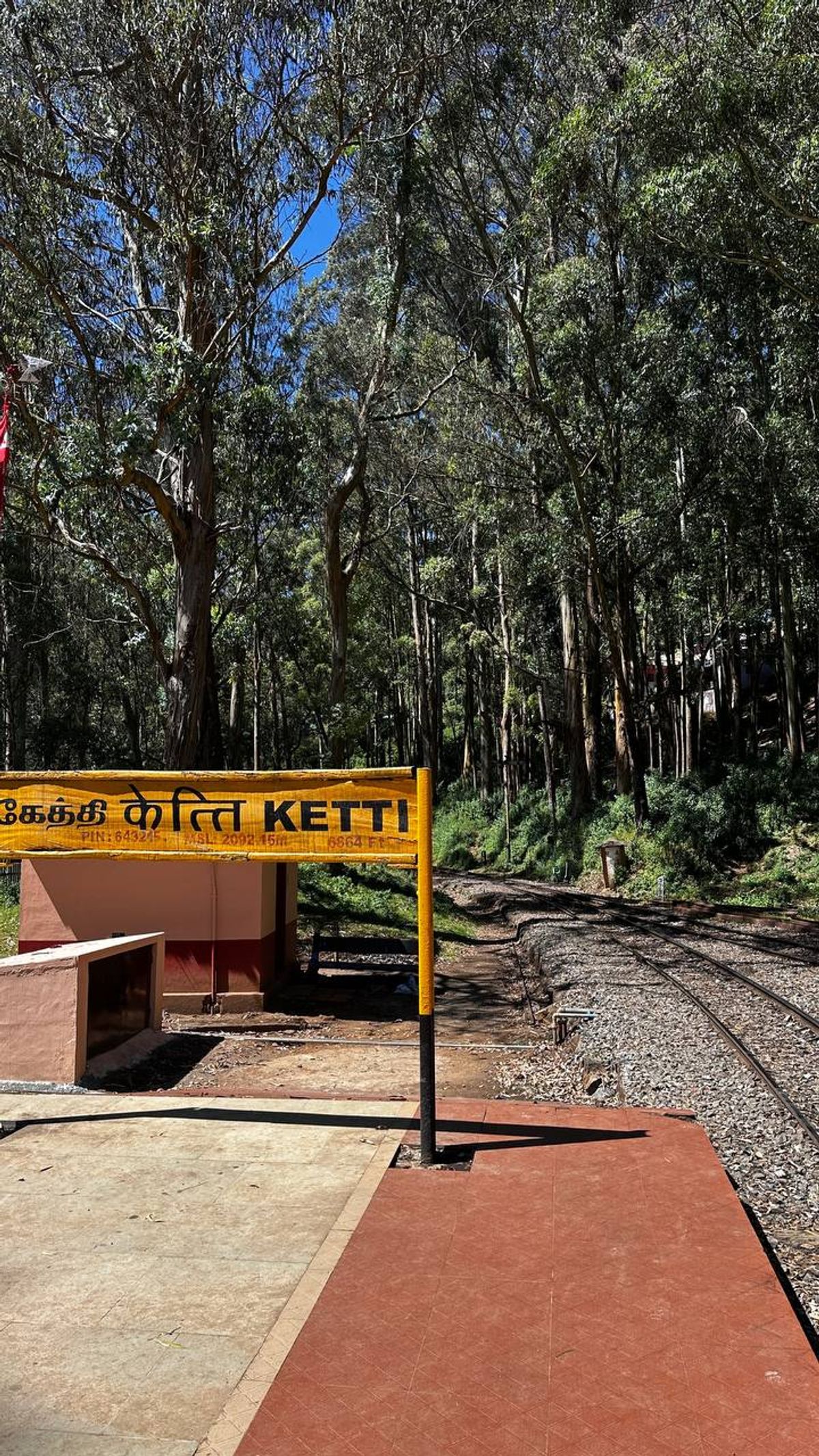
The next time someone mentions Indian trains, they might still think of overcrowded platforms and unpredictable schedules. But they should also think of this: a system so sophisticated it can deliver hot restaurant food to a specific seat in a specific coach of a moving train, adjusted in real time for delays, across a network serving 23 million people daily.
That's not just transportation infrastructure. That's a different way of thinking about what a railway system can do.
Indian Railways operates the fourth-largest rail network globally. The IRCTC e-catering service is available on most long-distance trains through authorized partners including Zomato, Zoop, and RailRestro. Services cover 300+ stations with over 2,500 FSSAI-approved restaurant partners.