There are festivals that unite people through joy. Holi floods the streets with color, Diwali lights up millions of lamps, Navratri turns the entire country into a dance floor. Mahashivaratri is a completely different story. It's an anti-festival. A night when millions of people voluntarily give up sleep, food, and everything that normally fills a day — for the sake of silence within.
I've been living in India for several years now, and every time Mahashivaratri approaches, I notice the city beginning to change. A week before the festival, mountains of bilva leaves — Shiva's sacred tree — appear in the markets. Milk sellers prepare for a surge in demand. Temples are decorated with garlands. And something barely perceptible appears in the air — the anticipation of a night that, for hundreds of millions of people, matters more than any New Year's Eve.
In this article, I'll tell you what Mahashivaratri really is — beyond the tourist postcards. Why millions of people stay awake, what happens inside the temples, where to go if you want to experience this night, and what it can offer you personally, even if you're far removed from Hinduism.
Who Is Shiva — and Why He Matters
To understand Mahashivaratri, you first need to understand Shiva. And that's an entire journey, because Shiva is the most complex, most contradictory, and perhaps most free of all Hindu deities.
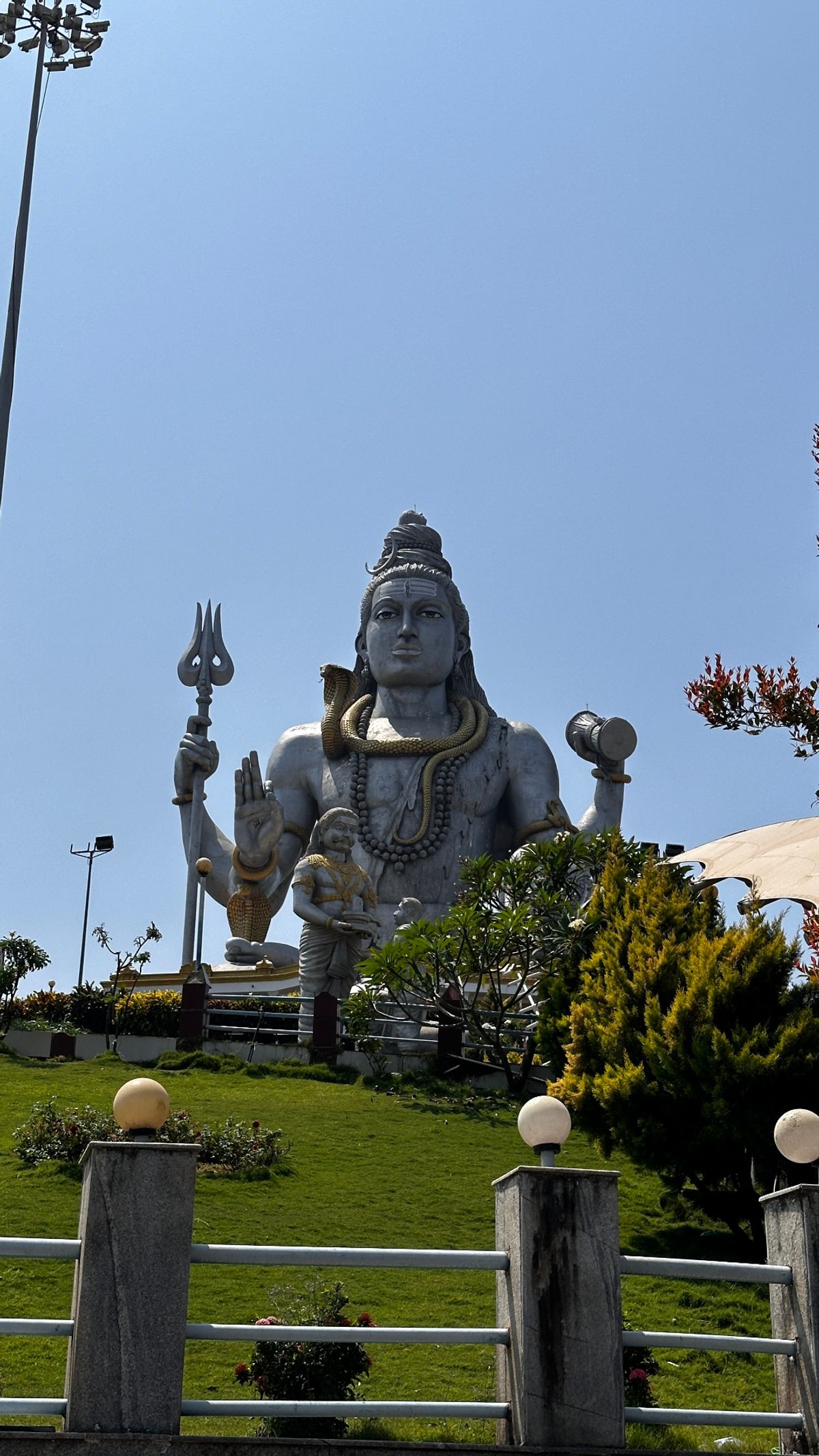
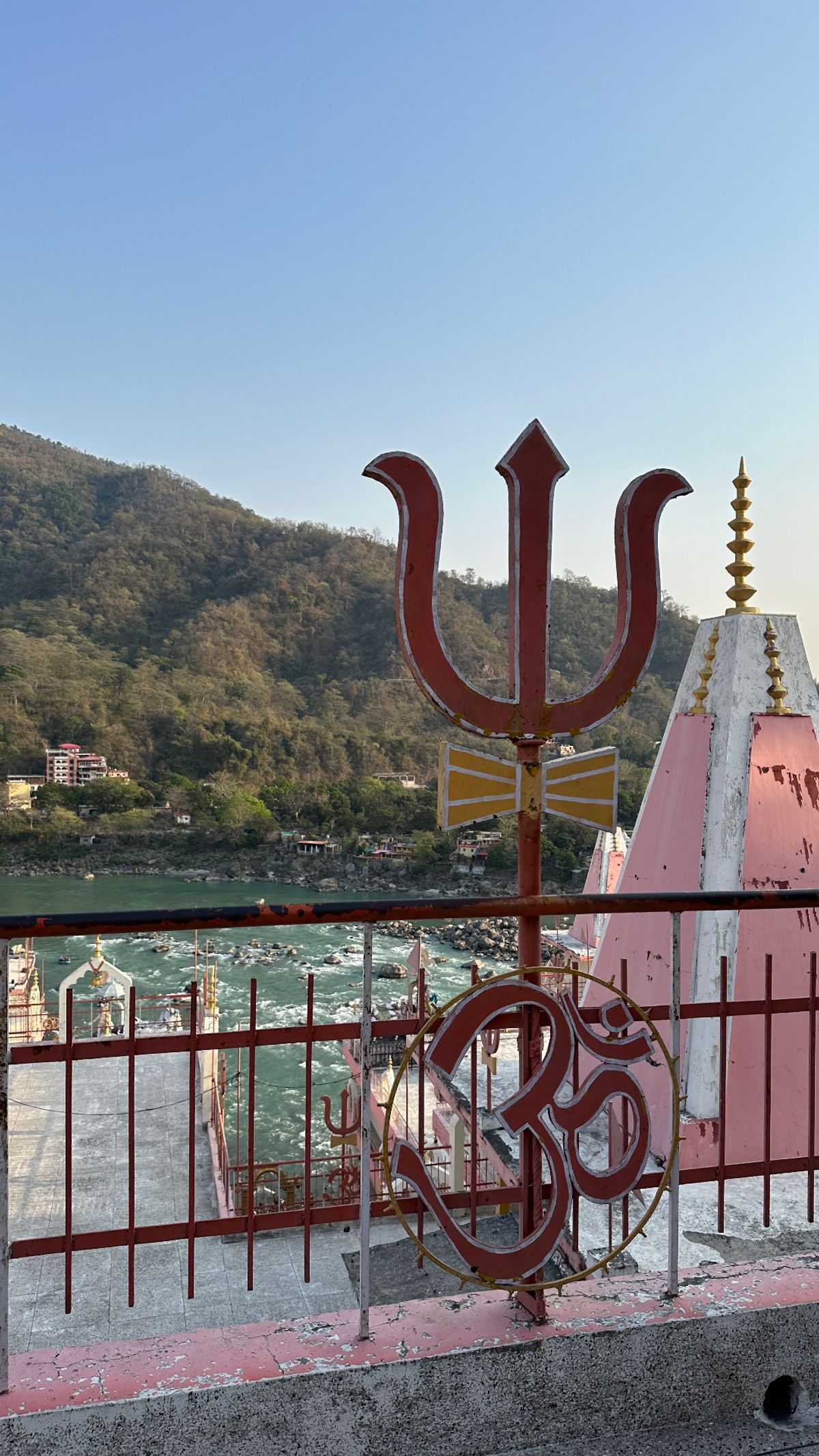
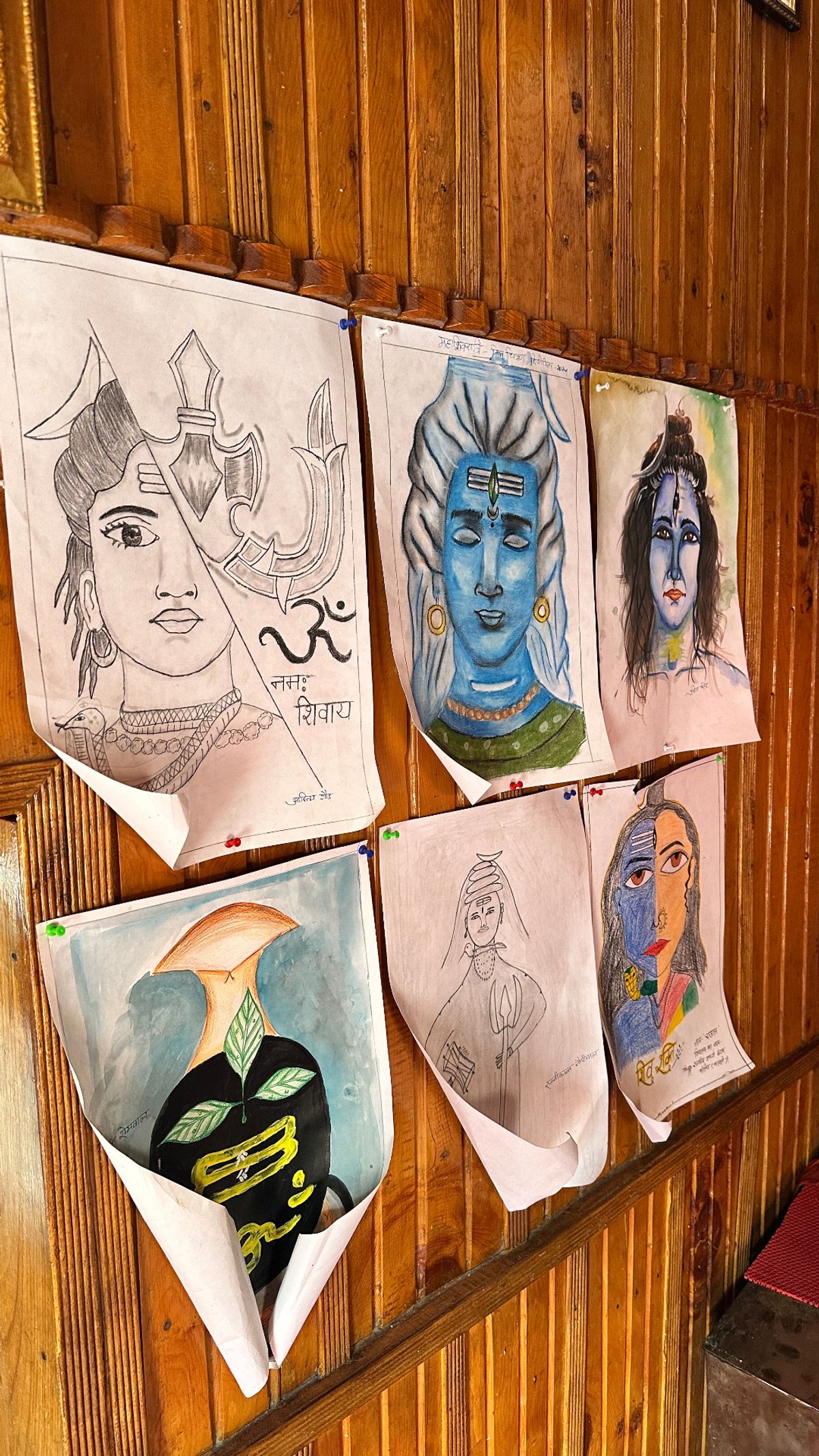
Shiva is simultaneously an ascetic and a family man. The destroyer of the universe — and the most merciful of gods. A dweller of mountain peaks and cremation grounds — and a patron of arts and dance. He's covered in ash from funeral pyres, snakes coil around his neck, a crescent moon and the Ganges sit atop his head, and his third eye can incinerate creation. Yet he's the ideal husband of Parvati, the caring father of Ganesha and Kartikeya, and the one revered as the first yogi — Adiyogi.
In the yogic tradition, particularly as expressed in Sadhguru's teachings, Shiva is not a god in the conventional sense. He's the first yoga teacher — the one who, 15,000 years ago, transmitted to seven sages (the Saptarishis) the science of inner transformation. Not a religion, not a set of rules — but a technology for working with consciousness, energy, and body.
For ordinary Indians, Shiva is the most accessible deity. He needs no lavish offerings — water from the Ganges and a bilva leaf suffice. He accepts everyone, across every caste and station of life. Shiva is the god of those who found no place in the system.
The Legends of Mahashivaratri
Mahashivaratri has several mythological explanations, and each reveals a different facet of Shiva.
1. The Yogic Legend
After many millennia of meditation, all movement within Shiva ceased. He became absolutely still — like Mount Kailash. No thought, no fluctuation, no rhythm of breath. Complete stillness. This moment is Mahashivaratri — the night of absolute stillness. Not death, but what lies beyond both life and death.
2. The Family Story
For millions of Hindu families, Mahashivaratri is the wedding anniversary of Shiva and Parvati. After prolonged austerity, Parvati won the heart of the great yogi, and their union symbolizes the joining of masculine and feminine, consciousness and energy, Purusha and Prakriti.
3. The Heroic Tale
Gods and demons churned the Ocean of Milk seeking the nectar of immortality — amrita. But before the amrita appeared, a terrible poison called halahala rose from the depths, capable of destroying every living thing. No one dared accept it. Then Shiva drank the poison but held it in his throat, which turned blue — hence one of his names: Nilakantha, "the blue-throated one." Staying awake on Mahashivaratri is an expression of gratitude for saving the universe.
4. The Cosmic Dance
On this night, Shiva performed the tandava — the cosmic dance that simultaneously creates, sustains, and destroys the universe. Dancing Shiva-Nataraja, surrounded by a ring of fire, is one of the most recognizable images in Hinduism. His dance is the pulse of existence.
Beyond the legends, there's a physical layer. Sadhguru explains that on this night, due to a particular planetary alignment, a powerful natural surge of energy occurs in the human body. The task is to remain awake, with the spine erect, and allow this energy to rise. That's why millions stay awake — not out of stubbornness, but because wakefulness is what allows you to harness what the night offers.
What Happens on This Night
If you've never experienced Mahashivaratri, picture this. The entire day — fasting. Not symbolic, but real: many abstain from food and water completely, others allow themselves fruits and milk. The fast begins at dawn and continues until the following morning. It's believed that fasting purifies the body and makes the mind more receptive to spiritual experience. And it actually works — mild hunger sharpens perception in surprising ways.
As darkness falls, the main event begins — jagaran, the night vigil. The night is structured: temples conduct four pujas — at six in the evening, midnight, three in the morning, and at dawn. Each puja has its own mantras and offerings.
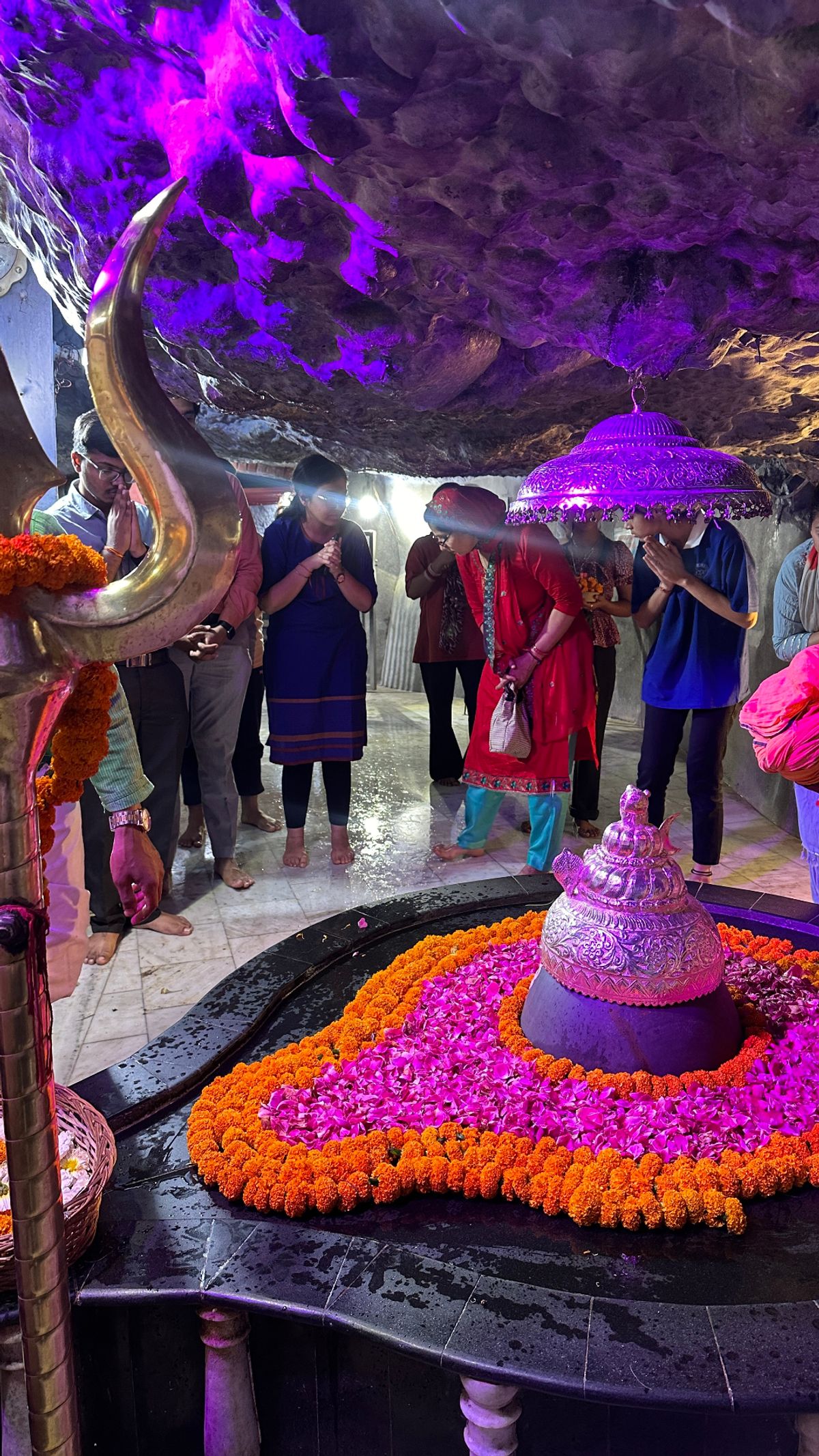
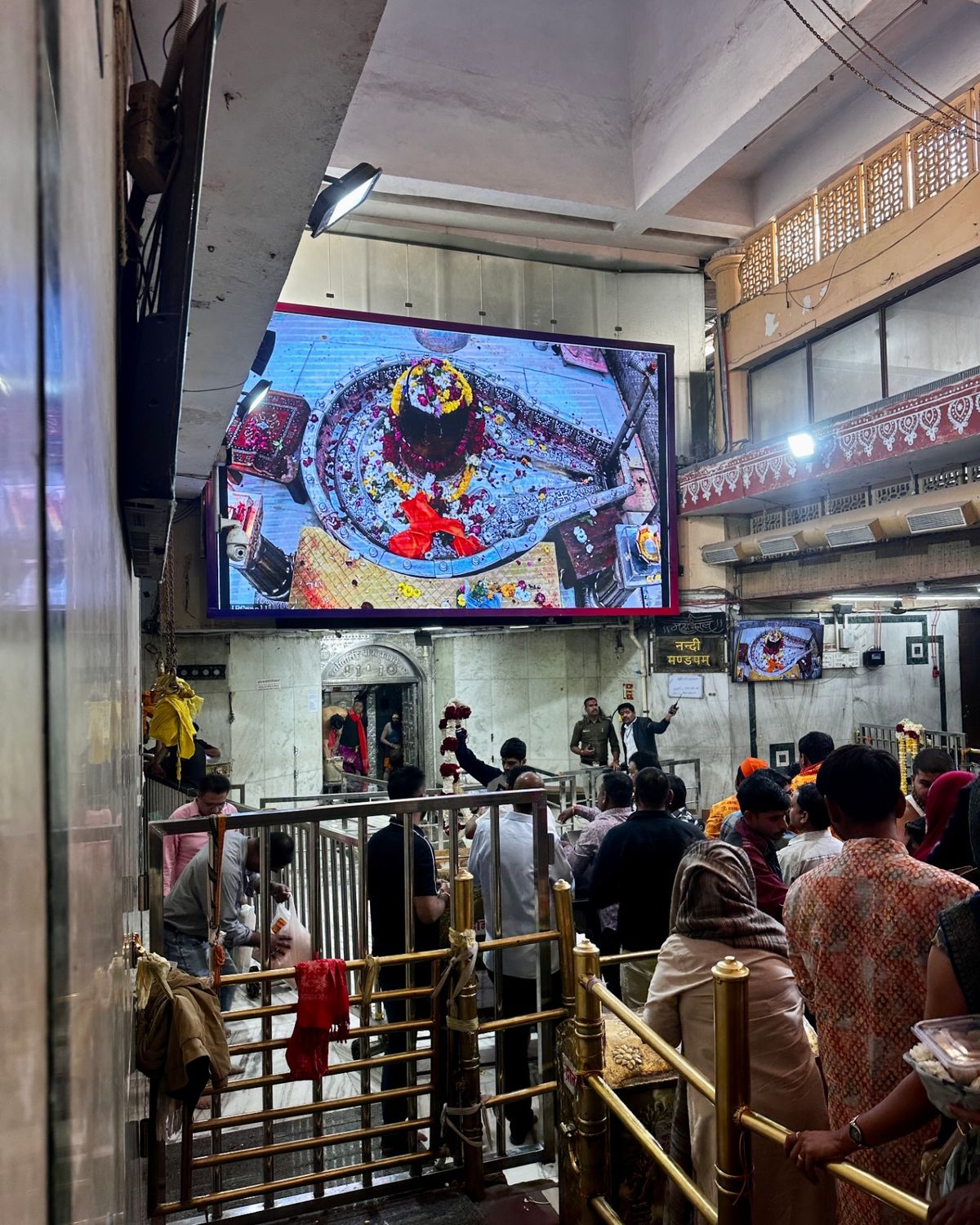
The central object of worship is the Shivalingam. On this night, lingams are bathed with particular devotion: milk, yogurt, honey, ghee, rosewater, and Ganges water. Each offering carries symbolism. Milk represents purity, honey the sweetness of speech, Ganges water — purification. After the bathing ritual, the lingam is adorned with bilva leaves and flowers.
The atmosphere in temples is electric. Crowds of people, the ringing of bells, the continuous chanting of "Om Namah Shivaya," clouds of incense, the flicker of oil lamps. Sadhus — wandering ascetics — converge on the shrines. Some appear in public only once a year, precisely on this night. Half-naked, covered in ash, with dreadlocks reaching the ground — living reminders that Shiva is the patron of those who have renounced the world.
By morning, as the sun rises over faces exhausted by sleeplessness yet remarkably luminous, comes prasad — the distribution of consecrated food. After a night of fasting, the first morsel is considered blessed. And in that moment, you understand what it was all for.
Where to Go for Mahashivaratri
Mahashivaratri is celebrated across all of India, but certain places allow the night to be felt with particular intensity.
Varanasi
The city that Shiva, according to legend, never leaves. Kashi Vishwanath, one of India's most sacred temples, receives hundreds of thousands of pilgrims on this night. The ghats of the Ganges fill with people, the sounds of mantras carry over the water, sadhus meditate beside the funeral pyres of Manikarnika. Varanasi offers the deepest possible immersion — and the largest crowds.
Ujjain
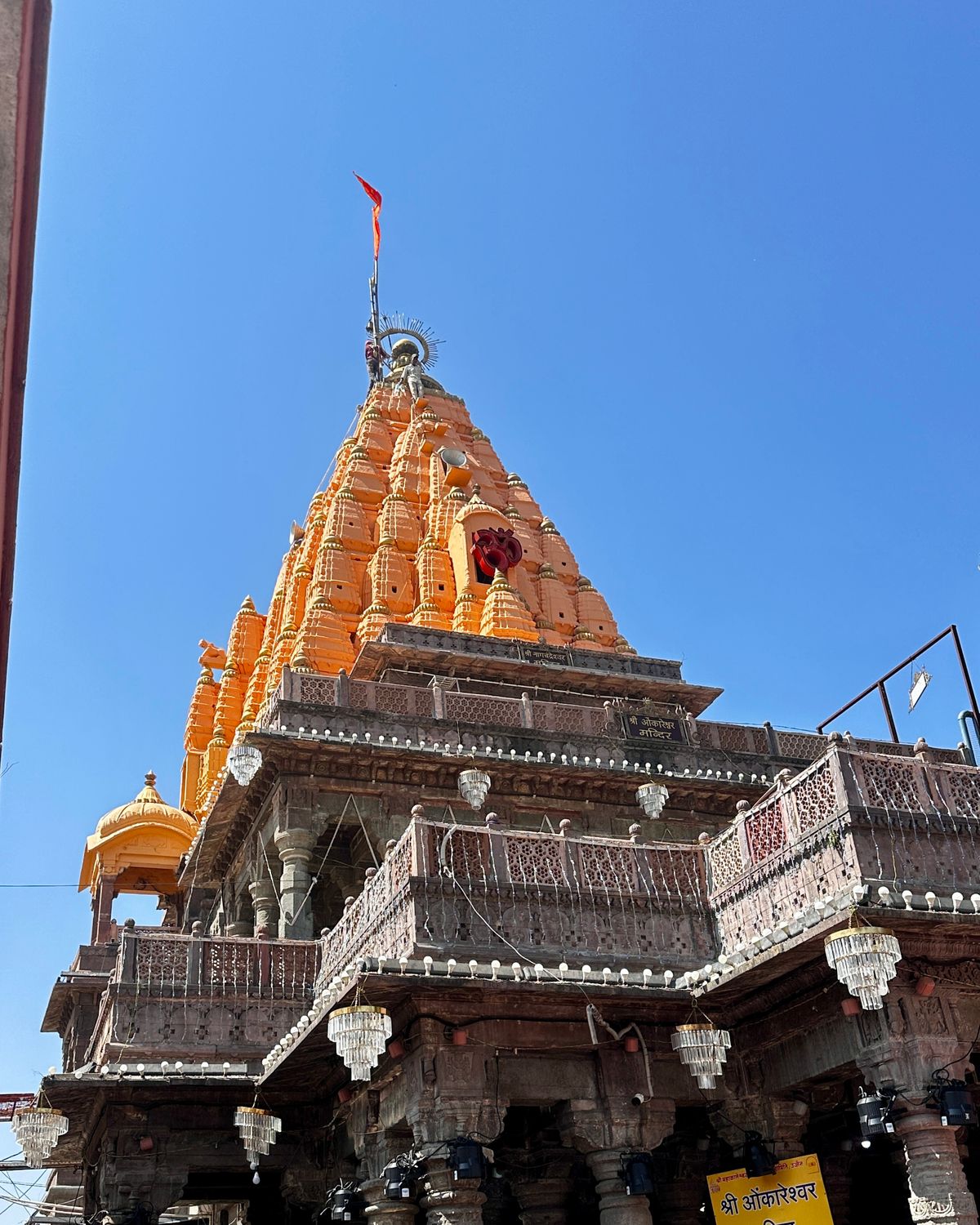
A city in Madhya Pradesh that houses one of the twelve Jyotirlingas. The Mahakaleshwar Temple is known for its unique bhasm-aarti ritual: at dawn, the lingam is adorned with ash from funeral pyres. Utterly mesmerizing. Ujjain presents Shiva in his most powerful, primordial form: Mahakala, the Lord of Time.
Gokarna
A lesser-known Shaivite shrine in Karnataka. According to legend, Ravana was carrying a lingam gifted by Shiva and dropped it — thus the Mahabaleshwar Temple came into being. A small coastal town, palm trees, the ocean just steps from the temple. For those who want a peaceful pilgrimage without crowds.
Haridwar
Gateway to the Himalayas, a city on the banks of the young Ganges. Bathing in the cold Ganges at dawn after a sleepless night is a serious test of will. On this night, the Har-ki-Pauri waterfront becomes a sea of lights and people.
Rishikesh
For those who prefer meditation over ritual. India's yoga capital offers night vigil programs at ashrams: group meditations, mantra chanting, lectures on Shaiva philosophy. Less authentic than ancient temples, but more accessible for foreigners who want to experience the night mindfully.
Isha Yoga Center
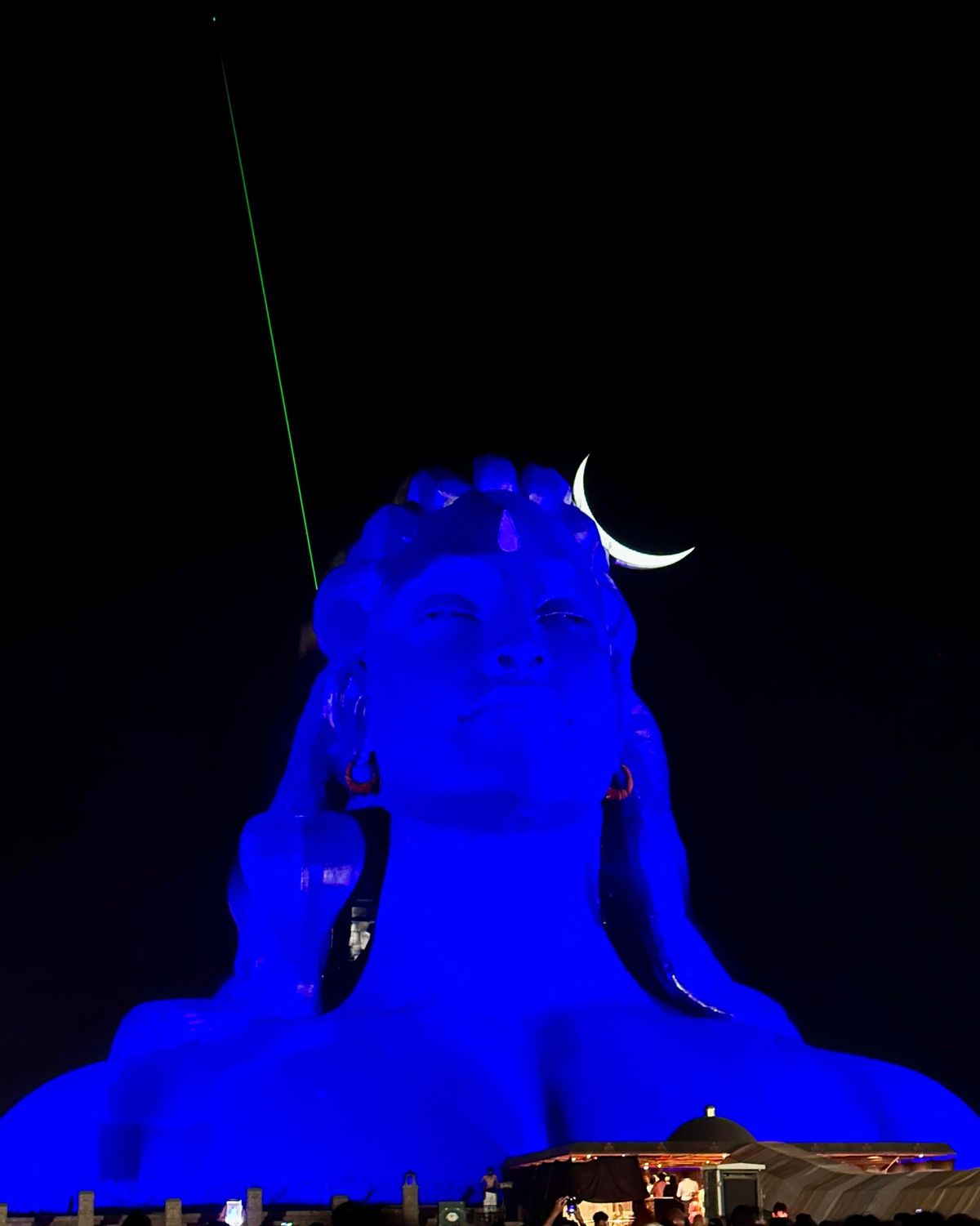
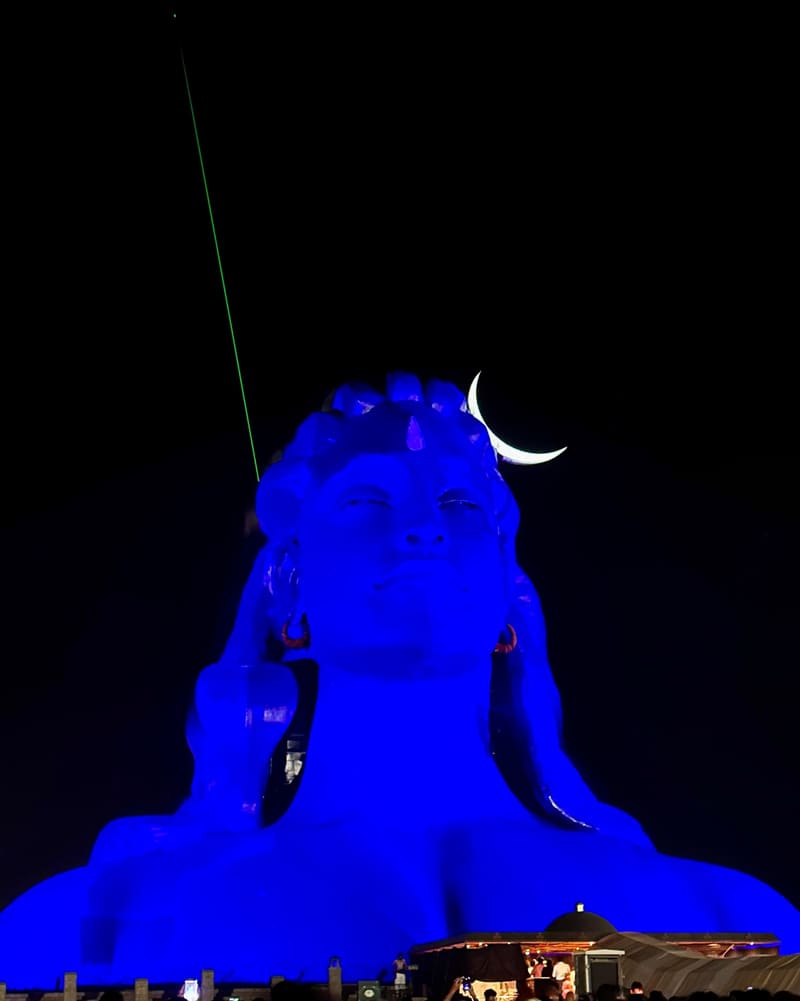
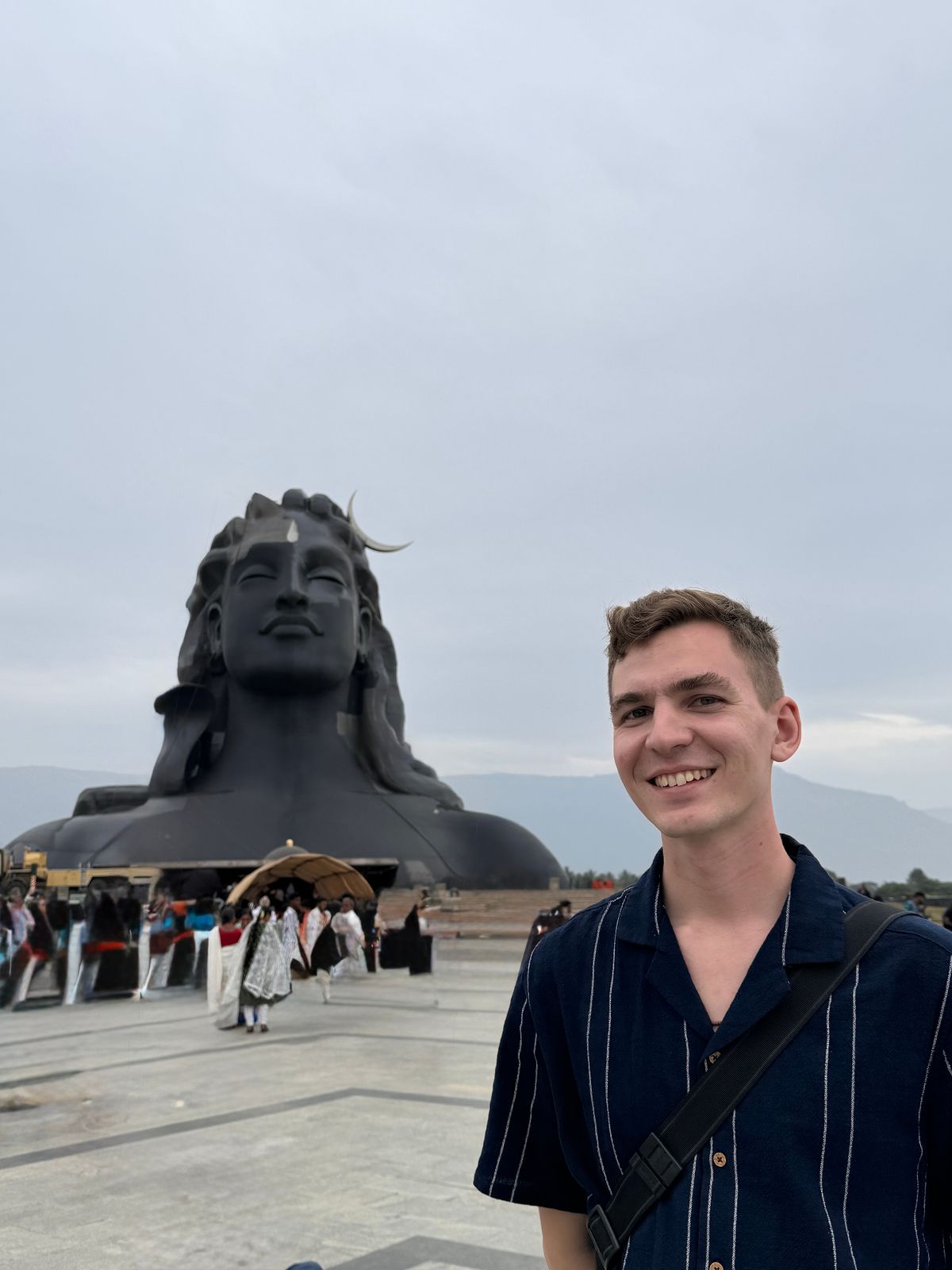
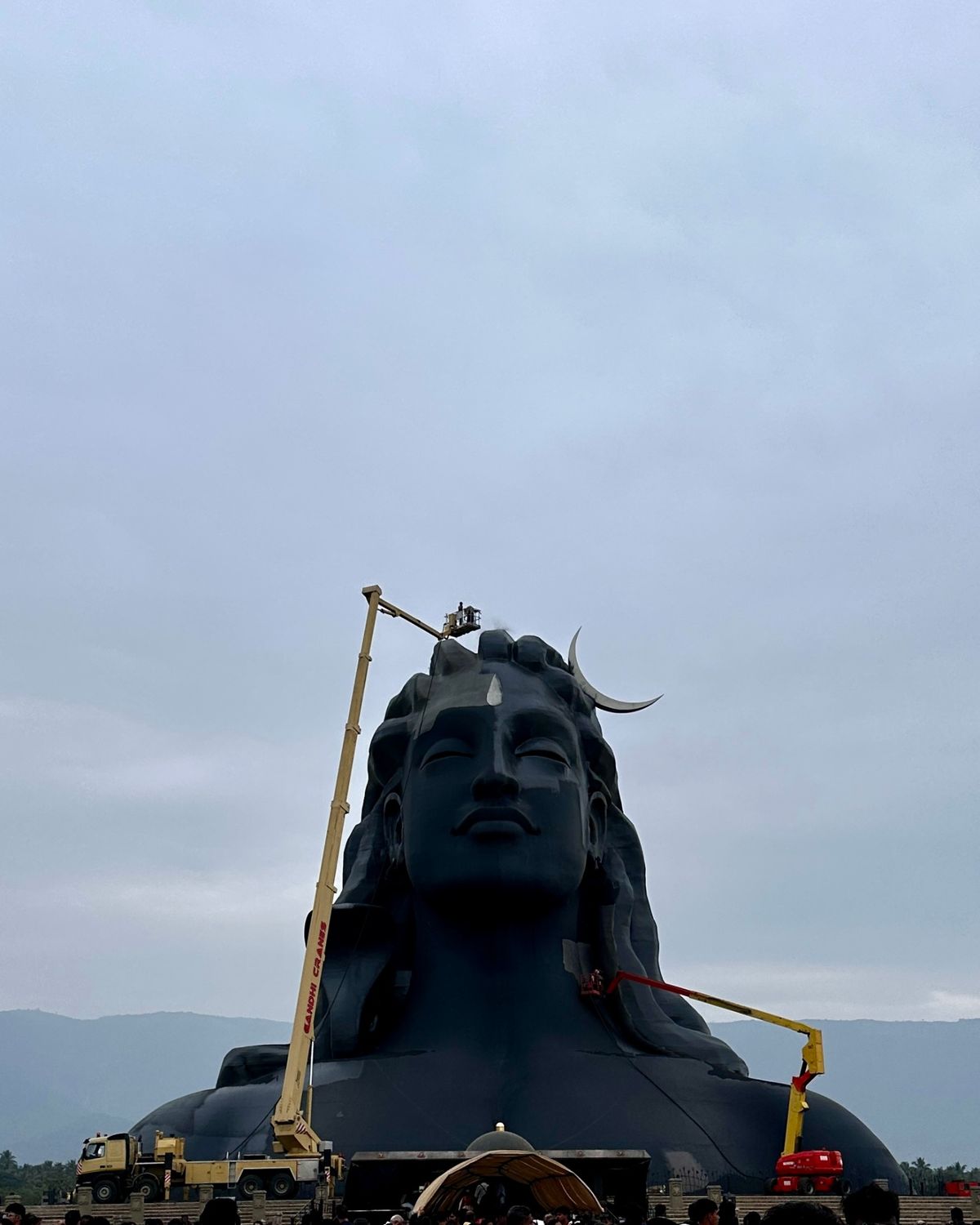
Near Coimbatore — an entirely different experience. Here, at the foot of the Velliangiri Mountains, Sadhguru has created one of the world's largest Mahashivaratri celebrations. The centerpiece is Adiyogi — a 34-meter statue of meditating Shiva, recognized by Guinness World Records as the largest bust in the world. On festival night, hundreds of thousands converge here. The program runs through the entire night: world-class musicians, guided meditations, yogic practices, talks by Sadhguru himself. A modern, well-organized festival for those who want structure rather than the intensity of ancient temple celebrations.
Practical Tips
Clothing
Dress modestly, preferably in white — the color of purity and renunciation. Women should cover shoulders and knees; men should avoid shorts. You'll need to remove shoes in temples — bring socks for cold stone floors.
Fasting
Try fasting for at least part of the day. Mild hunger sharpens perception and helps you tune into a different state of awareness. If a full fast feels too severe, stick to fruits and milk.
Mantra
Learn at least one. "Om Namah Shivaya" — five syllables meaning "I bow to Shiva." These are repeated millions of times across India on this night. Joining that chorus means becoming part of something vast, even if just for a moment.
Staying Awake
If you decide to stay up all night, pace yourself. Alternate seated meditation with walks around the temple (parikrama). Bring a warm shawl — it gets cold toward dawn. The goal isn't merely to stay awake, but to spend the sleepless night mindfully — spine straight, attention alert.
Crowds
Be prepared for crowds, especially at major temples. Arrive early for a spot near the sanctum. Or come for the dawn puja, when the main wave subsides. Keep valuables close.
Share the Blessing
Beggars and sadhus gather around temples asking for alms. Prepare small bills or fruit. Share prasad with those working through the night — temple guards, flower sellers, rickshaw drivers. For someone who can't afford a night of prayer, your gesture becomes their touch of the festival.
What It All Means
Mahashivaratri is a night when the veil between worlds grows thin. You don't have to believe this literally. You can approach it as a cultural experience, as an experiment with wakefulness and fasting, as a way to see India from an unexpected angle.
But to find yourself among millions of people who, in total darkness, are chanting the same mantra together — that's an experience after which something inside you shifts. Not because you understood something new. But because you felt something ancient — something that existed long before you were born and will exist long after.
India is a remarkable country that preserves such nights. Nights when a billion people don't sleep — not because of deadlines or insomnia, but because they believe: it's precisely in darkness that light can be found. And if you ever find yourself in India in February or March — don't miss this night. It might change nothing. Or it might change everything.