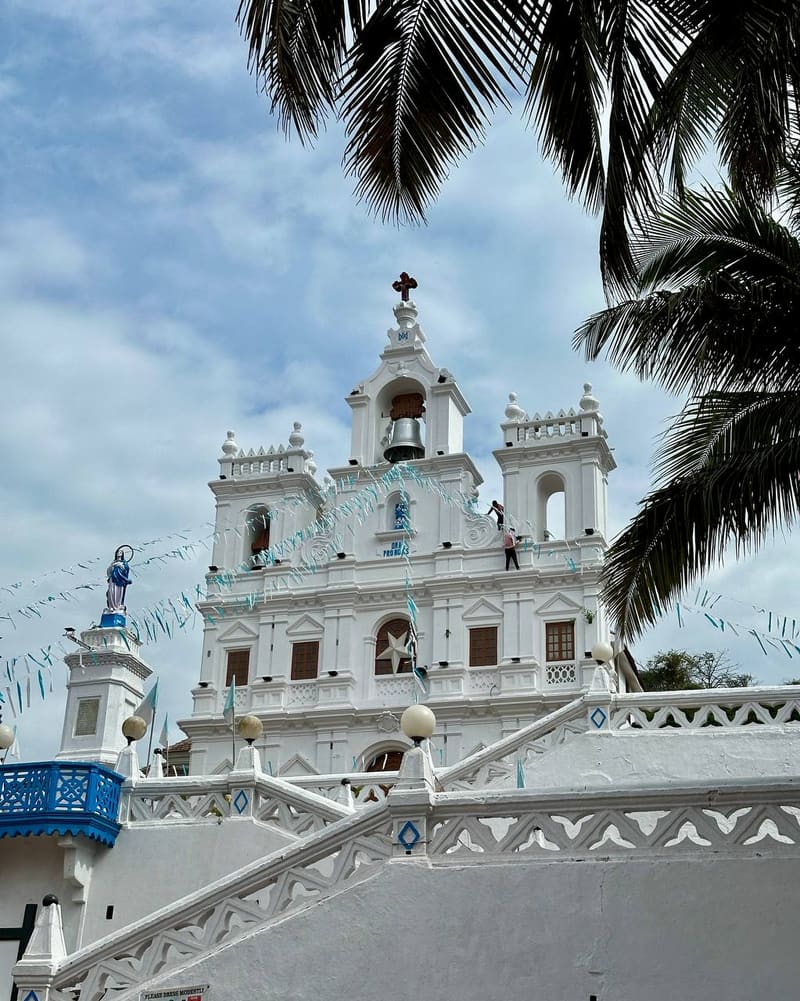
India conjures images of Hindu temples, Buddhist monasteries, and perhaps the minarets of Mughal mosques. Christianity rarely enters the picture. Yet walking through a bustling South Indian city, you might suddenly find yourself at the final resting place of someone who knew Jesus personally — who touched his wounds after the Resurrection.
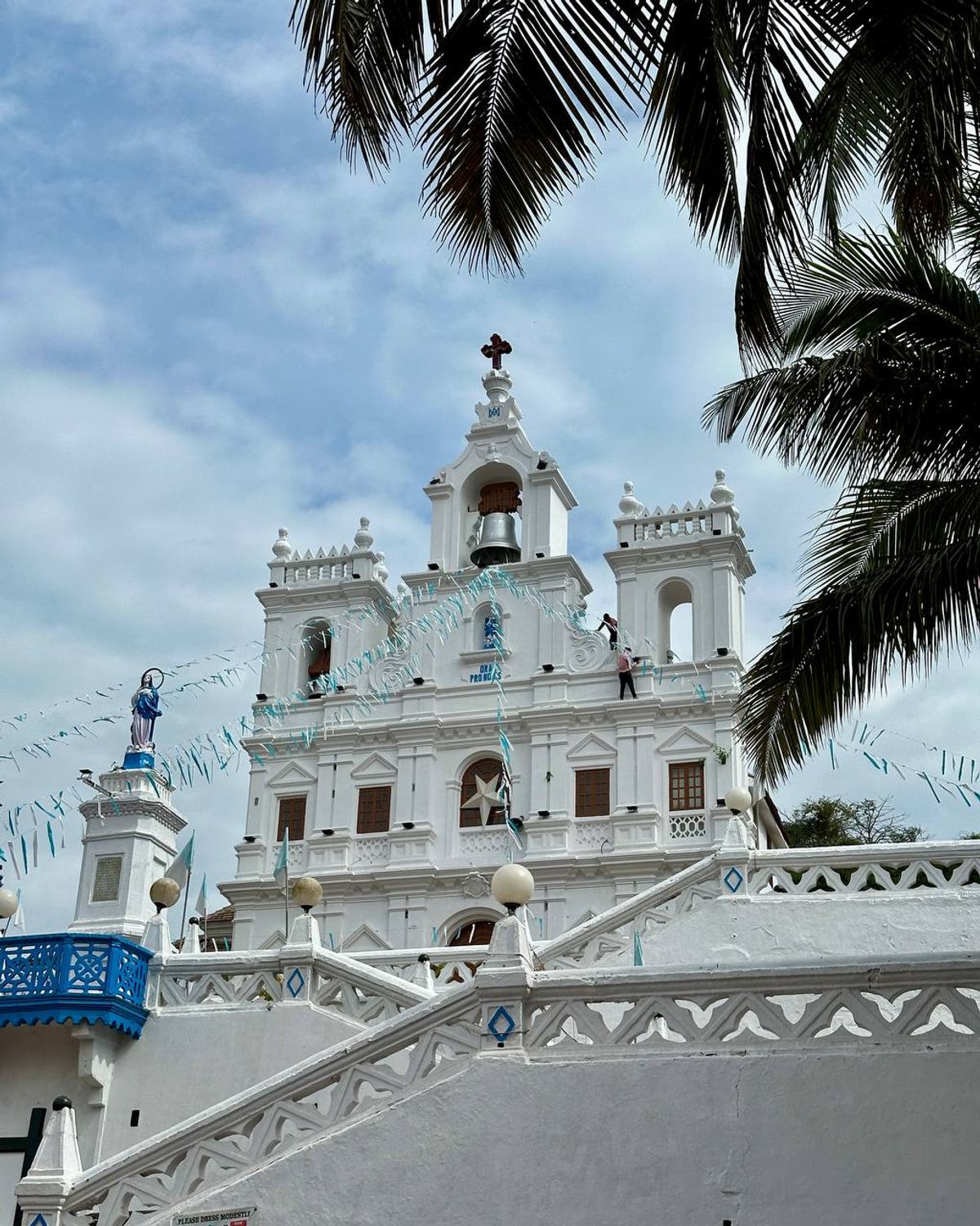
There are roughly 28 million Christians in India. By Indian standards, that's a small minority — just 2.3% of the population. By any other measure, it's a nation within a nation. More Christians live in India than in all of Australia. More than in the Netherlands or Greece. And their faith reaches back nearly two millennia — planted here before Christianity had reached most of Europe.
What makes Indian Christianity remarkable isn't only its antiquity. It's how thoroughly it has woven itself into the fabric of this land — absorbing local traditions, expressing devotion through uniquely Indian rituals, and forming something that feels neither Western import nor cultural imitation. This is Christianity in saris and flower crowns, in tribal languages and monsoon celebrations, in barefoot pilgrimages to oceanside shrines where Hindus and Christians pray side by side.
The Apostle Who Came East: Thomas in Kerala
According to a tradition cherished by millions, Christianity reached India not through colonial missionaries but through one of Jesus's own disciples. Thomas — the apostle remembered for doubting Christ's resurrection until he could touch the wounds himself — is said to have landed at Muziris (modern Kodungallur, Kerala) in AD 52.
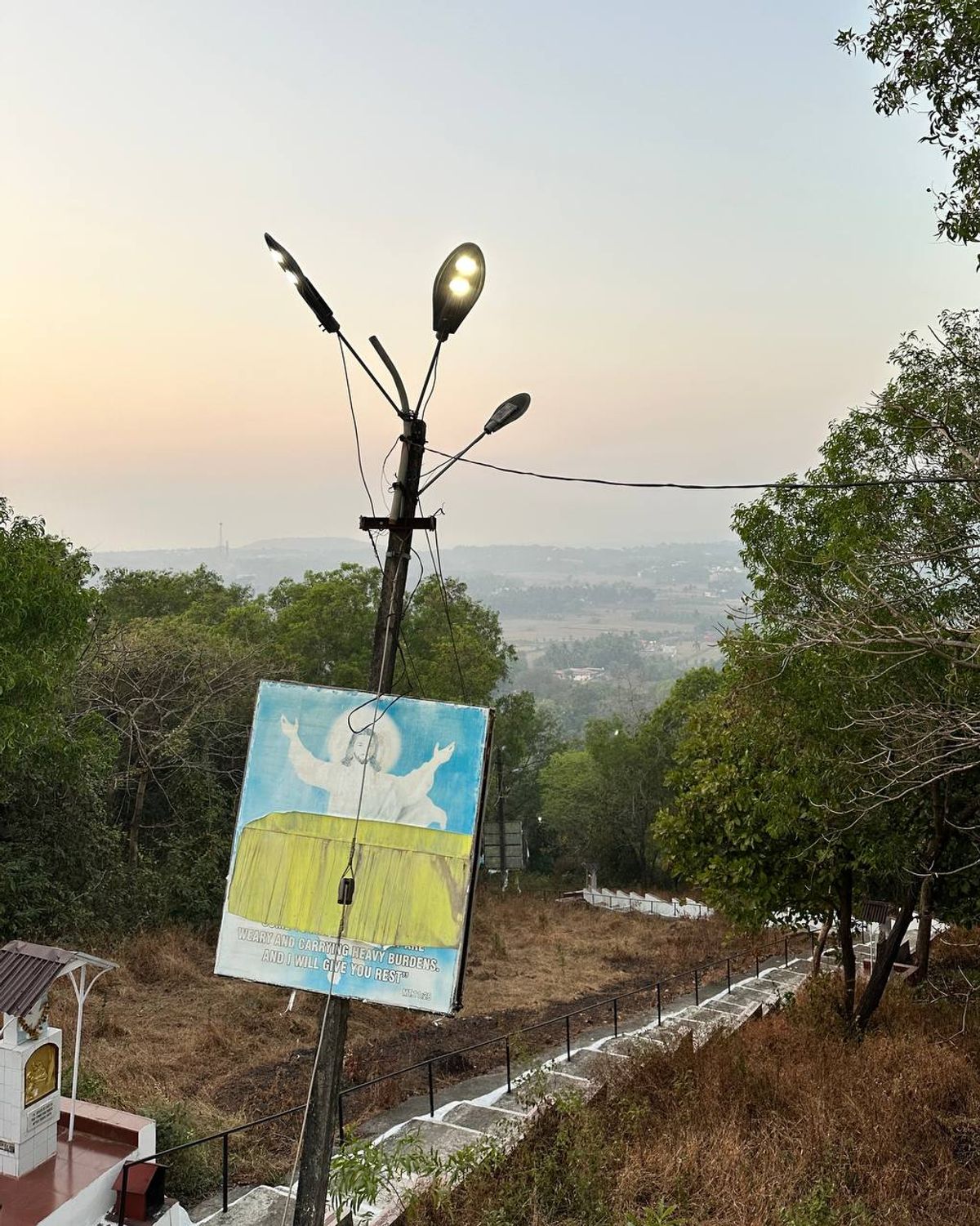
The historical evidence is debated. No contemporary documents survive. The earliest written source linking Thomas to India is the Acts of Thomas, composed in the 3rd century. But the tradition has been held without interruption for nearly two thousand years by the community that claims him as their spiritual father.
According to Kerala tradition, Thomas established seven churches in communities along the Malabar Coast: Kodungallur, Palayoor, Kottakkavu, Kokkamangalam, Niranam, Nilackal, and Kollam. He is said to have converted 32 Brahmin families, whose descendants — some still tracing their lineages today — became the founding generation of Indian Christianity.
Three Tombs: San Thome and the Rarest of Pilgrimages
San Thome Basilica in Chennai holds a distinction shared by only two other churches on Earth: it was built directly over the tomb of one of Jesus's twelve apostles. The other two are St. Peter's Basilica in Vatican City and the Cathedral of Santiago de Compostela in Spain.
Pause on that for a moment. Of all the apostles who carried Christianity across the ancient world, only three have tombs that can be located and venerated today. One is in Rome. One is in Spain. And one is in Chennai, India.
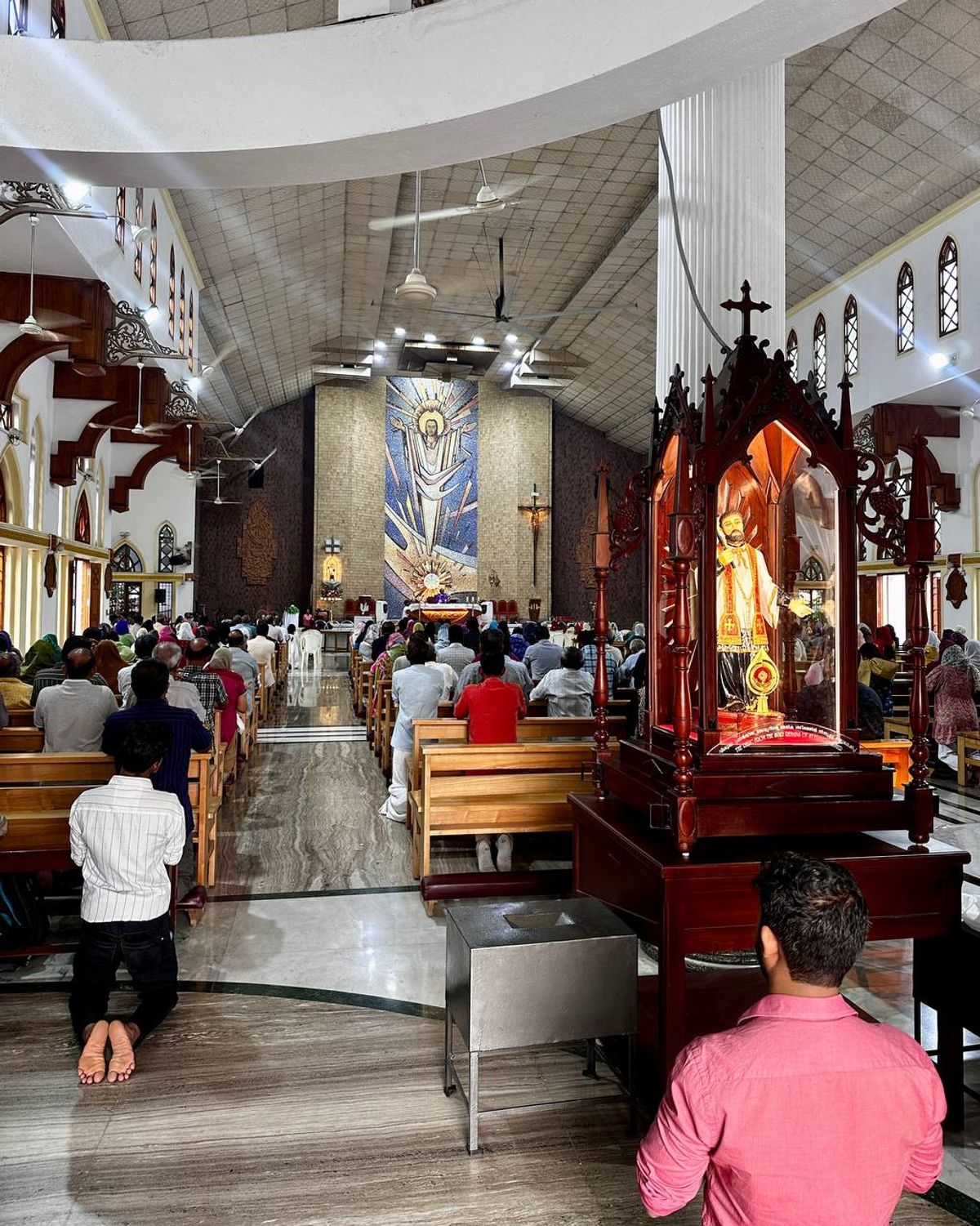
For Christian travelers, San Thome represents something extraordinary: a direct, physical connection to the New Testament, located not in the Middle East or Mediterranean but on the shores of the Bay of Bengal.
The Saint Thomas Christians: Faith Without Interruption
The descendants of those early converts still exist. Known as Saint Thomas Christians, Syrian Christians, or Nasrani, they form one of the oldest Christian communities in the world. Today there are roughly 4.5 million of them, concentrated primarily in Kerala and divided among several churches — Syro-Malabar, Syro-Malankara, Malankara Orthodox, Mar Thoma, and others.
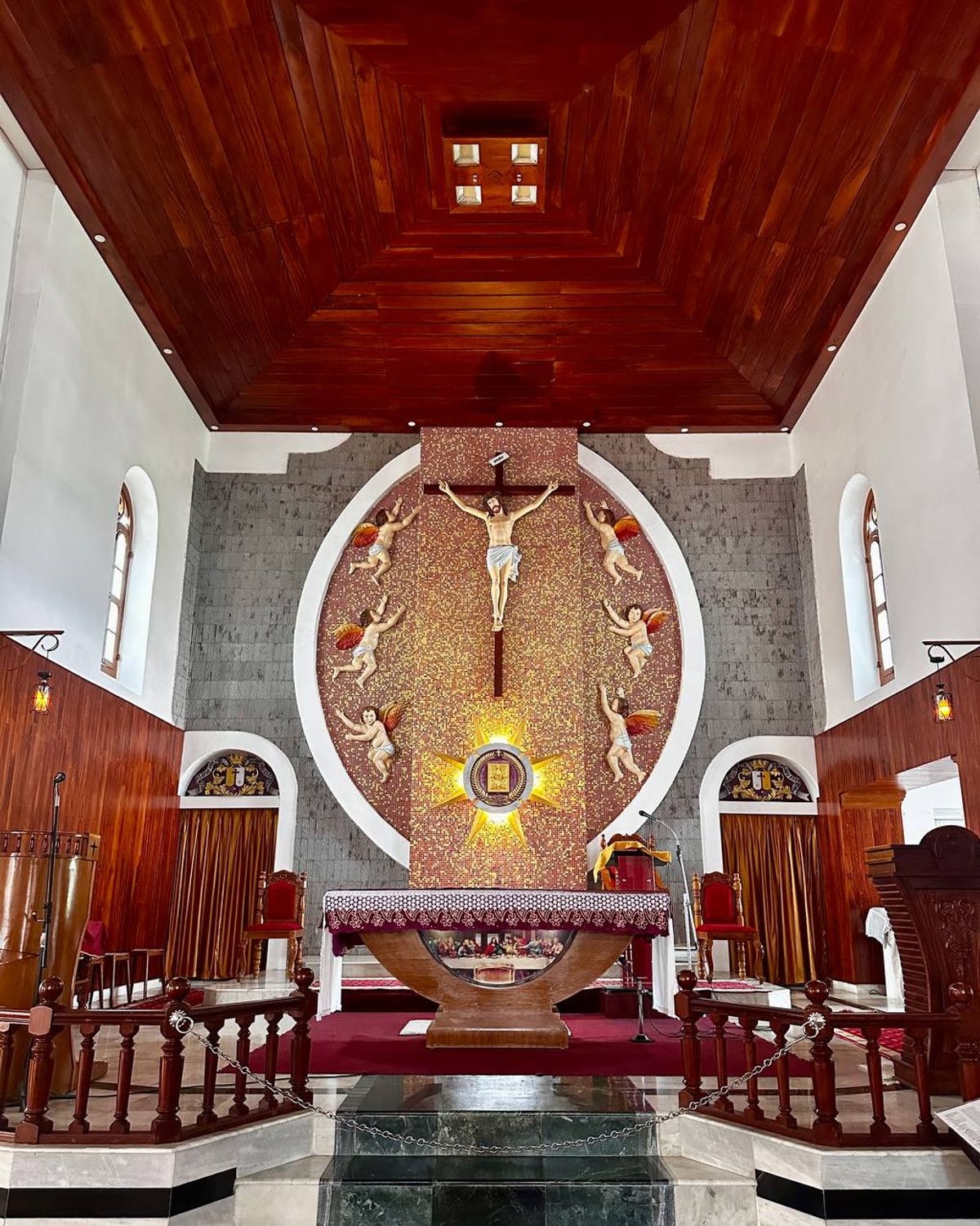
What makes them distinctive is their unbroken continuity. While Christianity in much of India arrived with Portuguese, British, or other colonial powers, the Saint Thomas Christians trace their faith to the apostolic age itself. Their liturgy developed independently, absorbing Syriac traditions from Mesopotamian Christians who maintained contact with Kerala across centuries.
Nagaland: The Most Baptist Place on Earth
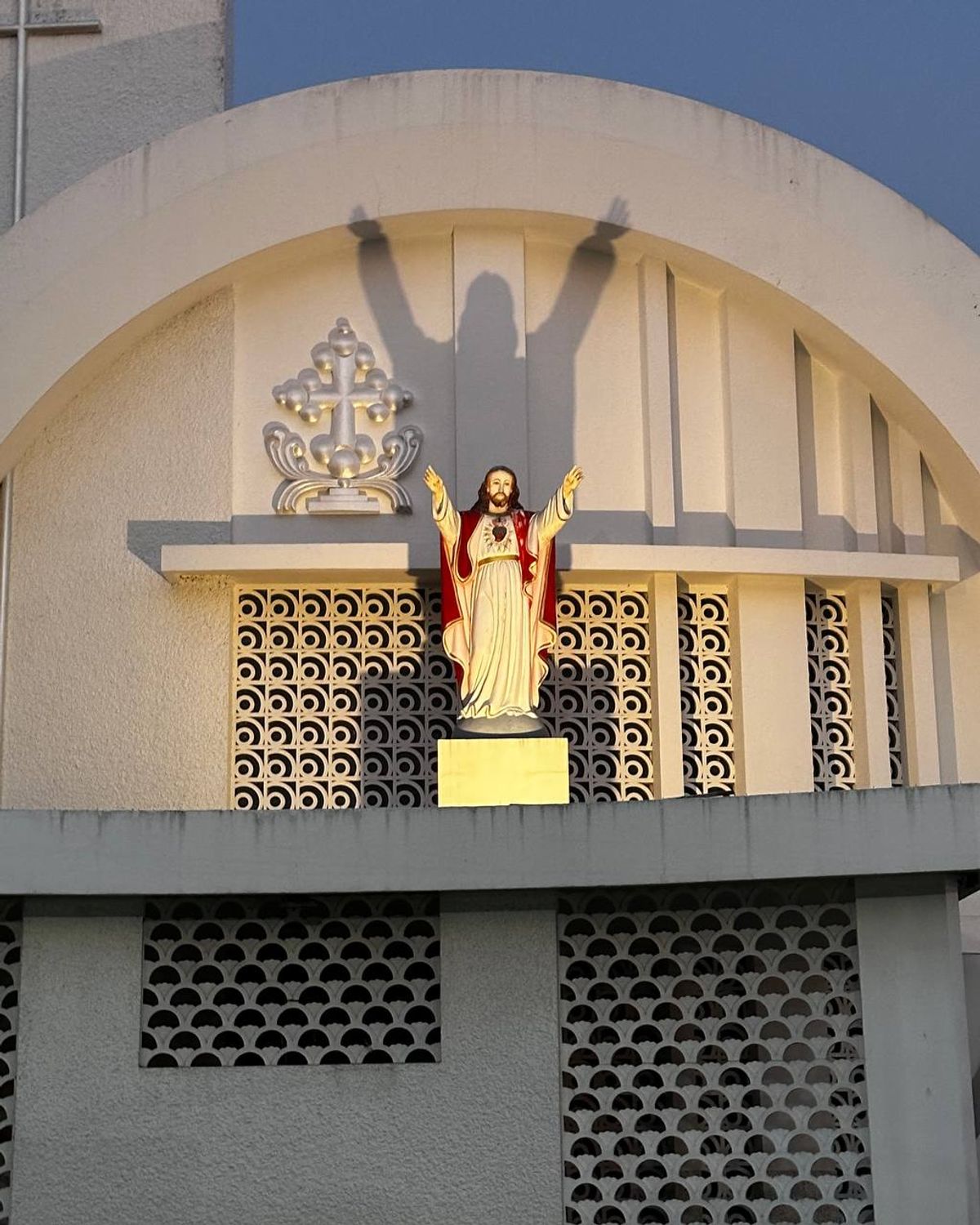
At the opposite end of India, in the remote northeastern hills bordering Myanmar, lies a very different Christian story. Nagaland is approximately 88% Christian — making it more Baptist, proportionally, than Mississippi.
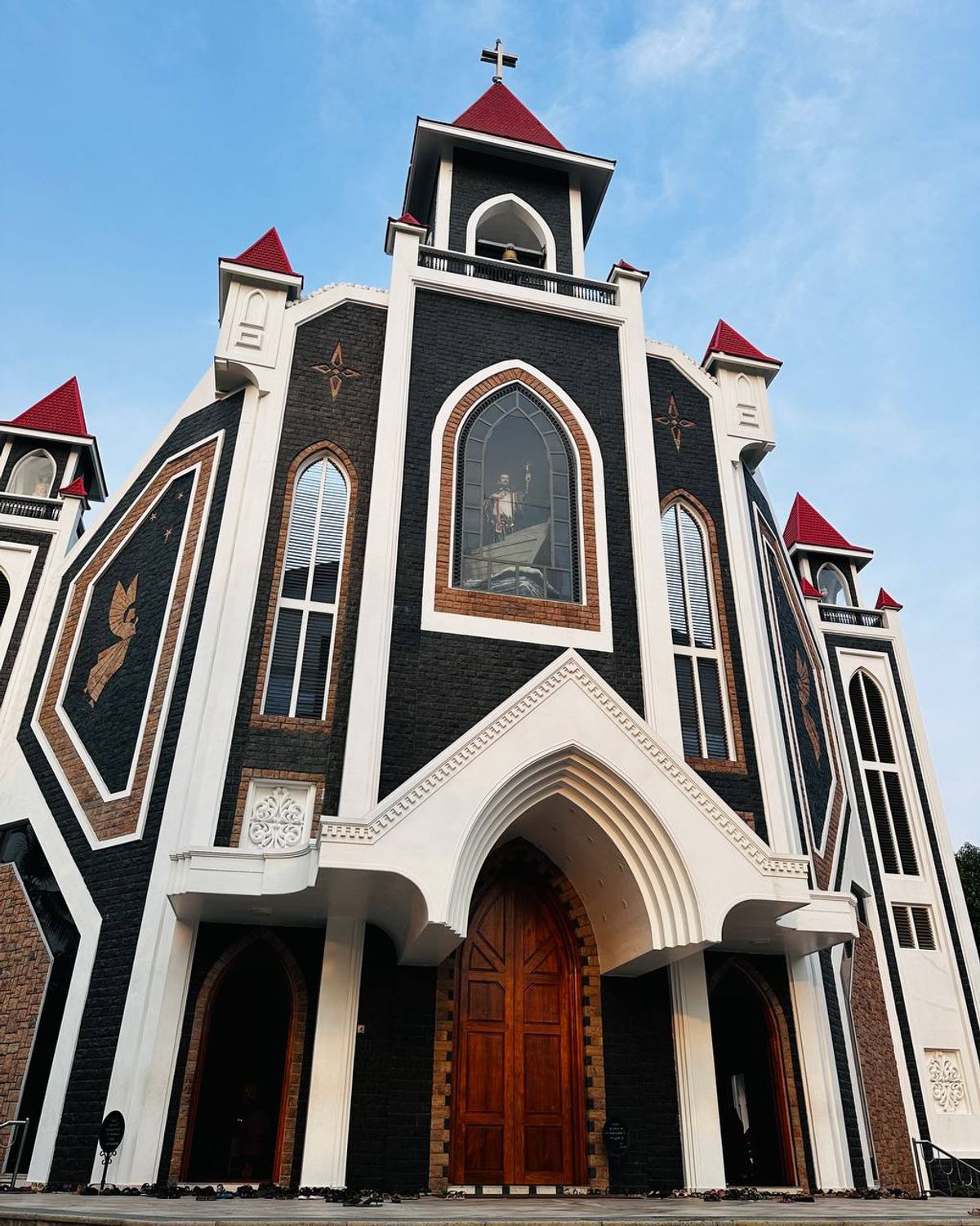
The transformation came remarkably quickly. In 1911, Christians made up only 2% of Nagaland's population. By 1951, that figure had reached 46%. Today, massive churches dominate the skylines of towns like Kohima and Dimapur.
Naga Christianity has developed its own distinctive character. Christmas in Nagaland features traditional tribal music, hymns sung in local languages, and rice beer alongside imported carols. Churches display tribal patterns and motifs. The faith has become genuinely indigenous even as it still carries the DNA of American Baptist missions.
São João: When Catholics Jump into Wells
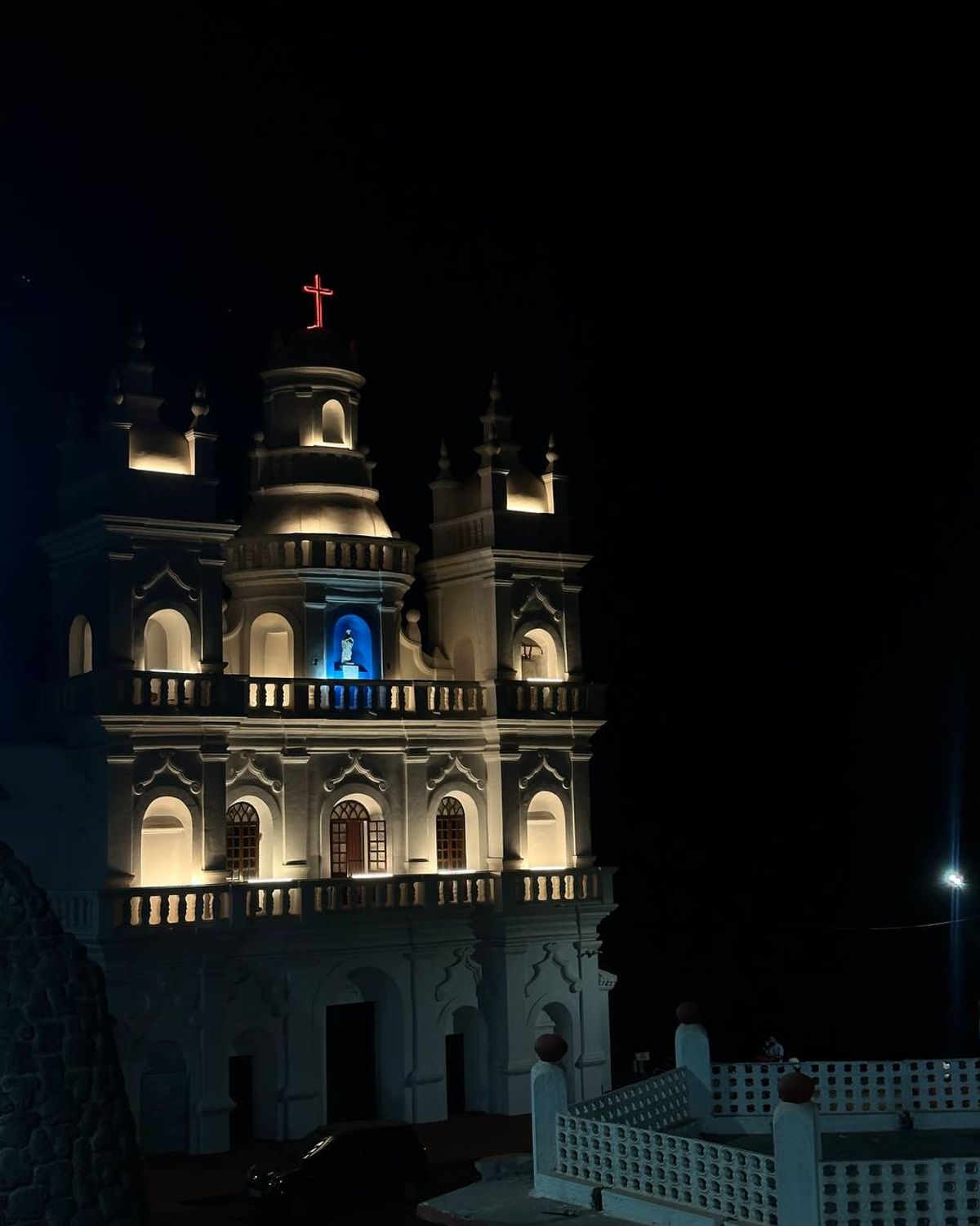
Goa, Portugal's former colonial capital in India, offers yet another expression of Indian Christianity — exuberant, sensory, and thoroughly joyful.
Every year on June 24th, Goa celebrates São João — the feast of St. John the Baptist. After church, young men don kopels — elaborate crowns woven from tropical flowers — and then, with the monsoon rains just beginning to fill the wells and ponds, they leap in.
The symbolism is layered. In Christian tradition, John the Baptist is said to have "leaped for joy" in his mother Elizabeth's womb when Mary, pregnant with Jesus, visited. John later baptized Jesus in the Jordan River. The Goan celebration commemorates both events: the leap of joy and the sacred water of baptism.
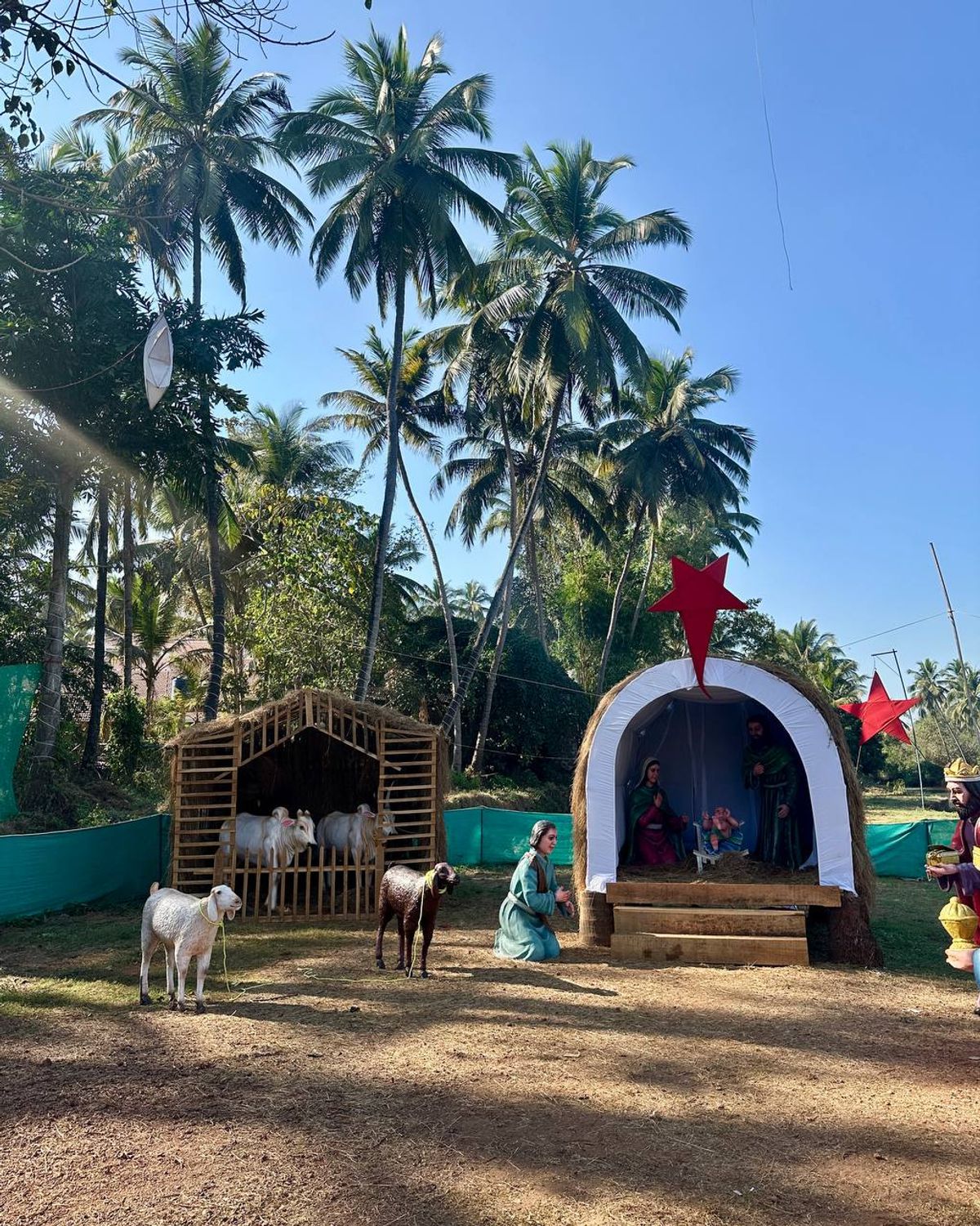
A Faith That Became Native
India's religious genius has always been synthesis. Hinduism absorbed Buddhist influences; Sikhism emerged from Hindu-Muslim encounter; Sufi traditions blended Persian mysticism with Indian devotion. Christianity, over two millennia, has undergone similar transformation.
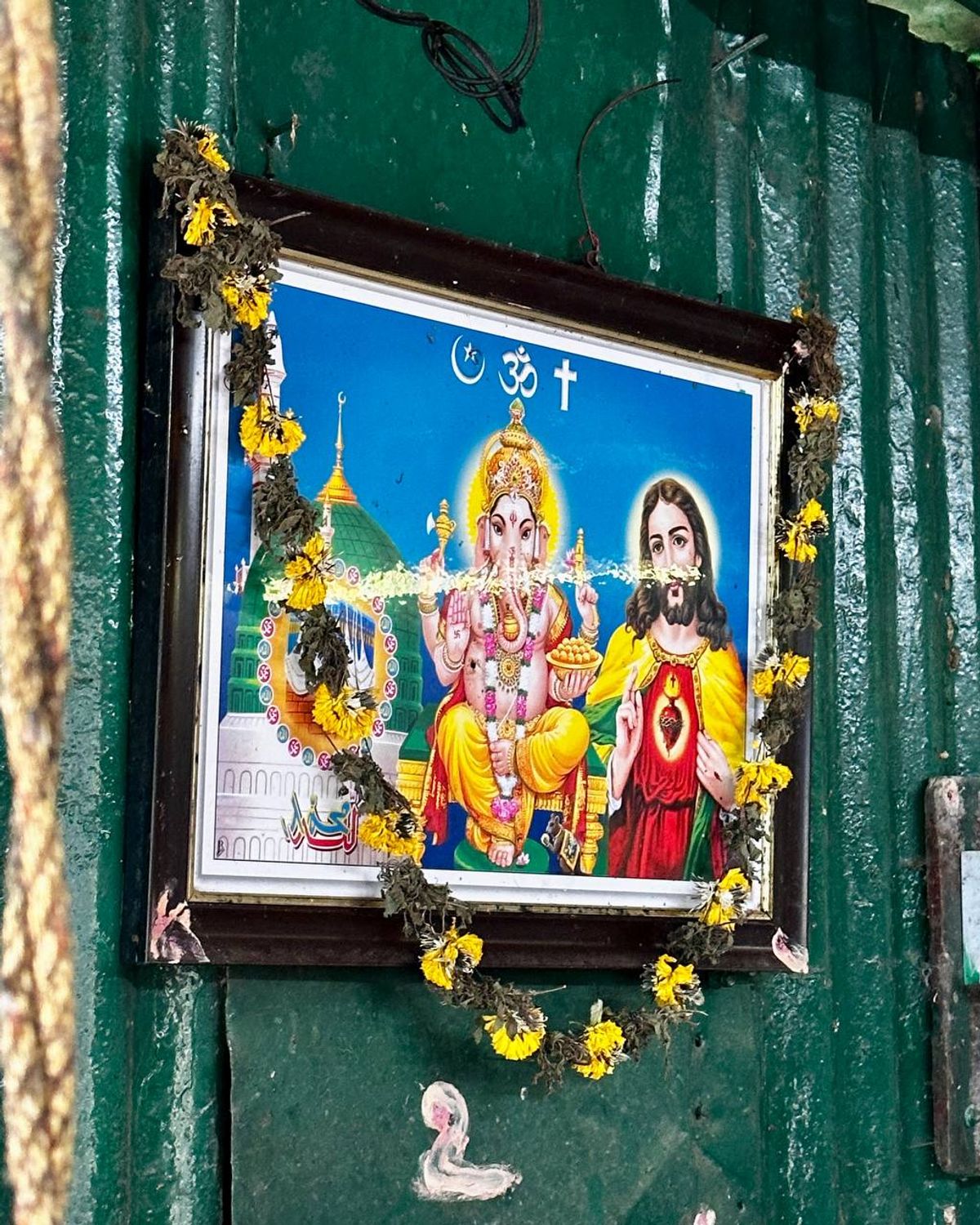
In Kerala, ancient Christian families adopted Brahmanical customs — wearing sacred threads, maintaining ritual purity rules, observing complex marriage ceremonies. Their churches feature Hindu-influenced architecture; their festivals incorporate local traditions. They became Indian without ceasing to be Christian.
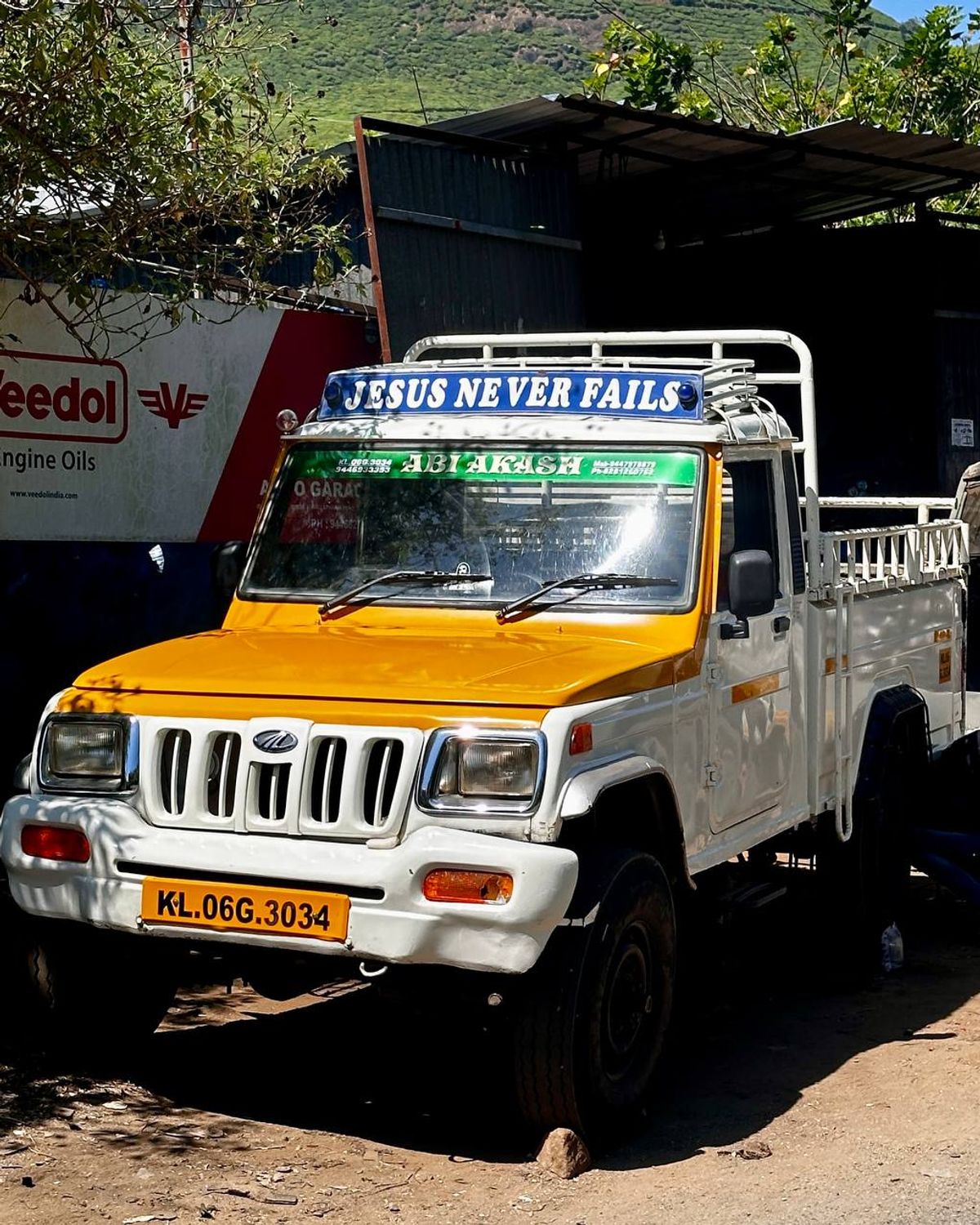
This is the paradox of Indian Christianity: it was brought from elsewhere, yet it feels native. It carries two thousand years of local history. It expresses itself in saris and flower crowns, in well-jumping and barefoot pilgrimages, in tribal hymns and oceanside prayers. Too alive to be merely "imported." Too rooted to be "foreign."
Walking through a South Indian city, you pass Hindu temples, Muslim mosques, and suddenly — unexpectedly — a church that has stood for centuries over the tomb of someone who walked with Jesus. In Nagaland, you find churches more massive than any in the American Bible Belt. In Goa, you discover Catholics celebrating their saints by leaping into wells. In Tamil Nadu, you encounter Hindus and Christians praying together at a shrine where miracles are reported in all languages. This is Indian Christianity: not a colonial remnant but a living tradition, as old as the faith itself in some places, as recent as living memory in others.