India doesn't give you experiences. It imprints them on you. After countless journeys across the subcontinent, I've accumulated memories that range from the transcendent to the utterly unexpected. These aren't necessarily the places every guidebook recommends, nor the experiences every traveler chases. They're mine — shaped by my own search for authenticity, spirituality and those rare moments when a place simply makes sense.
Here are the ten experiences that have defined my relationship with India so far.
1. Bathing in Gangotri: Where the Ganges Begins
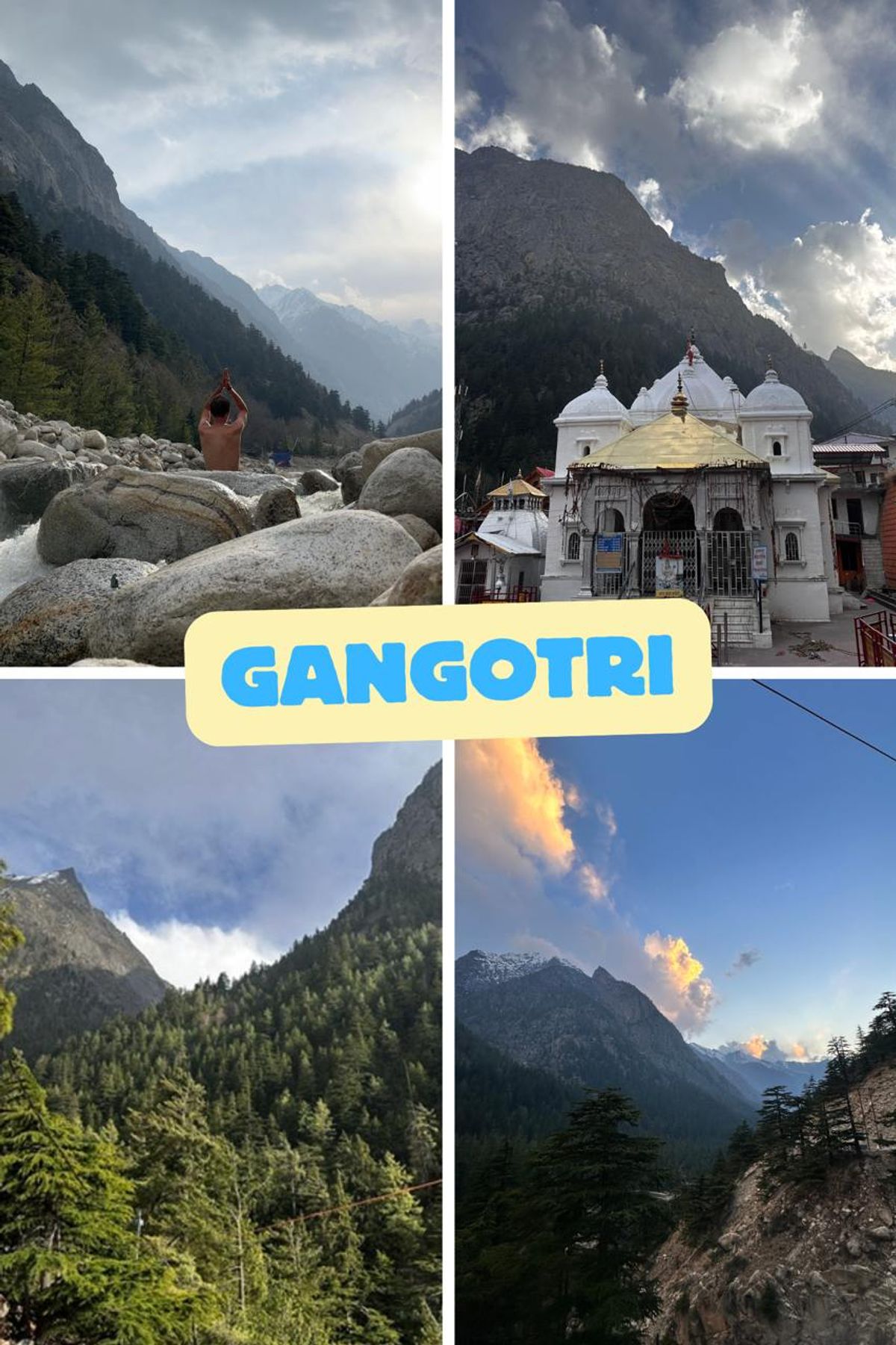
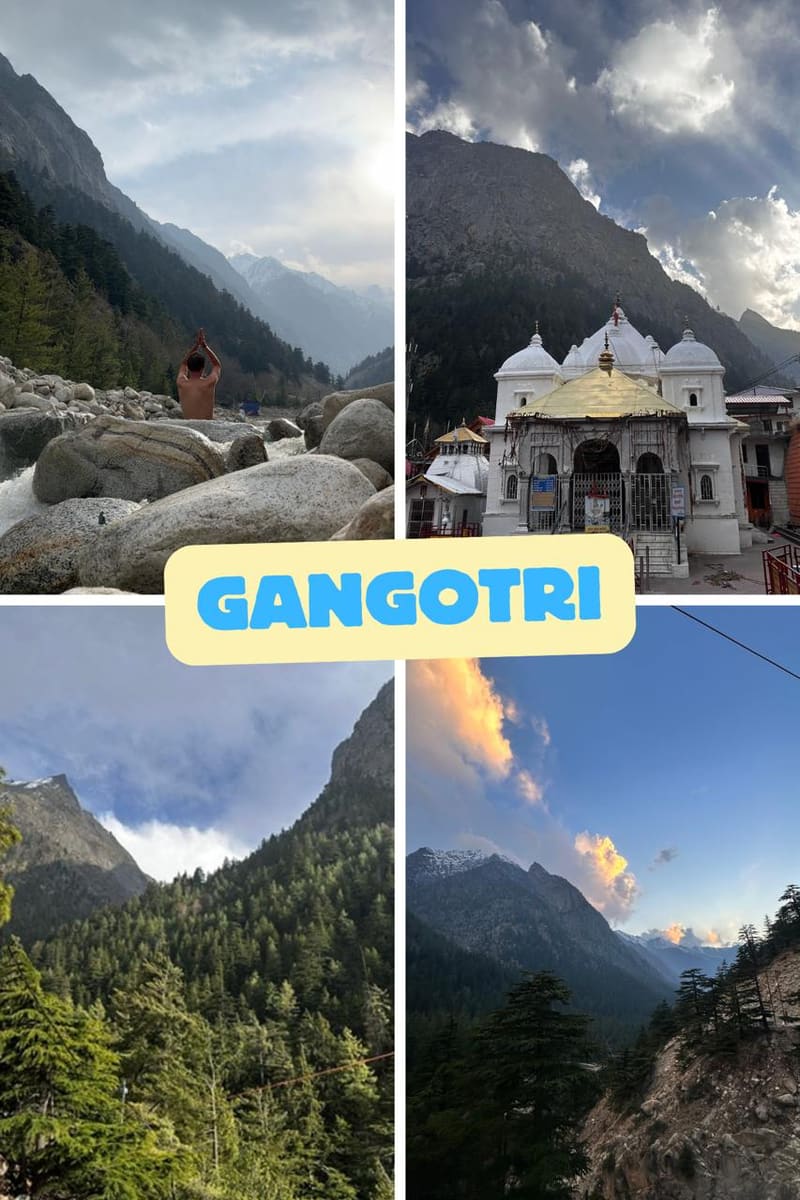
At 3,100 meters in the Garhwal Himalayas, the town of Gangotri marks one of the most sacred points in Hindu geography. According to legend, this is where Lord Shiva released the goddess Ganga from his hair, allowing her waters to flow to earth. The actual glacial source — Gaumukh — lies another 18 kilometers upstream, but Gangotri itself is where most pilgrims come to immerse themselves in waters so cold they steal your breath.
The Gangotri Temple, built in the 18th century by Nepali general Amar Singh Thapa, stands white against a backdrop of pines and snow-capped peaks. Pilgrims wade into the Bhagirathi River (as the Ganges is called at this altitude) to perform their bathing rituals, filling brass vessels and plastic containers with water they'll carry home across India.
This is my personal place of power — not a metaphor, but a felt reality. The combination of altitude, glacial air, temple bells, and the knowledge that this water will flow 2,500 kilometers to the Bay of Bengal creates something that transcends tourism. When you submerge yourself in these waters, you understand why a billion Hindus consider Ganga not merely a river but a goddess.
Getting there: Gangotri is accessible by road from Rishikesh (around 250 km) via Uttarkashi. The route is part of the Char Dham pilgrimage circuit and is open from May to November.
2. The Labyrinthine Lanes of Varanasi
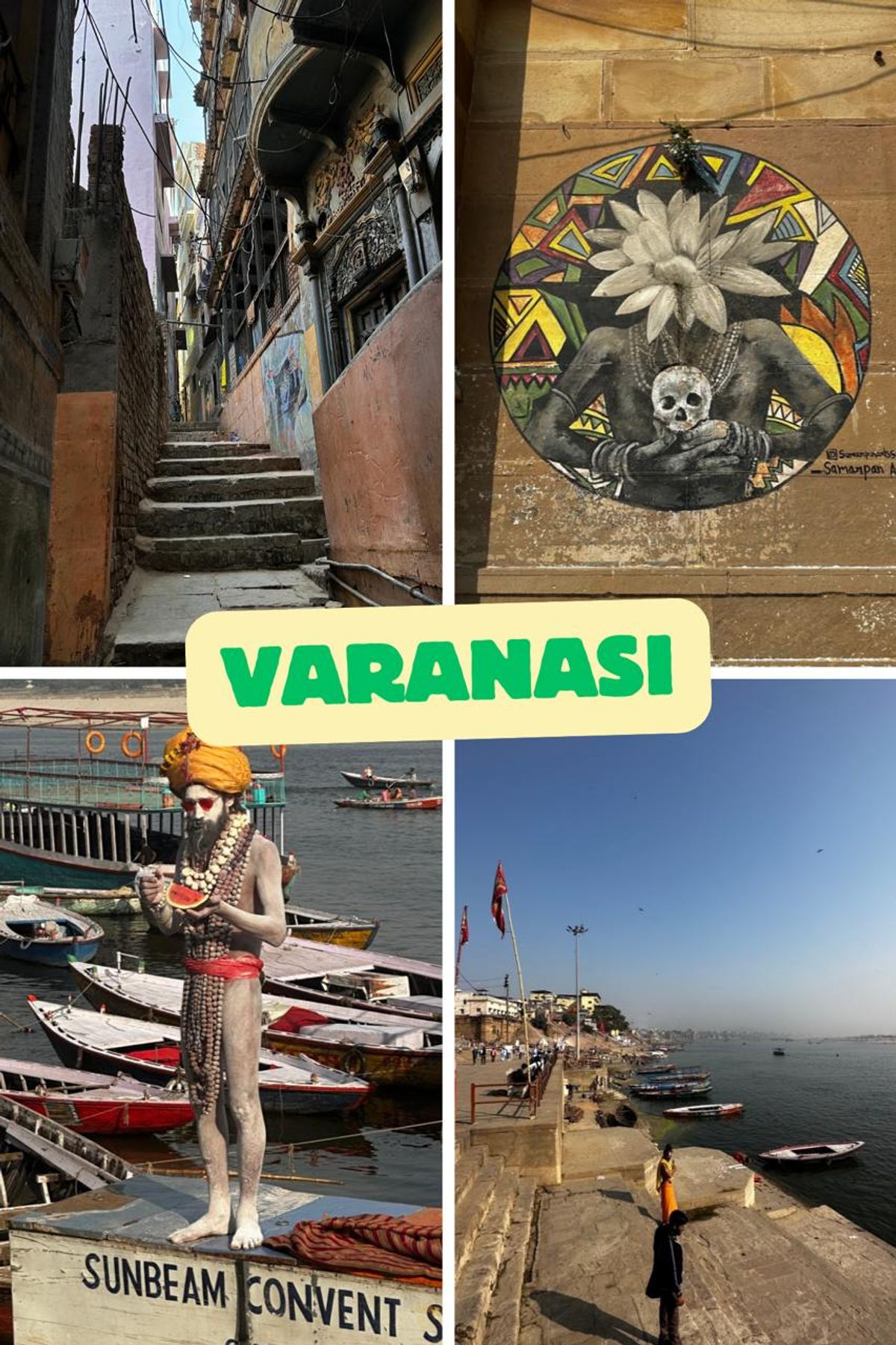
Varanasi may be one of the world's oldest continuously inhabited cities, dating back to the 11th century BCE. It is certainly one of the most overwhelming. The old city is a labyrinth of narrow lanes where ancient temples coexist with vibrant bazaars selling brass idols, rudraksha beads and the famous Banarasi silk sarees.
The cremation ghats at Manikarnika burn continuously — the flames there are said to have been lit over 3,500 years ago and never extinguished. But the burning ghats are only one facet of the city. Varanasi's daily rhythm runs on devotion: pilgrims bathing at dawn, priests moving in unison with flaming lamps during the evening Ganga Aarti, musicians carrying forward the lineages that produced Pandit Ravi Shankar and Ustad Bismillah Khan.
The city reveals itself when you stop trying to decode it and simply walk. Wander the narrow lanes. Watch cricket games tucked between buildings. Find a rooftop café and watch the patterns of a city that's been working for millennia.
Pro tip: The sunrise boat ride along the ghats is genuinely worth the early wake-up call. Watching the city come alive from the river provides a perspective that walking cannot.
3. Fort Kochi: An Antique Box Full of Stories
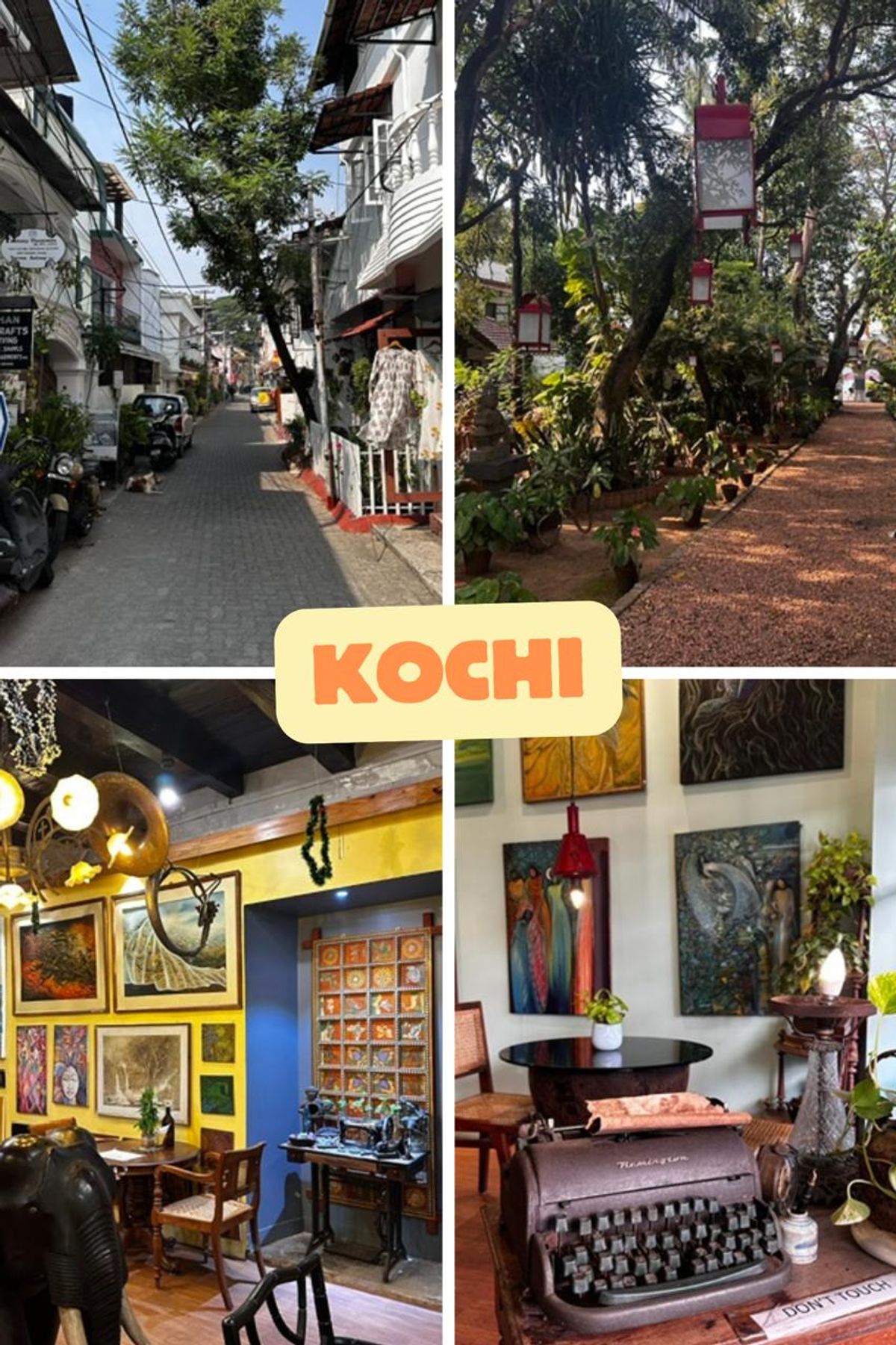
Fort Kochi feels like it belongs to a different India entirely. This historic neighborhood in Kerala's port city of Kochi is a mosaic of colonial influences — Portuguese, Dutch, British — layered over Jewish, Syrian Christian, and Hindu traditions. The result is a place of unusual cleanliness (by Indian standards), distinctive architecture, and an atmosphere that invites slow exploration.
The Portuguese arrived first in 1503, constructing Fort Emmanuel and St. Francis Church — where Vasco da Gama was originally buried. The Dutch followed in 1663, leaving behind the David Hall cultural center and a cemetery with elaborately carved 18th-century graves. The British took over in 1795 and held the territory until Indian independence.
Today Fort Kochi's streets are lined with curio shops, art galleries and cafés housed in colonial-era buildings. The Paradesi Synagogue in nearby Jew Town dates to 1568. The Chinese fishing nets along the waterfront — vast cantilevered contraptions introduced by traders from the court of Kublai Khan — create one of India's most photographed scenes.
Fort Kochi is like an antique box, full of stories. Every lane reveals another layer of the multicultural heritage that made this coast a crossroads of global trade for centuries.
Best time to visit: The Kochi-Muziris Biennale, held from December to March in even years, transforms the neighborhood into an international contemporary art destination.
4. Gokarna: Cliffs, Caves, and the Perfect Goa Alternative
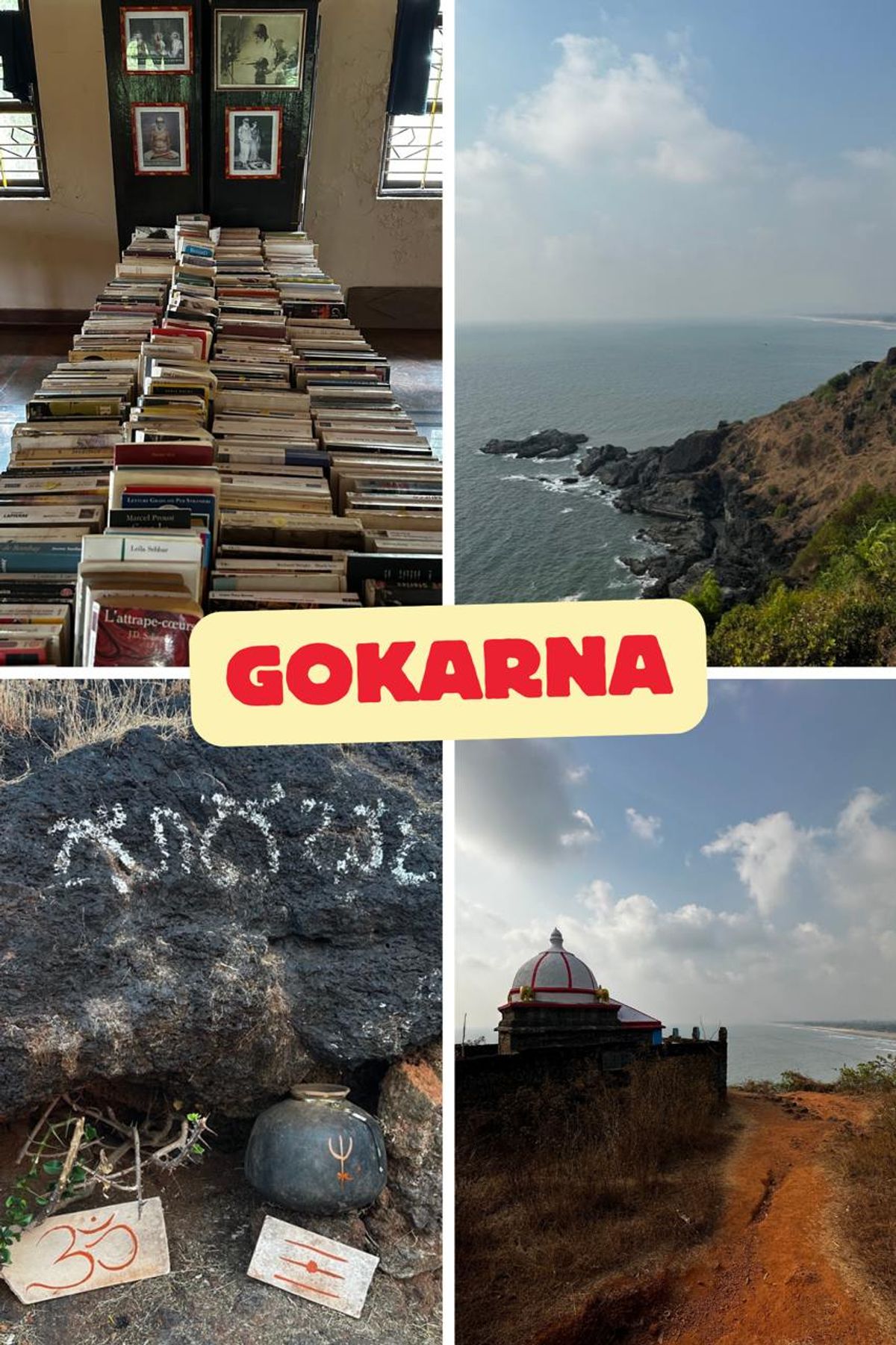
If you're seeking what Goa was before mass tourism arrived, Gokarna is your destination. This coastal town in Karnataka combines pristine beaches with genuine spiritual significance — it's one of seven Mukti Sthalas where Hindus believe liberation from the cycle of rebirth is attainable.
The beaches south of town — Kudle, Om (naturally shaped like the sacred symbol), Half Moon and Paradise — remain refreshingly untouched by large-scale development. Half Moon and Paradise are accessible only by boat or cliff trail, which keeps them sheltered from crowds.
But what makes Gokarna special for me is the Shiva Cave (Gogarbha Cave), a hidden gem near Kudle Beach. The cave houses a Shiva lingam and is surrounded by natural stalactite formations. Local mythology connects it to the town's name — "Gokarna" means "cow's ear," referring to the shape the sacred Atmalinga took when Lord Ganesha placed it here to prevent the demon king Ravana from carrying it away.
The 4th-century Mahabaleshwar Temple in town is intimate and alive with local rituals. And there's an old library perched on a coastal cliff — perfect for those afternoons when even paradise needs a break.
Getting there: Gokarna is about 140 km from Goa and 490 km from Bangalore. The Konkan Railway stops at both Gokarna Road and Ankola stations.
5. The Krishna Temple at Udupi: Darshan Through Nine Squares
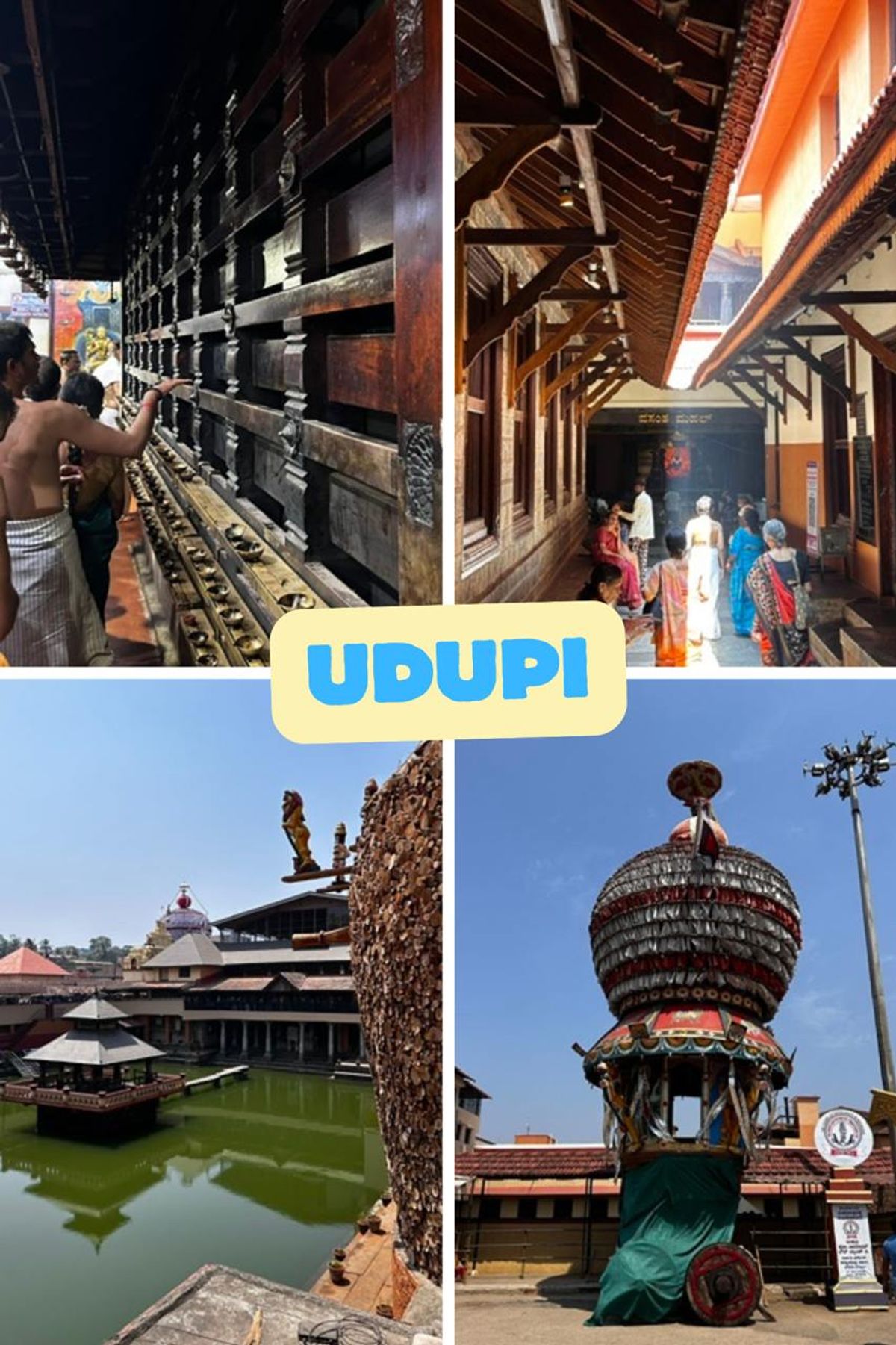
The Sri Krishna Temple in Udupi offers something found nowhere else in India: darshan (divine viewing) of the deity exclusively through a window with nine holes, called the Navagraha Kindi. The window is silver-plated and adorned with carvings depicting the ten avatars of Lord Vishnu. Behind it stands an idol of Lord Krishna as a child, holding a churning rod in his right hand and rope in his left — a representation unique to this temple.
The temple was founded in the 13th century by Madhvacharya, the philosopher-saint who established the Dvaita (dualistic) school of Vedanta. Legend says he discovered the idol in a large ball of gopichandana (a type of clay) from a shipwreck. Unlike most Hindu temple deities, this Krishna faces west — supposedly because he turned to grant darshan to Kanakadasa, a 16th-century devotee who was denied entry due to his caste but whose devotion was so intense that the god himself created a hole in the wall to acknowledge him.
Eight monasteries (Ashta Mathas) jointly manage the temple, rotating administrative responsibility every two years during the Paryaya festival. The lamps that burn near the main idol were first lit by Madhvacharya himself, eight centuries ago, and have never been extinguished.
This is my favorite temple in all of India. The combination of ancient architecture, living tradition, and the unique spiritual experience of viewing Krishna through that nine-holed window creates something I've found nowhere else.
Note: Men must remove upper garments before entering. The temple follows strict traditional dress codes.
6. Ganga Aarti at Triveni Ghat, Rishikesh
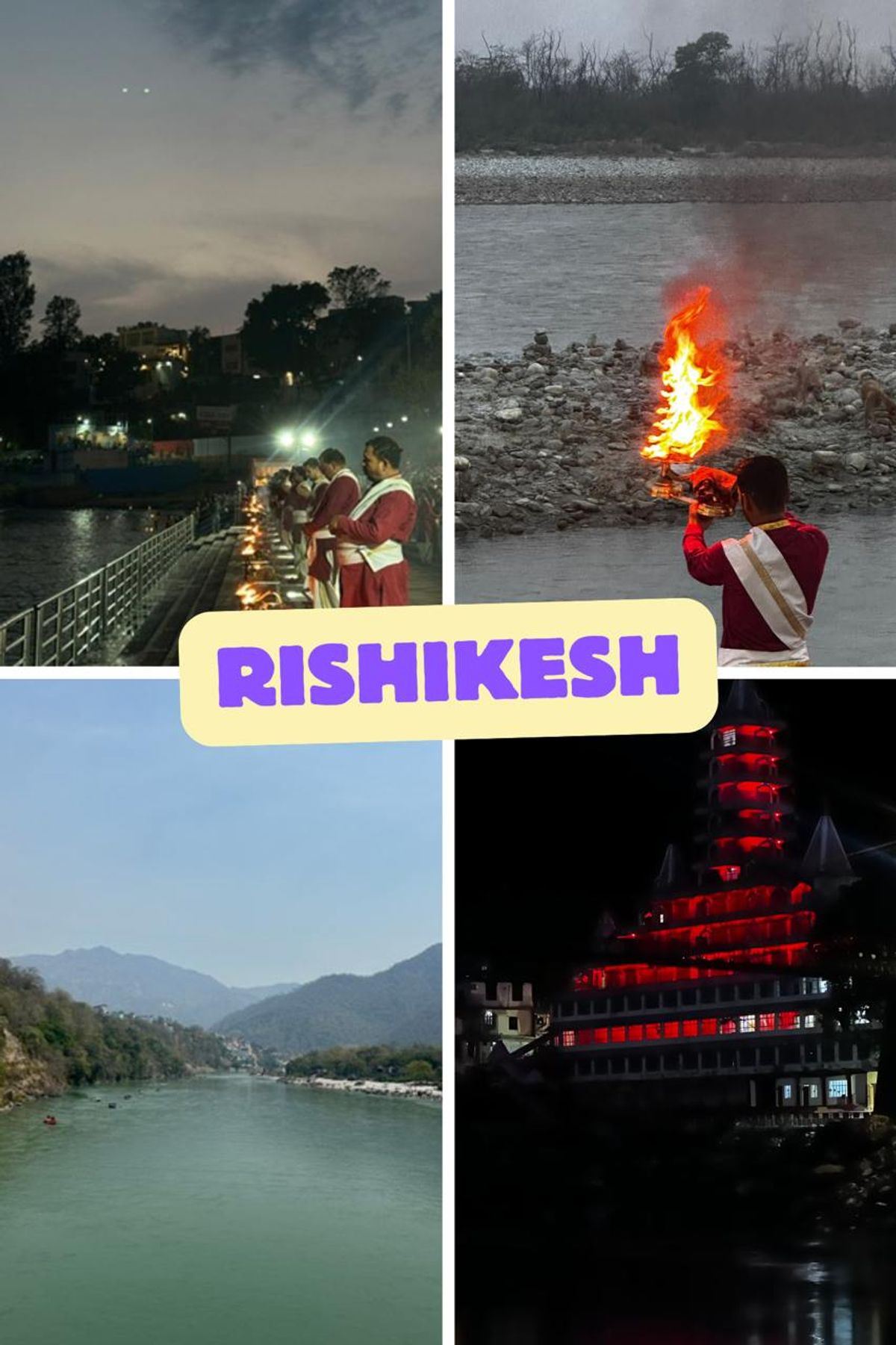
Rishikesh has earned its title as the yoga capital of the world, but even if you never unroll a mat, the evening aarti ceremony at Triveni Ghat is essential.
Triveni Ghat marks the confluence of three sacred rivers: the Ganga, the Yamuna and the mythical Saraswati. Every evening, priests perform the Maha Aarti — a fire worship ceremony accompanied by hypnotic drums, rhythmic bells and devotional hymns. Devotees release small floating leaf boats with oil lamps onto the river, dotting the dark water with flickering flames.
What distinguishes Rishikesh's aarti from the more famous ceremonies in Varanasi and Haridwar is the atmosphere. This is a smaller, more intimate affair — you can sit calmly, join the crowd singing bhajans, or simply absorb the ritual. The energy feels less performative, more participatory.
After the aarti, kirtan sessions often continue — collective mantra chanting that sometimes builds into spontaneous dancing. In the yoga capital, the line between structured ceremony and organic spiritual expression blurs beautifully.
Timing: Evening aarti typically runs from 6:00–7:00 PM (slightly earlier in winter, later in summer). Arrive early to secure a good spot.
7. The Ayurvedic Garden in Munnar
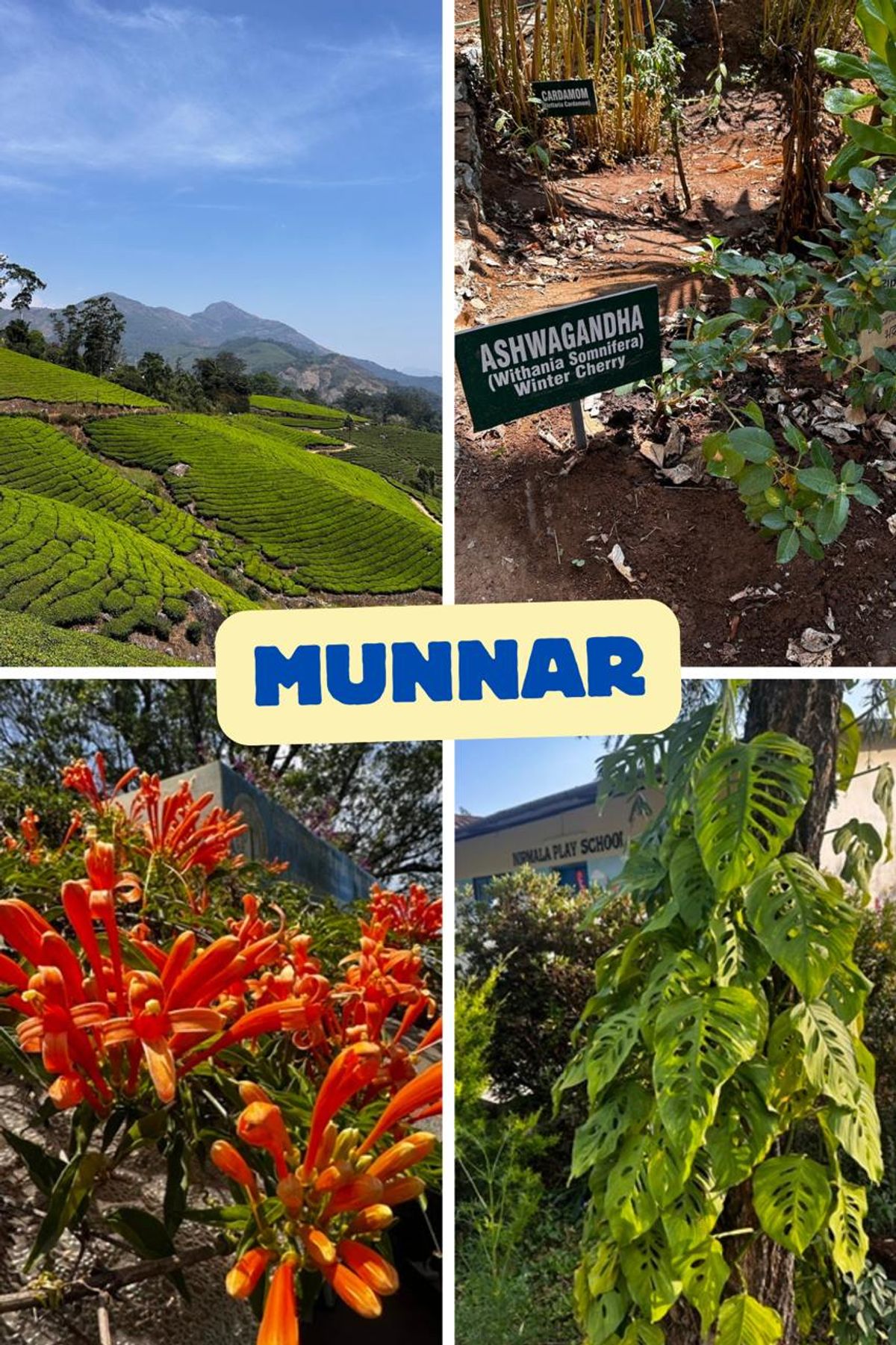
Kerala's hill station of Munnar is famous for its tea plantations — endless green carpets draped over rolling hills. But hidden among those tea estates are spice and herb gardens that offer a living education in Ayurveda, India's ancient system of medicine.
The garden I visited walked me through the major plants that form Ayurveda's pharmacopeia: Tulsi (holy basil), known for its adaptogenic and immune-boosting properties; Ashwagandha (Indian ginseng), used for stress relief and vitality; Brahmi (Bacopa monnieri), prized for cognitive enhancement and memory support; and Rudraksha trees, whose seeds are worn as prayer beads across Hindu and Buddhist traditions.
Guides explain not just what each plant does but how to identify them, how they're cultivated without chemicals, and how they're processed into the oils, powders, and preparations that fill Kerala's Ayurvedic pharmacies. For anyone interested in herbal medicine or simply curious about the botanical basis of traditions that predate Western medicine by millennia, these gardens offer genuine revelation.
Practical note: Many spice gardens include tea-tasting sessions and sell products directly. Prices are often higher than in Kumily or Thekkady markets, but quality tends to be better controlled.
8. Karnataka Chitrakala Parishath in Bangalore
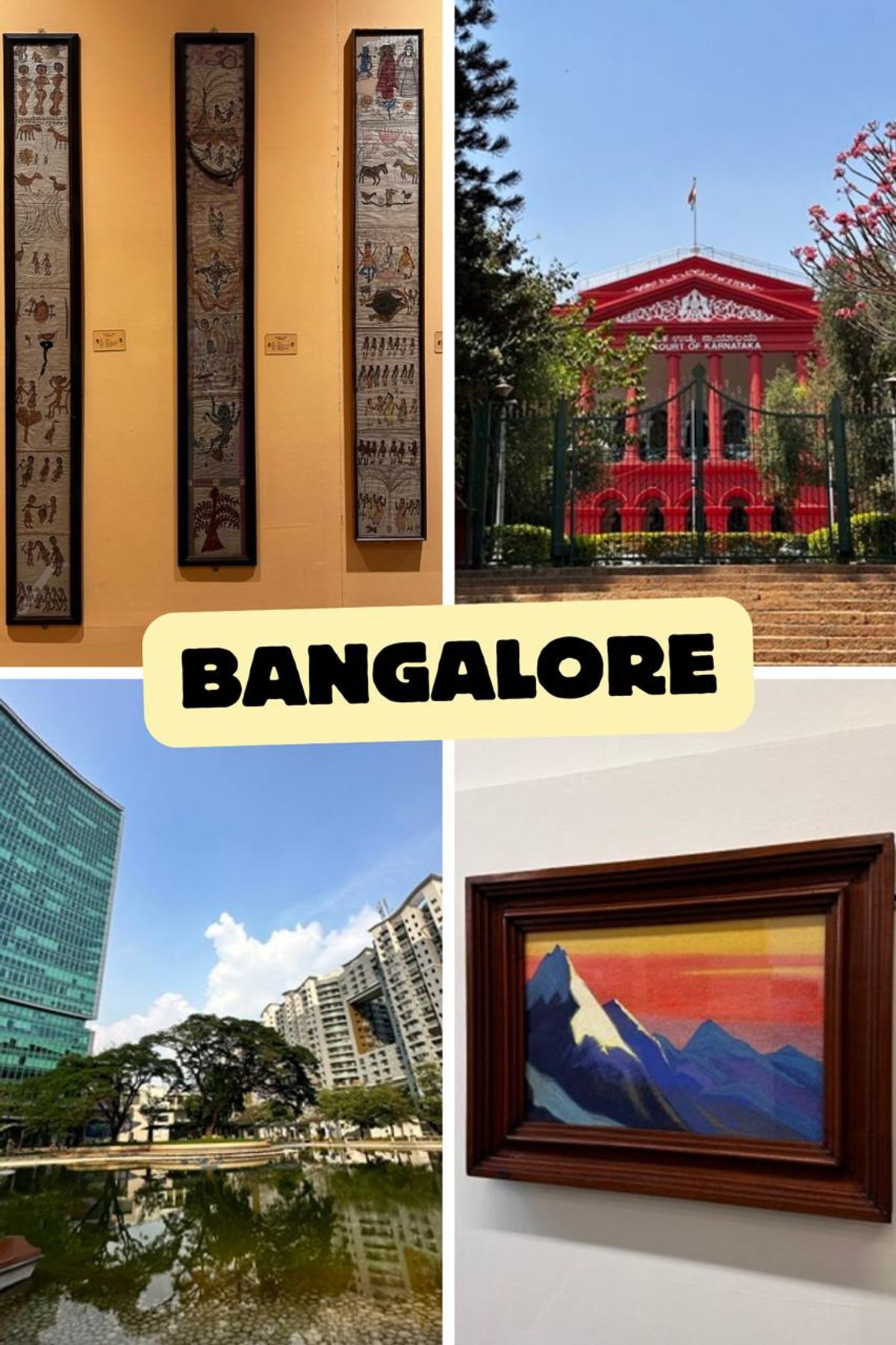
Bangalore (officially Bengaluru) is India's IT capital — a city of tech parks, startup culture, and traffic jams that can make Mumbai look manageable. It's not where you'd expect to find one of India's finest art museums, but Karnataka Chitrakala Parishath is exactly that.
The complex houses 18 galleries across a campus that functions as both museum and art college. The permanent collection includes folk art, traditional Mysore paintings, leather puppets, and contemporary works by major Indian artists. But the highlight, without question, is the Roerich Gallery.
In 1990, Svetoslav Roerich donated 117 paintings to the Parishath — works by both himself and his father, Nicholas Roerich, the Russian painter who spent decades in India documenting Himalayan landscapes and exploring the spiritual dimensions of the mountains. The collection features Nicholas's luminous mountain scenes, Svetoslav's portraits (including famous paintings of Jawaharlal Nehru and Indira Gandhi), and depictions of the Kulu Valley where the Roerichs established their estate.
For anyone interested in how Western artists have seen and interpreted India, or simply in one of the 20th century's most singular artistic visions, this gallery is essential.
Visiting info: Entry is free, though the Roerich Gallery charges ₹20. Closed Mondays. The annual Chitra Santhe art fair in January offers affordable works under the motto "Art for All."
9. Ramoji Film City in Hyderabad
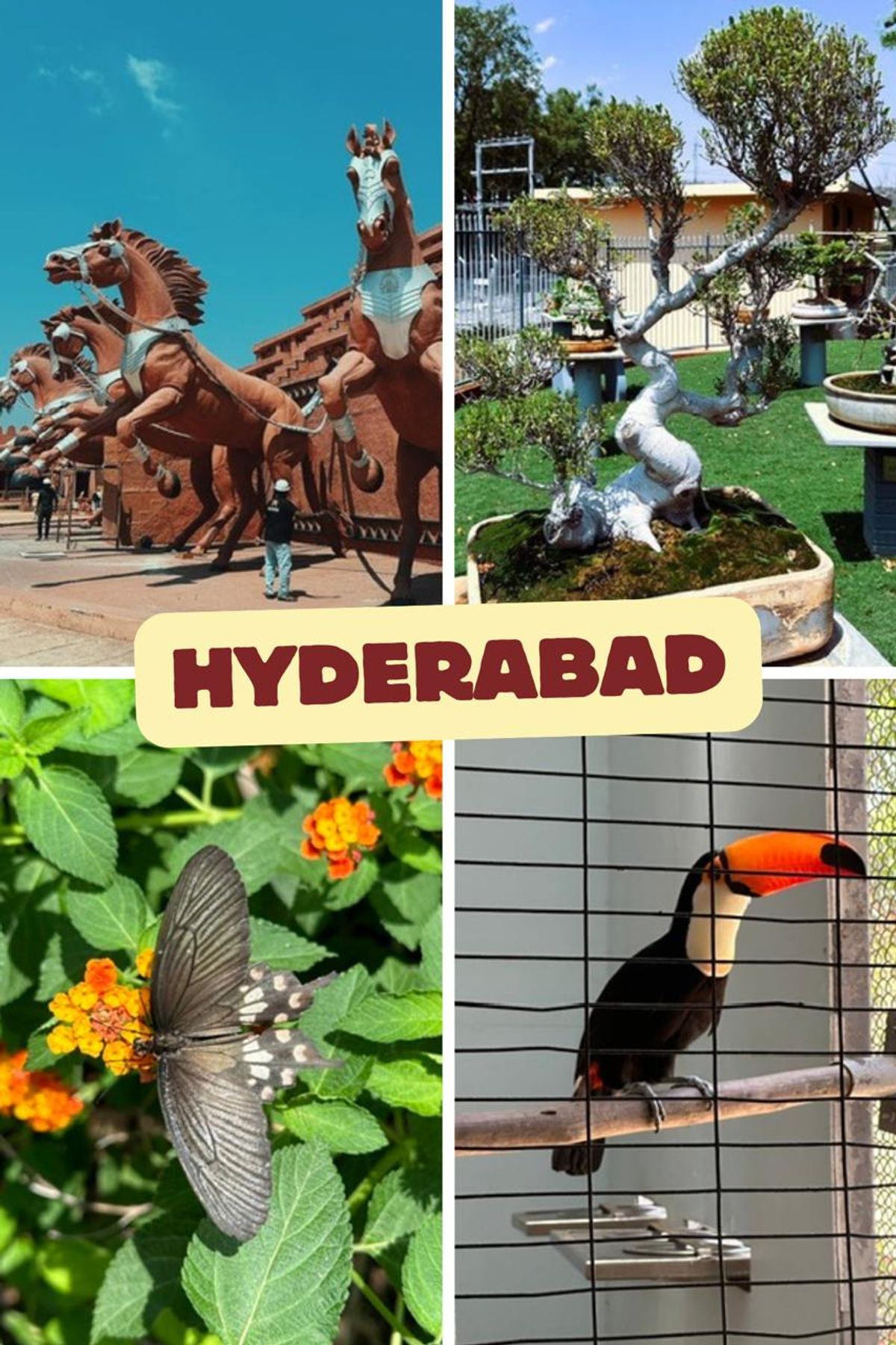
Ramoji Film City holds the Guinness World Record for the world's largest film studio complex — over 2,000 acres of studios, sets, gardens, and attractions spread across the hills outside Hyderabad. It was established in 1996 by Telugu media mogul Ramoji Rao, and it has been described by The Guardian as "a city within a city."
The facility can accommodate 50 film units shooting simultaneously and provides comprehensive pre-production, production, and post-production services. Tollywood (the Telugu film industry), Bollywood, and productions from across South India have used its sets, which include everything from railway stations to medieval castles to replicas of London streets and the Eiffel Tower.
For visitors, Ramoji offers an all-day excursion unlike anything else in India. Beyond the studio tour, there's a butterfly park, bird aviary, Japanese garden, bonsai collection, Wild West stunt shows, and amusement rides. The sets from the Baahubali films — the most expensive Indian productions ever made — draw particular crowds.
Yes, it's commercial. Yes, the kitsch factor is high. But Ramoji represents Indian cinema's ambition and scale in physical form.
Planning: A full day is necessary to see everything. Day tour tickets start around ₹1,350. The complex includes hotels for overnight stays.
10. Juhu Beach in Mumbai: Where Megacity Meets Ocean
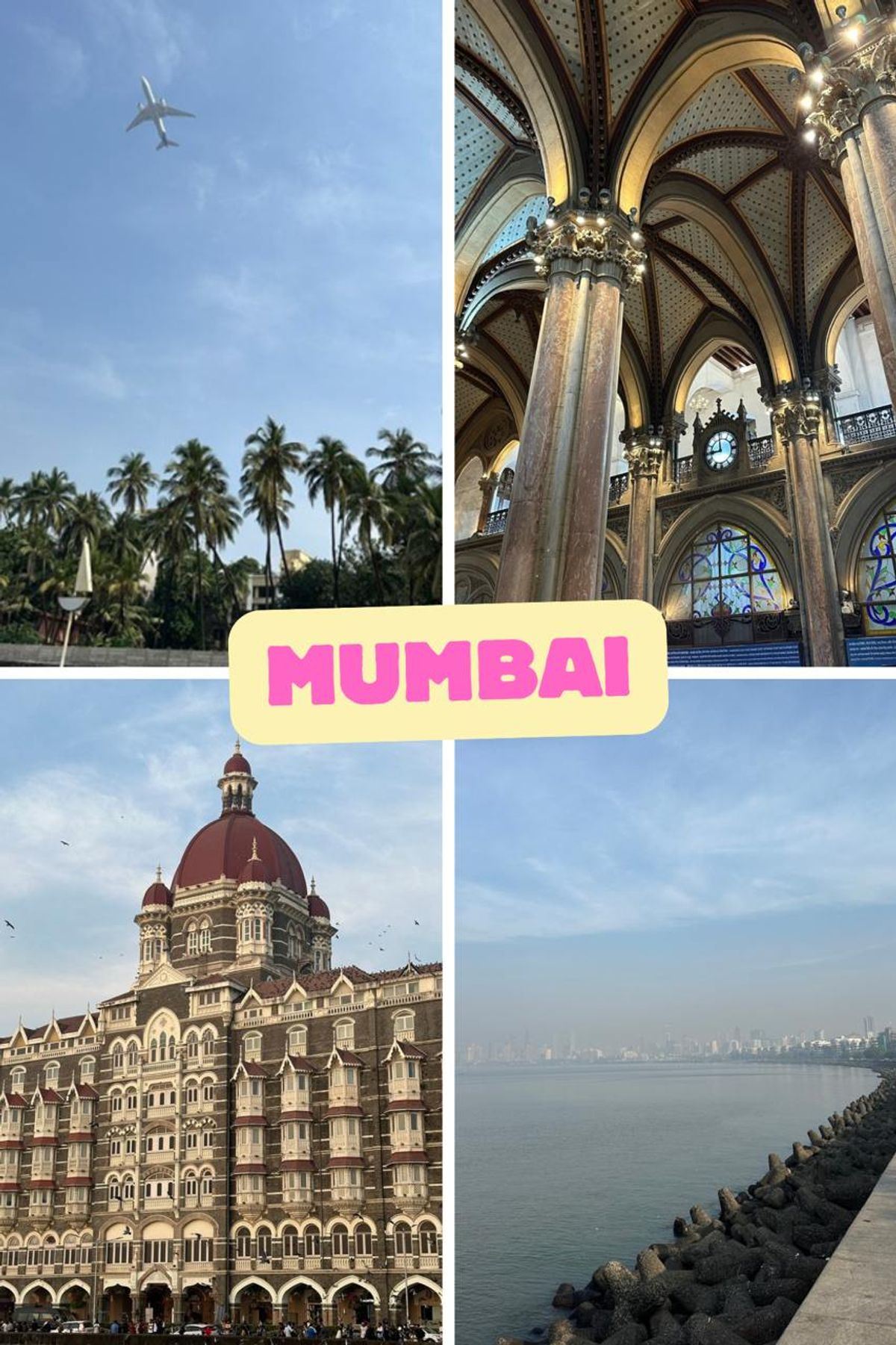
Mumbai is India's financial capital, its most cosmopolitan city, and a metropolis that never stops moving. Juhu Beach, in the affluent neighborhood where Bollywood celebrities maintain their bungalows (including Amitabh Bachchan's famous residence), offers a unique vantage point on this urban intensity.
I call it Santa Cruz Beach in my notes because the nearby airport — Chhatrapati Shivaji Maharaj International — makes the beach a front-row seat for plane spotting. Aircraft on approach pass directly overhead, low enough that you can read airline logos. Watching jets descend against a backdrop of Mumbai's gleaming high-rises while waves lap at your feet creates a juxtaposition that captures something essential about modern India: ancient and ultramodern, dense and systematic, always in motion.
The beach comes alive after sunset. Street vendors sell bhelpuri, paan, and vada pav. Families spread mats for impromptu picnics. The city lights flicker on across the skyline. Walking Juhu in the evening, with skyscrapers on one side and the Arabian Sea on the other, planes roaring overhead and the smell of street food in the air — this is India's present and future, compressed into sensory overload.
Access: Juhu is easily reached from Vile Parle or Santacruz stations on Mumbai's Western Railway line. The beach is about 4 km from the domestic airport.
Final Thoughts: India Is Not One Country
What strikes me most, looking back at this list, is how little these experiences have in common. Gangotri and Mumbai might as well be on different planets. The spiritual intensity of Varanasi shares nothing obvious with the colonial charm of Fort Kochi. The Roerich paintings in Bangalore exist in a different universe than Ramoji's Baahubali sets.
And that's precisely the point. India is not one country. It's a subcontinent of civilizations, languages, climates, and worldviews that happen to share a flag. The only way to experience it honestly is to accept that every conclusion you reach will be contradicted by your next destination.
These ten experiences are mine. Yours will be different. The only mistake is thinking you've understood India after visiting a few places. The country will prove you wrong every time — and that's exactly why we keep going back.