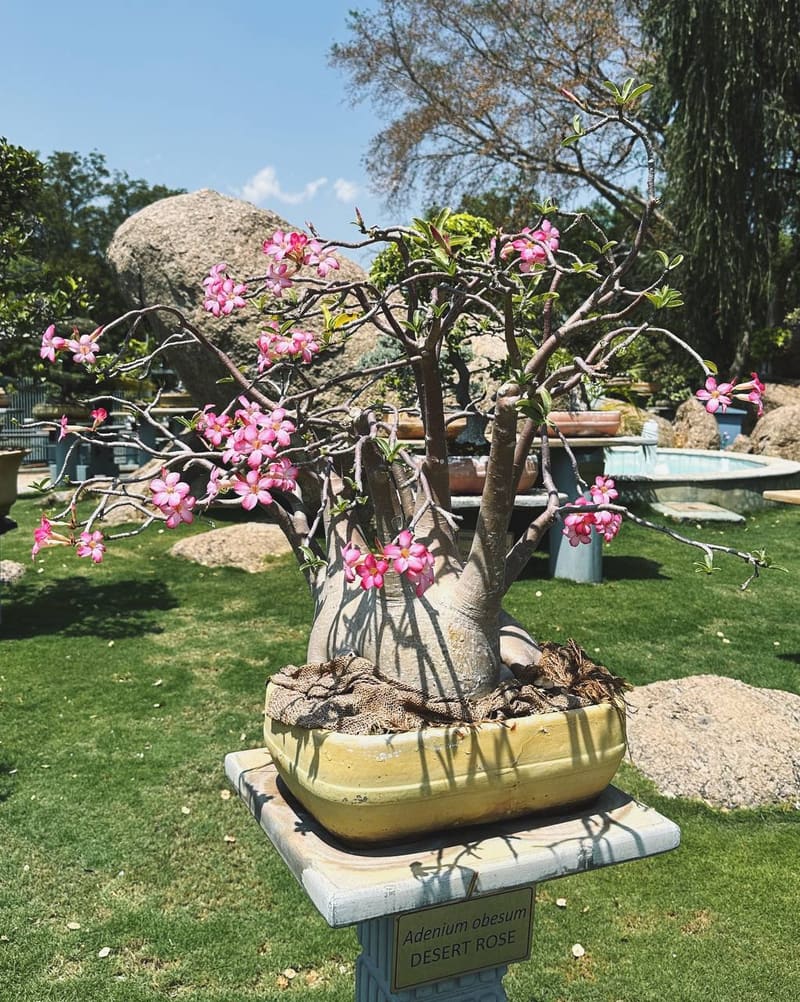
I'd wanted to see a proper bonsai garden for years. Not the decorative mall plants labeled "bonsai" that die within months, but genuine specimens — trees shaped over decades through precise pruning, careful root trimming, and patient branch training. The kind of tree where a single specimen might be older than your grandparents and worth more than a Mercedes.
So when I stumbled on a bonsai garden inside Ramoji Film City in Hyderabad — the world's largest integrated film studio, sprawling across 2,000 acres of themed sets, gardens, and entertainment zones — the discovery felt wonderfully incongruous. Bollywood sets and ancient Japanese horticulture sharing the same grounds?
And yet there it was: VAMAN, aptly named after the Sanskrit word for "dwarf," housing more than 150 bonsai specimens in a dedicated garden that most visitors hurry past on their way to the Baahubali sets.
What Makes VAMAN Remarkable
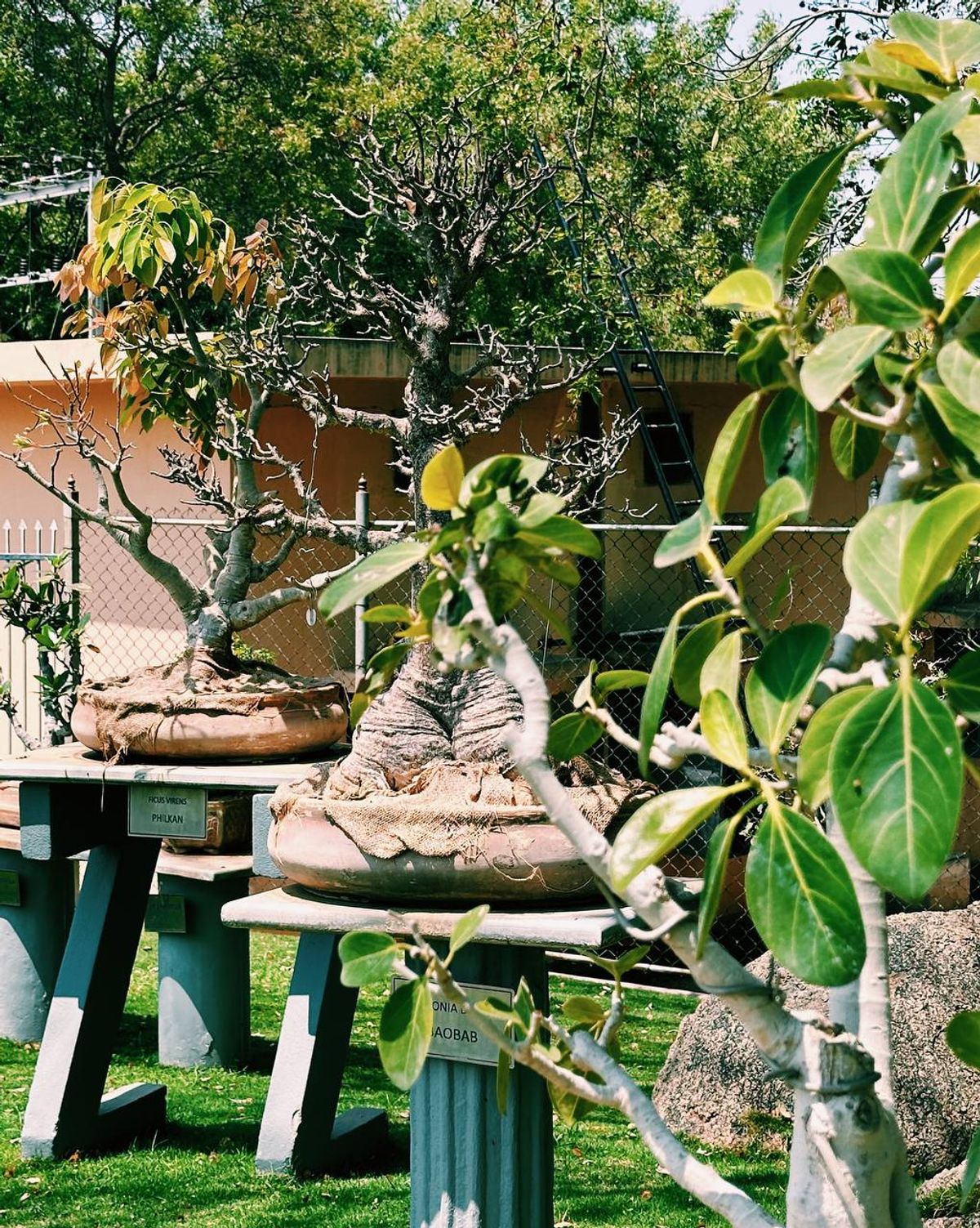
The garden's official numbers are impressive: 86 genera, 132 species and cultivars from across the plant kingdom, each labeled with scientific names and displayed on a dedicated stand. But the figures don't quite capture what walking through VAMAN feels like — stepping into a different temporal dimension.
Some of these trees are over 60 years old. Consider that for a moment. When these specimens began their journey toward miniature perfection, India had only just gained independence. Someone started shaping them before most of their current caretakers were born.
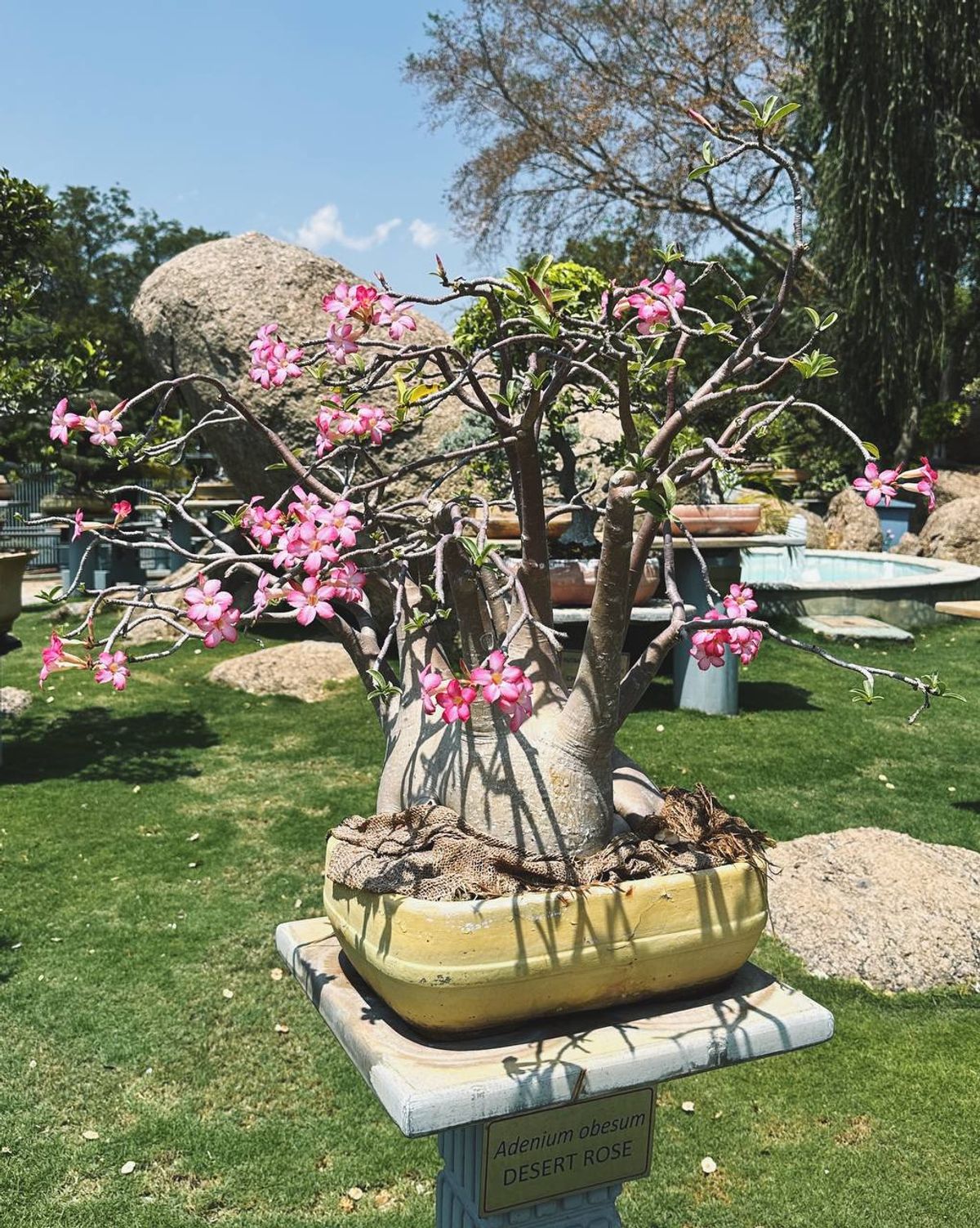
The collection includes classics and rarities: ficus with exposed root systems cascading over rocks, azaleas that bloom in miniature fireworks of color, pines with needle clusters precisely arranged, pomegranates and hibiscus shaped into forms that seem to defy their nature.
The Art of Patience
Bonsai is perhaps the world's slowest art form. Creating a mature specimen takes twenty, forty, sixty years — sometimes centuries, with trees passed down through multiple generations of practitioners.
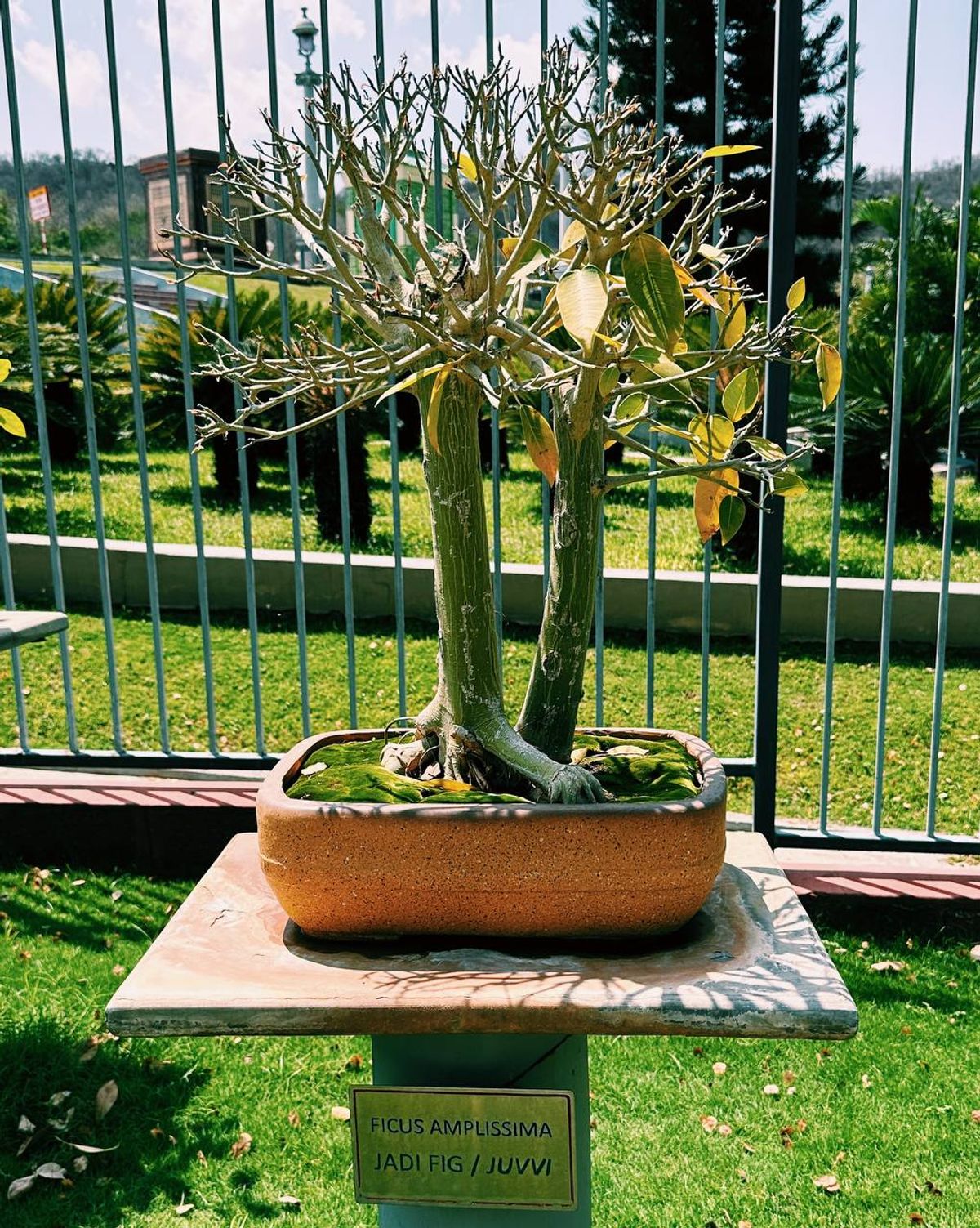
The techniques sound simple: pruning to shape the crown, wiring branches to guide growth, trimming roots to keep the tree small, repotting every few years to refresh the soil. In practice, each intervention requires understanding how that particular tree will respond. Cut too much and you stress it. Cut too little and it loses its trained shape. Timing matters, too — different procedures belong to different seasons.
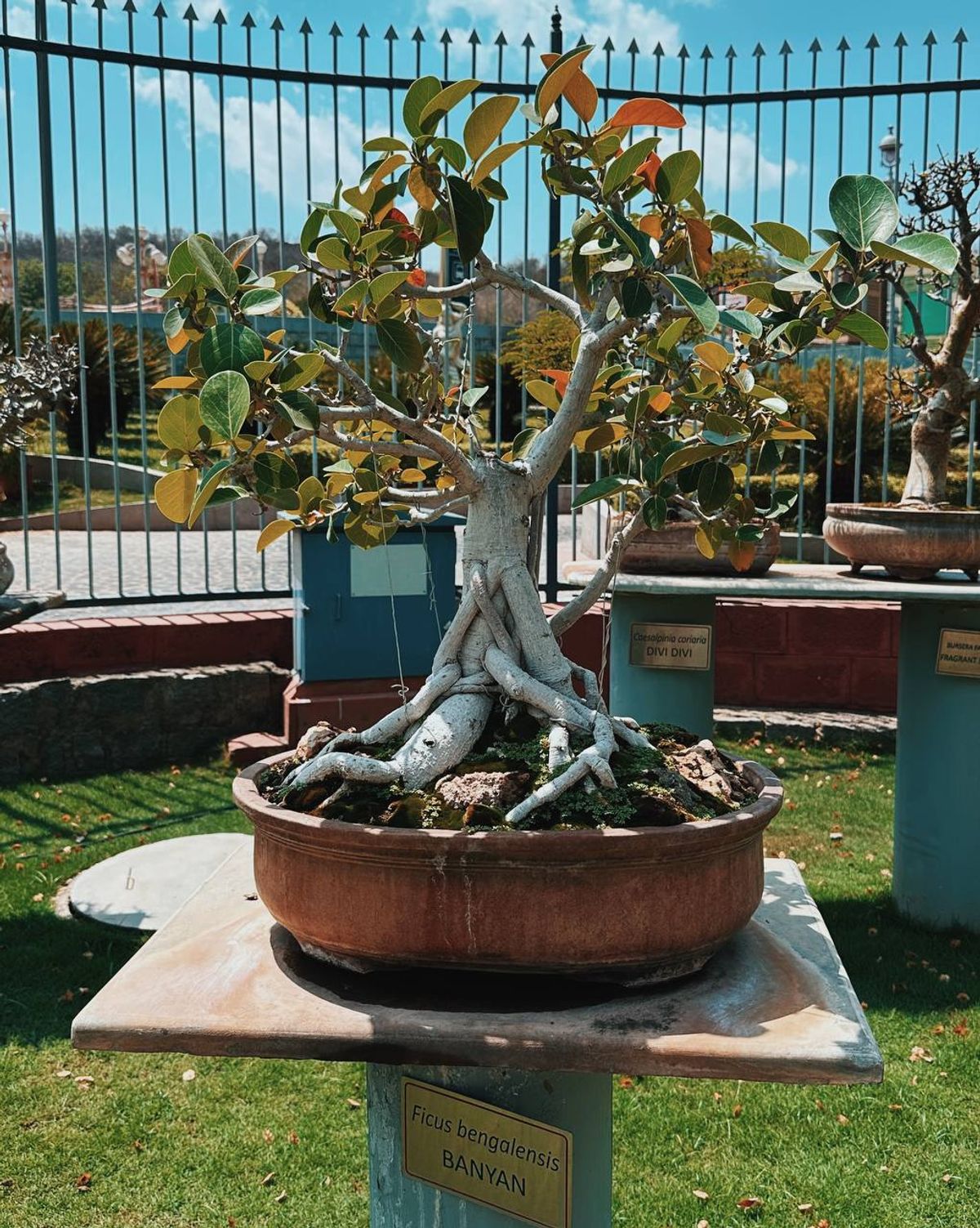
At VAMAN, the trees display the classical Japanese styles that evolved over centuries of practice:
Formal upright (chokkan) — The trunk grows perfectly straight, tapering gracefully from base to apex, branches arranged in diminishing size as they ascend. This style represents trees growing in ideal conditions, reaching for light without obstacle.
Slanting (shakan) — The trunk angles at 60-80 degrees from vertical, as if shaped by prevailing winds or growing on a hillside. The branches balance asymmetrically to create visual stability despite the tilt.
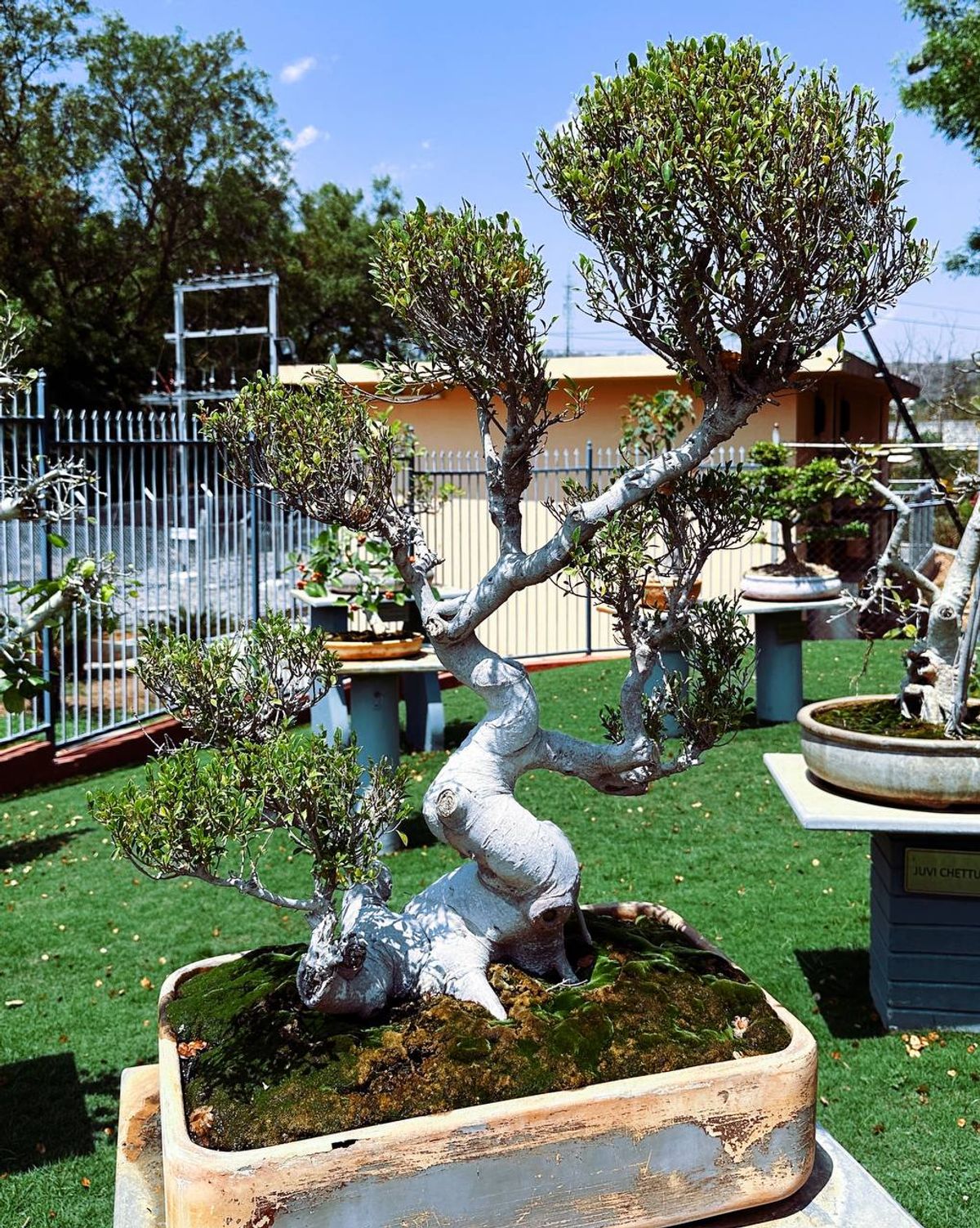
Cascade (kengai) — The trunk bends dramatically downward, growing below the pot's base, mimicking trees clinging to cliff faces or hanging over waterfalls.
Each style tells a story. A cascade bonsai speaks of harsh conditions overcome through resilience. A formal upright suggests harmony and ideal growth. The practitioner doesn't impose arbitrary shapes but rather amplifies natural tendencies, coaxing the tree toward an idealized version of itself.
The Remarkable Trunks
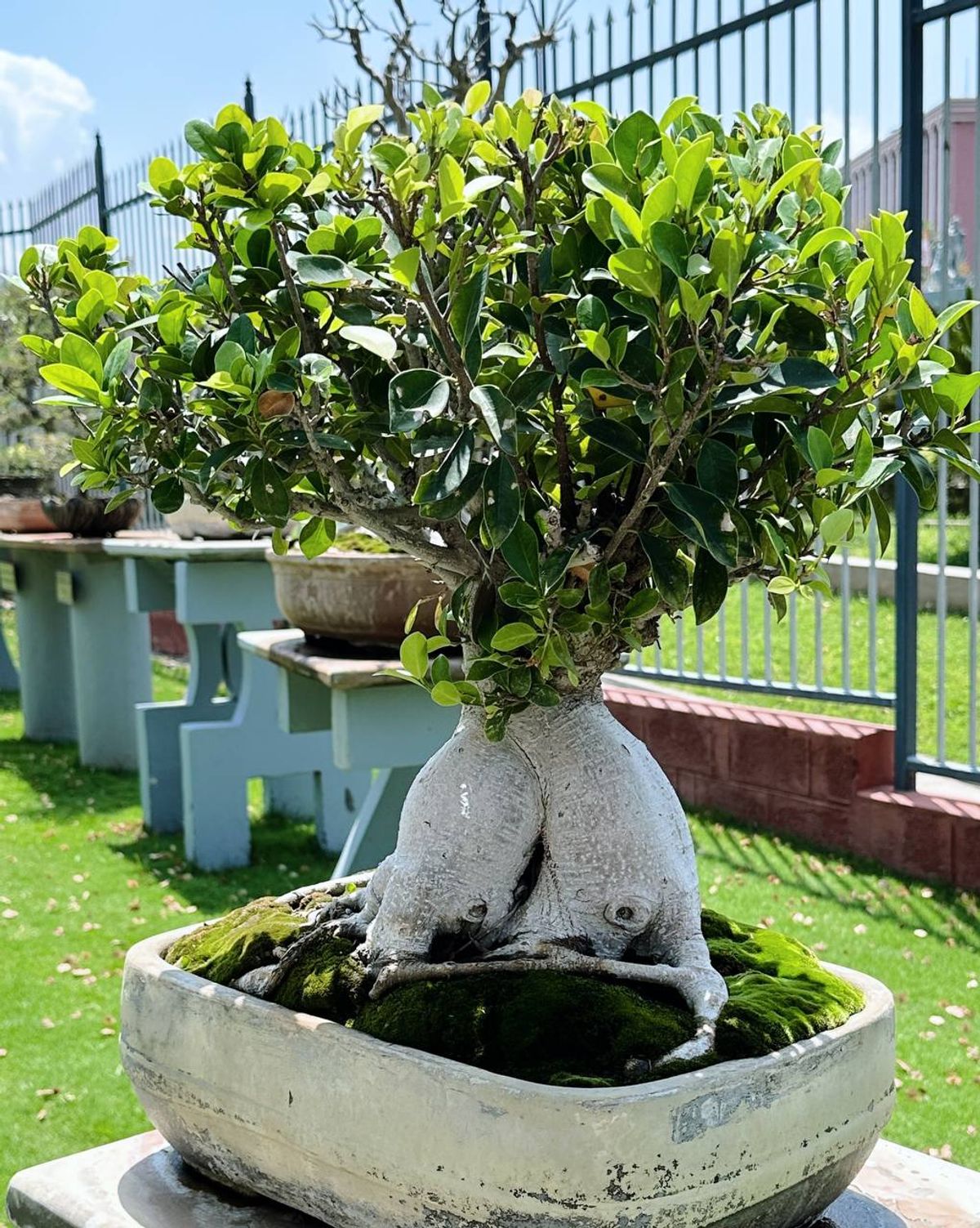
One of the most striking aspects of mature bonsai is the development of the trunk. Over decades, the base thickens and develops character — bark patterns, subtle swellings, the suggestion of great age in miniature form. These trunks cannot be rushed. They represent accumulated years of growth, pruning, and careful attention.
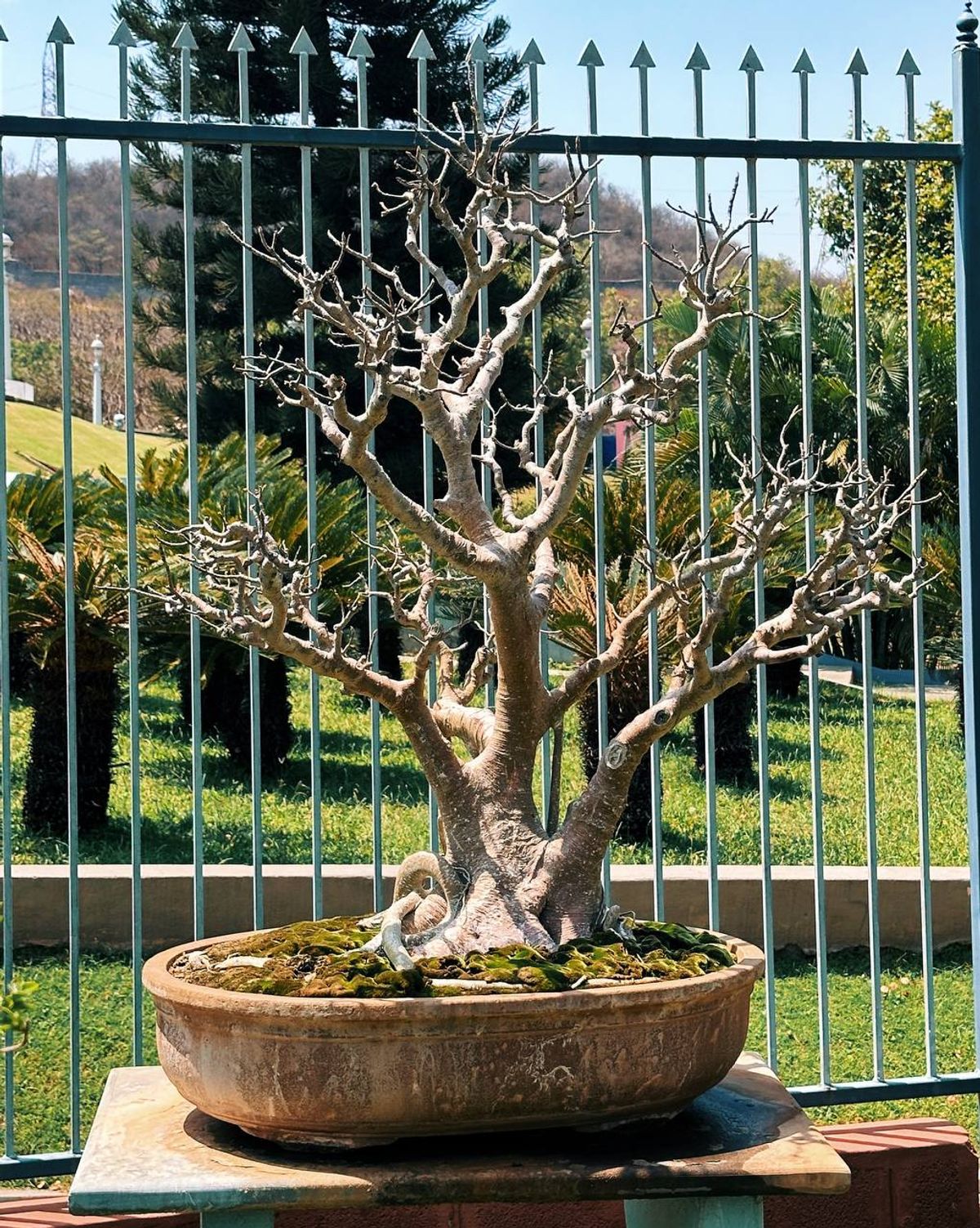
The winter specimens are particularly instructive. When leaves fall, the branch structure becomes visible — every decision the cultivator made over the years becomes apparent in the architecture of bare twigs.
Forest Styles and Group Plantings
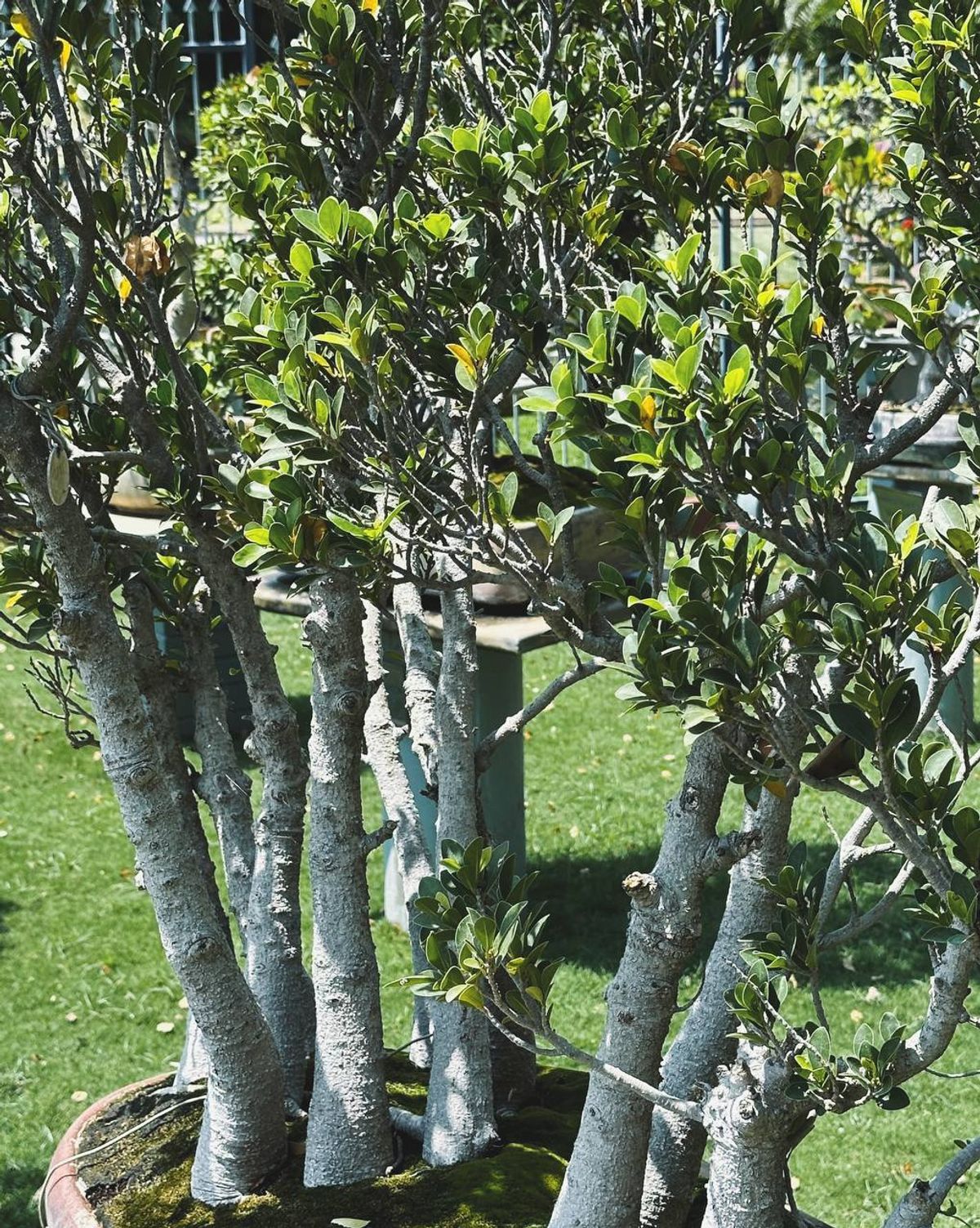
Beyond single-tree specimens, VAMAN includes group plantings and forest styles. These arrangements — multiple trees in a single container, or multiple trunks emerging from a common root — create miniature landscapes. The effect is remarkably like looking down at a grove from great height.
Miniature Fruits, Real Flavors
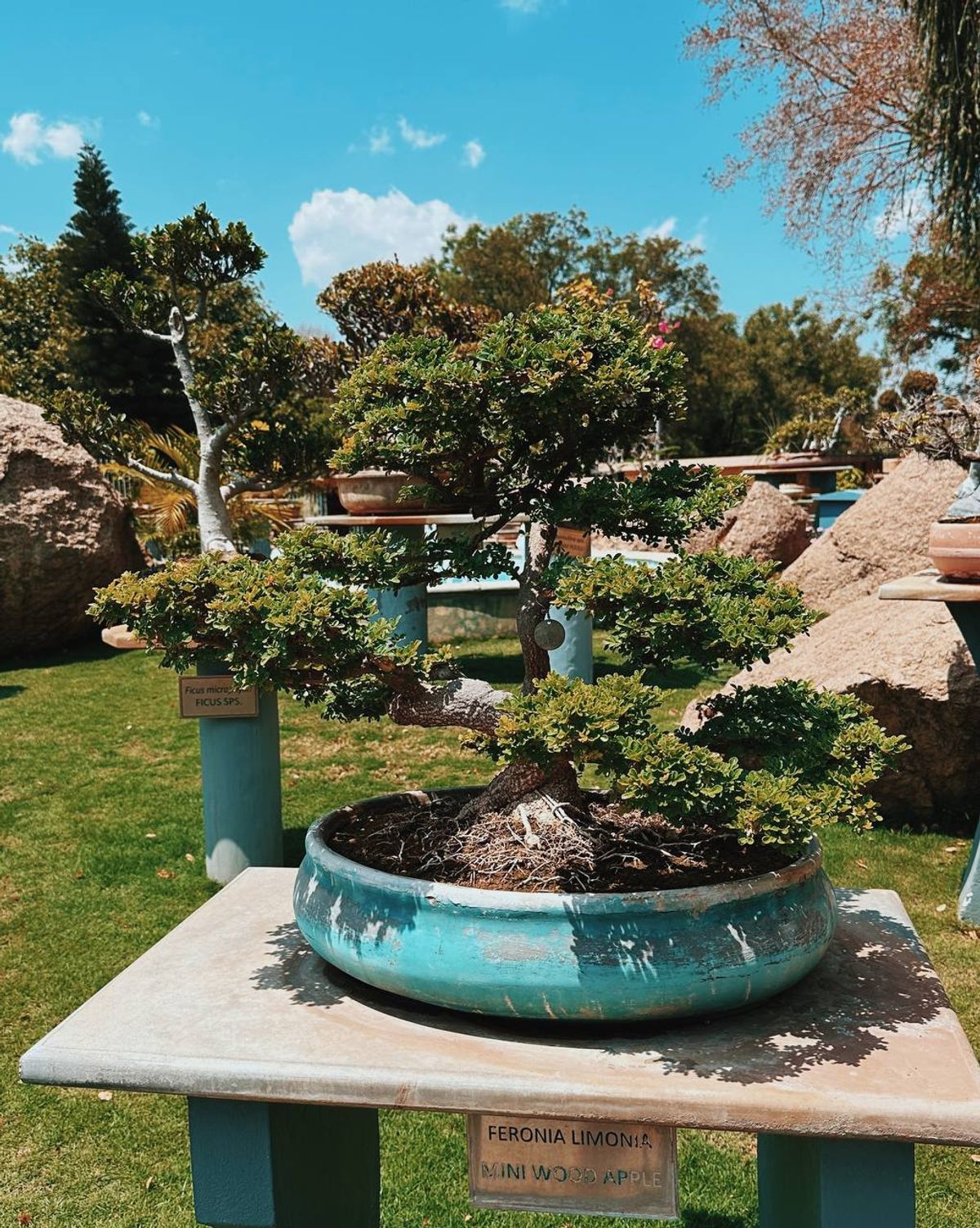
One detail in VAMAN genuinely surprised me: several of the dwarf pomegranate and citrus trees bear real fruit. The pomegranates produce tiny versions of themselves — proper fruits that ripen and, in theory, could be eaten. They hang on the tree like Christmas ornaments.
This isn't trickery or some kind of artificial enhancement. The fruits are proportionally smaller because the trees receive less water and fewer nutrients than their full-size counterparts, but they are genetically the same plants. The bonsai process doesn't create dwarf species — it uses cultivation techniques to hold an ordinary tree in miniature form.
What Makes Bonsai Valuable
Walking through VAMAN, I thought about the economics of this art form. The specimens here aren't for sale, but the bonsai market worldwide operates at price levels that surprise most people.
The most expensive bonsai ever sold publicly was an 800-year-old Japanese white pine, offered at the 2011 Asia-Pacific Bonsai and Suiseki Convention for roughly $1.3 million. A 250-year-old juniper reportedly sold privately in 1981 for $2 million. Auction prices at major exhibitions in Kyoto and Tokyo routinely run $100,000–350,000 for exceptional specimens.
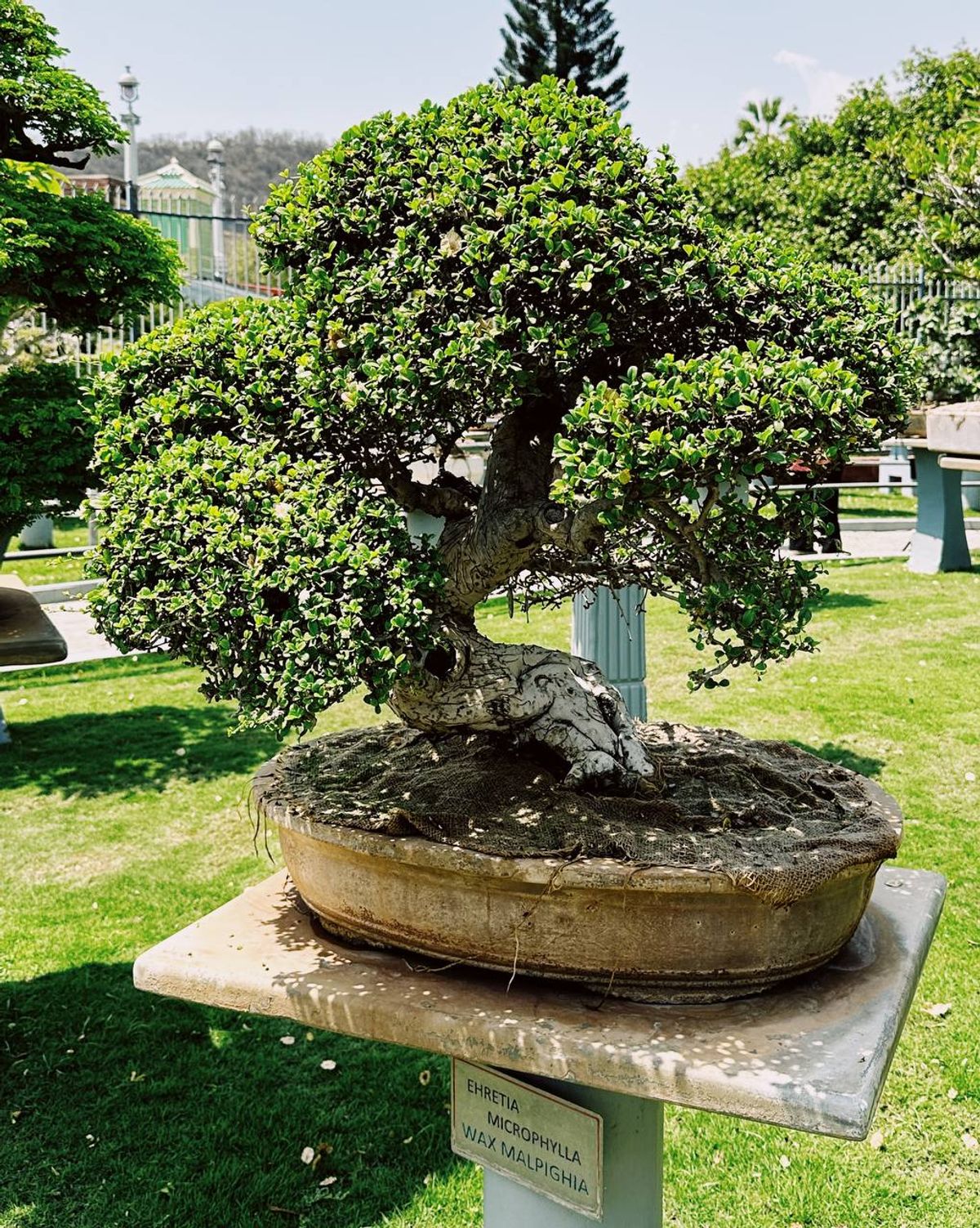
What drives these prices isn't rarity of material — any nursery sells young pine or juniper seedlings for a few dollars. The value lies in time and expertise made visible. A century-old bonsai is a century of daily attention: watering, observing, adjusting. Every branch placement reflects years of accumulated decisions.
The specimens at VAMAN aren't priced for sale, but many of them would certainly command serious sums given their age, species, and evident quality of training. A 60-year-old tree represents a substantial investment of expertise and time.
Would You Tend a Tree for Twenty Years?
The Instagram post question at the end of my visit lingered: would you want a bonsai at home? Would you care for it daily for twenty years?
The honest answer for most people is probably no. Modern life doesn't accommodate art forms measured in decades. We change apartments, move cities, switch priorities. A bonsai requires consistent presence — someone has to water it, monitor its health, provide seasonal repotting. The tree can't be stored and retrieved later. It demands attention the way a pet does, but with a timescale that exceeds human patience.
Yet something about that demand feels valuable precisely because it's countercultural. Bonsai practitioners talk about the meditative quality of daily care, the way tending a tree grounds you in slow processes. The tree doesn't care about your deadlines or anxieties. It responds only to sunlight, water, and the gradual passage of seasons.
At VAMAN, the oldest trees have outlived multiple caretakers. The trees now being shaped won't reach their potential for another generation. There's something humbling about engaging with a creative project that exceeds individual lifespans.
Practical Information
Location: VAMAN Bonsai Garden, Eco Park zone, Ramoji Film City, Hyderabad
Access: Included in Ramoji Film City entry ticket
Best time to visit: Early morning or late afternoon for softer light and fewer crowds
Related attractions: Butterfly Park (7,200 sq ft enclosure), Wings Bird Park, Japanese Garden