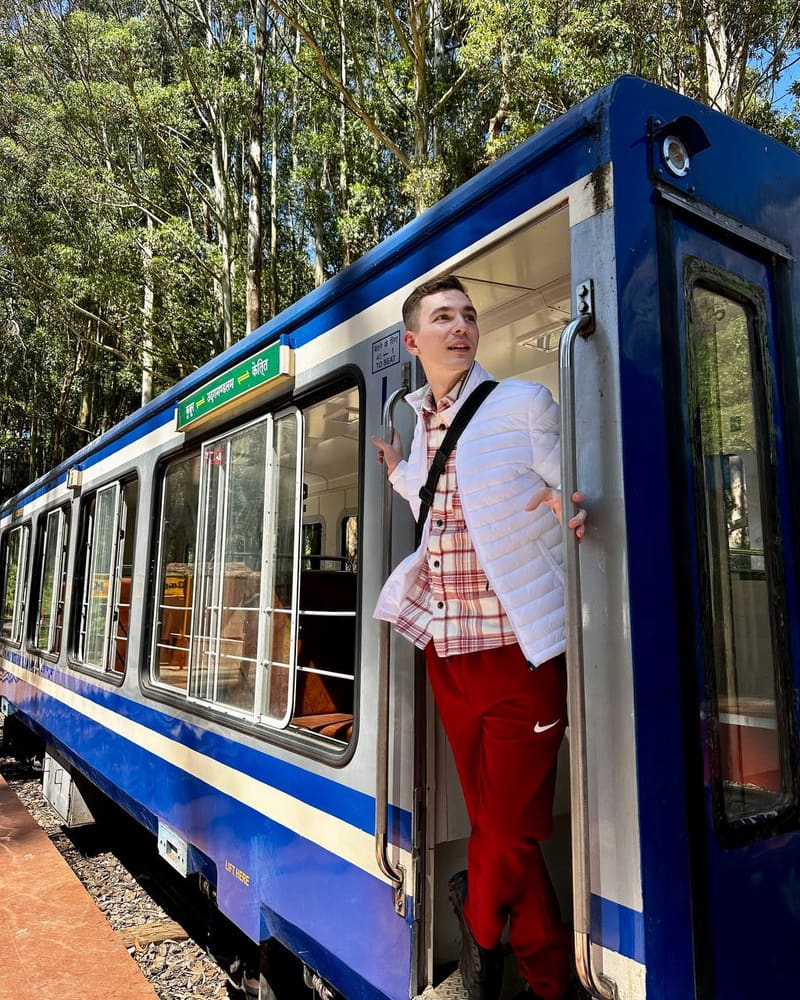
The historic Ooty toy train has delighted travelers for more than 125 years as it winds through the stunning Nilgiri Mountains. This engineering marvel is India's only rack railway. Over 46 kilometers, the train passes through 16 tunnels and crosses 250 bridges, creating one of the country's most extraordinary rail journeys.
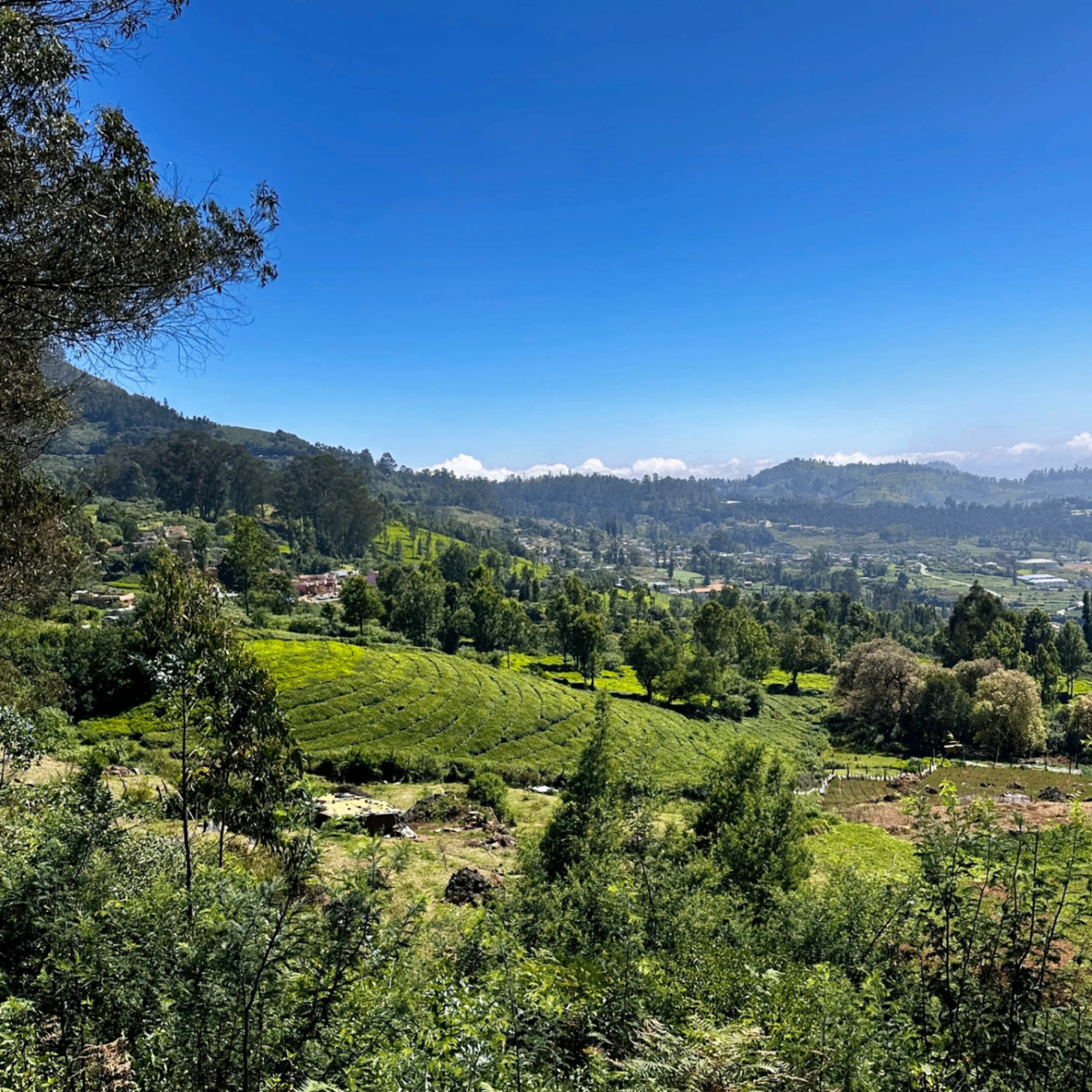
The route from Mettupalayam to Ooty is a scenic adventure that climbs 1,877 meters through misty hills and tea plantations. Passengers enjoy panoramic views along Asia's steepest railway track, which features 208 curves. The uphill ride takes about five hours, giving everyone plenty of time to take in the region's natural splendor.
This UNESCO World Heritage site still captivates visitors with its vintage steam locomotives, some of which have served faithfully for 80 years. This detailed guide covers everything you need to know: how to book tickets, the train's unique engineering, and how to make the most of your mountain railway adventure.
The Historic Journey of Nilgiri Mountain Railway
As far back as 1854, British planners dreamed of a mountain railway running from Mettupalayam into the Nilgiri Hills. The project proved too complex, and several proposals failed before construction could begin.
From Vision to Reality: The Construction Story
Swiss engineer Niklaus Riggenbach, inventor of the Rigi rack-railway system, stepped forward in 1876 to build the line. In 1877 the Duke of Buckingham proposed a different plan that combined a conventional railway with an inclined ropeway. Funding problems and safety concerns scuttled both proposals.
Major Morant of the Royal Engineers changed the picture in 1880 by asking Riggenbach to survey the Nilgiris. This led to the founding of the Nilgiri Railway Company with Rs. 2.5 million in capital. Lord Wenlock, the Governor of Madras, launched construction on August 3, 1891.
UNESCO World Heritage Status and Recognition
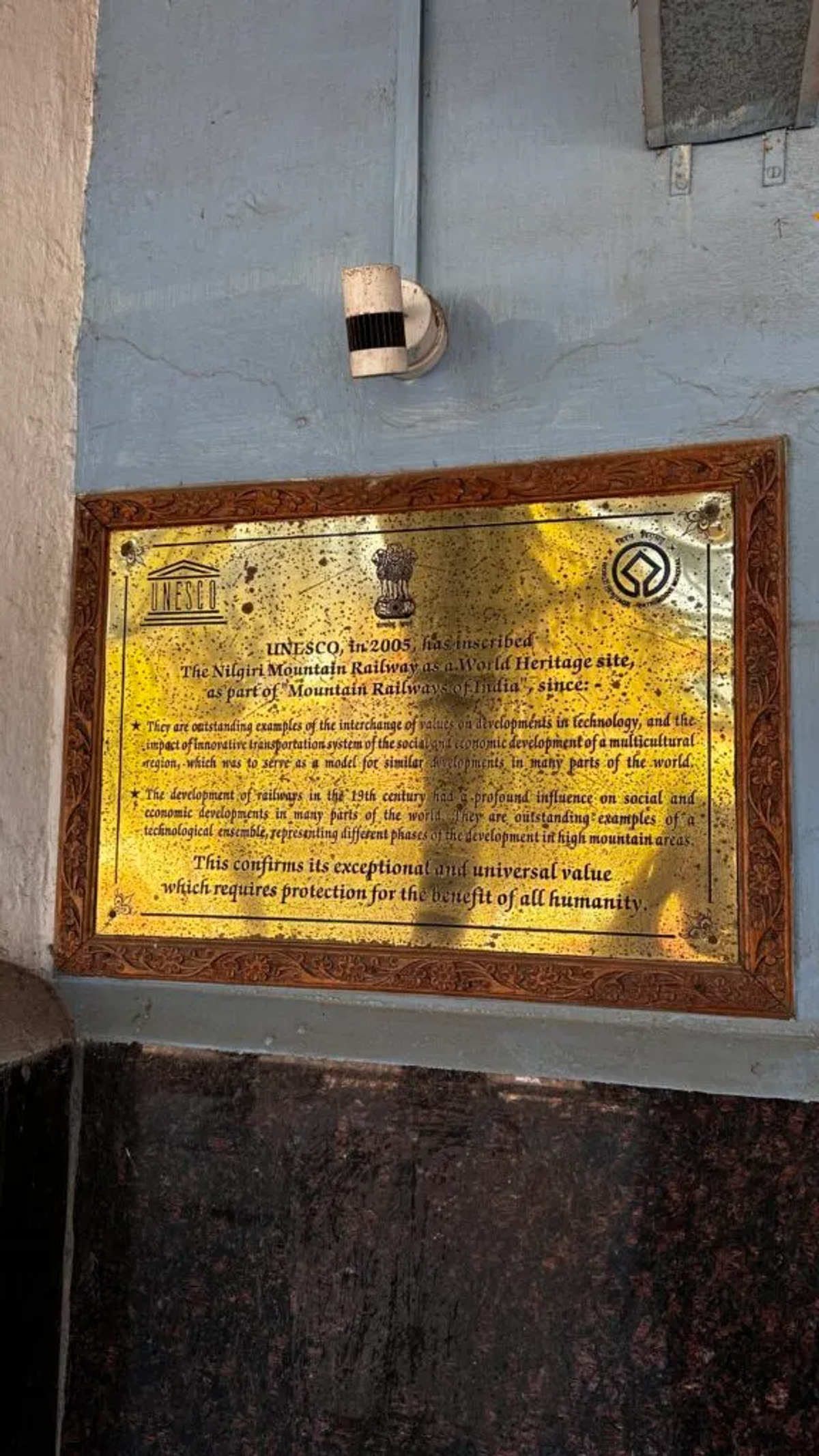
The railway's remarkable engineering earned UNESCO World Heritage status in July 2005. The designation recognizes the line's cultural and technical value as an outstanding example of hill passenger railway design. Heritage recognition has been a vital shield ever since the 1960s, when the line nearly faced dismantling because of financial troubles.
Rise Through the Decades
The railway was built in planned stages. The first stretch from Mettupalayam to Coonoor opened in June 1899, covering sixteen and three-quarter miles of metre-gauge track. The line reached Fernhill by September 1908 and finally connected to Udagamandalam on October 15, 1908, at a total cost of ₹2,440,000.
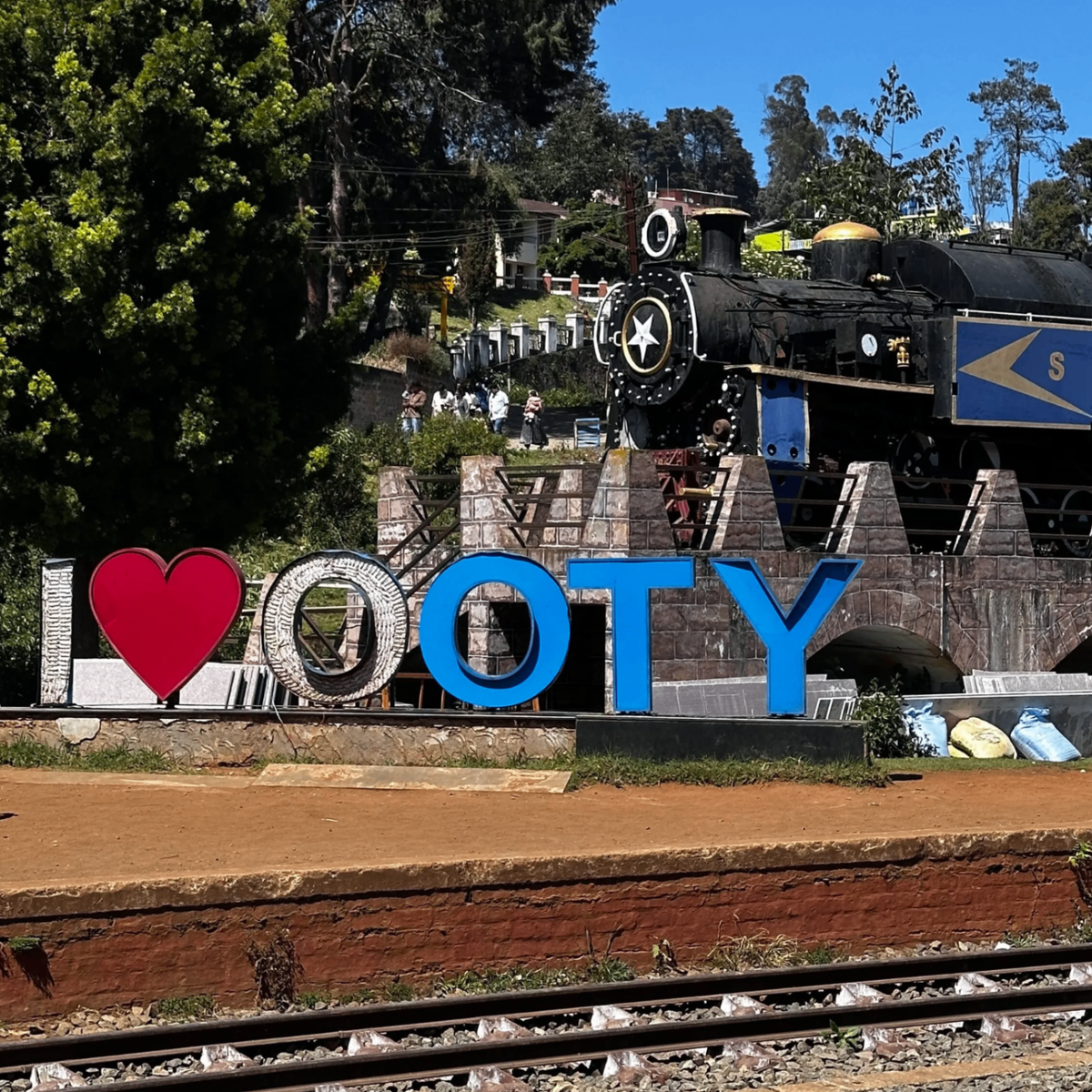
Successive technical improvements upgraded the railway. Four Double Fairlie locomotives joined the fleet in 1907. Today the Golden Rock Workshop in Trichy builds the specialised X-Class steam locomotives that work the line. The route still has its original infrastructure, stations, semaphore signalling and rolling stock, making it one of the rare working heritage railway systems in the world.
Complete Guide to Ooty Toy Train Booking
Getting a seat on the Nilgiri Mountain Railway takes planning and quick action. The line is so popular that tickets often sell out months in advance.
Online Booking Process
How to Book Tickets Through IRCTC
Note: Online booking is available only for Indian residents.
- Create or log into your IRCTC account
- Navigate to the "Plan My Journey" section
- Enter your departure and arrival stations
- Select your travel date and ticket type
- Choose from available trains and class options
- Fill in passenger details
- Complete the payment process
Alternative Booking Methods
If you're not an Indian resident or prefer offline booking, you can purchase tickets at station counters. However, please note that you'll be limited to four tickets per person when booking at the counter.
Tips for Smooth Booking
- Keep your IRCTC account details handy
- Check train schedules and availability in advance
- Have valid ID proof ready for all passengers
- Be prepared with multiple payment options
- Book early for better seat availability, especially during peak seasons
Remember to check the IRCTC website for any updates on booking policies or procedures, as they may change from time to time.
Peak Season and Weather Tips for Travelers
Peak Tourist Seasons:
- April to June: Highest influx of visitors
- December and January: Another busy period
Ideal Travel Time:
- September to November: Perfect weather conditions
- Clear skies
- Pleasant temperatures
Booking Window: Opens 120 days before the travel date.
Remember that during peak seasons, accommodations and attractions may be more crowded. The September to November period offers a great balance of good weather and potentially fewer tourists, making it an excellent time for travel.
Class Types and Seat Selection Strategy
The Nilgiri Mountain Railway offers three seating options:
First Class is an intimate experience with just 16 seats. Tickets cost ₹290 per person and include cushioned seating and a sense of exclusivity. Second Class fits 214 passengers and costs ₹80 per person. The views are similar from both classes; the difference is in seat comfort.
Smart seat selection will enhance your trip. Choose left-side seats from Coonoor to Ooty, and right-side seats on the way back. That way you get the best views of the Nilgiri landscape.
Unreserved tickets cost just ₹15 but those carriages get heavily crowded during peak season, so booking a reserved seat in advance is the best way to enjoy this historic ride.
Routes and Timings of the Mountain Railway
The Nilgiri Mountain Railway runs daily trains along a scenic 46-kilometer route, giving travelers several options for planning their trip.
Mettupalayam to Ooty Train Schedule
The uphill train leaves Mettupalayam at 7:10 AM and reaches Ooty by 11:55 AM, a morning climb of about 4 hours 45 minutes. The return trip leaves Ooty at 2:00 PM and pulls into Mettupalayam by 5:30 PM.
A special summer service runs during April and May, departing Mettupalayam at 9:30 AM. This extra train helps absorb the rush of tourists during peak season.
Ooty to Coonoor Toy Train Options
The Nilgiri Mountain Railway, affectionately known as the Toy Train, offers a charming ride between Ooty and Coonoor. As a UNESCO World Heritage site, it gives travelers a picturesque trip through the Nilgiri Hills. Here are the main options:
- Full Route: The complete journey from Mettupalayam to Ooty, which includes the Coonoor stop. This option gives you the full mountain-railway experience.
- Ooty to Coonoor: A popular shorter route. The scenic trip takes about an hour and offers breathtaking views of the tea plantations and misty mountains.
- Coonoor to Ooty: The reverse route, starting in Coonoor and ending in Ooty.
- Round Trip: Some travelers do the round trip in a single day, enjoying the views in both directions.
Trains 56139, 56142, 56137 and 56140 run between Ooty and Coonoor. They are part of the Nilgiri Mountain Railway, so you still get the same picturesque hill journey.
Engineering Marvel of the Mountains
Behind the Nilgiri Mountain Railway's scenic beauty lies a complex engineering system that has proven itself over time. The line's unique design lets it climb some of Asia's steepest slopes — innovative railway engineering at its best.
Understanding the Rack and Pinion System
The remarkable rack and pinion mechanism is the heart of this mountain railway. The system is designed to handle gradients up to 1 in 12.5 (8.33%), with two racks running close together between the rails. The racks work like a ladder: their teeth engage with the locomotive's pinion gears to keep the train from slipping on steep climbs.
The rack and pinion system works through a clever arrangement. Each coach has its own cogs that mesh with the rack rails for extra grip and safety. The system keeps the train running smoothly even on the steepest stretches, where ordinary trains would lose traction.
Steam Locomotives and Their Maintenance
The X-Class steam locomotives that power this heritage line showcase exceptional engineering. Swiss Locomotive and Machine Works of Winterthur built these engines with a distinctive four-cylinder compound system. They split their pulling power between adhesion (57%) and rack drive (43%).
These historic engines need special care to keep running:
- The Coonoor loco shed services them twice a day
- They use about 500 liters of water for every uphill kilometer
- Each engine carries 850 liters of diesel and 2,250 liters of furnace oil
Bridges, Tunnels, and Track Design
The railway stretches 46 kilometers, with masterful engineering throughout. The track features:
- 50-pound rails cushioned by stone ballast 75 to 150 mm thick
- 250 bridges in total, including 32 major ones
- 16 tunnels, some of which open straight onto bridges over deep valleys
The average gradient is 1 in 24.5, and the sharpest curve measures 17.5 degrees. This careful design lets steam locomotives climb steadily at 15 kilometers per hour and reach 30 kilometers per hour on the flatter sections.
Essential Tips for the Perfect Journey
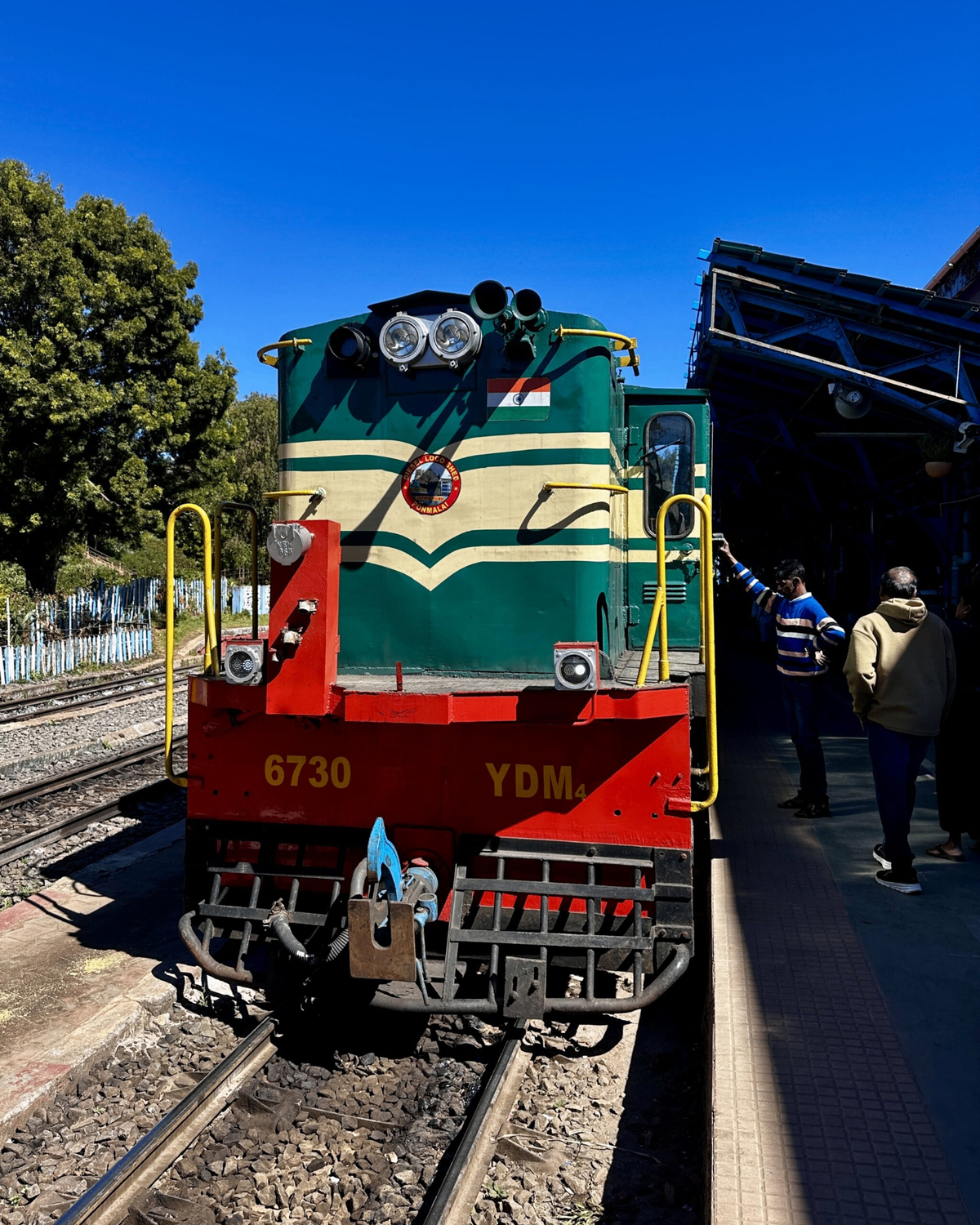
Preparing for a ride on the Nilgiri Mountain Railway takes a bit of planning if you want it to be comfortable and fun. This guide will help you pack the right things and get great photos along the way.
What to Pack and Wear
Mountain weather can catch you off guard — cold mornings give way to warm afternoons. Long trousers and long-sleeve shirts protect you from the mosquitoes that show up before the train starts moving. Layered clothing works best as temperatures shift during the journey.
Pack these essentials for comfort:
- Light jacket or warm layer for the morning chill
- Water bottle and light snacks
- Camera with fully charged batteries
- Small backpack (storage space is limited)
- Basic first-aid supplies
Photography Tips and Best Spots
The left side of the train offers the best views on the way up, but you'll find great photo spots on both sides throughout the ride. The train stops at scenic points where you can snap beautiful shots of waterfalls, rivers and tea plantations.
The most picture-perfect spots come as you pass through the 208 curves and 16 tunnels. The morning light right after departure creates magical moments for shooting the steam locomotive, and the tea plantations along the route make for stunning landscape photos.
Food and Comfort Recommendations
The station canteen serves authentic South Indian breakfast — idlis, vadas and dosas with Tamil Nadu's signature sambar. You'll find several places to eat near the stations to suit different tastes:
Restaurant Guide in Ooty:
- Kailash Parbat Restaurant — about 322 meters from the station, this place is renowned for its excellent biryani and other Indian delicacies.
- Adyar Ananda Bhavan — a popular chain serving high-quality South Indian food, with a wide variety of vegetarian options.
- Le Cafe — roughly 1,126 meters away, this cafe is perfect if you're craving European flavors. It's known for its pizza and ramen bowls.
Each of these spots offers a different dining experience. Whether you're in the mood for local Indian cuisine or international flavors, there's a good option within walking distance of the station.
Head to your seat as soon as you board and settle in for the long ride — the trip takes four to five hours. The benches are fairly small in any class, so pack light and stay organized.
Arrive at the station early. That gives you time to avoid the rush and explore the station's historic atmosphere. Summer months bring pleasant weather, unless you're traveling in monsoon season. The area looks stunning after the rains — mountain rivers rush through gorges and waterfalls run full.
Please don't litter on the train or around the tracks. This ride is a chance to enjoy the natural beauty of the Nilgiris, and keeping the environment clean matters for future generations.
Conclusion
The Nilgiri Mountain Railway is a testament to engineering excellence set in extraordinary natural beauty. This historic journey gives you more than a train ride — it's a chance to experience India's rich railway heritage while taking in the stunning Nilgiri landscape.
Good planning makes the most of this UNESCO World Heritage marvel. Booking your tickets early, especially in peak season, ensures a smooth trip through the mountains. The rack and pinion system paired with vintage steam locomotives still amazes visitors as the train tackles some of Asia's steepest slopes.
The 46-kilometer stretch from Mettupalayam to Ooty is one of India's most beautiful train routes. Admire misty hills, photograph the many tunnels and bridges, or simply enjoy the steady climb past the tea plantations. It all adds up to an unforgettable mountain adventure.
This historic toy train is a reminder that the scenic route often makes the best memories. Pack smartly, arrive early and keep your camera ready — this railway trip through the Nilgiris will stay with you for a long time.